



ADVERTISEMENT

ADVERTISEMENT







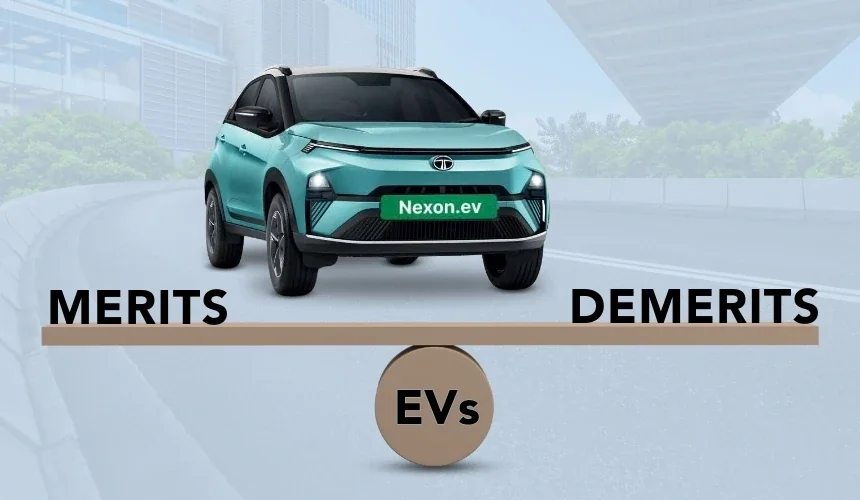
With India struggling from urbanisation that has gained pace over the years and air pollution that has become rampant, electric vehicles, or EVs, have the potential to be the key solution. There is now talk of battery-powered vehicles as opposed to the conventional fuel-powered vehicles. However, do the several positives associated with Electric Cars compensate for their demerits? Let us dwell on this issue in detail.
Electric Cars: A threat for traditional car makers and the environment

The promotion of electric cars has been triggered by matters such as the inability to reduce the levels of greenhouse emissions, pollutants and the availability of fossil resources in the world. In the case of India, the government has put effort towards the promotion of EVs through incentives and policies that favour the minimisation of greenhouse gas emissions.
Benefits of Electric Cars

Environmental Impact: There is no doubt that environmental impact is one of the most important pros of electric cars. Compared to other traditional cars that use petrol or diesel, and which release CO2 and other pollutants, electric cars use current. This means that the cars emit zero emissions from the tailpipe and therefore are environmentally friendly. In a country like India, where the air pollution levels in some of the biggest cities are off the roof, this results in less polluted air and the health of the masses improving.
Reduced Dependence on Fossil Fuels: Electric cars play a crucial role in the conservation of fossil fuels. Crude oil is needed for several products and a large portion is brought into India, which poses a problem to the Indian economy and also to the depleting stocks of fossil fuels globally. The use of electric cars would enable India to reduce its inflows of oil imports and transition towards cleaner means.
Lower Running Costs: The cost of running an electric car is cheaper as compared to operating a car that uses petrol or diesel fuel. Electricity is usually cheaper than petrol or diesel, thus, making this a cheaper way of powering vehicles. Moreover, electric cars also provide fewer moving parts as compared to conventional cars and are therefore cost-effective in terms of maintenance expenses. There are no oil changes and no components such as the brake system that get worn out as they would be in other cars.
Quiet Operation: Electric cars are much less noisy as compared to their petrol or diesel-powered models of the same class. This can greatly help to decrease the noise levels in urban areas and make driving a quiet experience and as such help in making cities quieter places.
Innovation and Technology: The electric car industry is, therefore, an excellent place to find the best-performing technologies. The latest advancements in battery, autonomous driving and other smart features are under process and keep evolving. Since the usage of EVs is expected to grow due to increased interest in improved energy-efficient cars, it is expected that these technologies will become cheaper to produce.
Drawbacks of Electric Cars

Initial Cost: Among the disadvantages of electric cars, one can mention the considerably higher initial cost. Despite this, electric vehicles are mostly expensive, even when they are subsidised and provided with incentives to buy. This makes them a bit out of reach for the average Indian customer, especially when price is a determining factor.
Limited Driving Range: However, more development is being made towards electric cars, but some of them can only cover a few kilometre range than those using petrol or diesel. Since distances between some cities in the world’s second-largest country, India, are quite vast, one major concern that prospective buyers of electric cars would have is the use of the automobile within extended distances.

Charging Infrastructure: The third area of concern relates to charging stations. Indeed, the absence of charging stations serves as a major concern. Well, in as much as some urban centres continue to feel the pinch of inadequate charging points, the situation is even worse for rural and other sub-urban areas. The absence of a charging network is one of the biggest challenges of owning an electric car, which could limit the quantum of electric cars in India due to the large geographical landscape of the country.
Battery Disposal and Environmental Impact: Even though electric cars themselves do not emit anything which harms the environment, battery production and disposal is not eco-friendly. It is, however, important to note that the extraction of materials such as lithium, cobalt and nickel which are used in the making of batteries is usually hazardous. Also, old batteries can cause pollution if they are disposed of carelessly.
Energy Source: The benefits resulting from the use of electric cars can be partly attributed to how the electricity required by these cars is produced. Coal-powered plants still constitute a large share of electricity generation in India at present. That is why if the grid has a high dependence rate on fossil resources, the overall improvement of emissions may not be very significant.
Balancing the Scale

There has been a lot of controversy as to whether the advantages that come with the use of electric cars outweigh the demerits. Compared to traditional vehicles, electrically powered vehicles are known to have reduced environmental impact, have lower operating costs and have a tendency to be associated with better technology. On the same note, factors such as high capital costs, limited coverage and poor charging facilities present serious impediments.
To realise the numerous advantages associated with the use of electric cars the following steps must be taken. The government needs to persevere in championing EV purchases by providing incentives and investing in the necessary recharging stations. Other key factors also include the developments in battery technology and energy storage. In light of these problems, only if India can solve these problems efficiently, then the advantages of electric cars are going to dominate their disadvantages hence coming up with a better world.
Conclusion
Electric Cars are set to be one of the most significant strides towards a green transportation system. This is because they can bring about favourable impacts such as low emission of pollutants and lesser use of orthodox fuels. As India goes forward, the scale of benefits and risks involved in the adoption of electrical vehicles will be a major determinant for the cars’ future in the Indian transportation industry.
Read Also: Highway Capable Best Long-Range Electric Cars in India
About Author

Uday Singh
Sub-Editor

Uday Singh is a dynamic automotive journalist known for his concise yet comprehensive writing style and profound understanding of the industry. His passion for motoring has led him to quickly become a respected voice in automotive circles, offering insightful reviews and analyses that resonate with enthusiasts and industry insiders.
ADVERTISEMENT






































Top Car Brands in India
Trending Car News in India


Mahindra Testing 3 All New SUVs - Mini Scorpio, Thar EV and BE 07 Detailed
Mahindra is preparing to introduce three all-new SUVs, including the Vision S compact SUV, Thar EV and BE 07 born electric by the end of 2027.
Amit Sharma
Read More
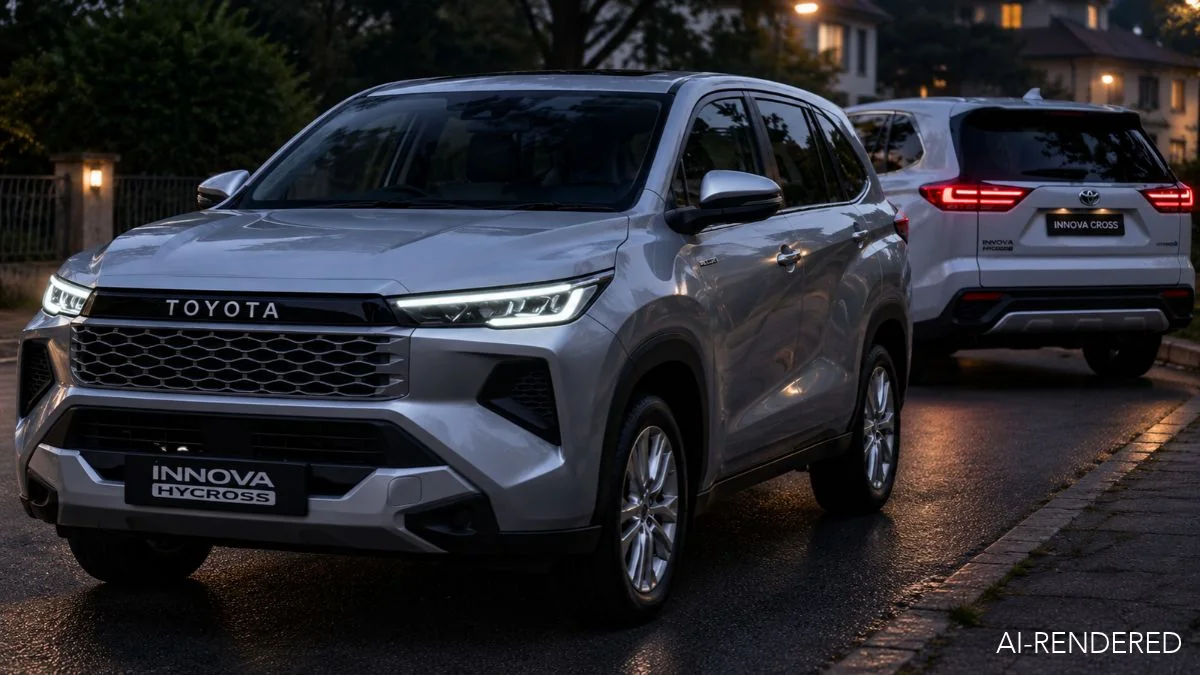
Toyota Innova Hycross Facelift – New Styling, More Features, Same Engines
Toyota Innova Hycross facelift could arrive in 2027 with new styling, more features, upgraded ADAS and the same 2.0-litre petrol and hybrid engines.
Konica Singh
Read More
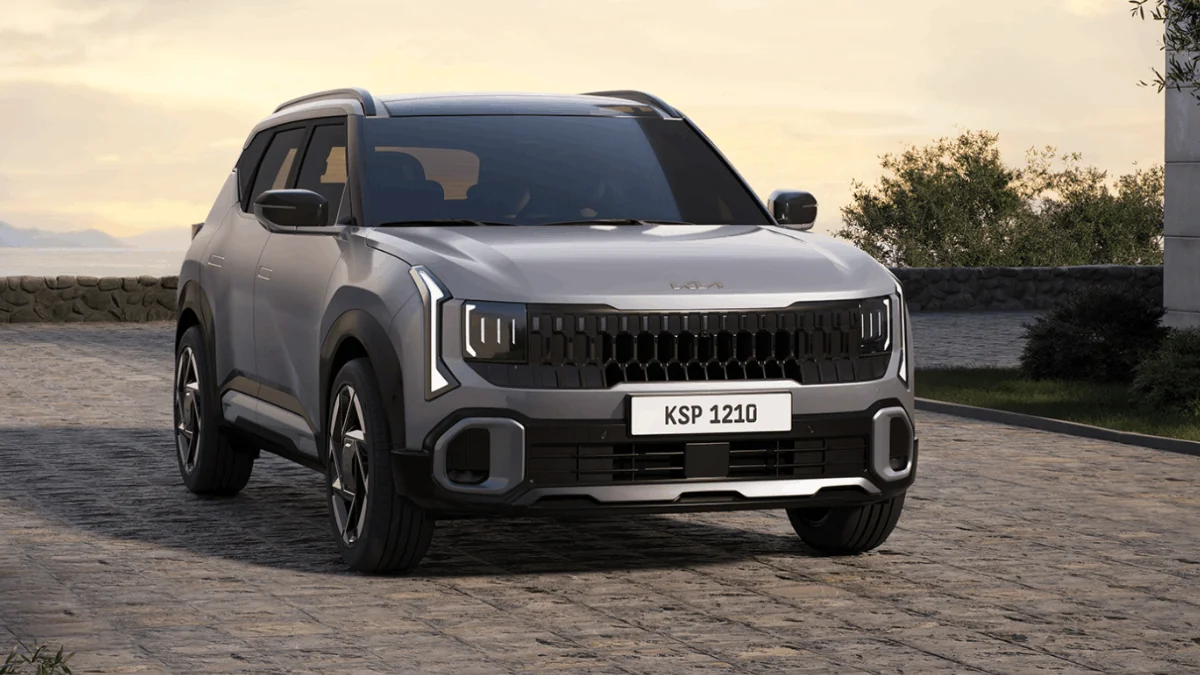
Kia to Launch Two New SUVs in 2027 - Next Sonet and Seltos Hybrid
The second-generation Kia Sonet and the Seltos Hybrid will be launched in the Indian market in early 2027 and the late 2027, respectively.
Amit Sharma
Read More
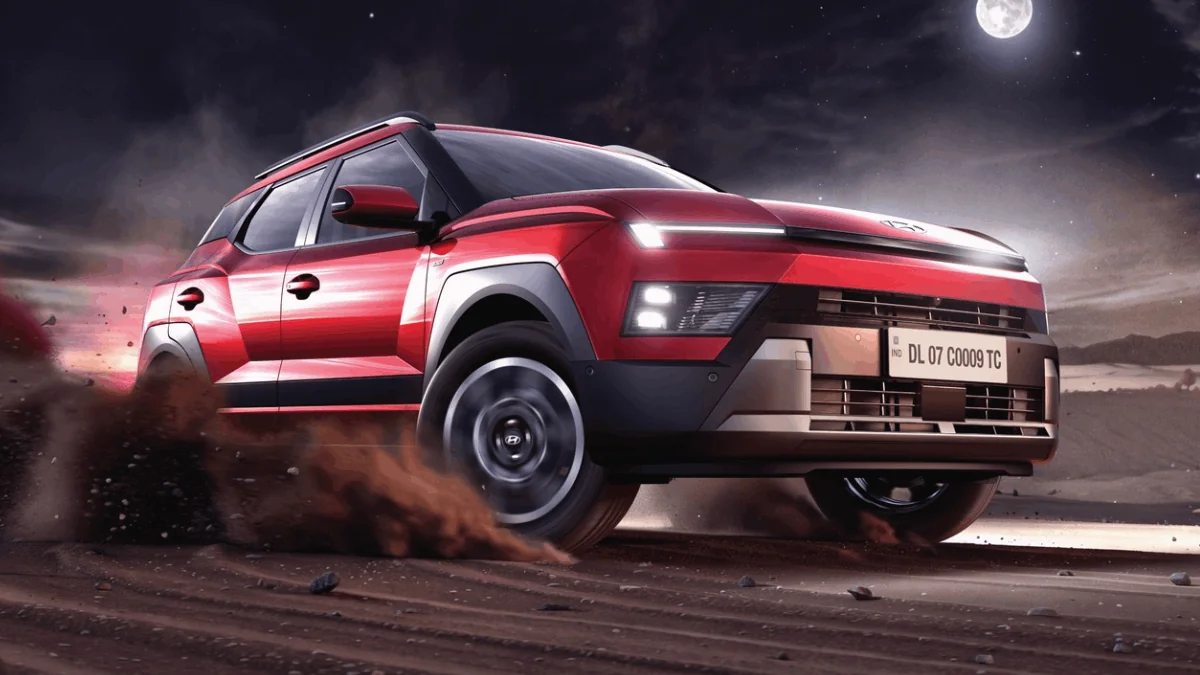
Hyundai Bayon Offers Drive Modes and Dash Boost Mode for Spirited Performance
Hyundai has confirmed that the Bayon SUV will be powered by a four-cylinder 1.5L MPi petrol engine with 6MT & IVT, and Dash Mode and Sporty Drive Tech.
Amit Sharma
Read More
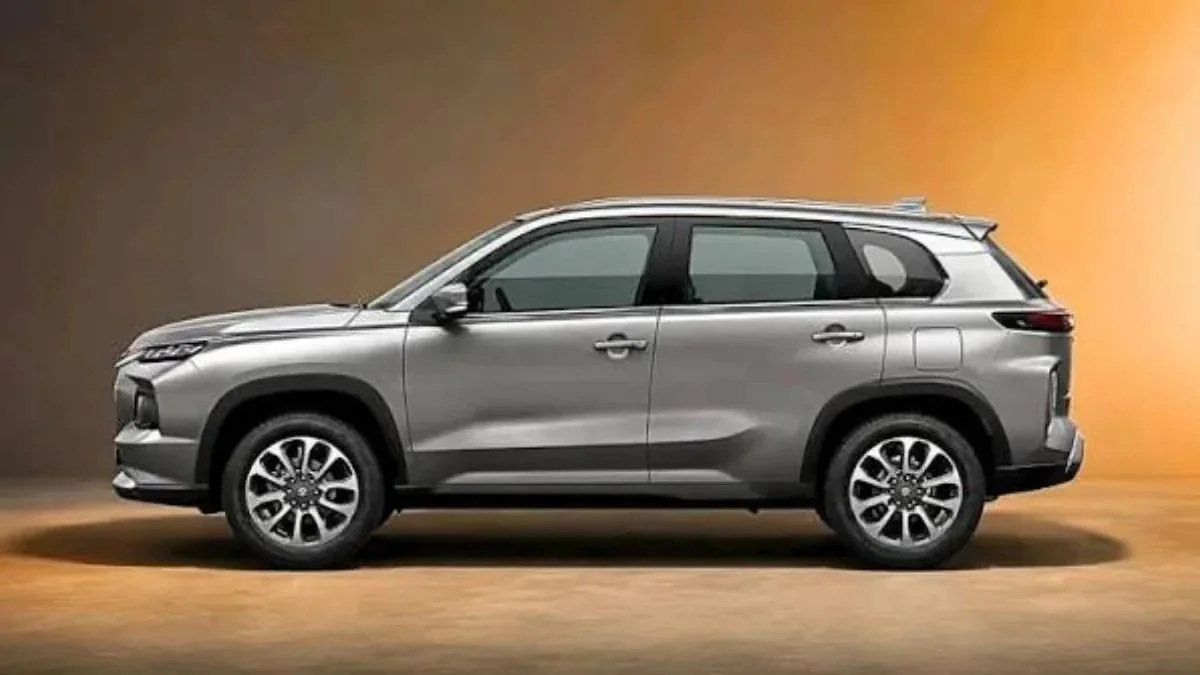
Maruti Suzuki YMC EV – 7 Seats, Long Range, Electric Power
Maruti Suzuki YMC EV could launch in India in 2027 with three-row seating and a long driving range. Here's what we know so far.
Konica Singh
Read More
New Tata Nexon EV Could Get These Major Upgrades in 2027
The 2027 Tata Nexon EV could get a new design, improved battery packaging, more cabin space and better range. Here's what to expect from the new model.
Konica Singh
Read More
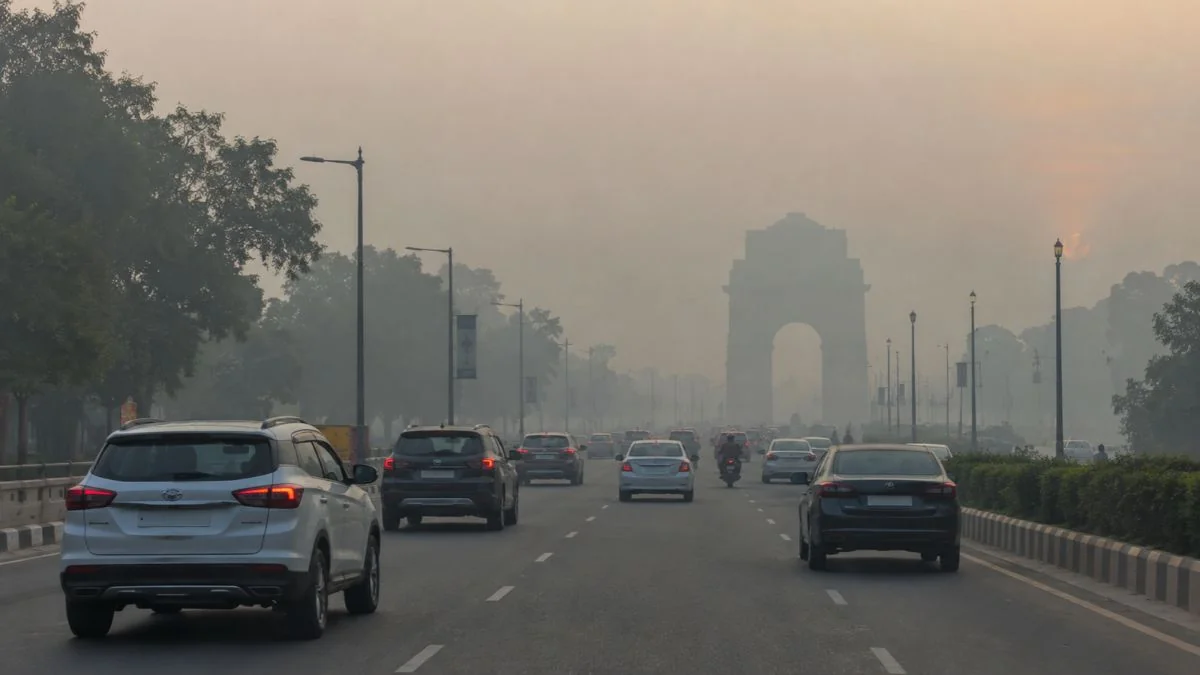
Delhi Vehicle Ban From November 1: Is Your Car Affected?
Delhi will restrict non-BS6 vehicles registered outside the capital from November 1, 2026. Check exemptions, PUC rules and other key changes for drivers.
Konica Singh
Read More


ADVERTISEMENT
ADVERTISEMENT
ADVERTISEMENT
Trending Cars in India

Trusted Dealer
All Over India

Irresistible Offers
Stay Updated, Pay Less

Compare Cars
Choose the Right Car

Easy Finance
Multiple Finance Options


Monday - Saturday

10:00am - 6:30pm

contact@carlelo.com