




By proceeding, I acknowledge that I have read and agreed to the Privacy Policy, Terms & Conditions, consent declaration, and the sharing of my information with lending partners, dealers, OEMs, and for marketing communication via Phone Calls, SMS & WhatsApp.


ADVERTISEMENT

ADVERTISEMENT







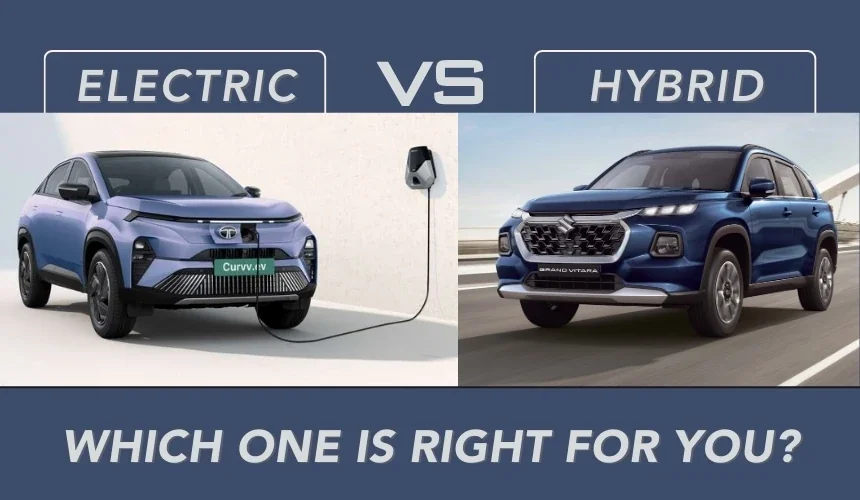
As the world moves towards a much more sustainable lifestyle, there has been an addition of greener mobility with electric vehicles and hybrid cars. Both of these options offer unique advantages with great features to specific needs. Choosing between these has been a task for consumers, so through this blog, explore the pros and cons of each to consider your needs while thinking of purchasing an electric or hybrid car.
Electric Cars
As the name suggests, electric cars are powered entirely by electricity stored in a battery pack, with no internal combustion engine. Electric cars make a great eco-friendly choice as they emit no tailpipe emissions, such as Hyundai Ioniq 5. These cars produce enough energy for a nice range above 300 km on a full charge.
Yet, we have some pros and cons with these cars which might be intriguing for you to know about. Let's start with those:
Pros:
Zero Emission: EVs produce no harmful greenhouse gases which is best for eco-conscious people and help combat climate change.
Smooth and Silent Driving: Electric cars have instant torque for quick acceleration and while it does not have a fuel-powered engine it make no noise.
Lower Fuel Costs: Electricity is cheaper than gasoline which saves ups on fuel costs and also there are fewer moving parts which leads to lower maintenance costs.
Cons:
Range Limitations: Even though the cars are advanced, some of them have ranges that are below 250 km which is not that suitable for long-distance travelers.
Charging Infrastructure: The charging stations are not as widely available as gas stations are, which makes it quite challenging to drive in rural areas.
Upfront Costs: Most EVs cost more than the hybrid or standard versions of cars which makes them limited to a certain class.
Hybrid Cars
Cars that are a combination of fuel engine and electric motor are Hybrid. These cars tend to operate on electricity at low speeds and switch to fuel for high speeds or when more power is needed like the Maruti Suzuki Grand Vitara. Plug-in hybrids have larger batteries that extend electric-only driving.
Let's go through the pros and cons of these combination cars to get a better idea about them.
Pros:
Fuel Efficiency: The first pro about a combined power car is the efficiency. As it switches modes for speeds, this offers significant fuel savings.
Extended Range: Unlike electric cars, hybrid can cover long distances with their fuel engine backup without the need for frequent charging or refueling.
No Range Anxiety: Hybrid cars eliminate the issue of running out of power during long journeys.
Cons:
Still Use of Fuel: Even though the hybrid is much more eco-friendly than the standard it is still not entirely emission-free and relies on fuel.
Higher Maintenance Costs: The duel powertrain means more complex and costly maintenance as compared to EVs.
Heavier Weight: The combination of an engine motor and battery increases the car's weight which impacts its performance.
Also Read: Top 5 Hybrid Cars and Their Mileage
Which One Should You Buy?
As we discussed the pros and cons above, you can get a better idea about what type suits your style and needs. The following pointers will help you shortlist which one you are better off with.
Choose an Electric Car If:
You have better access to charging stations and tend to travel within a limited range of accessibility of charging points.
You're looking to save up on fuel and maintenance in the long term.
You want zero emissions and prioritize environmental impact.
Choose a Hybrid Car If:
You want the flexibility of fuel for long-distance travel.
You have limited charging infrastructure in the area to live.
You prefer a car that's more familiar with refuelling and driving experience.
In a Nutshell
Both Electric and hybrid cars are excellent options in place of traditional fuel-powered cars and offer reduced emissions with better efficiency. The choice of choosing ultimately depends on your lifestyle, driving habits, and budget. If you prioritize eco-friendliness with access to charging stations then electric cars are ideal and if you like flexibility, and extended range with a more familiar driving experience then a hybrid is an ideal choice.
Ultimately, it does not matter whether you choose an EV or hybrid both options show a great step towards sustainable and responsible driving. Make your choice based on your needs and contribute to a cleaner environment.
About Author

Ankita Solanki
Sub-Editor

Ankita Solanki is a versatile desk writer who explores the world of automobiles with her writing on the latest industry trends and norms. Combining technical expertise with a reader-friendly approach, Ankita's content is accessible to both car enthusiasts and casual readers.
ADVERTISEMENT








































Top Car Brands in India
Trending Car News in India

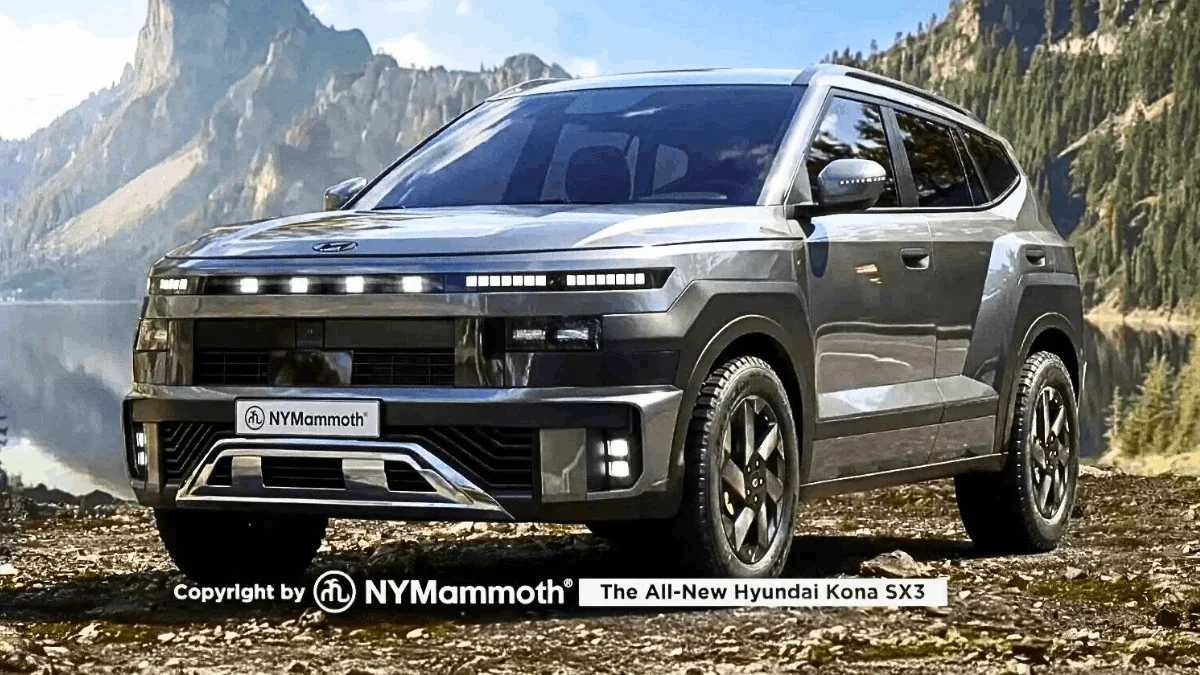
Hyundai to Launch 3 New SUVs by Early 2027: Nexon EV and Sierra Rivals
Hyundai will launch the Bayon midsize SUV and the HEi1 electric compact SUV by the end of this year, the next-gen Creta will launch in early 2027.
Chhavi
Read More
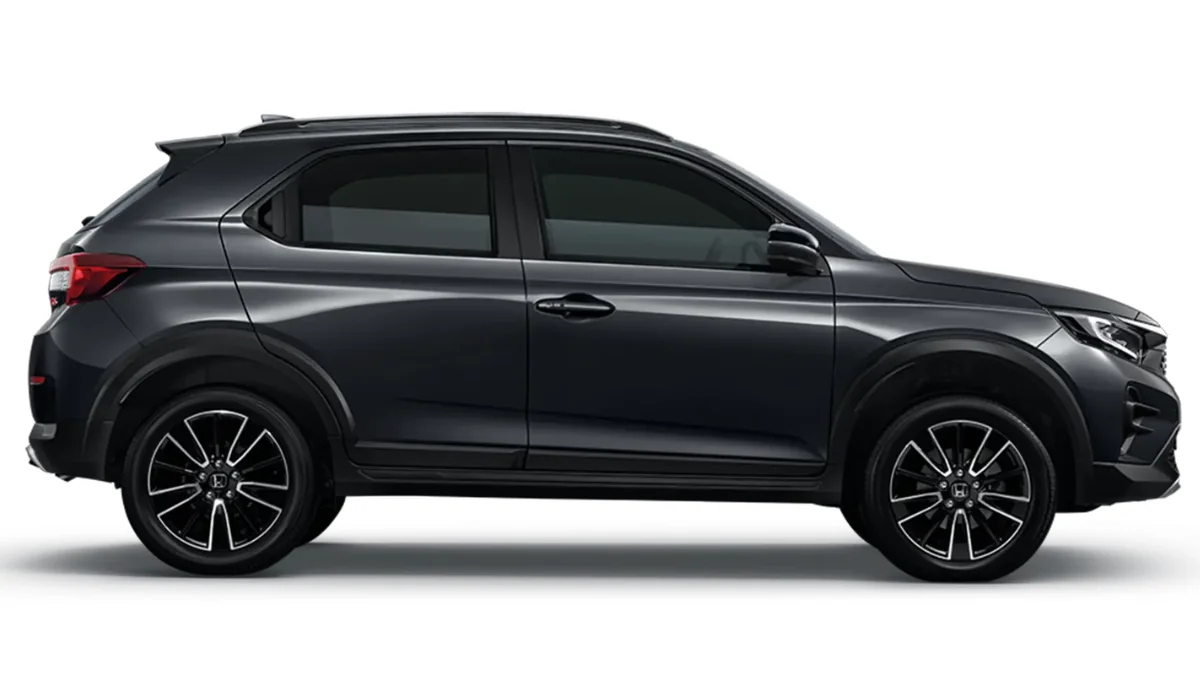
Honda Compact SUV to Get Horse 1.2L Engine with Petrol, Hybrid and CNG Options
The upcoming Honda compact SUV will use Horse Powertrain-sourced 1.2-litre petrol engine, which will also support hybrid and CNG tech. Launch by 2028.
Chhavi
Read More
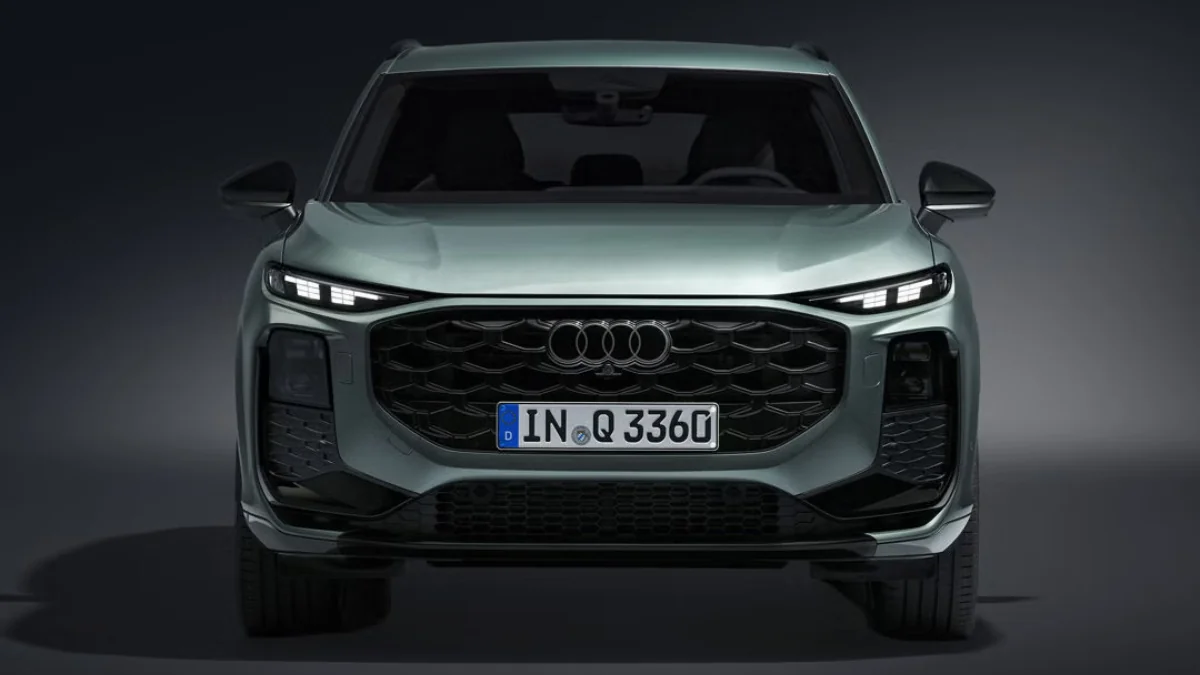
New Audi Q3 Local Production Begins – India Launch on October 16
New Audi Q3 local production has started in India ahead of its October 16 launch, with a 204 hp petrol engine, Quattro AWD and new features.
Konica Singh
Read More
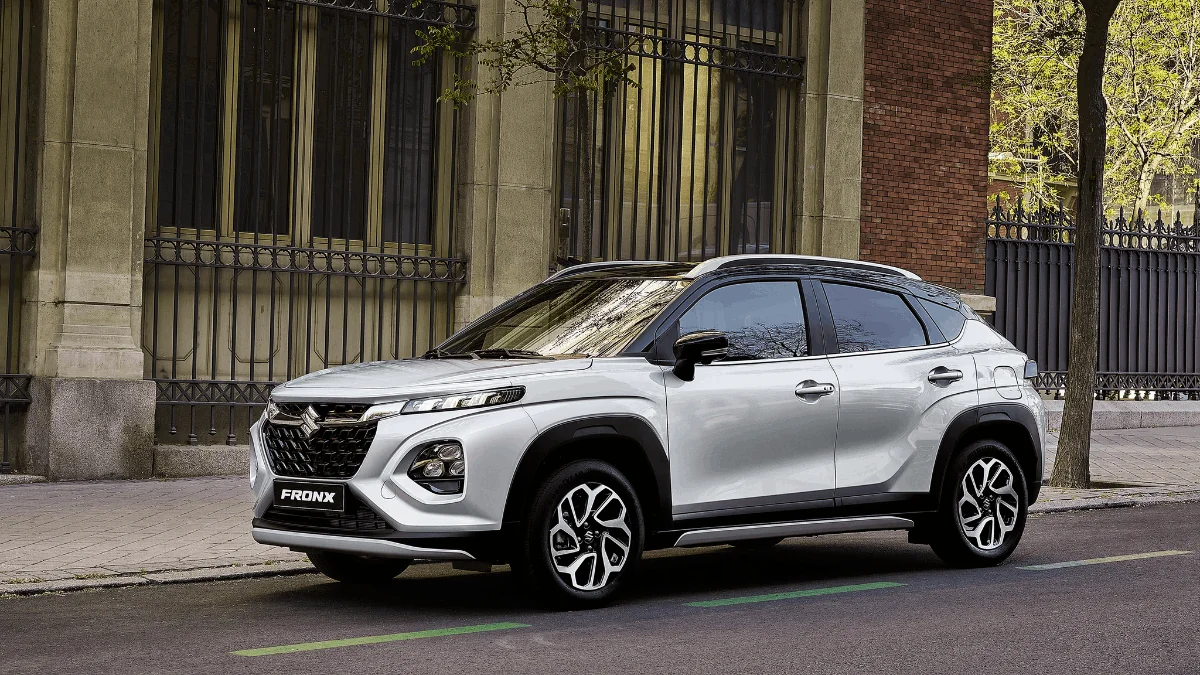
Suzuki Compact Cars to Get Strong Hybrid and Range Extender Hybrids with Plug-in Option
Suzuki Motor Corporation has confirmed that its compact cars will receive series hybrid and range extenders hybrid with plug-in capability
Chhavi
Read More
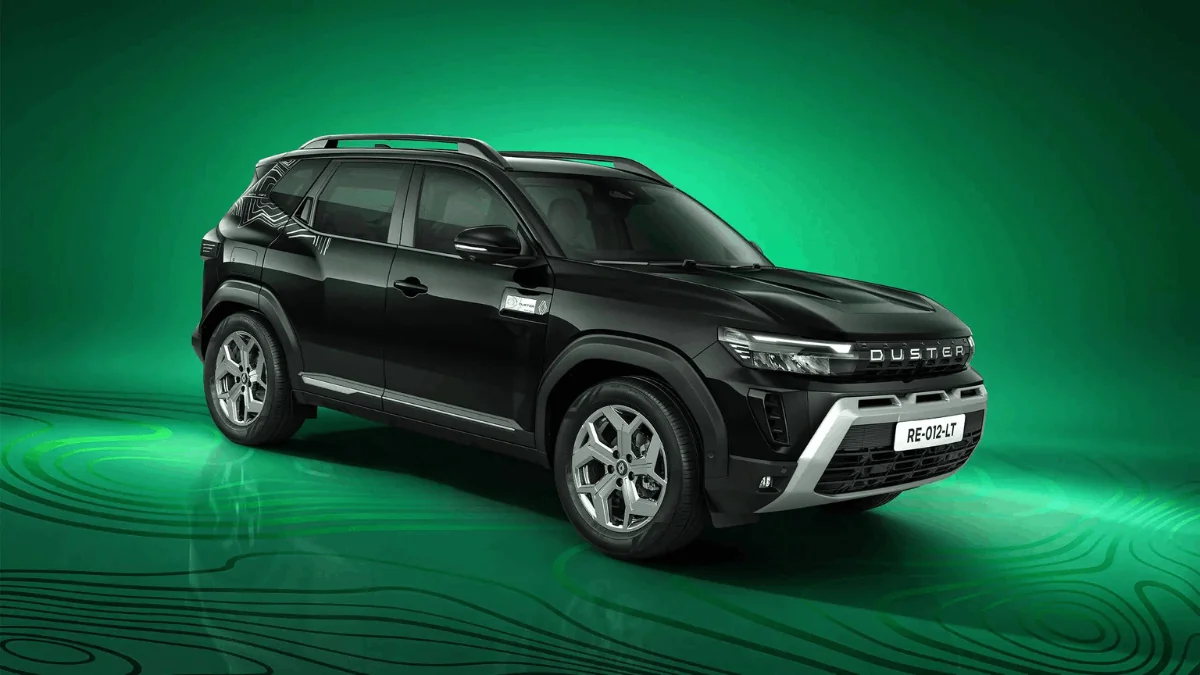
Renault Duster Hybrid Price Reveal on October 17
The all-new Hyundai Bayon SUV is scheduled to make public debut at the 2026 Paris Motor Show, bookings open in India at a token amount of Rs 11,000.
Chhavi
Read More
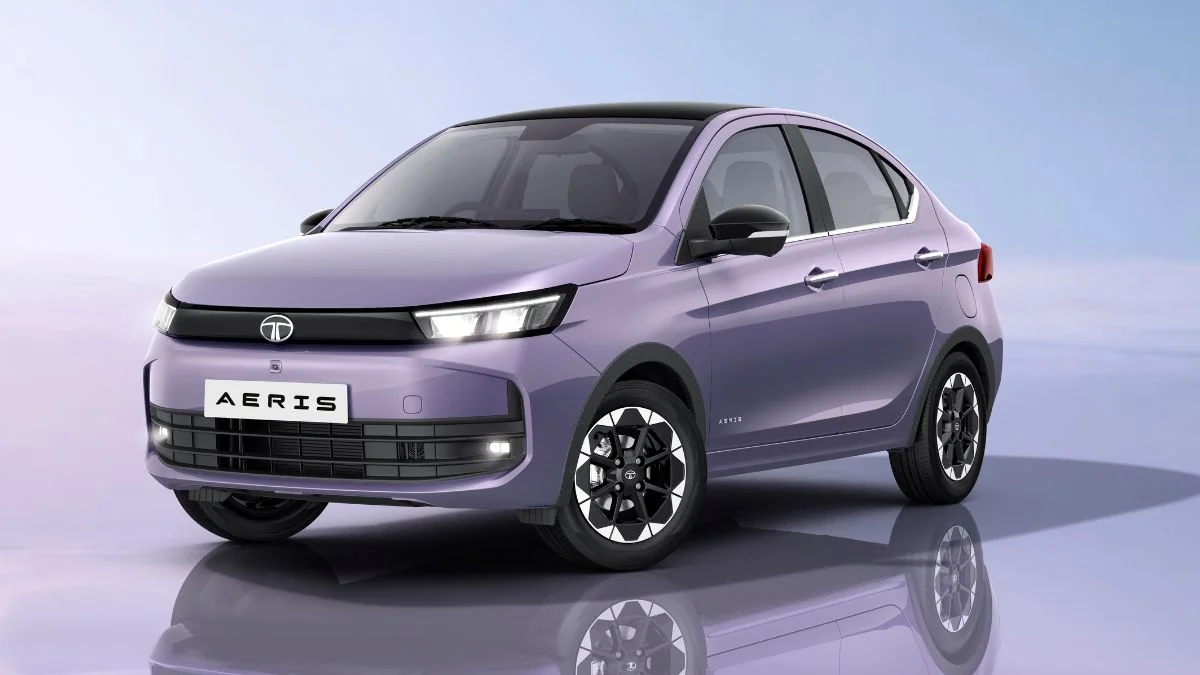
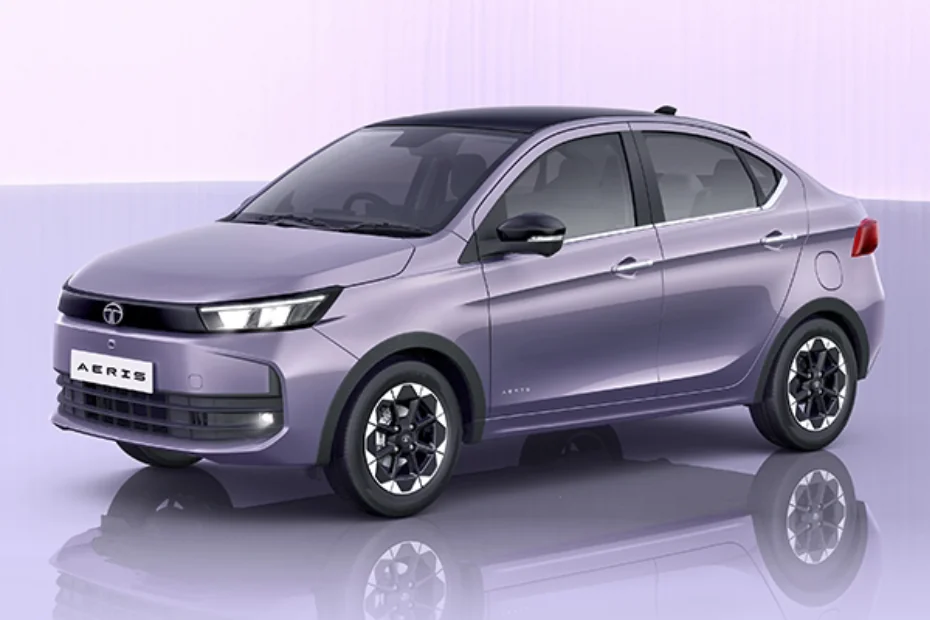
2026 Tata Aeris Launched - Price, Variants, Features
2026 Tata Aeris launched at Rs 5.29 lakh with petrol and CNG options. Check Aeris prices, variants, features, engine specs and October 11 deliveries.
Konica Singh
Read More
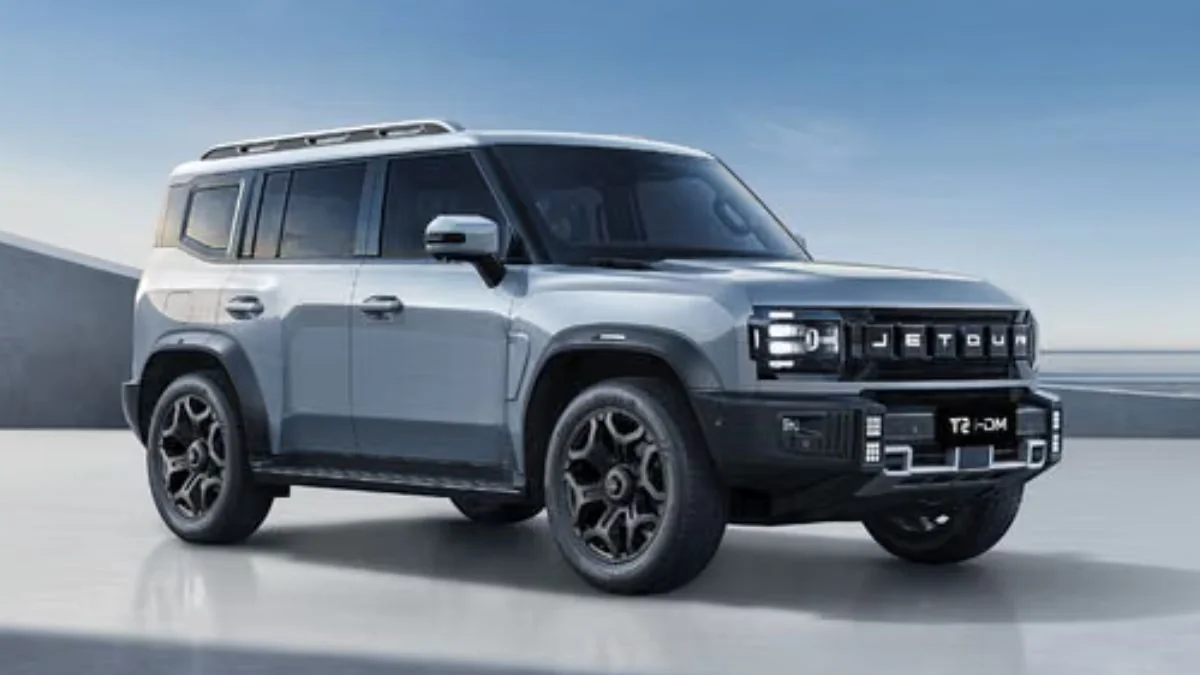
JSW Combat SUV India Launch - Jetour T2-Based SUV Details
JSW Combat SUV is expected to launch in India in December 2026. Based on Jetour T2, it could get a PHEV powertrain and cost around Rs 30 lakh.
Konica Singh
Read More


ADVERTISEMENT
ADVERTISEMENT
ADVERTISEMENT
Trending Cars in India

Trusted Dealer
All Over India

Irresistible Offers
Stay Updated, Pay Less

Compare Cars
Choose the Right Car

Easy Finance
Multiple Finance Options


Monday - Saturday

10:00am - 6:30pm

contact@carlelo.com