




By proceeding, I acknowledge that I have read and agreed to the Privacy Policy, Terms & Conditions, consent declaration, and the sharing of my information with lending partners, dealers, OEMs, and for marketing communication via Phone Calls, SMS & WhatsApp.


ADVERTISEMENT

ADVERTISEMENT







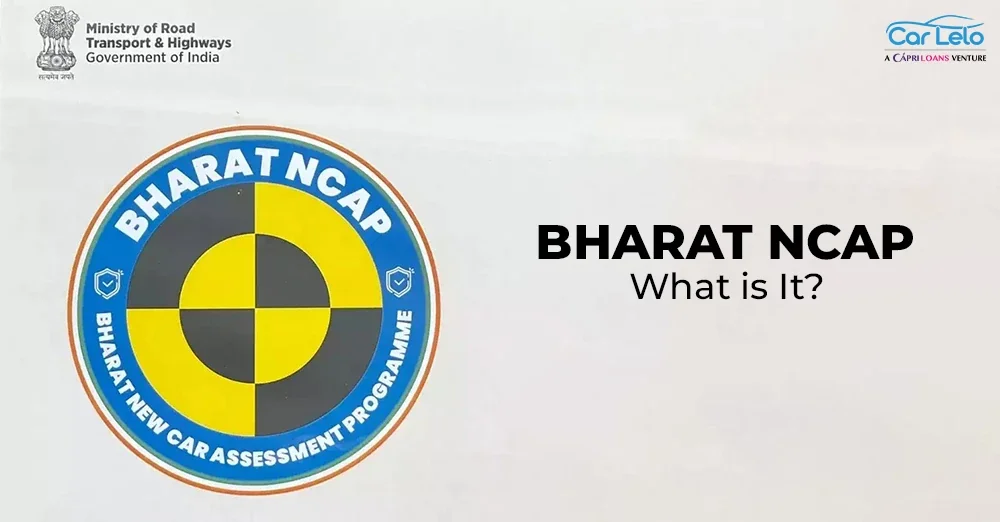
The Bharat New Car Assessment Programme (Bharat NCAP) is an initiative introduced by Nitin Gadkari, Ministry of Road Transport and Highways in India to enhance the safety standards of vehicles on Indian roads. Launched on 22 August 2023, Bharat NCAP aims to evaluate the safety performance of vehicles that can accommodate up to eight passengers and should not weigh more than 3500 kg. The government believes that the new crash testing protocol will help increase the safety standard of vehicles sold and exported from India.
Slated to come into effect from 1 October 2023, the Bharat NCAP makes India the 5th country in the world to have a dedicated crash test program after the US, China, Japan and South Korea. According to Gadkari, testing a car through the Bharat NCAP program costs about Rs 60 lakh, while doing a similar test in another country could cost around Rs 2.5 crore.
Types of Crash Testing

When it comes to crash testing, the Bharat NCAP protocols are in line with Global NCAP norms. The program assesses the safety features and crashworthiness of vehicles through comprehensive testing procedures including deformable barrier frontal impact test, pole side impact test, and side impact tests.
The frontal crash test will be done at a speed of 64 kmph while the side and pole-side impact tests will be conducted at 50kmph and 29 kmph, respectively.
Furthermore, Bharat NCAP would make it necessary to install six airbags, 3-point seatbelts for every passenger, electronic stability control (ESC), and improved emergency braking systems.
Under the Bharat NCAP program, Indian automakers will be able to submit their cars for voluntary testing under the Automotive Industry Standard (AIS) 197. Moreover, Bharat NCAP will be in authority to choose and pick cars that are made in India or imported to India from showrooms for crash testing.
Read Also: A List of Top 10 Safest Cars in India According to GNCAP
How are the safety ratings determined for Bharat NCAP?
The Bharat NCAP norms will be applicable for testing and rating vehicles based on their performance. It assigns safety ratings to models, ranging from 0 to 5 stars, with higher stars indicating better safety. In order to receive a 5-star rating, the vehicle has to collect at least 27 points in adult protection and 41 points in child occupant protection. The overall testing standard and rating system have been designed with global standards and in line with the Global NCAP crash testing.
Maruti Suzuki, Mahindra, Toyota gives thumbs up to Bharat NCAP

On the announcement of this new Bharat NCAP, big automakers such as Maruti Suzuki, Toyota, Hyundai and Mahindra have already committed to sending their vehicles for a car crash test program. Over a period of time, other car manufacturers will also ensure to deliver the highest safety standards across their products.
The government has made it clear that the new testing standard is not mandatory for auto manufacturers but a more voluntary approach. To help enhance the impact of Bharat NCAP, Global NCAP has confirmed that it will stop testing cars made in India. This will eliminate any confusion created by two testing standard ratings.
Verdict
By encouraging manufacturers to produce safer vehicles and providing consumers with transparent information about a vehicle's safety performance, Bharat NCAP plays a crucial role in driving improvements in the safety of Indian automobiles, ultimately contributing to the overall road safety ecosystem in the country.
Read Also: Toyota Cars Offering ADAS in India
About Author

Konica Singh
Sub-Editor

Konica Singh is a passionate Automotive Journalist who brings the world of cars to life, from EV trends to exciting new car launches. Backed by 7 years in content creation, she is skilled in writing, editing, and SEO strategy that drives engagement.
Education: MA English (Delhi University)
Social Media: LinkedIn | Instagram | Twitter | Facebook
Email: konica.carlelo@gmail.com
Location: New Delhi
ADVERTISEMENT






















Top Car Brands in India
Trending Car News in India

 Blog
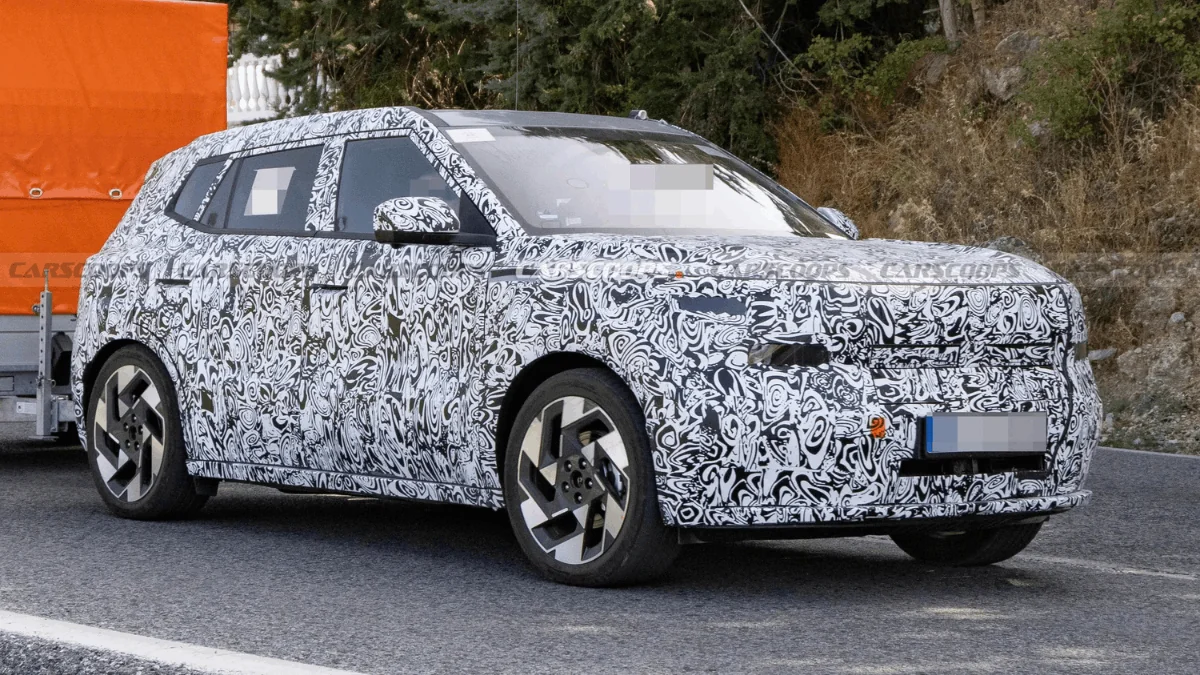
BlogNext-Gen Hyundai Creta Takes Shape: Cleaner Styling and Pleos Connect Tech
The 2027 Hyundai Creta spy images signalling a departure from polarising styling toward a more mature, upright, and traditional SUV silhouette.
Amit Sharma
Read More
 Blog
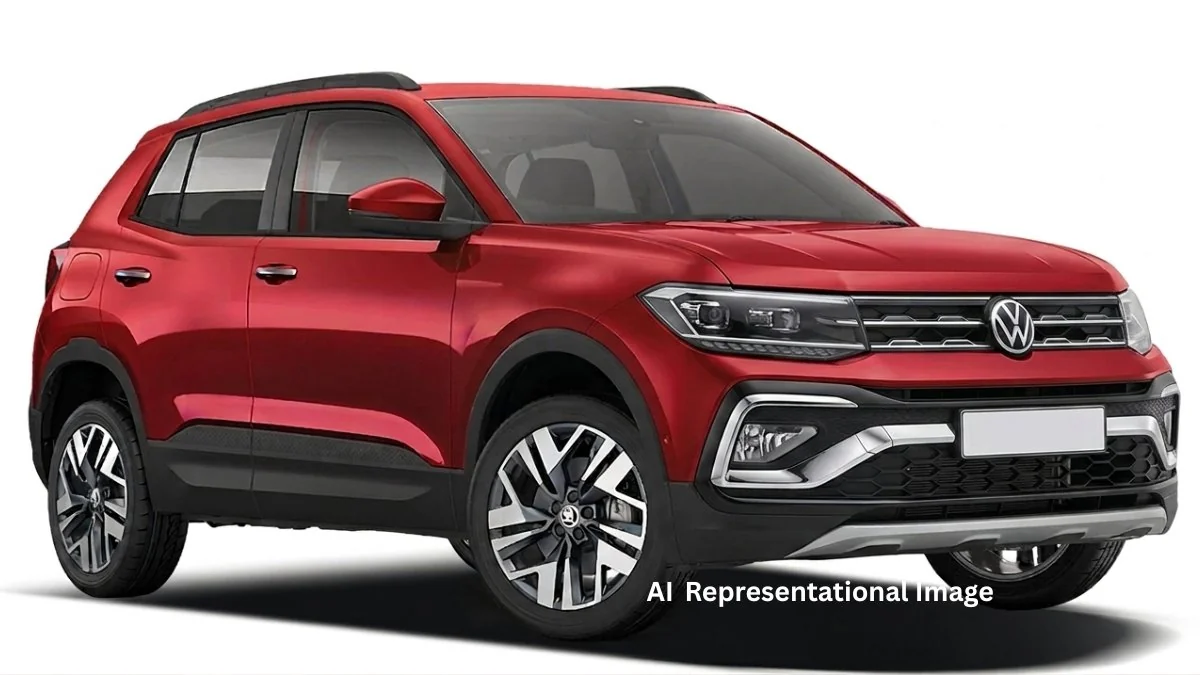
BlogVolkswagen New Sub-4m SUV for India: Launch Timeline and Specs Outlined
To be positioned below the Taigun, the upcoming Volkswagen compact SUV will be launched in the Indian market in 2027. To get 1.0L TSI with an 8-speed AT
Amit Sharma
Read More
 Blog
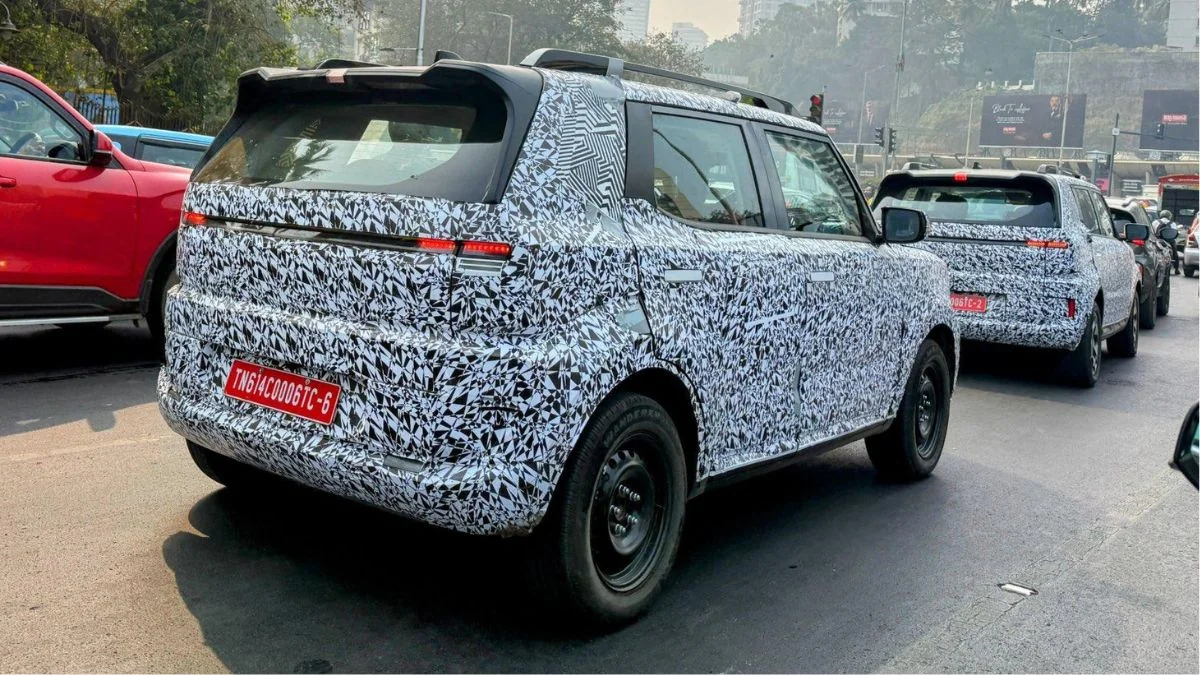
BlogHyundai’s Nexon EV Rival Launch by Year-End; Fast Charging, Pleos Connect
Scheduled to be launched by the end of 2026, the upcoming Hyundai HE1i electric SUV will be manufactured at Hyundai’s Sriperumbudur plant in Tamil Nadu.
Amit Sharma
Read More
 Blog
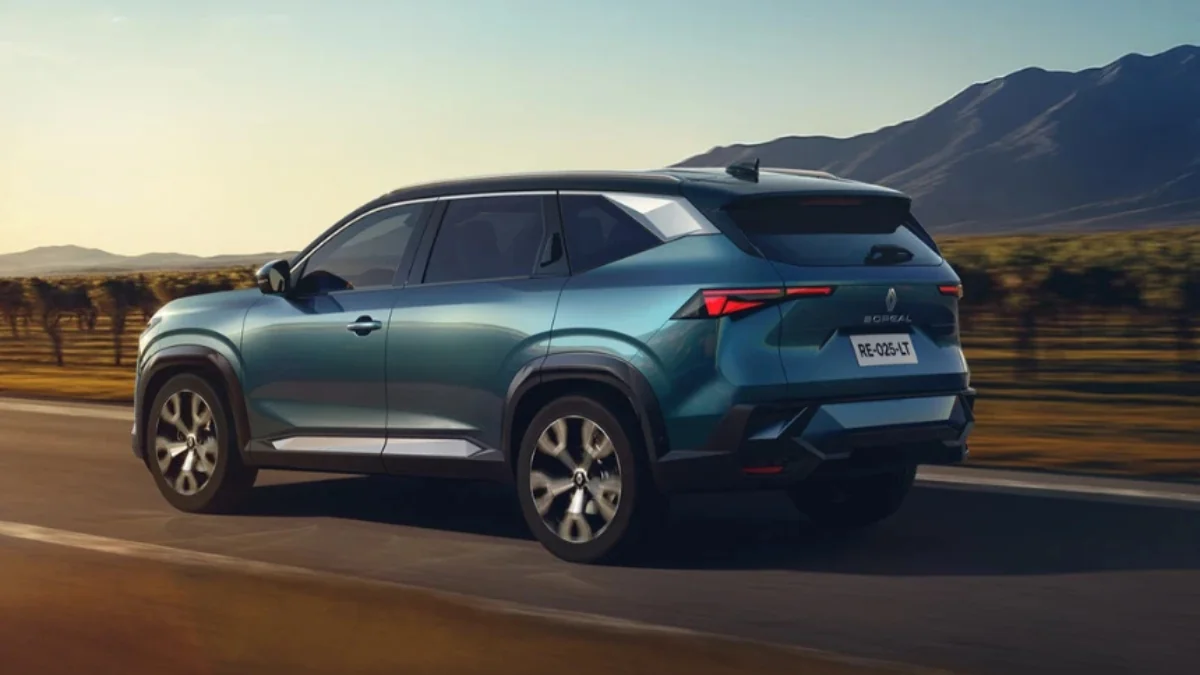
BlogRenault to Launch Bigster 7-Seater and Bridger SUV in 2027 with Hybrid Engines
To increase market share in both high-growth SUV segments, Renault is preparing to launch two new models: a 3-row C-segment SUV and the sub-4 metre Bridger SUV
Amit Sharma
Read More
 Blog
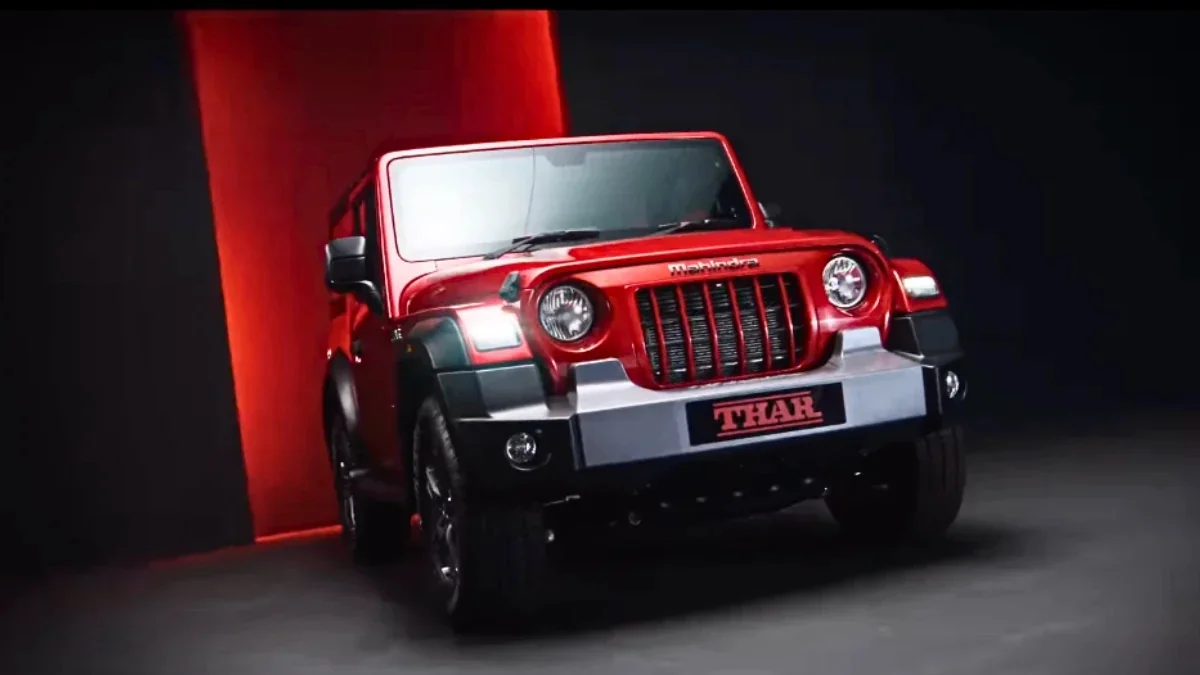
Blog2026 Mahindra Thar 3-Door Facelift Launches Today: Fresh Features
The 2026 Mahindra Thar 3-door facelift will come with a revised front fascia inspired by the Thar Roxx, and new set of comfort and convenience features.
Amit Sharma
Read More
 Blog
Blog7 New Cars Coming to India Soon - SUVs, EVs, CNG MPVs and More
Seven new cars are coming to India soon, including SUVs, EVs, CNG MPVs and facelifted models from Hyundai, Tata, Mahindra, Honda and more.
Konica Singh
Read More
 Blog
BlogNext Big Launch From Honda and Renault
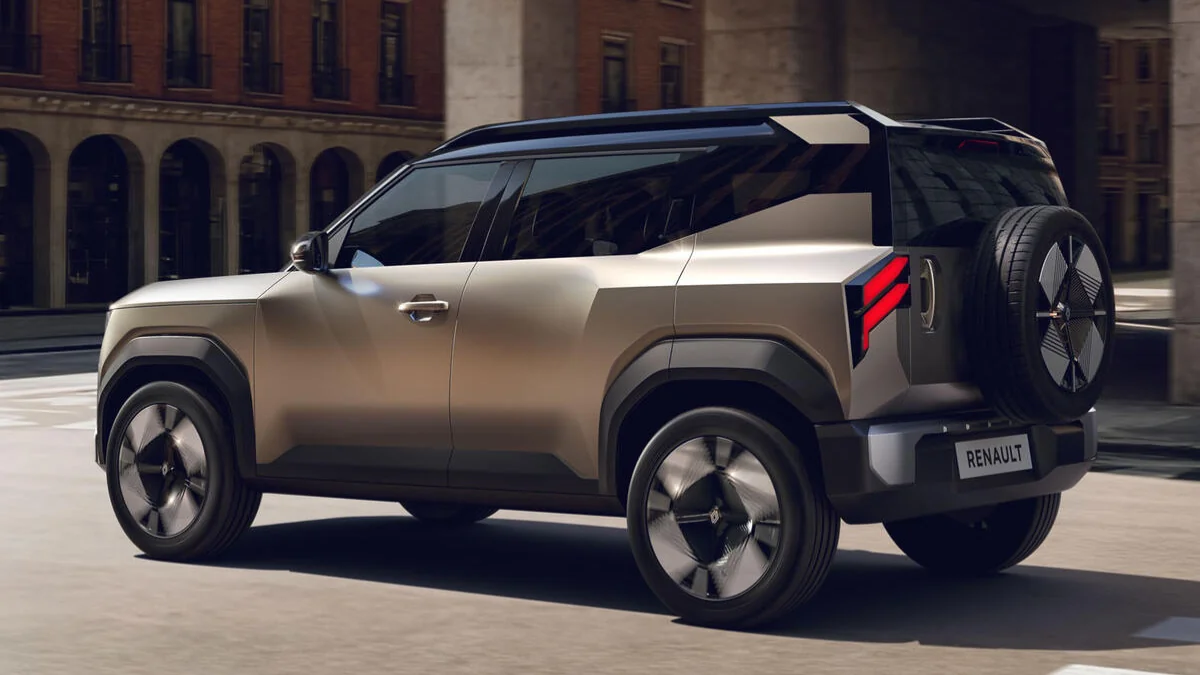
While Honda will introduce the production 0 Alpha electric SUV in India, Renault will introduce an all-new lifestyle SUV, called the Renault Bridger in 2027.
Amit Sharma
Read More


ADVERTISEMENT
ADVERTISEMENT
ADVERTISEMENT
Trending Cars in India

Trusted Dealer
All Over India

Irresistible Offers
Stay Updated, Pay Less

Compare Cars
Choose the Right Car

Easy Finance
Multiple Finance Options


Monday - Saturday

10:00am - 6:30pm

contact@carlelo.com