




By proceeding, I acknowledge that I have read and agreed to the Privacy Policy, Terms & Conditions, consent declaration, and the sharing of my information with lending partners, dealers, OEMs, and for marketing communication via Phone Calls, SMS & WhatsApp.


ADVERTISEMENT

ADVERTISEMENT







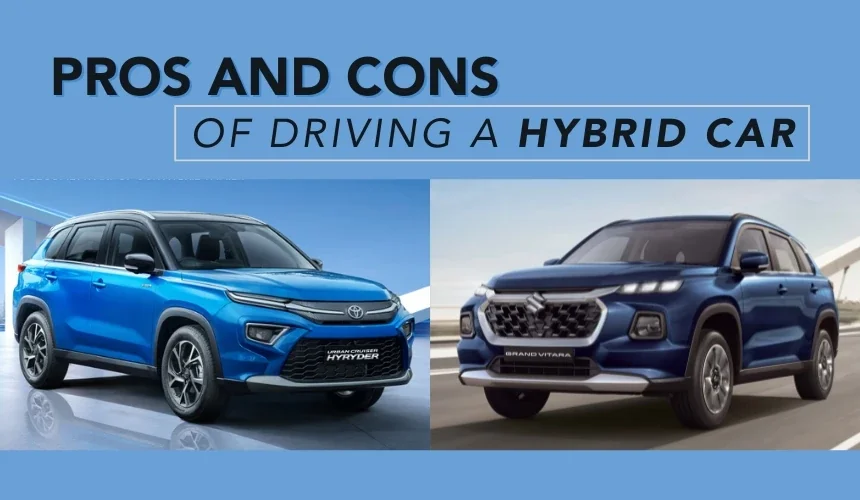
Nowadays, Hybrid cars are becoming very popular as they can be an outstanding option for those who want to go for an electrified version without giving up their comfortable driving experience with fuel power. A combination of both fuel and electricity power for a car gives a unique experience to your driving.
Let's go through some pros and cons of hybrid cars so that you can know if these cars suit your lifestyle and needs.
Benefits of Driving a Hybrid Car
Better Fuel Efficiency
Hybrid cars are designed to optimize fuel usage. The combination of an internal combustion engine and electric motor provides better mileage than conventional cars. Models like the Maruti Suzuki Grand Vitara Hybrid offer impressive mileage, it uses an electric motor in city driving which leads to less fuel consumption.
Environmental Friendly
With its combination engine, Hybrid cars produce lower levels of greenhouse gases which makes them a cleaner option in place of fuel-powered cars. By relying more on the electric motor for low-speed travel that is mostly in the city, reduce tailpipe emission from the car.
Regenerative Braking
Most of the Hybrid models have regenerative braking, which recaptures energy during braking to recharge the car's battery. This feature not only boosts the efficiency of the car but also extends the life span of the brake pads and is very useful for driving in traffic-heavy cities like Mumbai and Bengaluru.
Government Incentives
In India, the government promotes hybrid and electric vehicles through subsidies and tax benefits under schemes like FAME. Hybrid cars may qualify for lower GST rated and reduction in road taxes which makes them more financially viable.
Reduced Dependence on Fossil Fuels
With the electric motor of the hybrid model taking on part of most workload, it helps reduce the dependency on petrol or diesel. This can be a huge advantage in the increasing fuel prices frequently.
Disadvantages of Hybrid Car
Higher Initial Cost
One of the biggest issues with hybrid cars is that they are higher in price as compared to fuel-powered cars. What contributes to this pricing is the advanced technology, dual powertrain, and batteries, which makes the cost high.
Battery Replacement Cost
Even though the manufacturers offer warranties of 6-8 years, a battery replacement can cost quite an amount. Hybrid cars rely highly on advanced batteries and if they are needed to be replaced after the warranty expires it can become a great expense.
Complex Maintenance
Hybrid cars have more advanced and complex systems than the standard ones, which means that they require specialized mechanics and tools for maintenance. Brands do have extensive networks but not all the local mechanics are equipped to handle hybrid-specific repairs, which makes the service cost higher.
Lower Performance for Enthusiasts
Hybrid cars prioritize efficiency and emissions over performance, which makes them not so great for the thrill driving experience. The combined power output is usually lower than that of similarly priced conventional cars.
Heavier Vehicles
Hybrids tend to be heavier than these traditional versions due to the added weight of the battery and dual powertrain. This does impact the handling and acceleration, especially at higher speeds.
Why Should Consider Choosing a Hybrid Car?
City Commuter: The fuel efficiency shines the best in stop-and-go traffic that the city has.
Environmentally Conscious Buyers: Best for those who want to reduce their carbon footprint then this a great start.
Drivers with Moderate Budgets: Even if the hybrids are expensive upfront, they save money on fuel over time.
Urban Dwellers: For people who live in areas with good charging infrastructure hybrid is a great choice.
Conclusion
Hybrid cars offer a great combination of efficiency, eco-friendliness, and advanced technology. However, it does have its drawbacks like higher upfront costs and higher maintenance can be discouraging for some buyers. As the Indian automobile industry moves towards sustainability, hybrid cars offer a solid ground for both fuel engines and electric motors.
If you are also considering buying a hybrid car, it is important for you to keep up with the pros and cons of having it. It is indeed a great choice for those who are seeking a balance between practicality and environmental responsibility.
Also Read: 5 Car Brands with the Best Resale Value
About Author

Ankita Solanki
Sub-Editor

Ankita Solanki is a versatile desk writer who explores the world of automobiles with her writing on the latest industry trends and norms. Combining technical expertise with a reader-friendly approach, Ankita's content is accessible to both car enthusiasts and casual readers.
ADVERTISEMENT








































Top Car Brands in India
Trending Car News in India

 Blog
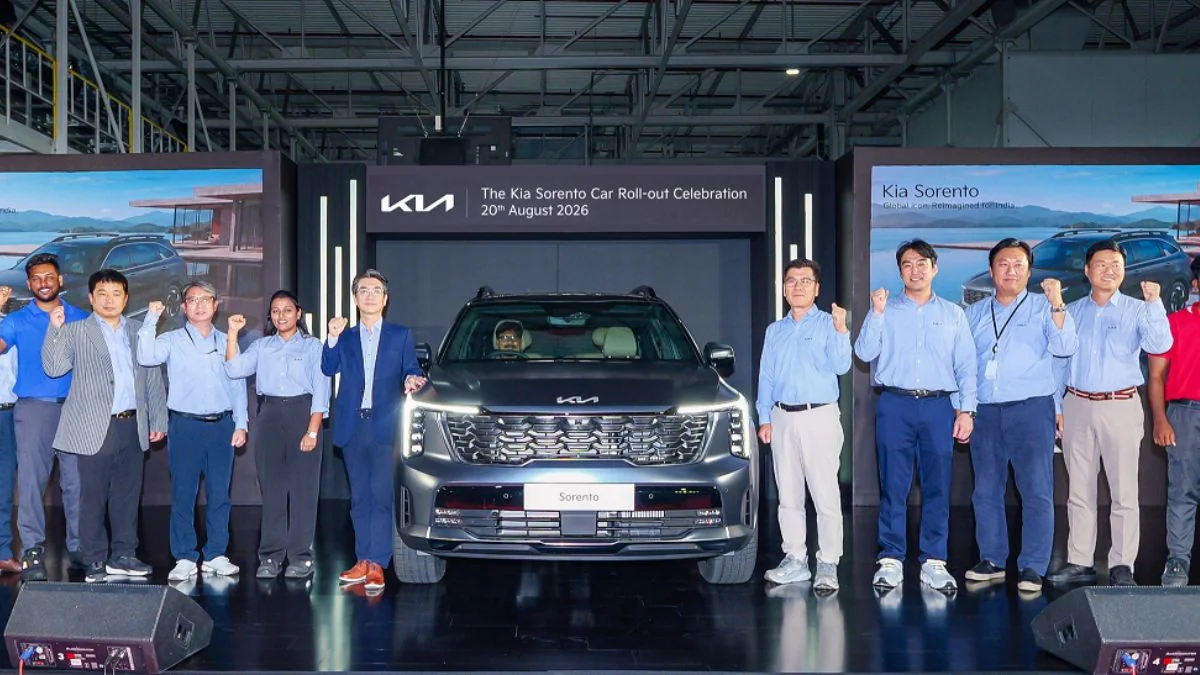
BlogKia Sorento India Launch on September 4 – Hybrid AWD, Diesel and AI Assistant
Kia Sorento will launch in India on September 4 with hybrid AWD and diesel options, local production, three-row seating and a new AI Assistant.
Konica Singh
Read More
 Blog
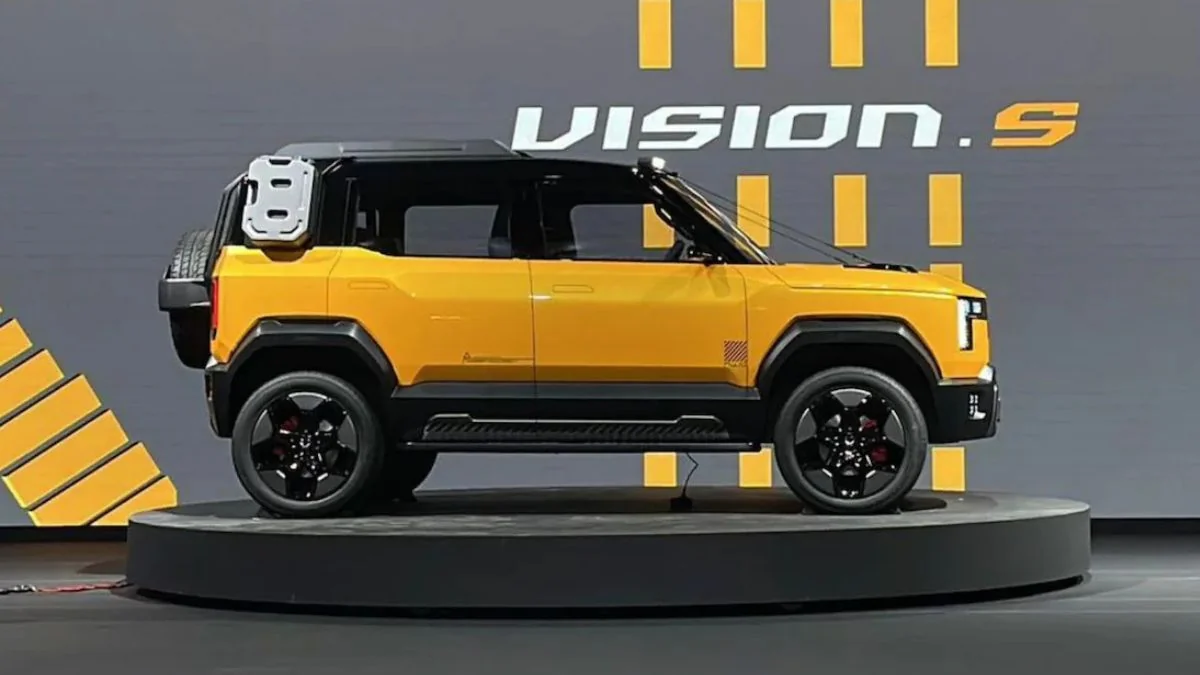
BlogNew Mahindra SUVs, Pickups and EVs Coming Soon
Mahindra will launch new SUVs, pickups and EVs in India, including the Thar facelift, Vision S, Scorpio Lifestyler and BE 07 electric SUV.
Konica Singh
Read More
 Blog
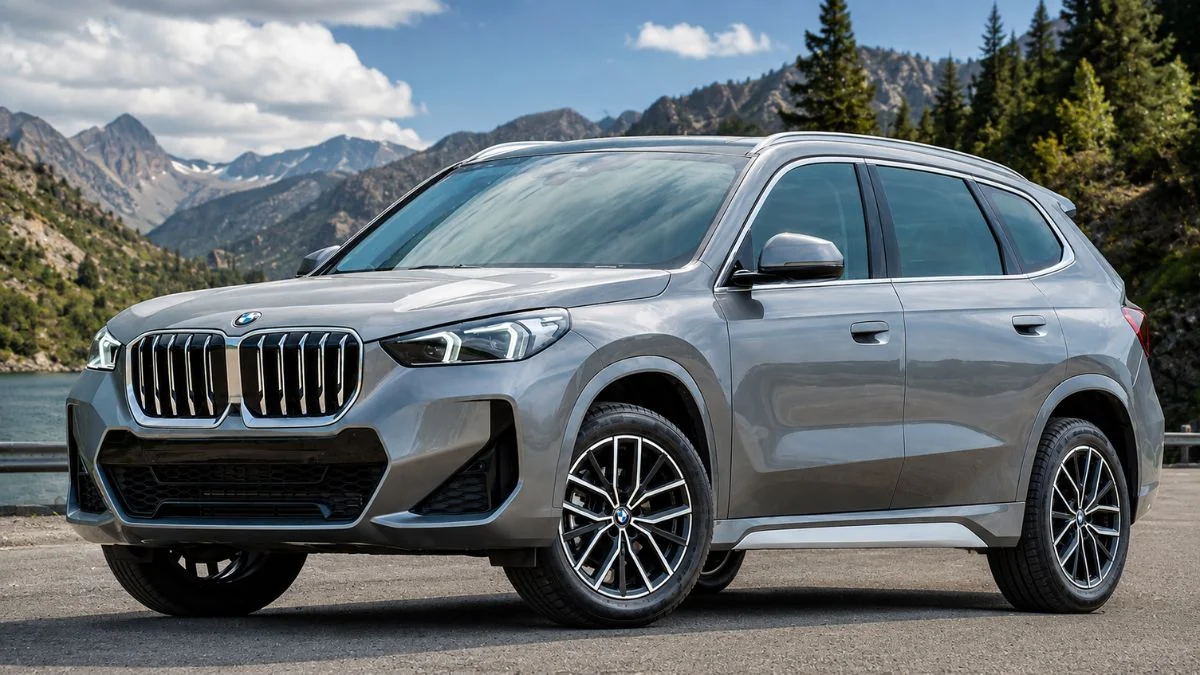
BlogNew BMW X1 LWB – India Launch Date, Engine and Features
New BMW X1 LWB will launch in India on August 21 with a 156bhp petrol engine, more rear space, Level 2 ADAS and premium features.
Konica Singh
Read More
 Blog
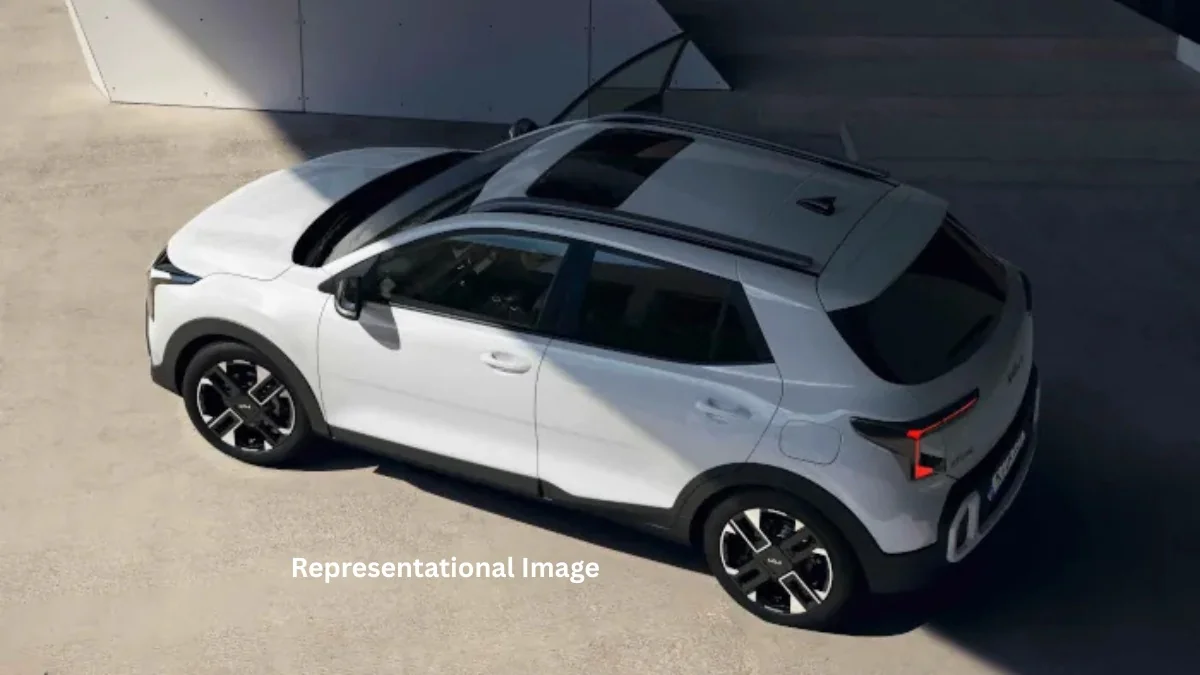
BlogNew Kia B-segment Electric SUV Confirmed - e Vitara Rival
The upcoming Kia B-segment electric SUV will be developed and made locally, and is scheduled to be launched by 2029. To be positioned between Sonet and Seltos.
Amit Sharma
Read More
 Blog
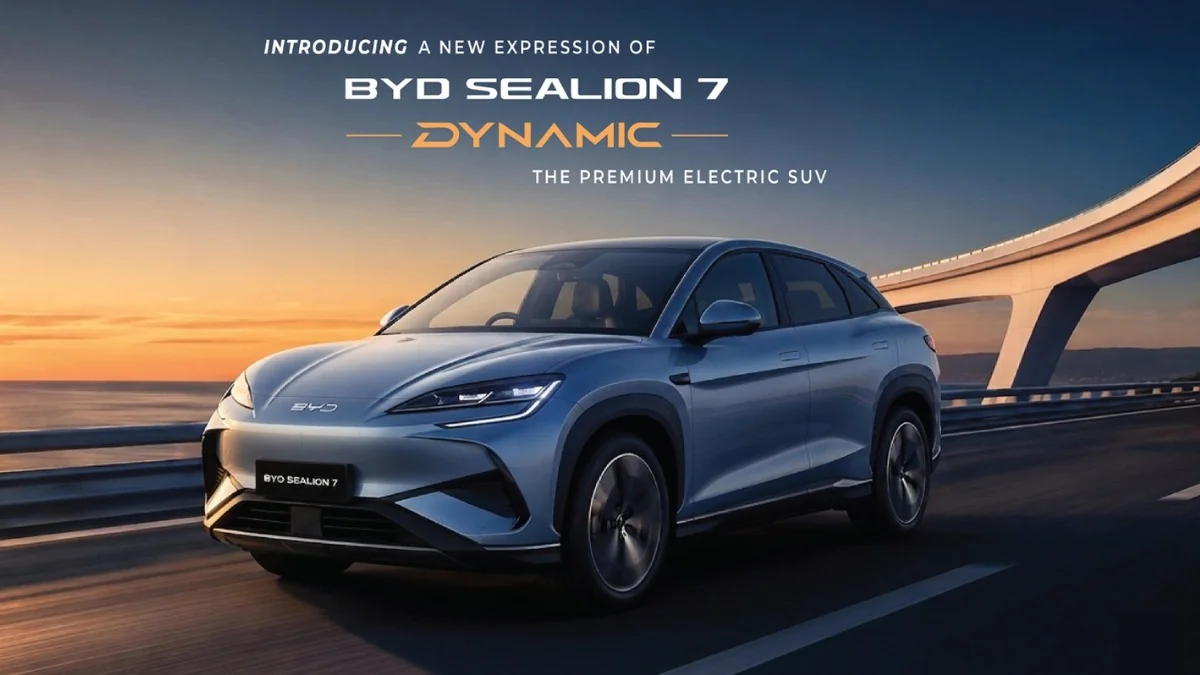
BlogBYD Sealion 7 Dynamic Launched at Rs 41.90 Lakh; Smaller Battery, 520km Range
Available at an introductory price tag of Rs 41.90 lakh, the BYD Sealion 7 Dynamic variant gets a smaller 71.8 kWh battery pack with a claimed range of 520km.
Amit Sharma
Read More
 Blog
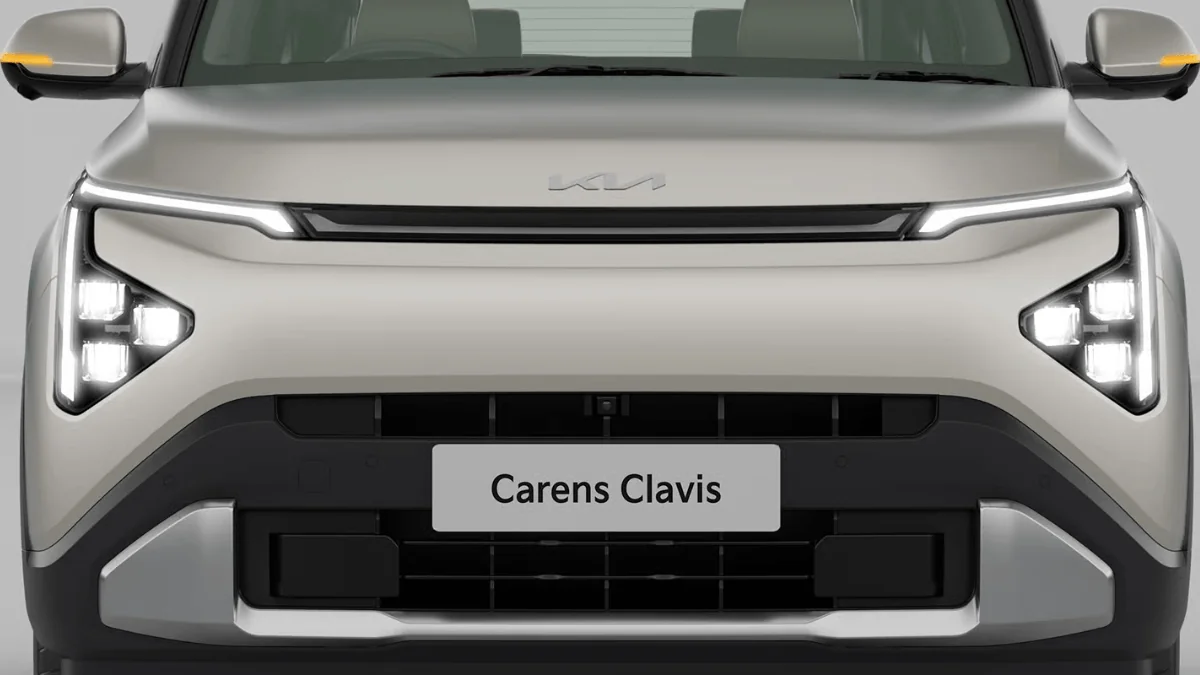
BlogKia India Confirms Sonet, Clavis and Seltos Hybrids - Launch Timeline Out
The next-generation Kia Sonet and Carens Clavis along with the new Seltos will also receive a strong hybrid engine in the Indian market by 2029.
Amit Sharma
Read More
 Blog
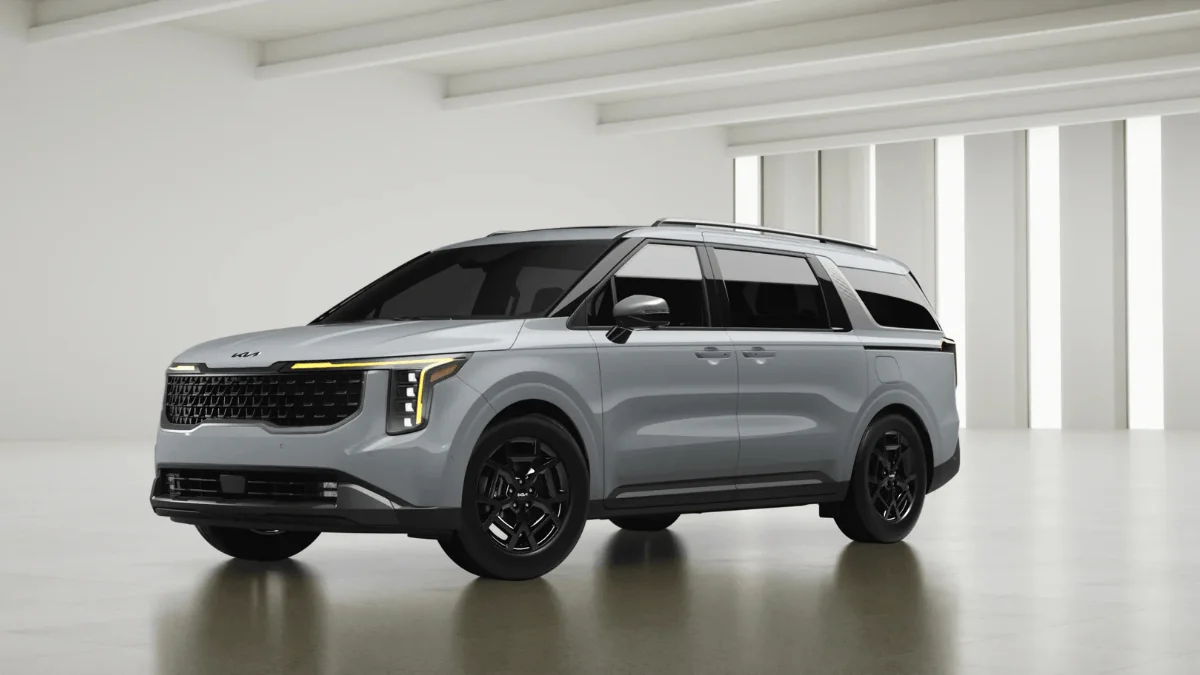
BlogKia India Confirms 5 Hybrid Cars: 2 Launching Within Weeks
Kia has confirmed that it will launch 5 hybrid vehicles in the Indian market - Sorento and Carnival HEVs launch in 2026, Sonet and Clavis Hybrid Confirmed
Amit Sharma
Read More


ADVERTISEMENT
ADVERTISEMENT
ADVERTISEMENT
Trending Cars in India

Trusted Dealer
All Over India

Irresistible Offers
Stay Updated, Pay Less

Compare Cars
Choose the Right Car

Easy Finance
Multiple Finance Options


Monday - Saturday

10:00am - 6:30pm

contact@carlelo.com