




By proceeding, I acknowledge that I have read and agreed to the Privacy Policy, Terms & Conditions, consent declaration, and the sharing of my information with lending partners, dealers, OEMs, and for marketing communication via Phone Calls, SMS & WhatsApp.


ADVERTISEMENT

ADVERTISEMENT








The improvements in fuel efficiency of your Mercedes Benz will save money on the pump as well as lower your car's impact on the environment. Luckily, to do all this, one does not need any special tools or complicated procedures to be done to the car to make it run more efficiently.
Here is a simple guide to assist you in getting the most from every gallon of fuel.
1. Keep Your Tyres Properly Inflated
Arguably, the most convenient ways of improving fuel efficiency relate to making sure your tyres are properly inflated. If properly inflated, tyres would provide greater rolling resistance and, hence, make the work of your engine more difficult by pumping extra fuel. The habit of looking in on the tyre pressure should be kept at least monthly, keeping it inflated to recommended levels mentioned in the owner's manual of your vehicle or inside the driver's side door on a sticker.
2. Replace Spark Plugs Periodically
Spark plugs ignite the fuel-air mixture inside your engine. After some time, they wear out or get dirty and cause incomplete combustion, hence reducing fuel efficiency. Replace your spark plugs according to your Mercedes-Benz service schedule from 30,000 to 50,000 miles apart to ensure the engine is smooth and has good fuel economy.
3. Replace the Air Filter
Now, the air filter should always be clean for an engine's improved performance. It helps the engine get the right amount of clear air that is required for its combustion. When this air filter becomes clogged up or dirty, the flow of air will be restricted, and the engine consequently will be put under further strain, which will lead to its increased fuel consumption. All of this usually needs to be replaced every 12,000 to 15,000 miles or whatever mile interval the manufacturer of your car suggests.
4. Alignment of Wheels
Misaligned wheels can pull your car to one side or create uneven tyre wear that increases rolling resistance hence increasing fuel consumption. Regular checking and adjustment of wheel alignment prevent the uneven wear and tear of the tyres, which in turn increases fuel efficiency. Have the alignment checked in case you experience problems with the steering or uneven wear and tear of the tyres.
5. Replace Broken or Missing Spoiler
If your car is supposed to have a rear spoiler and it gets either damaged or lost, it affects the car's aerodynamics; in other words, increases fuel consumption. However, a fully integrated spoiler can do much to reduce the drag created by aerodynamics since the air running over your car is in turmoil. So, in case of a damaged spoiler, you would want to look into its replacement for the increased inbuilt aerodynamic impact, which saves your fuel.
6. Replacing Oxygen Sensors
Basically, the oxygen sensors track down the availability of oxygen in the waste gases and enable the engine to regulate the mixture of air and fuel properly. If the oxygen sensors go bad, combustion of fuel may not be apt, and thus fuel starts consuming more than usual consumption. They are those kinds of parts that proper working is a must if the running of the engine is to be done properly. For this, one must replace them on time.
7. Replacing Thermostat
It regulates the coolant temperature of your vehicle. If this becomes corrupted, then you're sure to face one of two extremes: an overheated or an overcooled engine. This also affects fuel economy. Replace it if you notice that your temperature gauge fluctuates excessively or if it's taking longer than usual for your car to heat up.
8. Cabin Air Filter Replacement
Although the cabin air filter does not directly influence performance, it is quite helpful in maintaining quality air inside your vehicle. A clean cabin air filter allows the air conditioning to work with at least possible inefficiency, which again influences fuel consumption indirectly. This needs replacement regularly after every 15,000 to 20,000 miles.
9. Check Brakes for Drag
Dragging or partially applied brakes introduce friction to your engine, making it burn more fuel. You can prevent this by periodically having your brakes inspected if you suspect they are sticking or dragging. Good brakes mean smooth driving and better economy.
10. Regular Oil Change
More importantly, a regular oil change keeps the owner informed about the efficiency of the engine of the vehicle. Fresh, clean oil reduces friction among moving parts of the engine and gives way to the smooth running of the motor, hence yielding a better economy in fuel. Do regularly change the oil, so it should be every 5,000 to 7,500 miles, or whenever the manufacturer recommends, whichever of the two comes earlier, except when you drive under extreme conditions.
Conclusion
Other than this, the maintenance tasks are keeping up with these and making little adjustments that will serve to improve fuel efficiency in your Mercedes-Benz. Besides saving you money at the pump, it's also going to keep your vehicle running longer. What you want is regular maintenance so that your car is always at its best. Follow these to make it part of your routine.
Read Also: How To Choose The Right Mercedes Car For Your Family?
About Author

Kritika Dadhich
Sub-Editor

Kritika Dadhich, a skilled writer who seamlessly juggles her roles as a blogger and poet. With a deep love for cars and a talent for storytelling, she brings fresh insights and captivating narratives. Join her on an exciting journey through the world of automobiles.
ADVERTISEMENT


































Top Car Brands in India
Trending Car News in India

Why fuel efficiency has become a top priority for used car buyers
With running costs rising and daily commutes growing longer, buyers are placing fuel efficiency near the top of their list when choosing a pre-owned car.
Team CarLelo
Read More

Does Zero Depreciation Cover Every Replacement Part after an Accident?
Zero depreciation is an optional add-on on car insurance that changes how depreciation is treated during an admissible own-damage claim.
Team CarLelo
Read More
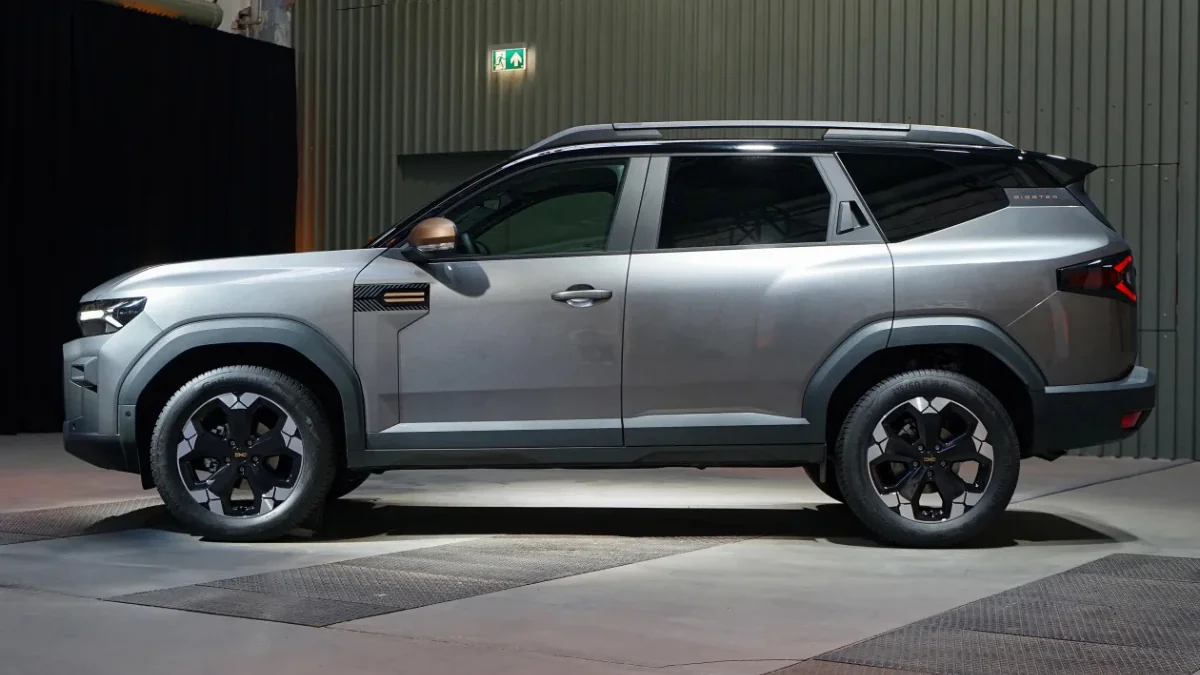
Renault and Nissan to Launch New 7-Seater SUVs in India: Platform and Specs
The upcoming Renault and Nissan 7-seater SUVs will be based on the Renault Global Modular Platform or RGMP, which also underpins the Duster and the Tekton
Amit Sharma
Read More
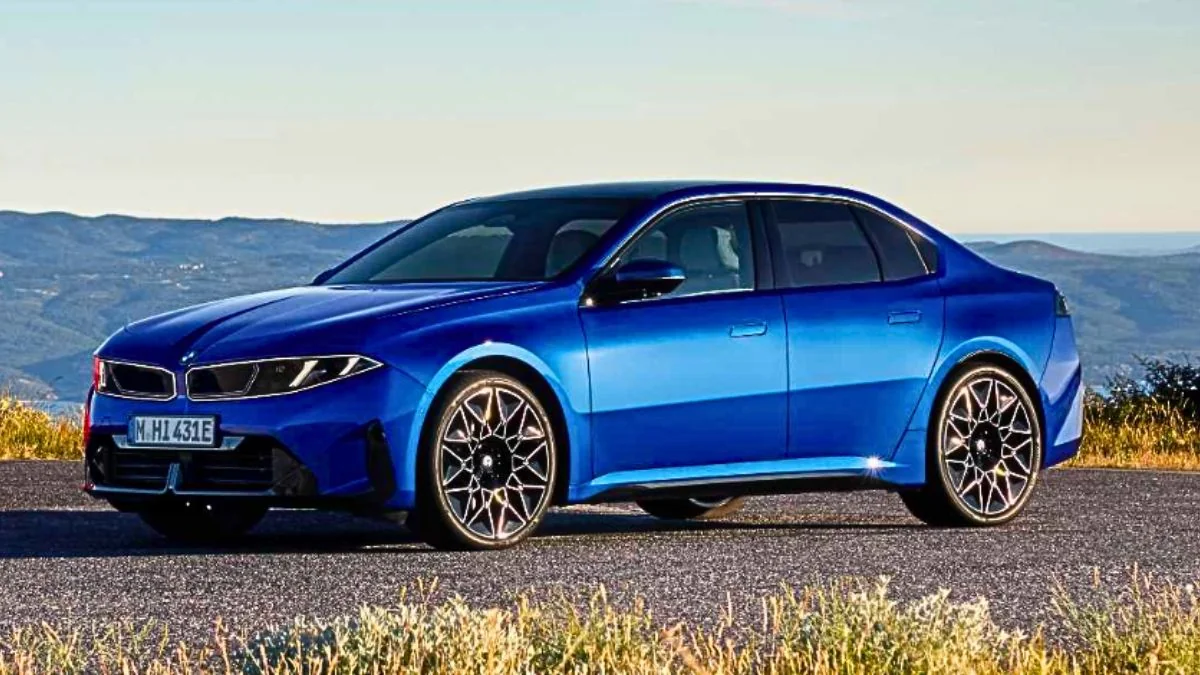
New BMW i3 Revealed – 912 km Range, 469 hp and 400 kW Charging
New BMW i3 revealed with 469 hp, 912 km WLTP range and 400 kW charging. The electric 3 Series also gets 800V and Neue Klasse technology.
Konica Singh
Read More
Honda Elevate Facelift Booking Open – New LED Lights, Bigger Screen and More
Honda Elevate facelift gets new LED lights, a bigger touchscreen and expected features like ventilated seats and a 360-degree camera.
Konica Singh
Read More

5 Facelift Cars Launching This Month – Full Details
Five facelift cars are expected in India this month, including Maybach S-Class, Honda Elevate, Skoda Slavia, Toyota Glanza and Volkswagen Virtus.
Konica Singh
Read More

New Hyundai Bayon Crossover Stance Revealed Ahead of Launch
The teaser confirms that the Hyundai Bayon comes with H-Edge lighting at the rear, mimicking the front. Bookings open at Rs 11,000.
Amit Sharma
Read More






ADVERTISEMENT
ADVERTISEMENT
ADVERTISEMENT
Trending Cars in India

Trusted Dealer
All Over India

Irresistible Offers
Stay Updated, Pay Less

Compare Cars
Choose the Right Car

Easy Finance
Multiple Finance Options


Monday - Saturday

10:00am - 6:30pm

contact@carlelo.com