




By proceeding, I acknowledge that I have read and agreed to the Privacy Policy, Terms & Conditions, consent declaration, and the sharing of my information with lending partners, dealers, OEMs, and for marketing communication via Phone Calls, SMS & WhatsApp.


ADVERTISEMENT

ADVERTISEMENT







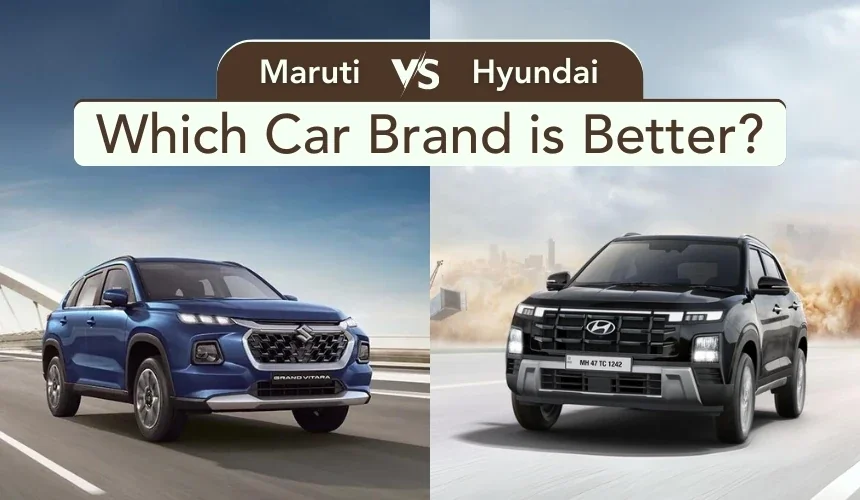
The moment one thinks of buying a car in India, two names pop into the minds, Maruti Suzuki and Hyundai. Multiple options from Maruti Suzuki and Hyundai usually become tricky to choose from, especially with their wide range and decent market presence. Both are reliable and stylish and come up with good performances. However, there could be a few things that matter in your choice. In this blog, we will run through the company overview, vehicle segment, specific models, safety features, and after-sales service to help you make an informed choice.

Overview of Hyundai
Hyundai, a South Korean carmaker, has been making waves in the global car market since its start in 1967. This Korean company has managed to stand out in the automobile industry with its stylish design and advanced technology, coupled with value-for-money vehicles. Hyundai entered the Indian market in 1996. Most of their cars boast pretty modern features that are known to possess good build quality, thereby positioning them in India as one of the essential companies.
Overview of Maruti Suzuki
Maruti Suzuki is a joint venture between the Indian company Maruti Udyog Limited and the Japanese Suzuki Motor Corporation. The company has been the leader in the Indian car market since the 1980s. Its brand image for affordability and reliability wraps it up with its huge service network. All Maruti Suzuki vehicles have the common brand image of being fuel-efficient and low on maintenance costs.
Segment Comparison: Hyundai vs. Maruti Suzuki

|
Basis |
Maruti Suzuki |
Hyundai |
|
Hatchback |
Swift, Baleno, Wagon R, Alto K10, Celerio, Ignis, S-Presso, Wagon R tour, Alto 800 tour |
i20, Grand i10 Nios, i20 N-Line |
|
Sedan |
Desire, Ciaz, and Swift Dezire Tour |
Verna, Aura |
|
MUV |
Ertiga, XL6, Invicto, and Ertiga Tour |
- |
|
SUV |
Brezza, Fronx, Jimmy, and Grand Vitara |
Creta, Venue, Exter, Alcazar, Tuscon, Creta N-Line, Venue N-Line |
|
Electric |
- |
Kona Electric, IONIQ 5 |
|
Pickup Trucks & Mini Vans |
Super Carry, Eeco, and Eeco Cargo |
- |
Now, if one compares Maruti Suzuki with Hyundai, vehicle offerings differ across categories. Maruti Suzuki offers hatchbacks such as Swift, Baleno, Wagon R, Alto K10, Celerio, Ignis, S-Presso, Wagon R Tour, and Alto 800 Tour. At the same time, Hyundai has the i20, Grand i10 Nios, and Sporty i20 N-Line. Under sedans, Maruti Suzuki offers the Dzire, Ciaz, and Swift Dzire Tour. On the other hand, in its portfolio, Hyundai has Verna and Aura.
In the line-up of Maruti Suzuki, MUVs include the Ertiga, XL6, Invicto, and Ertiga Tour. There are no MUV offerings in the Hyundai model lineup. Maruti Suzuki sells models in this category, including the Brezza, Fronx, Jimny, and Grand Vitara, while Hyundai has a more diversified offering via the Creta, Venue, Exter, Alcazar, Tucson, and N-Line variants.
Added to this, Maruti Suzuki does not have, as of now, electric vehicles across its platform, while Hyundai has Kona Electric and IONIQ 5. Last but not least, pickup trucks or minivans like the Super Carry, Eeco, and Eeco Cargo are also offered by Maruti Suzuki, this is an area Hyundai has no offering.
Safety Features
|
Hyundai |
Maruti Suzuki |
|
Standard Airbags |
Standard Airbags |
|
Electronic Stability Control |
ISOFIX |
|
Hill Start Assist Control |
ABS with EBD |
|
Tyre Pressure Monitor System |
Electronic Stability Program |
|
ADAS in Venue |
Traction Control |
|
Lane Change Assist |
Hill Hold Assist and Hill Descent Control |
|
Blind Spot Detection with Rear Cross-Traffic Alert |
360-Degree View Camera |
|
Smart Cruise Control with Stop/Start Capability |
Tyre Pressure Monitor System |
Safety is one of the prime reasons for choosing a car, and both Hyundai and Maruti Suzuki have shown improvement in this respect.
The base variants of Hyundai cars usually come with basic features, but more expensive models come equipped with more advanced feature lists as standard. Safety features mainly comprise multiple airbags, ABS with EBD, rear parking sensors, and advanced driver assistance systems available on newer models.
The Maruti Suzuki is improving itself in terms of safety. The basic ones may come with the most basic features, like airbags and ABS. More safety features are fitted into higher trims. Maruti Suzuki has gradually increased the safety features of its fleet, like ABS with EBD, traction control, hill hold assist, ISOFIX, crumple zone, and more.
After-Sales Services and Support

Both of these car brands have decent after-sales support. Hyundai is known for its comprehensive warranty packages and decent customer service. The service network of Hyundai is expanding and generally efficient with support. They have a large number of authorized service centers at their disposal.
Maruti Suzuki, with the largest service network across India, found that after-sales support happened to be very accessible. Their large network also translated to quicker servicing and lower maintenance costs.
Conclusion
This is between Maruti Suzuki and Hyundai as the last pick, and it is on preference grounds that you hold. The Maruti Suzuki price range starts from Rs. 4.45 lakh to Rs. 29.09 lakh, from the cheapest model to the top model. The Hyundai price range starts from Rs. 5.92 lakh to Rs. 46.05 lakh, base model to top model. If budget-friendly, trustworthy, and economical cars are what you are looking for, then it will be the car brand of Maruti Suzuki. Looking for trendy designs, next-generation features, and a feel of premiums, it shall be Hyundai. Both have their strengths and are aimed at different needs. Your choice should be aligned with the best car for you.
Read Also: Best Cars Under Rs. 30 Lakhs in 2024
About Author

Kritika Dadhich
Sub-Editor

Kritika Dadhich, a skilled writer who seamlessly juggles her roles as a blogger and poet. With a deep love for cars and a talent for storytelling, she brings fresh insights and captivating narratives. Join her on an exciting journey through the world of automobiles.
ADVERTISEMENT






















Top Car Brands in India
Trending Car News in India

 Blog
BlogNew BMW 3 Series M350 xDrive to Get 443hp Six-Cylinder Engine
The new BMW 3 Series M350 xDrive will get a 443hp six-cylinder mild-hybrid engine, AWD and a new Drift Moment function. Check out more details.
Konica Singh
Read More
 Blog
BlogNext-gen Hyundai Creta Shows its Original Boxy Shape in Thin Camouflage
Moving away from soft curves, the 2027 Hyundai Creta adopts a boxy silhouette with a more upright, squared-off profile. Launch in early 2027.
Amit Sharma
Read More
 Blog
BlogHyundai Bayon Name Confirmed for New SUV Coming to India
Hyundai has confirmed the Bayon name for its upcoming new SUV in India. More details about its design, features and powertrain will be revealed soon.
Konica Singh
Read More
 Blog
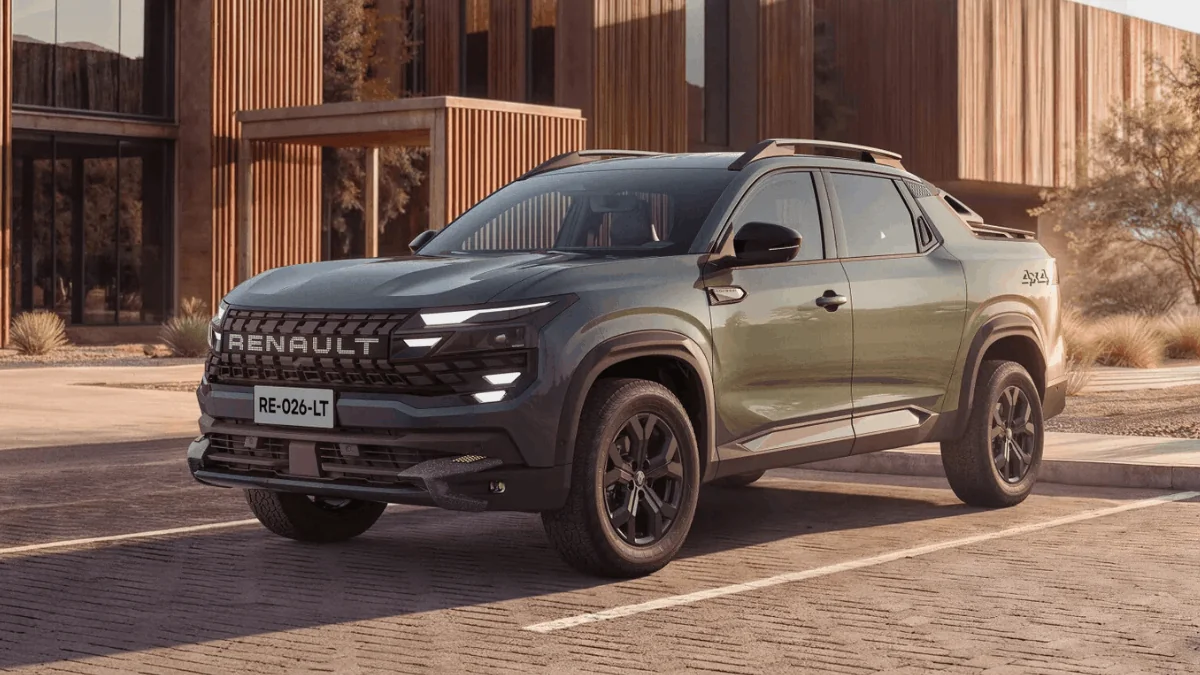
BlogRenault Niagara Revealed: Duster-Based Lifestyle Pickup Truck Unveiled
The Renault Niagara lifestyle pickup is based on the adaptable Renault Group Modular Platform or RGMP, which also underpins the latest-generation Renault Duster
Chhavi
Read More
 Blog
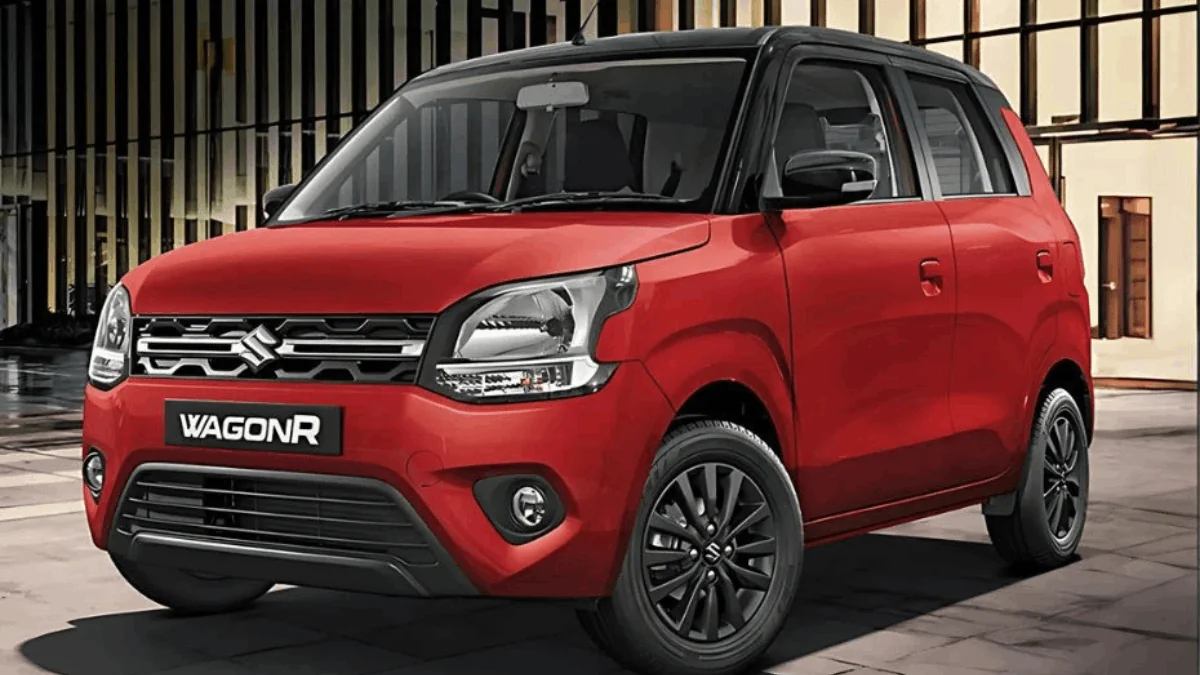
BlogMaruti Wagon R Facelift to Get 1.2L 3-cylinder Engine, Underbody CNG
The upcoming Maruti Wagon R facelift is likely to be powered by an 81bhp, 1.2L, 3-cylinder, naturally-aspirated petrol engine paired either with a 5MT or an AMT
Chhavi
Read More
 Blog
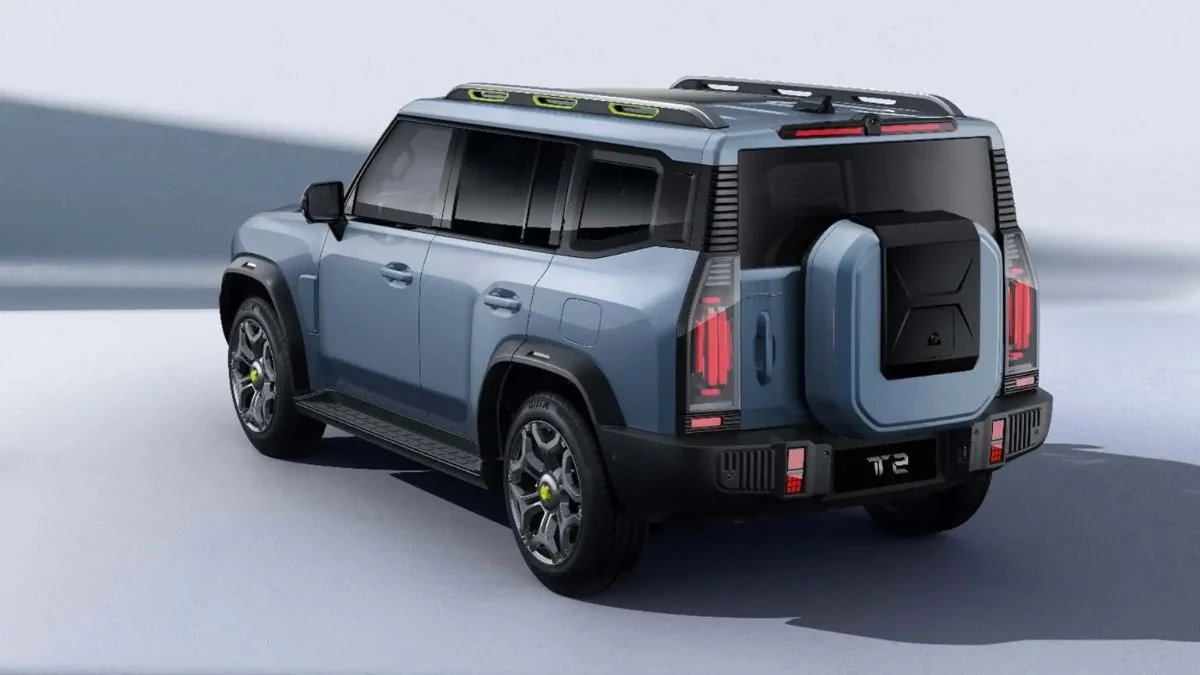
BlogJSW Motors Chooses 'Combat' Nameplate for Jetour T2 PHEV SUV
The upcoming JSW Combat will be a five-seater plug-in hybrid SUV (PHEV), and is based on the global Chery Jetour T2; likely to launch by festive season, Diwali.
Chhavi
Read More
 Blog
BlogNew Toyota Glanza Confirmed for October 14 Launch: ADAS, Ventilated Seats and New Engine
Scheduled to be launched on October 14, 2026, the new Toyota Glanza facelift will get refreshed design, LEVEL 2 ADAS and a brand-new engine.
Chhavi
Read More


ADVERTISEMENT
ADVERTISEMENT
ADVERTISEMENT
Trending Cars in India

Trusted Dealer
All Over India

Irresistible Offers
Stay Updated, Pay Less

Compare Cars
Choose the Right Car

Easy Finance
Multiple Finance Options


Monday - Saturday

10:00am - 6:30pm

contact@carlelo.com