







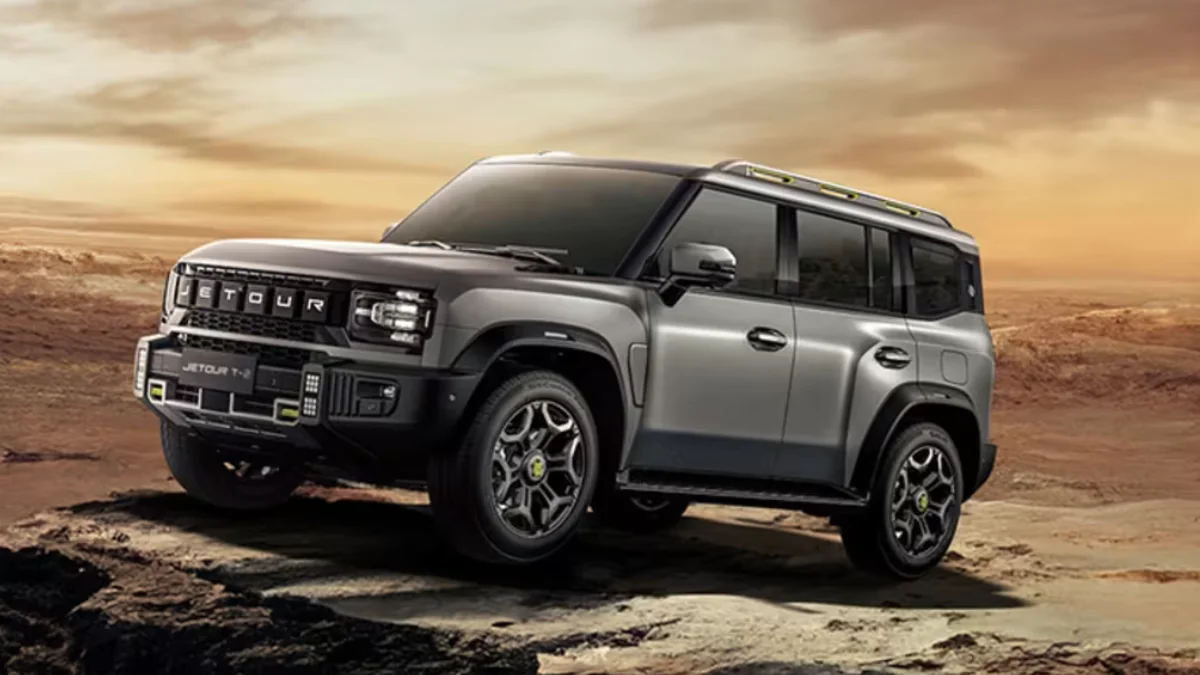
JSW Motors is all set to begin its journey as an independent carmaker in the Indian market with the all-new Combat PHEV (plug-in hybrid electric vehicle) SUV. The model will make its India debut on December 4, 2026, followed by its market launch next year. The JSW Combat will be assembled at the company’s Chhatrapati Sambhajinagar facility in Maharashtra.
The upcoming JSW Combat will be based on the global Jetour T2 i-DM, and is expected to retain the boxy and rugged styling. However, a few market-specific design changes are expected. The SUV could feature a differently designed headlamps, a new grille and revised bumpers.
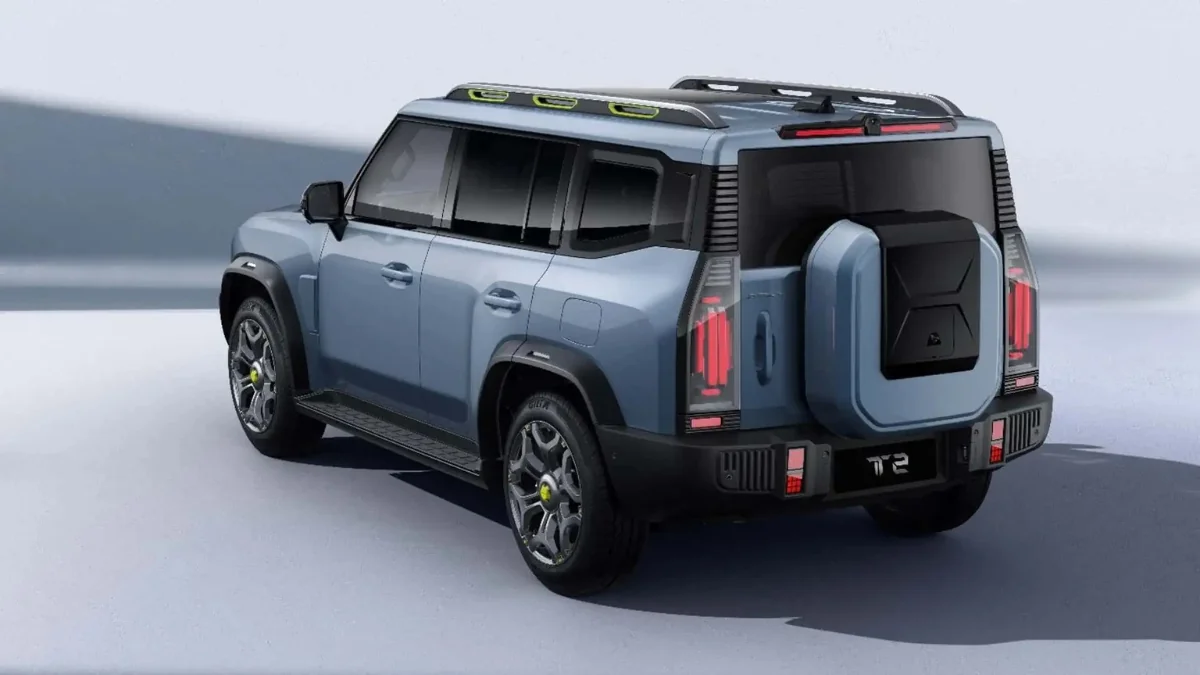
Other styling highlights might include square LED headlamps, 20-inch alloy wheels, pronounced wheel arches, roof rails, tailgate mounted spare wheel and vertically positioned LED taillamps. Dimensionally, the T2 measures 4,785mm in length, 2,006mm in width and 1,875mm in height. The SUV has a wheelbase of 2,800mm and a ground clearance of 205mm and a fuel tank capacity of 70-litres.
Spy images suggest that the Combat will feature an upright dashboard, a large central touchscreen infotainment system and a four-spoke steering wheel. The Jetour T2 i-DM comes equipped with a 10.25-inch digital instrument cluster, ventilated front seats, a 12-speaker Sony sound system, a panoramic sunroof, driver’s seat memory function, electrically adjustable front seats and more.
In terms of safety, the Combat is expected to offer six airbags, electronic stability control, hill start assist, hill descent control, tyre pressure monitoring system, a 540-degree camera system and Level 2 ADAS suite.
Expected battery capacity
The Combat is expected to share its powertrain with the Jetour T2 i-DM. The T2 i-DM comes with a 1.5-litre turbo petrol engine paired with two electric motors and an 18.4kWh battery pack. Its combined power and torque outputs stand 360bhp and 610Nm, respectively.
The PHEV could be offered with a 3-speed dedicated hybrid transmission. The global-spec T2 is available with both front-wheel drive (FWD) and all-wheel drive (AWD) configuration, while the Combat in India is expected to offered with an FWD system.
The global Jetour T2 i-DM supports both 6.6kW AC and 50kW DC fast charging options. It takes around 3 hours to charge from 30% to 100% using an AC charger, while DC fast charging can juice up the battery from 30% to 80% in around 27 minutes.
Claimed electric-only range
The Jetour T2 i-DM offers an electric-only range of 90km (NEDC). The upcoming Combat is expected to deliver a similar range. However, the actual distance will depend on multiple factors such as road conditions, traffic, speed, driving style, sped and passenger load.
Combined driving range
Similar to the Jetour T2 i-DM, the upcoming JSW Combat is likely to deliver a combined range of up to 1,100km with a full fuel tank. However, the official figure for the JSW Combat is yet to be announced.
How a plug-in hybrid works?
A plug-in hybrid electric vehicle (PHEV) uses an internal combustion engine and one or two electric motors along with a battery pack that can be charged using an external power supply. The battery powers to the electric motor, allowing the vehicle to run in an electric-only mode.
In hybrid mode, the petrol engine and electric motor work together, depending on driving conditions and the battery’s charge level. When the battery depletes or additional power is required, the petrol engine helps to drive the vehicle. PHEVs come with a regenerative braking system that recovers some energy during deceleration and braking, and transfers it back to the battery.
The India-spec Combat is likely to feature a 1.5-litre turbo petrol engine and two electric motors.
Factors that affect real-world range
The real-world range of the JSW Combat will depend on several factors including driving speed, usage of the AC, traffic conditions, passenger and luggage load, tyre pressure, battery temperature, driving style and road conditions. Its combined range will also vary with the overall fuel consumption, battery charge, fuel tank capacity and the way the vehicle switches between electric and petrol power.
Differences between certified and real-world results
The Combat’s claimed range is expected to be similar to the Jetour T i-DM, which offers 90km electric range on the NEDC (New European Driving Cycle) cycle. NEDC is an older lab-based testing procedure used to measure vehicle range, energy consumption and emissions. Vehicles are usually tested under standardised testing conditions for measuring their certified figures. However, the real-world range may different from driving conditions.
Also See - Maruti Victoris CNG Vs Strong Hybrid: Running Cost and Financial Breakdown
About Author

Chhavi
Sub-Editor

Chhavi Kaushik is a seasoned content writer with over a decade of experience, beginning her career in 2010. Her fascination with automobiles led her to the industry in 2014. As a freelancer, She has contributed to some of the most reputed online automotive publications, consistently delivering fresh updates on the latest automotive events, product launches, car reviews, and critical industry insights.




































Top Car Brands in India
Trending Car News in India

BYD Atto 2 India Launch Likely in 2027 - First Details
BYD Atto 2 is expected to launch in India in 2027. Here's a look at its design, features, battery, range and expected rivals.
Konica Singh
Read More
Next-gen Hyundai Creta Spotted Testing: All-Wheel Drive and Hybrid Setup Hinted
The next-generation Hyundai Creta will come a strong hybrid powertrain along with an All-Wheel Drive setup for select international markets.
Amit Sharma
Read More
New Toyota Land Cruiser FJ May Get a Much-Needed Diesel Option
The new Toyota Land Cruiser FJ may get a diesel engine in the coming years. The rugged SUV is expected to launch in India in 2028.
Konica Singh
Read More
New Honda Avancier Hybrid SUV to Debut on December 1
Honda will unveil the new Avancier hybrid SUV on December 1, 2026. The seven-seater will introduce next-generation hybrid technology and a fresh design.
Konica Singh
Read More
Mahindra Vision S, BE 07 and Scorpio Lifestyler Launching in First Half of 2027
Mahindra will introduce the production version of the Vision S concept and the BE 07 concept in the first quarter of 2027. Scorpio Lifestyler launch in Q2, 2027
Amit Sharma
Read More
MG Hector Tomahawk EV Gets First Price Hike, Now Costs Rs 75,000 More
MG Hector Tomahawk EV gets expensive by Rs 75,000. Check new electric SUV variant-wise prices, BaaS battery rental and key features
Chhavi
Read More
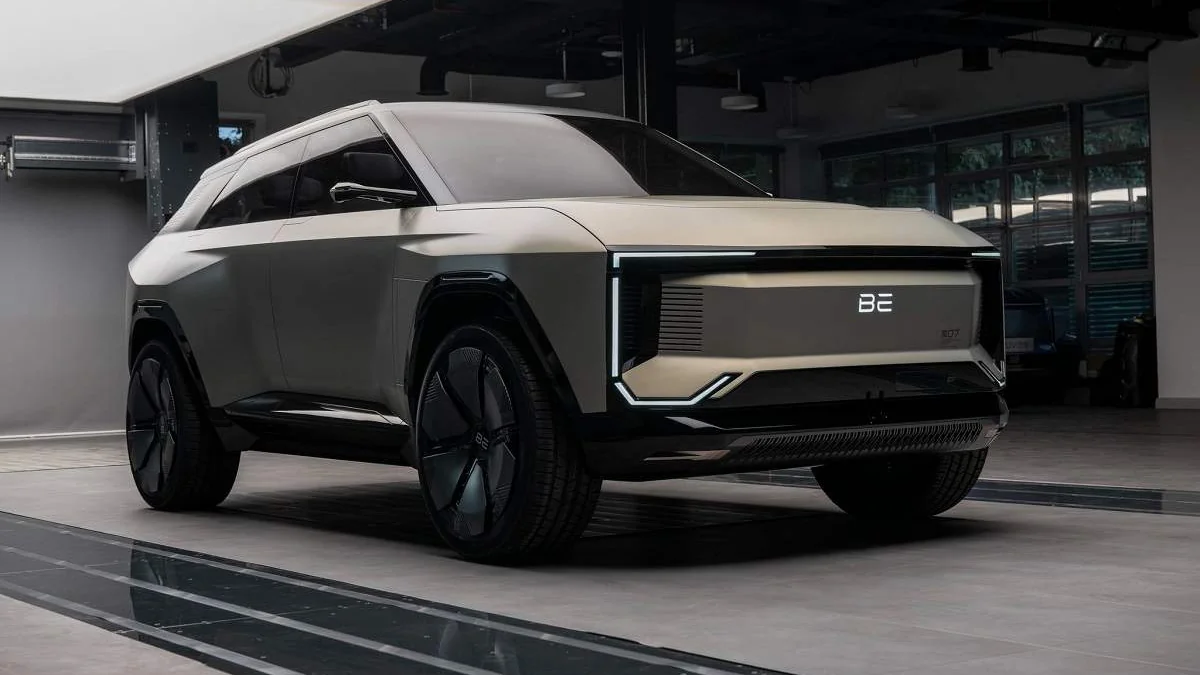
Mahindra BE 07 Coming Soon – Here’s What We Know So Far
Mahindra BE 07 electric SUV launch timeline confirmed. Check its expected price, battery options, EV range, key features and more.
Chhavi
Read More






Trusted Dealer
All Over India

Irresistible Offers
Stay Updated, Pay Less

Compare Cars
Choose the Right Car

Easy Finance
Multiple Finance Options


Monday - Saturday

10:00am - 6:30pm

contact@carlelo.com