




By proceeding, I acknowledge that I have read and agreed to the Privacy Policy, Terms & Conditions, consent declaration, and the sharing of my information with lending partners, dealers, OEMs, and for marketing communication via Phone Calls, SMS & WhatsApp.


ADVERTISEMENT

ADVERTISEMENT

Self-Driving Cars in India: Are We Ready for Autonomous Vehicles on Our Roads?






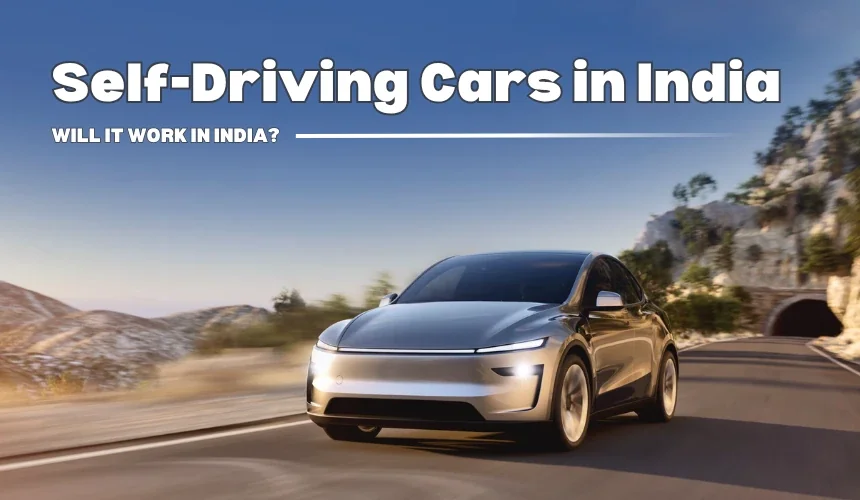
Tesla, the electric car giant led by Elon Musk, has made its official grand entry into the Indian automotive market with the launch of the Model Y. This compact crossover SUV has been generating a lot of buzz, with its ex-showroom price starting at Rs 59.89 lakh.
But, as electric vehicles make their way into India, the bigger question remains: Will self-driving cars work in India?
Pros and Cons of Self-Driving Cars
Self-driving cars, or autonomous vehicles, are often seen as the future of transportation. They promise to revolutionize the way we travel.
However, as with any new technology, they come with their own set of advantages and disadvantages.
Also Read: EV vs Petrol vs Diesel – Which One Makes More Sense in 2025?
Pros of Self-Driving Cars:
- Increased Safety: Autonomous vehicles have the potential to significantly reduce accidents caused by human error, which accounts for a majority of road accidents worldwide.
- Reduced Traffic Congestion: With AI-powered traffic management, self-driving cars could optimize road usage, leading to less congestion and smoother travel.
- Improved Accessibility: Self-driving technology could be a game-changer for people with disabilities, the elderly, and those unable to drive due to various reasons.
- Fuel Efficiency and Environmental Benefits: Autonomous cars are often designed with eco-friendly technology, reducing emissions and fuel consumption.
Cons of Self-Driving Cars:
- Job Displacement: A major concern is the potential loss of jobs in sectors such as driving (taxi drivers, truck drivers, etc.), which could affect millions globally.
- Security Risks: Autonomous cars rely heavily on software, which makes them vulnerable to hacking and technical glitches.
- New Types of Accidents: While the vehicles may reduce human errors, they are not immune to mechanical or software failures. This could result in new types of accidents that we are yet to anticipate.
Will Self-Driving Cars Work in India?
While the concept of self-driving cars is exciting, the reality is a little more complicated, especially in a country like India. The potential benefits are clear, but the challenges are equally significant.
Challenges to Adoption in India:
- Infrastructure Issues: Indian roads are often overcrowded and poorly maintained. The lack of proper road markings, traffic signals, and standardization makes it difficult for autonomous vehicles to navigate safely.
- Unpredictable Road Conditions: Indian traffic is known for its chaos—pedestrians, cyclists, and animals often share the road with motor vehicles. Self-driving cars struggle to handle such unpredictable elements, which could make them less effective in our cities.
- Regulatory Hurdles: The Indian government would need to introduce new policies and regulations to accommodate self-driving cars. This includes safety standards, insurance laws, and defining clear responsibilities in case of accidents. Given the current pace of regulatory updates, these changes may take time to implement.
- Cultural Factors: India's driving culture is quite different from that of the countries where autonomous vehicles are thriving. People are used to a more flexible approach to traffic rules, which could pose a challenge for the adoption of a technology that relies on strict rules and regulations.
Conclusion: Is India Ready for Self-Driving Cars?
While the future of self-driving cars in India is still uncertain, the potential benefits they offer are undeniable. However, for them to become a common sight on Indian roads, substantial changes need to be made in infrastructure, regulatory frameworks, and even societal acceptance.
For now, the Indian market may have to wait a little longer before fully autonomous vehicles hit the road. But as technology continues to evolve, there’s hope that one day, self-driving cars could play a significant role in the future of Indian transportation.
Also Read: Rise of Dark Editions: Why Automakers are Launching Black Editions in India?
About Author

Konica Singh
Sub-Editor

Konica Singh is a passionate Automotive Journalist who brings the world of cars to life, from EV trends to exciting new car launches. Backed by 7 years in content creation, she is skilled in writing, editing, and SEO strategy that drives engagement.
Education: MA English (Delhi University)
Social Media: LinkedIn | Instagram | Twitter | Facebook
Email: konica.carlelo@gmail.com
Location: New Delhi
ADVERTISEMENT






































Top Car Brands in India
Trending Car News in India


 Blog
Blog2026 Mahindra Thar Facelift Gets New Front Fascia
The latest mule of the Mahindra Thar 3-door facelift reveals a new front fascia and new 5-spoke alloy wheels. Launch expected by October-November 2026.
Chhavi
Read More
 Blog
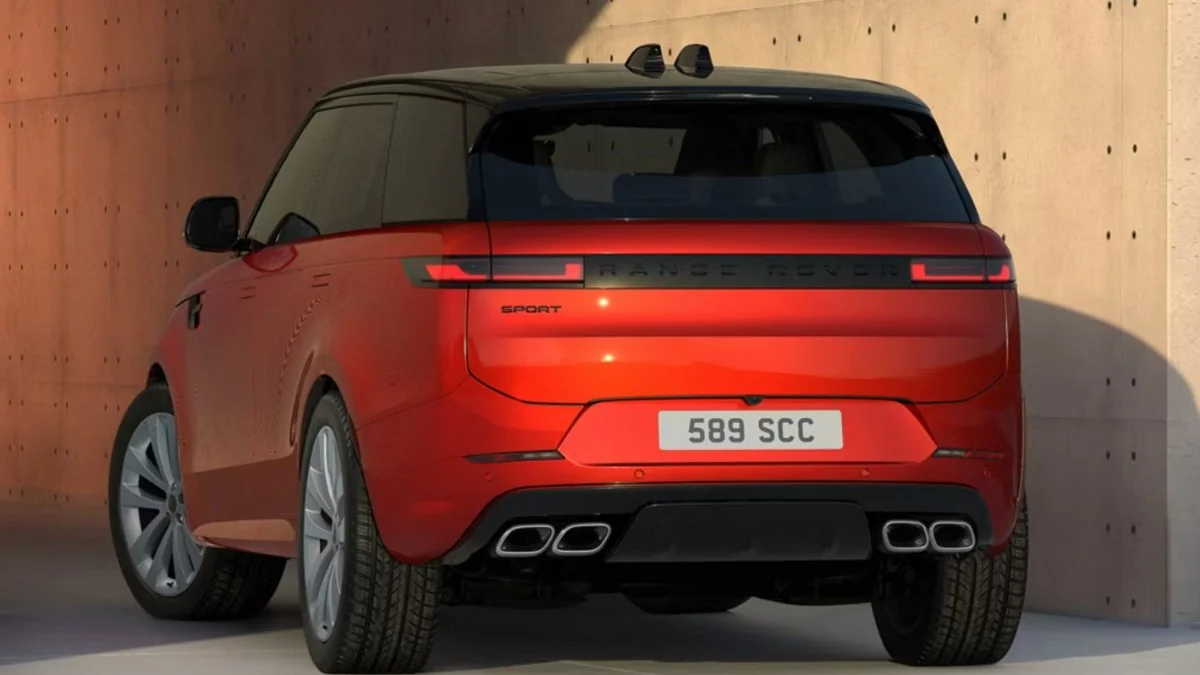
BlogRange Rover Sport Twenty Edition Priced at Rs 1.90 Crore
The new Range Rover Sport Twenty Edition is a limited run edition, priced at Rs 1.90 crore, ex-showroom India. Deliveries will commence from October 2026.
Chhavi
Read More
 Blog
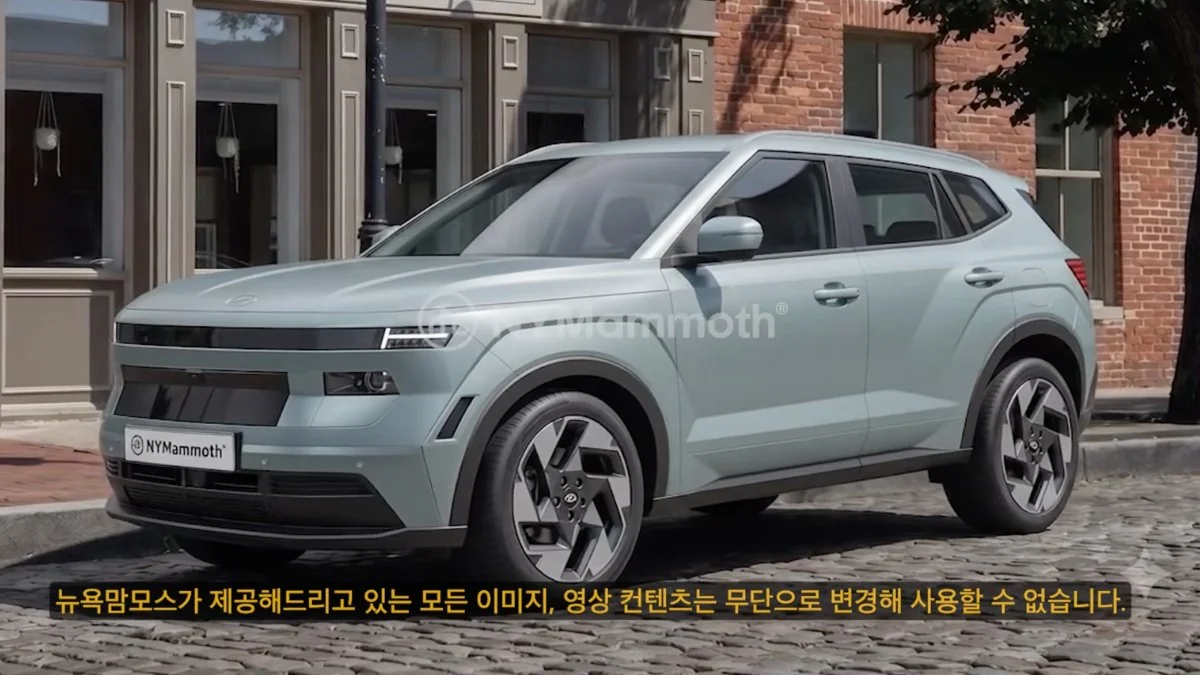
BlogHyundai's First Hybrid SUV Coming Soon - More Details Emerge
Hyundai will introduce the next-gen Creta as its first hybrid model in the Indian market in 2027; likely to get a 1.5L strong hybrid engine.
Chhavi
Read More
 Blog
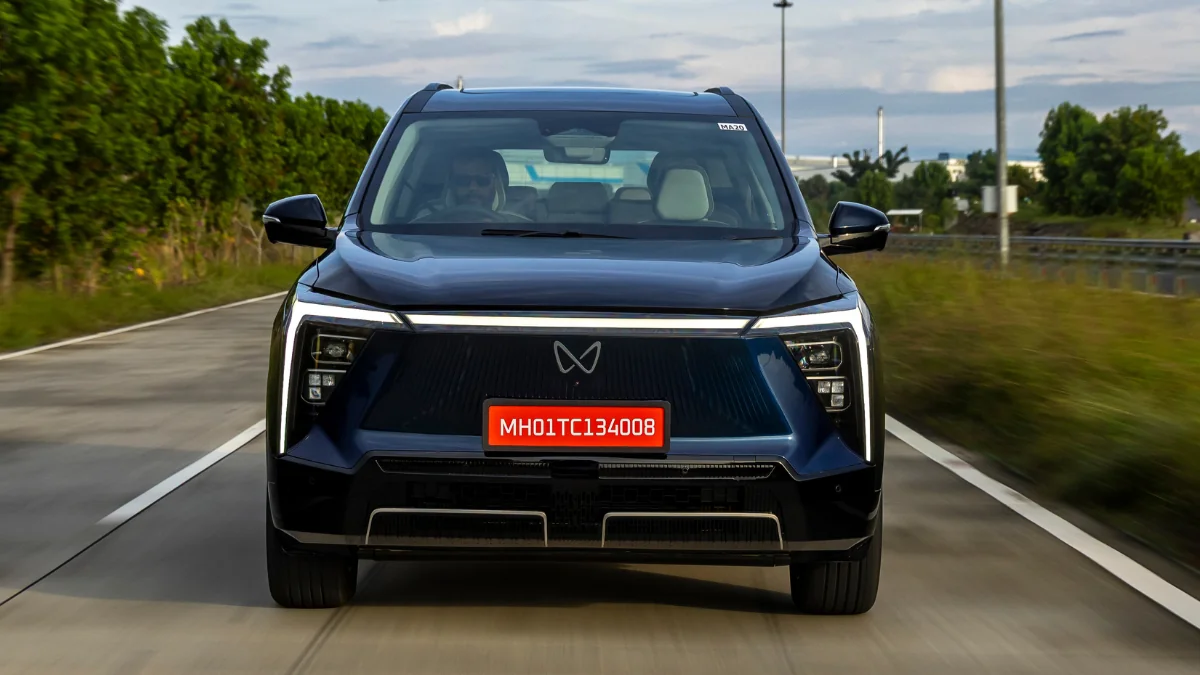
BlogMahindra XEV 9S and XEV 9e BaaS Prices Revealed
Mahindra is now extending BaaS across all variants of the BE 6 SPORTEQ and introducing it to its flagship electric SUVs, the XEV 9S and the XEV 9e.
Chhavi
Read More
 Blog
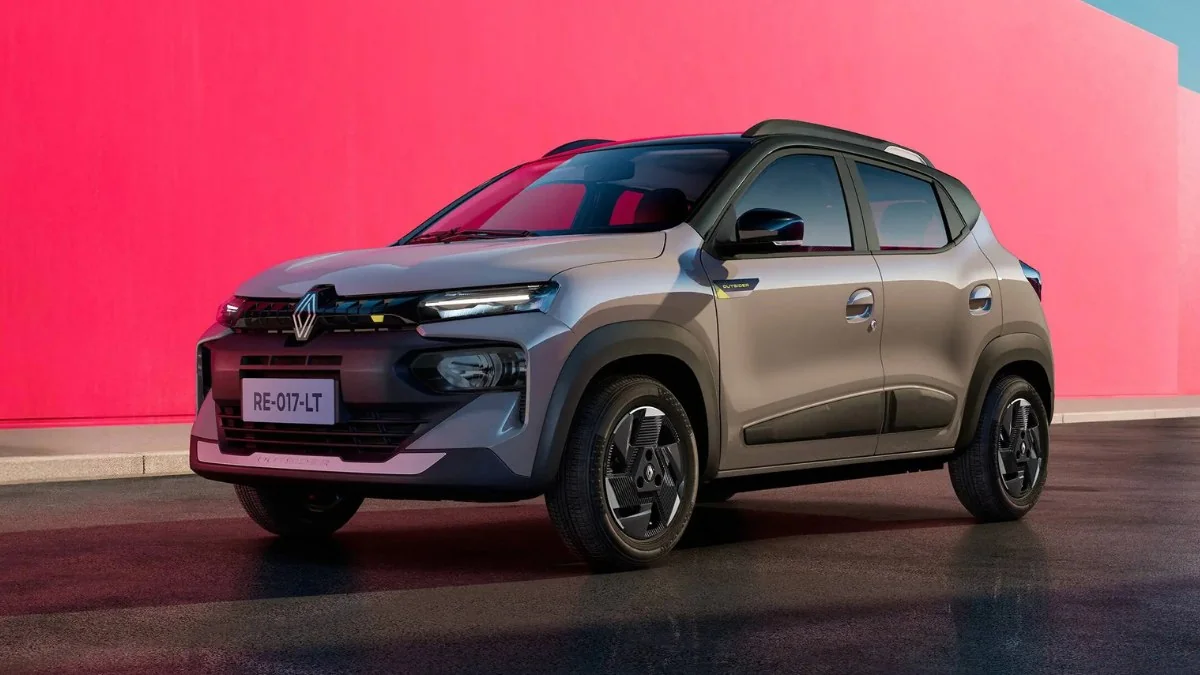
BlogRenault Kwid Facelift Top Changes and Key Details Revealed
The 2026 Renault Kwid facelift has been revealed in Brazil, available in three trims - Evolution, Techno and Outsider - gets a larger 10.1-inch touchscreen.
Chhavi
Read More
 Blog
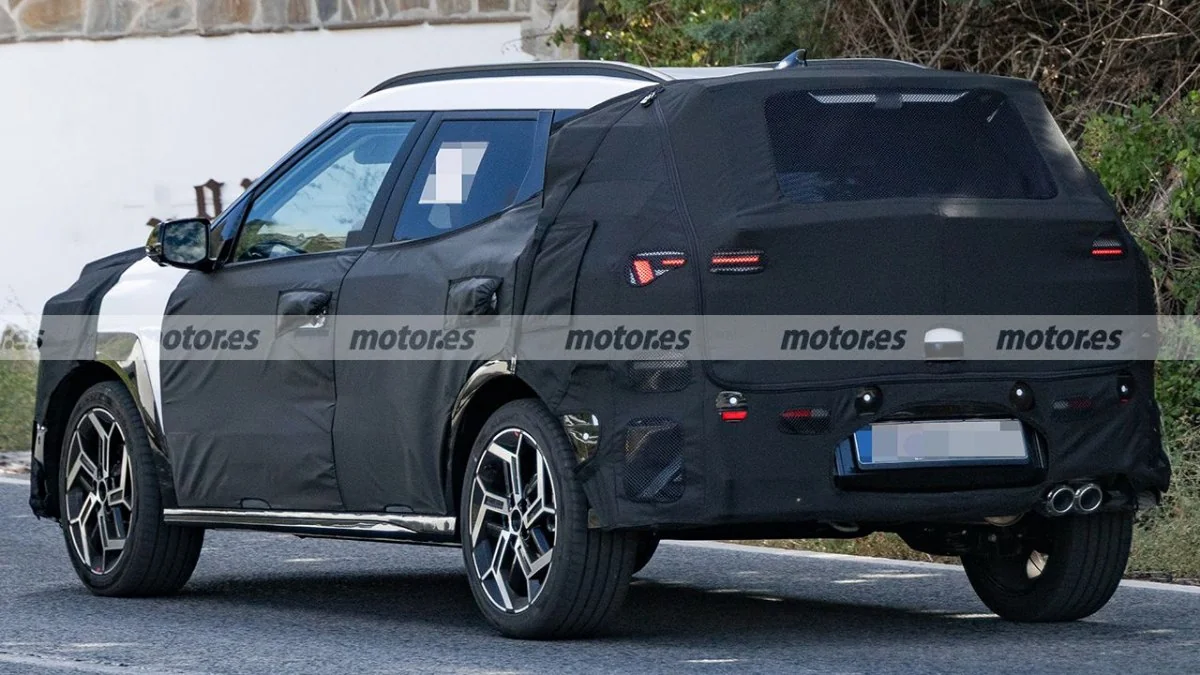
BlogNext-gen Hyundai Bayon Interior Spotted: Sportier N-Line Variant
Scheduled to be launched in late 2026, the new Hyundai Bayon will bring significant updates in terms of design and interiors, and engine specifications.
Amit Sharma
Read More
 Blog
BlogNew Hyundai EV Coming in 2026 – 500km+ Range, Level 2 ADAS, Pleos Tech
New Hyundai EV coming in Q4 2026 with 500km+ range, Level 2 ADAS and Pleos tech as part of Hyundai’s 26-launch India plan by 2030.
Konica Singh
Read More


ADVERTISEMENT
ADVERTISEMENT
ADVERTISEMENT
Trending Cars in India

Trusted Dealer
All Over India

Irresistible Offers
Stay Updated, Pay Less

Compare Cars
Choose the Right Car

Easy Finance
Multiple Finance Options


Monday - Saturday

10:00am - 6:30pm

contact@carlelo.com