




By proceeding, I acknowledge that I have read and agreed to the Privacy Policy, Terms & Conditions, consent declaration, and the sharing of my information with lending partners, dealers, OEMs, and for marketing communication via Phone Calls, SMS & WhatsApp.


ADVERTISEMENT

ADVERTISEMENT

EV vs Petrol vs Diesel – Which One Makes More Sense in 2026?






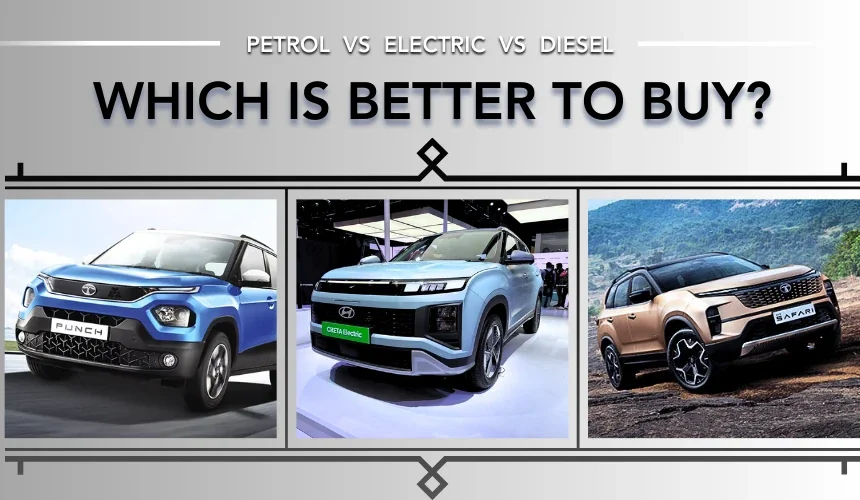
The automobile industry in India has seen major growth over the years. In the most recent years, we have seen an increase in electric cars entering the market and being popular among many. However, the petrol and diesel cars are still vastly preferred by many people. Let's go through some pros and cons of each of these powertrain types to know which one makes more sense to use in 2026.
Electric Vehicle (EV)
This year only, we saw multiple automakers launching new electric cars. Whether it was the Hyundai Creta Electric, Mahindra BE 6 or XEV 9e, automakers seem to push more towards sustainable mobility. These cars are far more eco-friendly and low-maintenance. Though these vehicles are of great advantage they still have some drawback. Lets see what are the pros and cons of the EV.
Pros:
Electric cars are energy efficient meaning that these cars convert 59 to 62 percent of energy into vehicle movement.
EVs reduce emissions and carbon footprint as they rely on rechargeable fuel usage and do not create any tailpipe emissions.
Electric cars perform quite high performance with a quiet and smooth motor. These cars require less maintenance than ICE.
Cons:
EVs take a lot of time to recharge, as even fast charging stations take 30 mins to charge up to 80%.
Electric cars are much higher with the price tag upfront even for the base-level variants.
Electric cars have a shorter range than fuel-powered cars like most models range somewhere between 90 and 190 km per charge.
Petrol Cars
Petrol cars are the most popular type of car in India for many years. From Tata Curvv to Mahindra Thar, the Indian automobile market has a wide range of petrol cars to offer. These cars have comes with some cons as well. Here is what are the pros and cons of this type of car:
Pros:
Petrol cars are usually a lot more budget-friendly like Alto K10, Amaze, Punch, Swift, and many others. These cars have lower purchase costs for budget-conscious customers.
The petrol stations are widespread which means a great infrastructure for refueling during long drives in different states.
The acceleration and performance of petrol cars is pretty high and smooth handling experience as well.
Cons:
The prices for petrol in India are subject to fluctuations and impact the cost of owning a petrol car.
Petrol engine leaves a greater carbon footprint and contribute to emissions which leads to poor air quality.
The petrol cars require more frequent maintenance than other type of cars.
Diesel Cars
Diesel-powered cars have been a popular choice among people for around 15 years in India. In the current automotive scene in our country, let's see what are the pros and cons of these cars.
Pros:
Diesel cars are mostly known for their fuel efficiency, for example, Tata Altroz and Honda Amaze tend to provide up to 25 km/l.
As compared to petrol engines, diesel engines produce more torque which is better suited for heavy loads and steep inclined terrains.
Diesel has no spark plugs or distributors. Therefore, they never need ignition tune-ups.
Cons:
Diesel car variants are about Rs 1 lakh more expensive than the petrol ones in the market.
The cars with diesel engines have a lifespan of 10 years and they are banned from plying on Delhi roads if it's other than that.
Diesel engines tend to be much noisier and more vibratory than petrol engines which is a drawback for people who prefer a quieter and smoother ride.
Overall, it can be said that each type of car has its pros and cons which makes them different in some aspects. As we are moving towards a more sustainable mobility future choosing an EV is far better of a choice. Keep in mind how these cars are great for a long-term investment. You can opt for Hyundai Creta Electric, Tata Punch EV, and MG Comet EV.
Also Read: Kia Syros Sub-4m SUV – Is It a Game Changer in the Compact SUV Segment?
About Author

Ankita Solanki
Sub-Editor

Ankita Solanki is a versatile desk writer who explores the world of automobiles with her writing on the latest industry trends and norms. Combining technical expertise with a reader-friendly approach, Ankita's content is accessible to both car enthusiasts and casual readers.
ADVERTISEMENT




































Top Car Brands in India
Trending Car News in India

 Blog
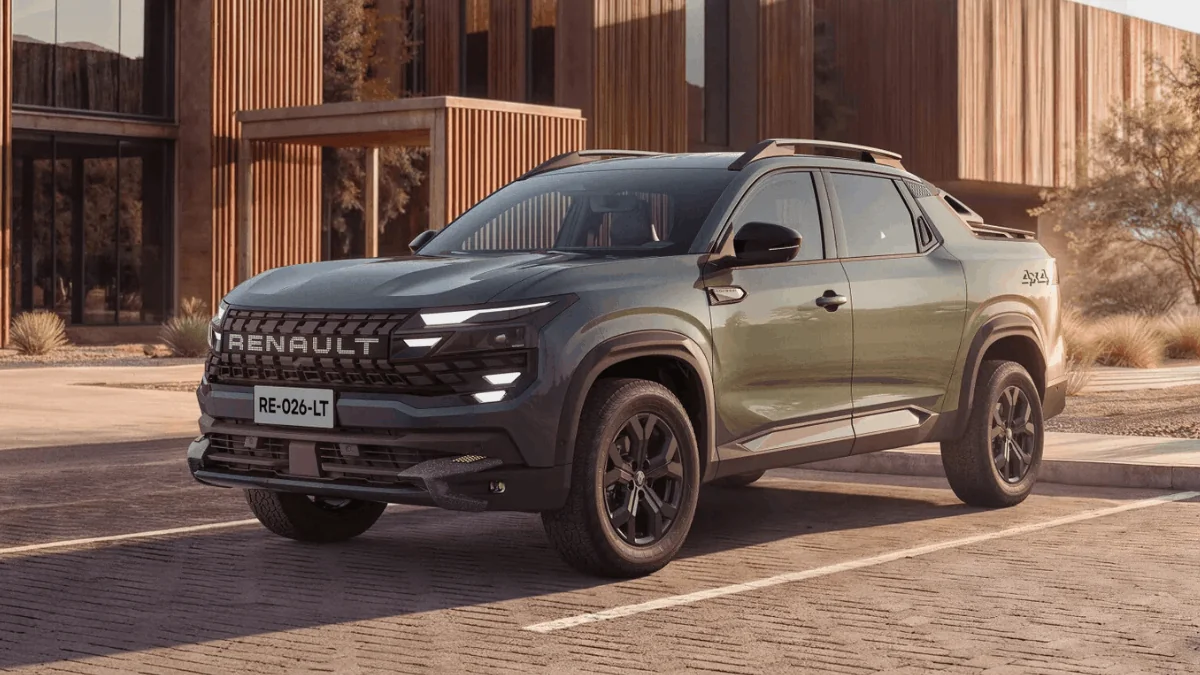
BlogRenault Niagara Revealed: Duster-Based Lifestyle Pickup Truck Unveiled
The Renault Niagara lifestyle pickup is based on the adaptable Renault Group Modular Platform or RGMP, which also underpins the latest-generation Renault Duster
Chhavi
Read More
 Blog
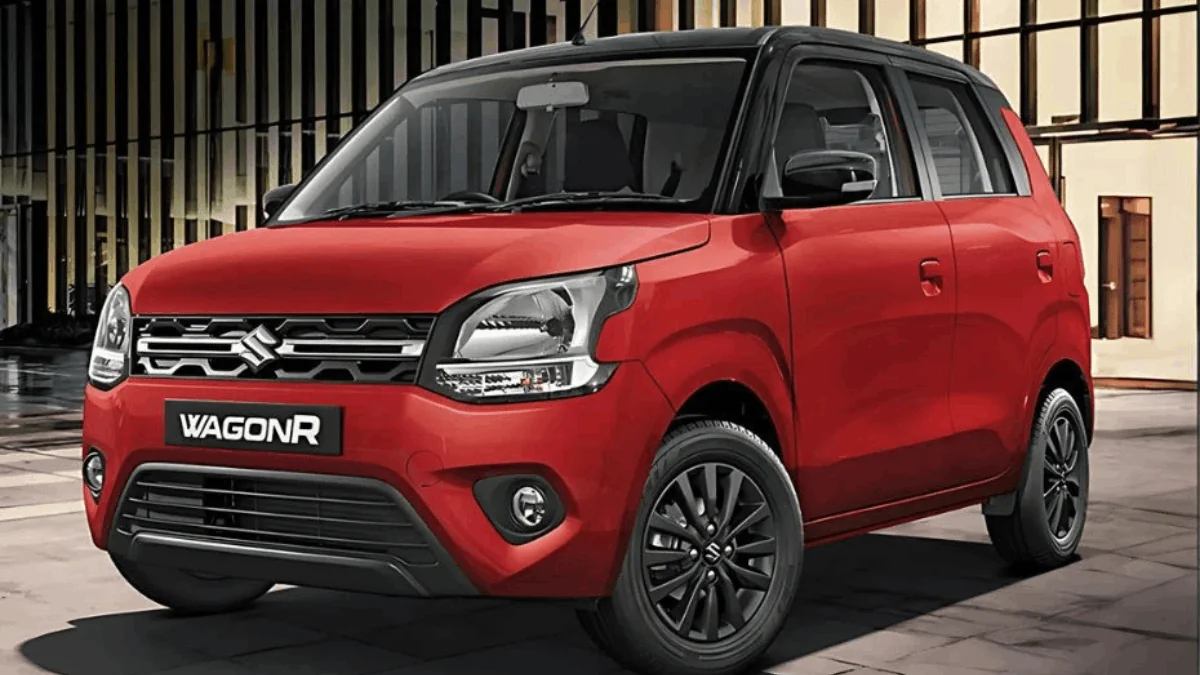
BlogMaruti Wagon R Facelift to Get 1.2L 3-cylinder Engine, Underbody CNG
The upcoming Maruti Wagon R facelift is likely to be powered by an 81bhp, 1.2L, 3-cylinder, naturally-aspirated petrol engine paired either with a 5MT or an AMT
Chhavi
Read More
 Blog
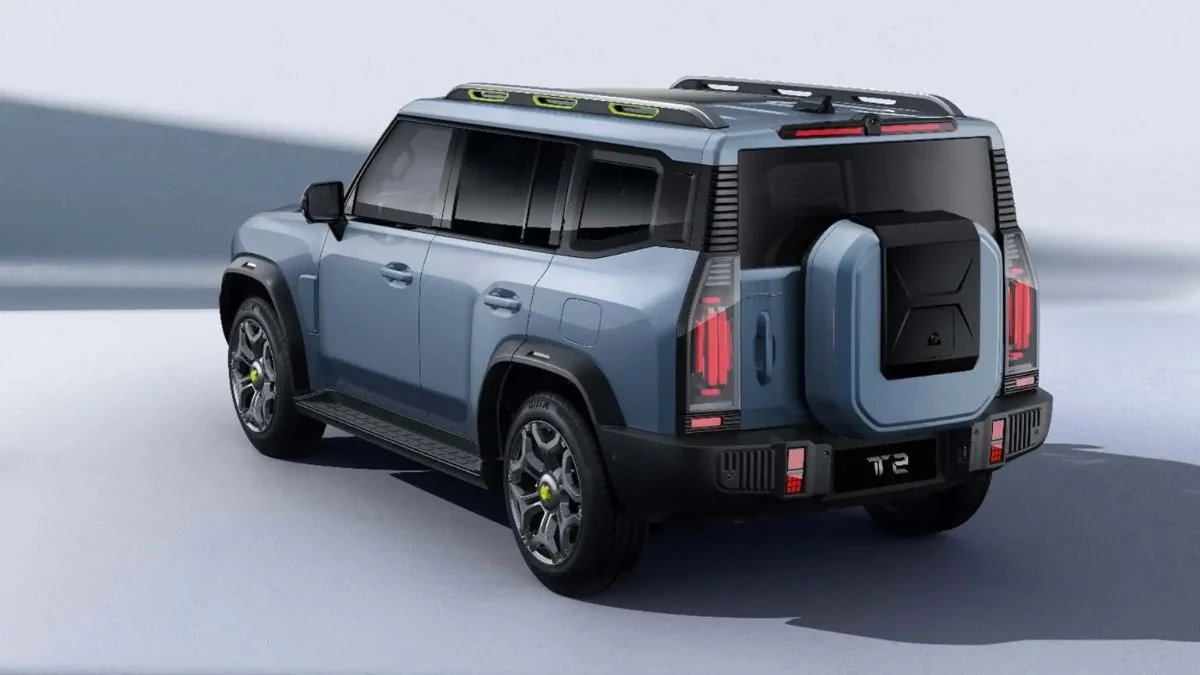
BlogJSW Motors Chooses 'Combat' Nameplate for Jetour T2 PHEV SUV
The upcoming JSW Combat will be a five-seater plug-in hybrid SUV (PHEV), and is based on the global Chery Jetour T2; likely to launch by festive season, Diwali.
Chhavi
Read More
 Blog
BlogNew Toyota Glanza Confirmed for October 14 Launch: ADAS, Ventilated Seats and New Engine
Scheduled to be launched on October 14, 2026, the new Toyota Glanza facelift will get refreshed design, LEVEL 2 ADAS and a brand-new engine.
Chhavi
Read More
 Blog
Blog2026 BMW 7-Series, i7 Price, Delivery Timeline and Everything You Need to Know
Priced at Rs 1.95 crore, the 2026 BMW 7-Series and i7 Facelift deliveries will commence from October 2026. Bookings are open across BMW India dealerships.
Chhavi
Read More
 Blog
BlogMercedes-AMG CLE 646 Revealed - 646hp V8, RWD and a 310kph Top Speed
Mercedes-AMG CLE 646 gets a 646hp twin-turbo V8, rear-wheel drive and 310kph top speed. Only 30 units will be built worldwide.
Konica Singh
Read More
 Blog
BlogMahindra XEV 9S Could Get Range-Extender Tech, Petrol Engine to Act as a Generator
Mahindra XEV 9S could get range-extender technology, with a petrol engine acting as a generator to charge the battery while electric motors drive the SUV.
Konica Singh
Read More


ADVERTISEMENT
ADVERTISEMENT
ADVERTISEMENT
Trending Cars in India

Trusted Dealer
All Over India

Irresistible Offers
Stay Updated, Pay Less

Compare Cars
Choose the Right Car

Easy Finance
Multiple Finance Options


Monday - Saturday

10:00am - 6:30pm

contact@carlelo.com