



ADVERTISEMENT

ADVERTISEMENT







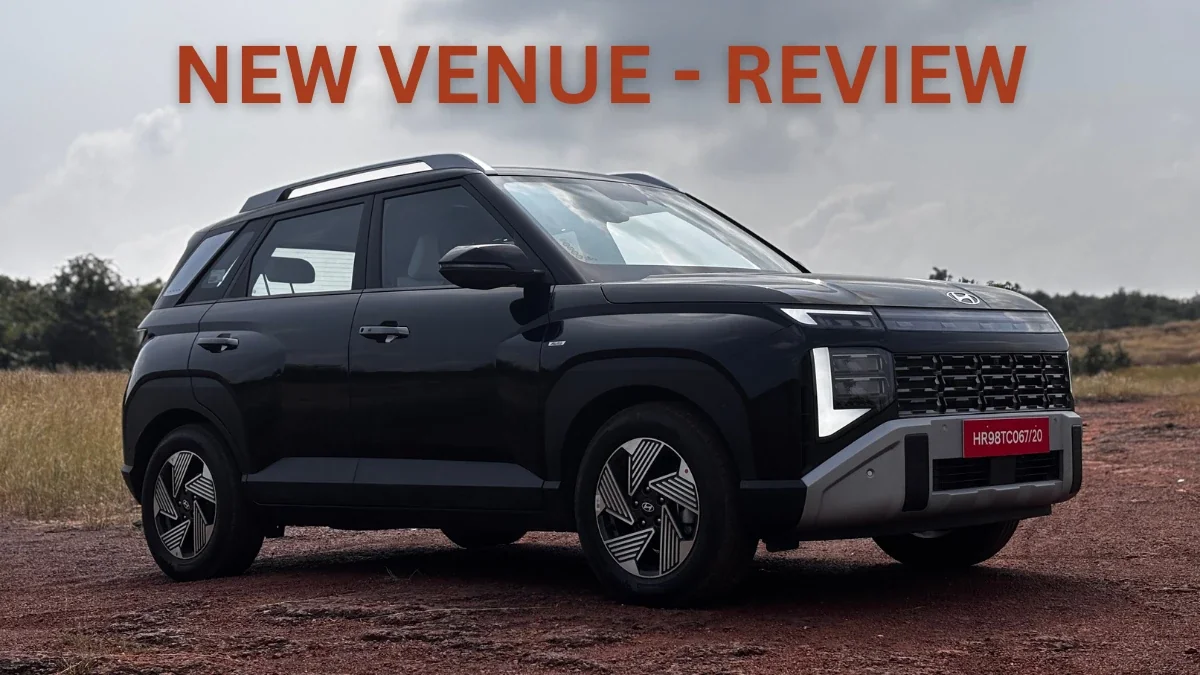
New Venue is more spacious than the older model Diesel AT mileage is significantly lower Significantly improved ride and handling
We recently got the chance to test drive the new-gen Hyundai Venue on the roads of Goa to find out what has changed? The Venue nameplate has been a huge success for the Korean brand with over 7 lakh units sold in the past 5-6 years. Seeing the rising competition in the sub-4 meter SUV category, Hyundai introduced the second-generation Venue which is the first model to roll out from the new Talegaon-based production facility. Not just the regular model, Hyundai has also launched the Venue N-Line. We drove the new-gen Hyundai Venue diesel automatic model.
New Venue Design Details
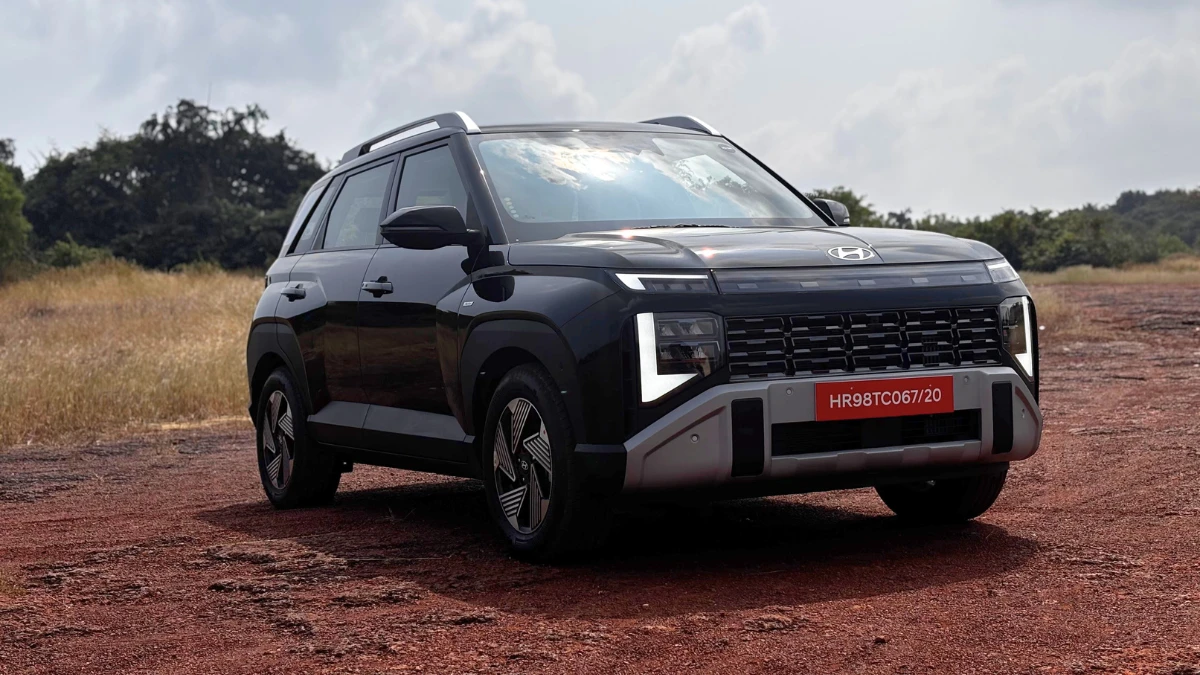
The new-gen Hyundai Venue is based on the global K1 platform that also underpins the Kia Syros. This platform is more rigid and stronger than the older K2 platform, which is evident from Syros’s 5-star BNCAP rating. The SUV looks big on roads, which is going in its favor. It is 30mm wider and 48mm taller than the previous model; the wheelbase is increased by 20mm. The new architecture also allows Hyundai engineers to install latest technologies, including advanced connected car tech that supports OTA updates.
The new-gen Hyundai Venue certainly looks big, and has strong road presence. It has a more boxy profile instead of the roundish styling of the previous model. The company has also ensured that the new Venue N-Line looks more sporty and different from the regular model.
The front fascia design is inspired from the bigger Hyundai SUVs. Including the Creta and Palisade. There is a large central grille, flanked by square-shaped LED headlamps, and there is a connected LED DRL signature on top. The lower bumper has massive carve-out silver-finish panel that houses a faux skid plate and a slimmer air-intake.
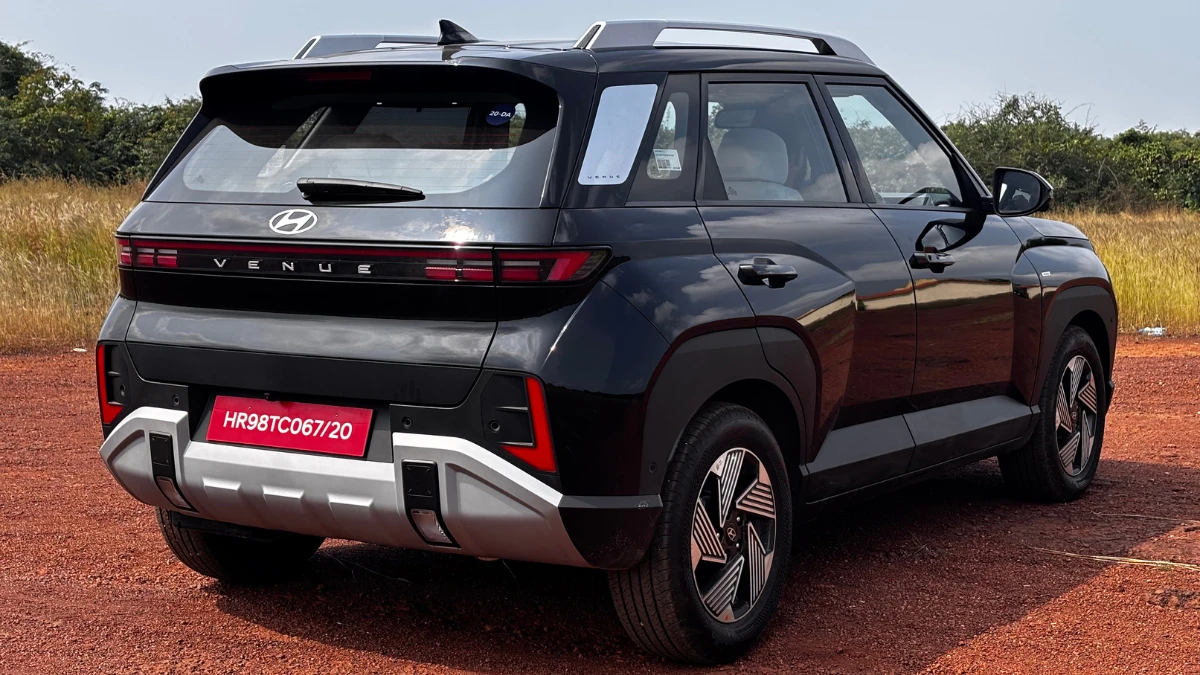
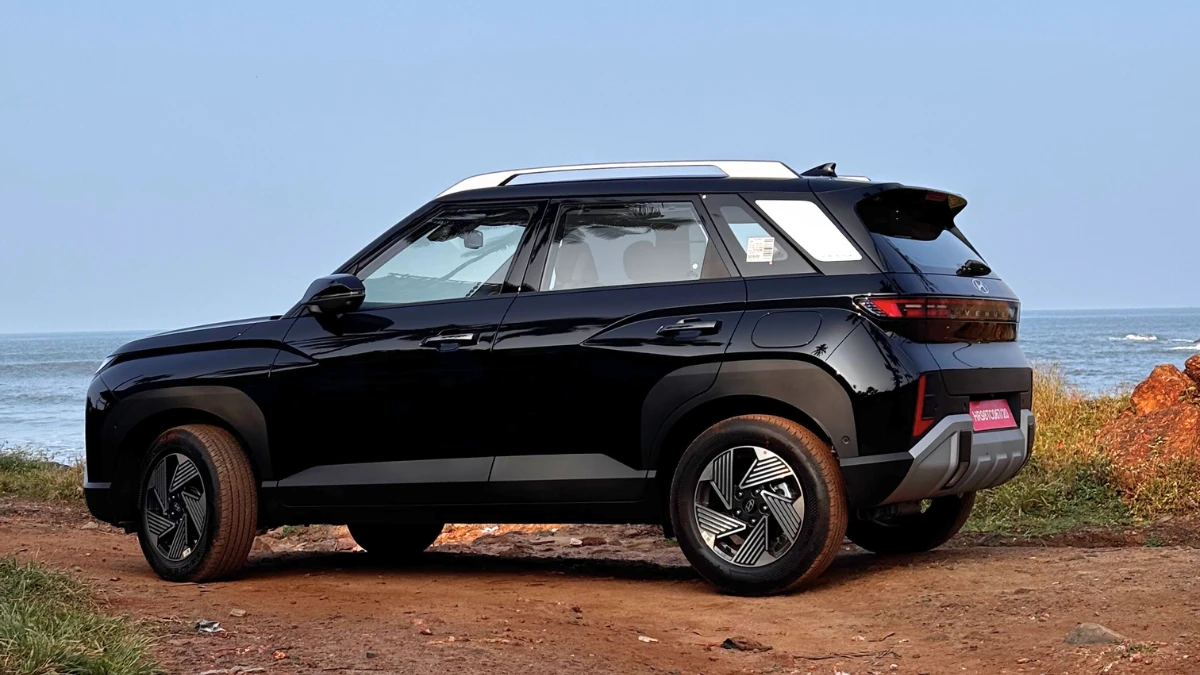
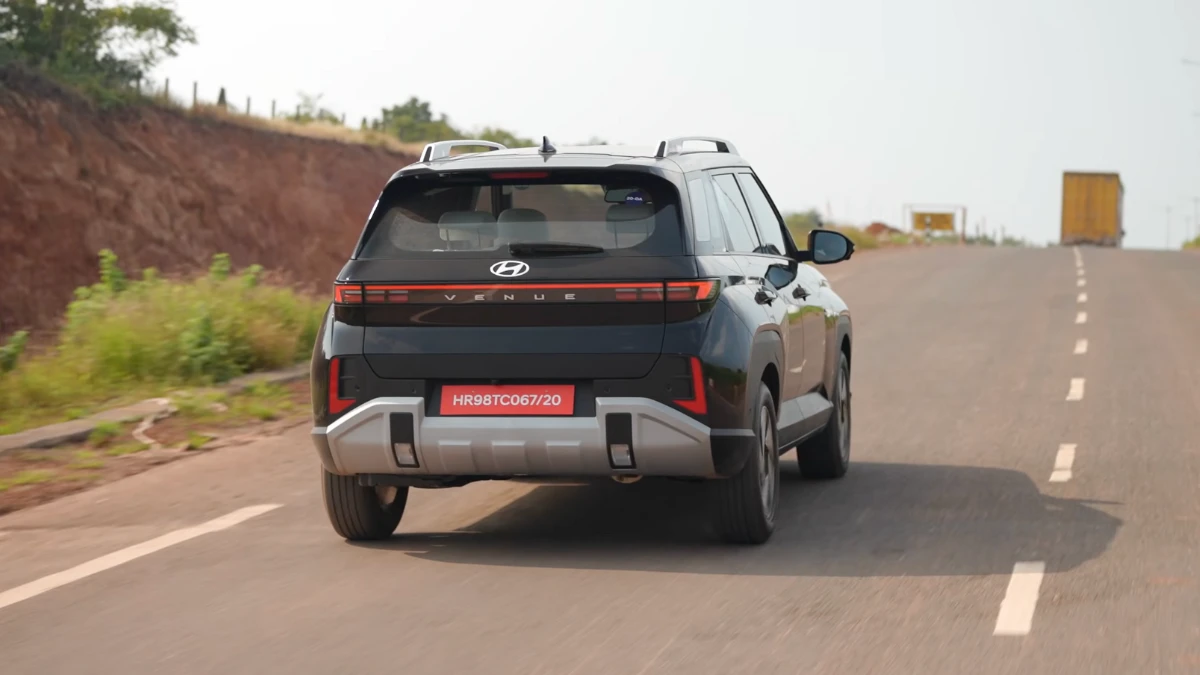
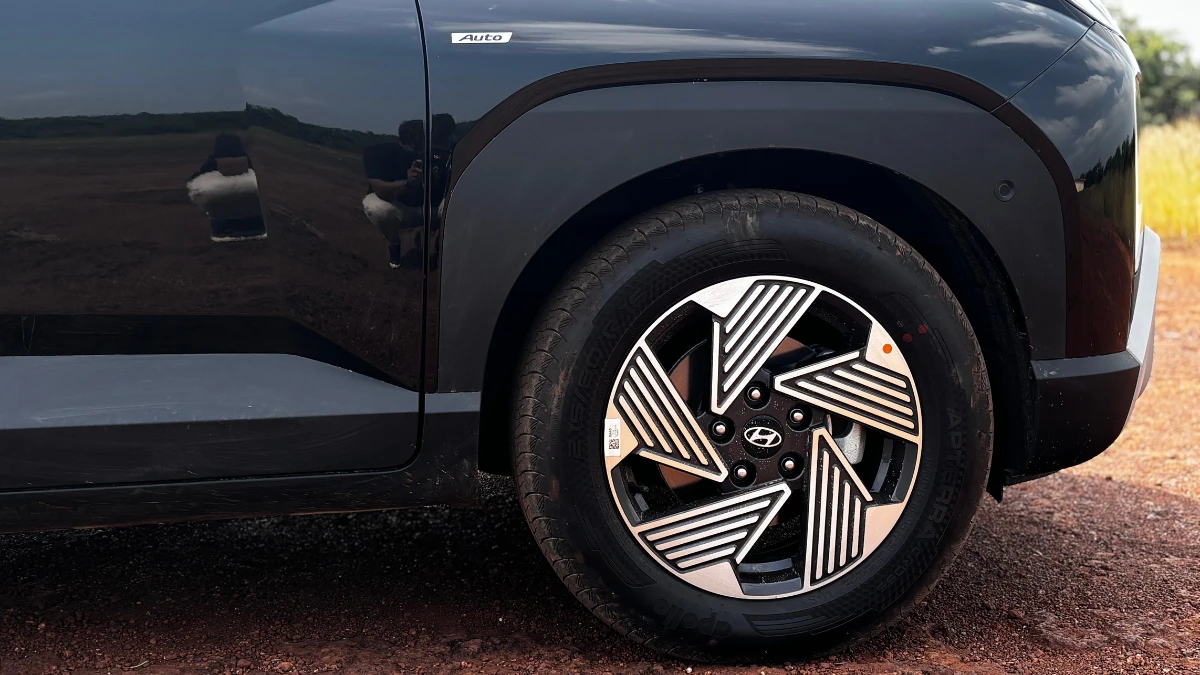
The side profile further confirms the boxy design, as it has a flatter roof with prominent roof rails. There are sharp creases around the front and rear side panels, and flared wheel arches adds to its rugged look. A new quarter glass area is placed on the C-pillar, which seems similar to the older Vitara Brezza. The rear has connected LED tail-lights, dual-tone lower bumper with silver faux skid plate, roof-integrated spoiler with brake lights and newly designed tailgate with strong creases.
New Venue Interior Review
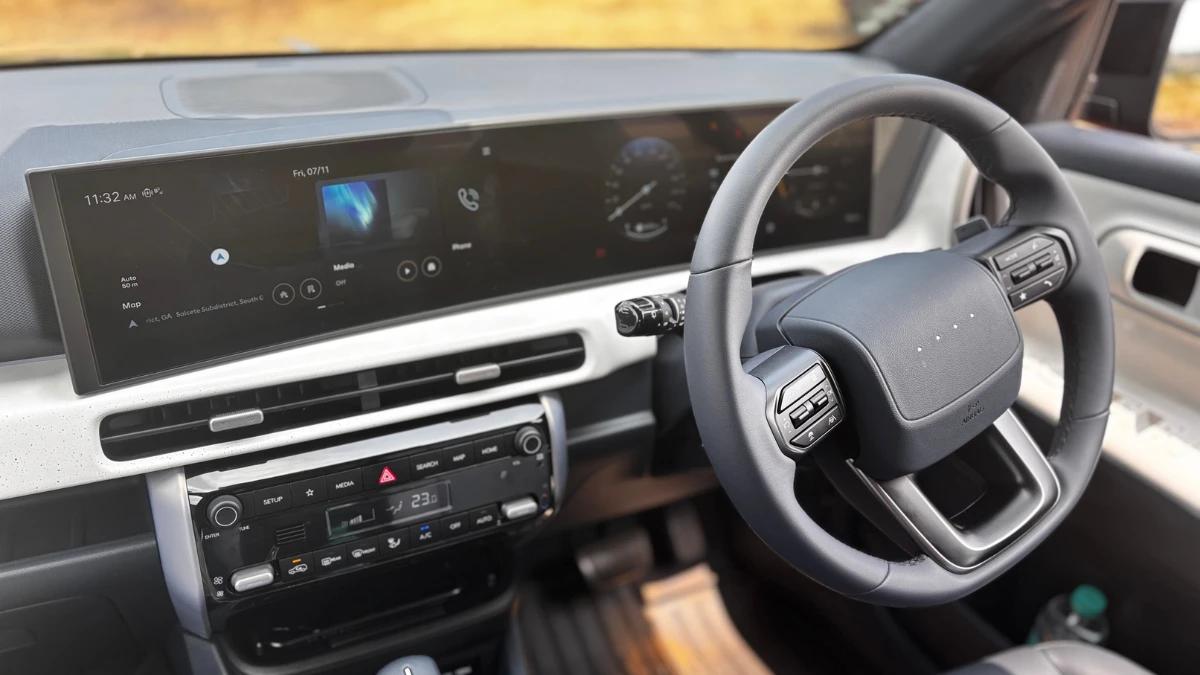
The cabin is the highlight of the new Venue. I can say that the new Hyundai Venue has the best quality interior when compared to its direct rivals. The selection of materials, fit and finish are top notch. Hyundai has used hard plastic on the dashboard, but the material used is of top quality and adds a premium touch.
There is a large connected curved screen that houses a 12.3-inch infotainment unit and a digital driver’s display. The infotainment unit works seamlessly without any lag or delay. The 360-degree surround view camera works fantastically, and the feed on the display is crisp and clear. It has a new steering wheel with four dots replacing the traditional Hyundai logo. The steering wheel looks premium and easy to hold.
This time around, Hyundai has managed to create more space inside the cabin. The highlight is the rear seats, as it offers more legroom and headroom space compared to the older model. The rear space is good enough to accommodate two adults and a kid in the middle, as Hyundai has removed the headrest from the middle seat.
To achieve the rear seat space, Hyundai has reduced the thigh support and made changes to the back of the front seats. Moreover, Hyundai has smartly utilised the 20mm increase in wheelbase to offer more legroom. Adding to it, the luggage carrying capacity is increased by 25mm, offering 375-litres.
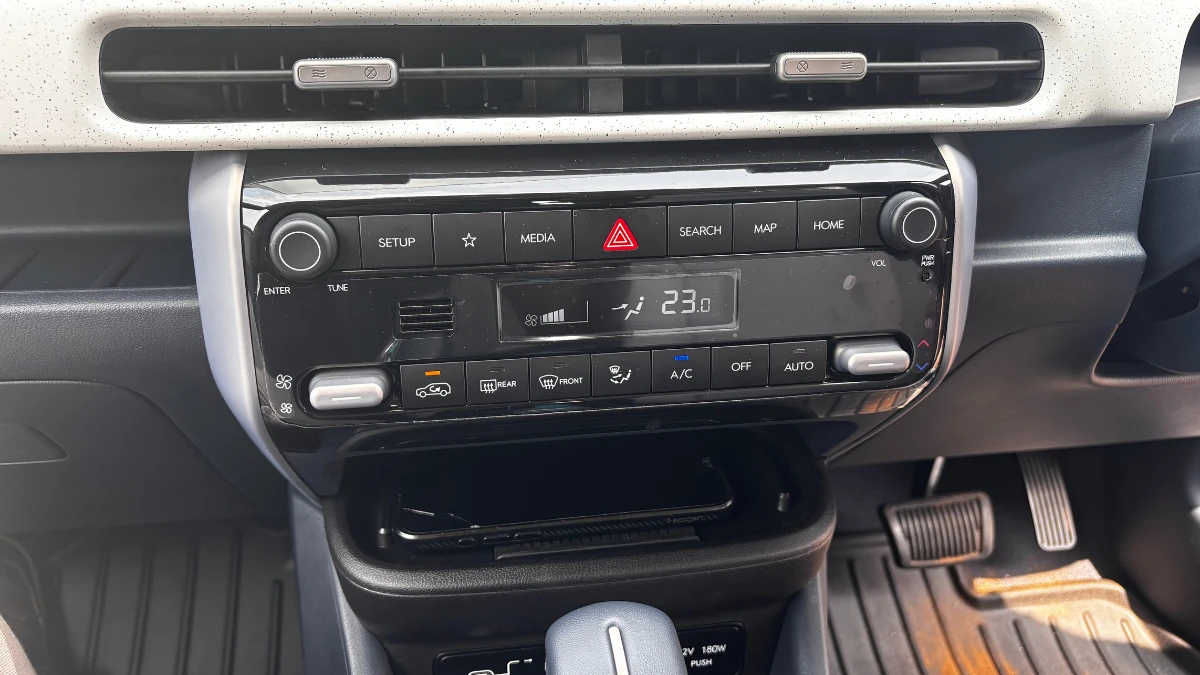
Some of the features include ventilated front seats, 4-way powered driver’s seat, a wireless phone charger, smart key with push button start, an 8-speaker Bose audio system, and a single-pane electric sunroof. For safety and security, the SUV gets LEVEL 2 ADAS with 16 features such as forward collision avoidance, lane following assist, adaptive cruise control, rear cross traffic avoidance assist, blind spot monitoring and others.
New Hyundai Venue Performance and Mileage

The new Venue engine options remain the same, featuring a 1.2L NA petrol, a 1.0L turbo petrol and a 1.5L turbo diesel. The only change is that the diesel version now gets a 6-speed torque converter automatic gearbox option.
I extensively drove the diesel automatic version. The engine is capable of producing 114bhp and 250Nm of torque, and is paired to either a 6-speed manual or a 6-speed torque converter automatic. The powertrain feels smooth and offers no vibrations and outside noise. When it comes to engine-gearbox performance, the diesel automatic feels less engaging.
Diesel are known for great low-end torque, but Venue diesel AT feels sluggish on the initial RPMs. However, the SUV starts to perform well once it crossed 1500rpm. The gear shifts are also sluggish and you can feel the dull response; however, Sport mode slightly improves its overall performance.
Improved Ride and Handling
The big improvement comes in the form of suspension performance on rough roads. There is a substantial improvement in the Venue’s road performance, as it performs really well on bad Indian roads. The slow-speed bump absorption is significantly improved, thanks to the softening of suspension setup.
It performs better on high-speed when compared to the previous model. Moreover, the heavier weight of the diesel AT makes it feel more composed and planted on the urban Goa roads.
Fuel Economy - A let-down
The new Venue diesel Automatic is claimed to offer an ARAI certified fuel economy of 17.9kmpl, while the manual version offers 20.9kmpl. The mileage figures are down by good 3kmpl in manual version from the previous model. We tested the Diesel AT model, and we get a realistic mileage of around 13kmpl. In fact, the mileage numbers went down as low as 10kmpl during bumper-to-bumper drive. On highways, it returns a mileage of around 16-17kmpl.
Verdict
The new-gen Hyundai Venue is priced between Rs 7.89 lakh to Rs 15.69 lakh, ex-showroom. The new Venue seems overpriced, specially the higher-spec variants. In fact, the top-spec Diesel AT variant prices could go up to Rs 18-19 lakh (on-road) in some states. I would suggest you to opt for the H2X or the H5X variants of the new Venue diesel.
In terms of overall quality, the new Venue sets a new benchmark in the sub-4 meter category. I can clearly state that the new Venue has the best interiors among its counterparts.
Also See - Top 25 Selling Cars October 2025
About Author

Amit Sharma
Sub-Editor

Amit is responsible for the content creation on the Carlelo website with an objective to serve the online visitors to the best of his abilities. He has a vast experience of over 12 years in motoring journalism and has worked with multiple automotive brands including CarDekho, IndiaCarNews and Zee Network (India.com Auto)
Education: B-Tech in Information Technology (Rajasthan Technical University)
Expertise: Car Reviews, Live Coverage, Automobile News Writing, Industry-Driven Automotive Blogs, Content Strategy, On-Page SEO, and Keyword Research.
Achievements: His SEO-driven content strategy has significantly boosted organic traffic to our automotive news and blogs, consistently landing stories in Google’s Top Stories, enhancing Discover Traffic, and optimising for AI overviews.
Social Media & Email
Linkedin | X (Twitter) | Facebook | Instagram
Email - amitsharma294@gmail.com
Location - New Delhi
ADVERTISEMENT










































Top Car Brands in India
Trending Car News in India

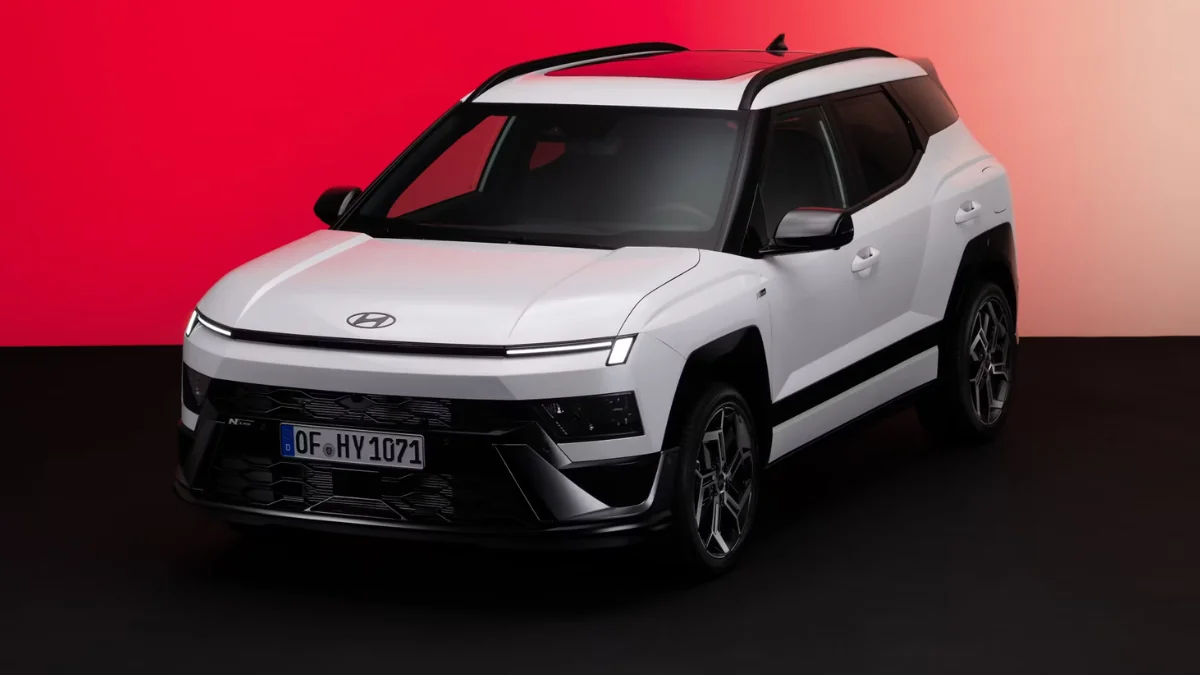
All-New Hyundai Bayon Hybrid Confirmed - Euro-Spec Technical Specifications
The European-spec Hyundai Bayon will get the high-efficiency 1.6-litre full-hybrid (HEV) powertrain alongside the existing 1.0-litre T-GDI petrol engine variant
Amit Sharma
Read More
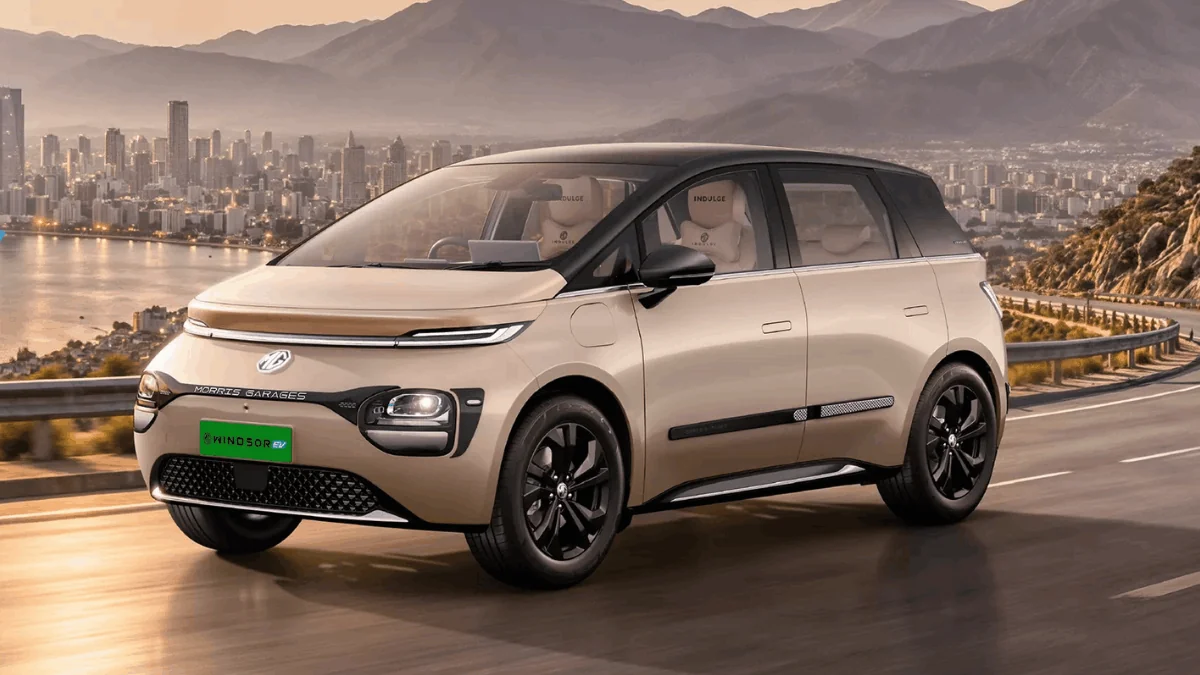
MG Windsor EV Indulge Edition Launch Price Rs 17.89 lakh
Priced at Rs 17.89 lakh, the MG Windsor EV Indulge Edition comes with a new golden exterior paint - Shadow Gold, and blackened 18-inch alloy wheels.
Amit Sharma
Read More
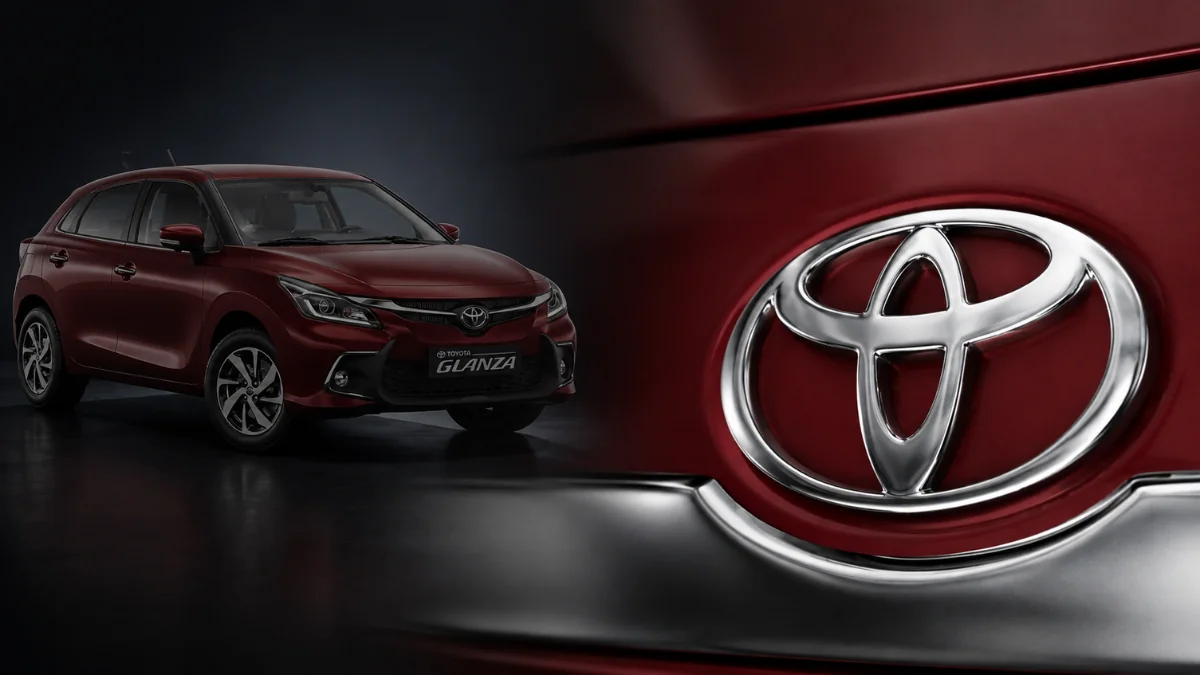
2026 Toyota Glanza Facelift Launching Tomorrow: Z-Series Engine and Level 2 ADAS
The Toyota Glanza facelift will come with an updated design, a new 1.2-litre 3-cylinder Z-Series petrol engine, and advanced safety tech.
Amit Sharma
Read More
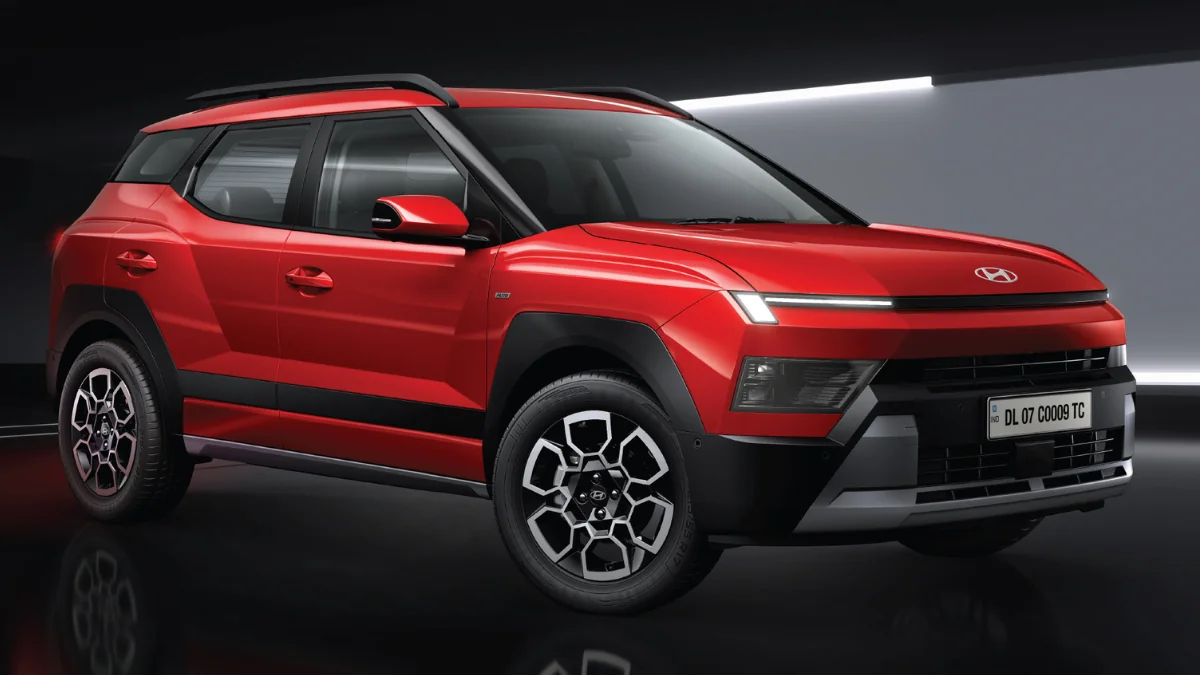
3 Mass-Market SUVs Launching in Next 2 Weeks
Mahindra XUV 3XO CNG, Renault Duster Hybrid and Hyundai Bayon will be launched on October 15, October 17 and 26, respectively.
Amit Sharma
Read More
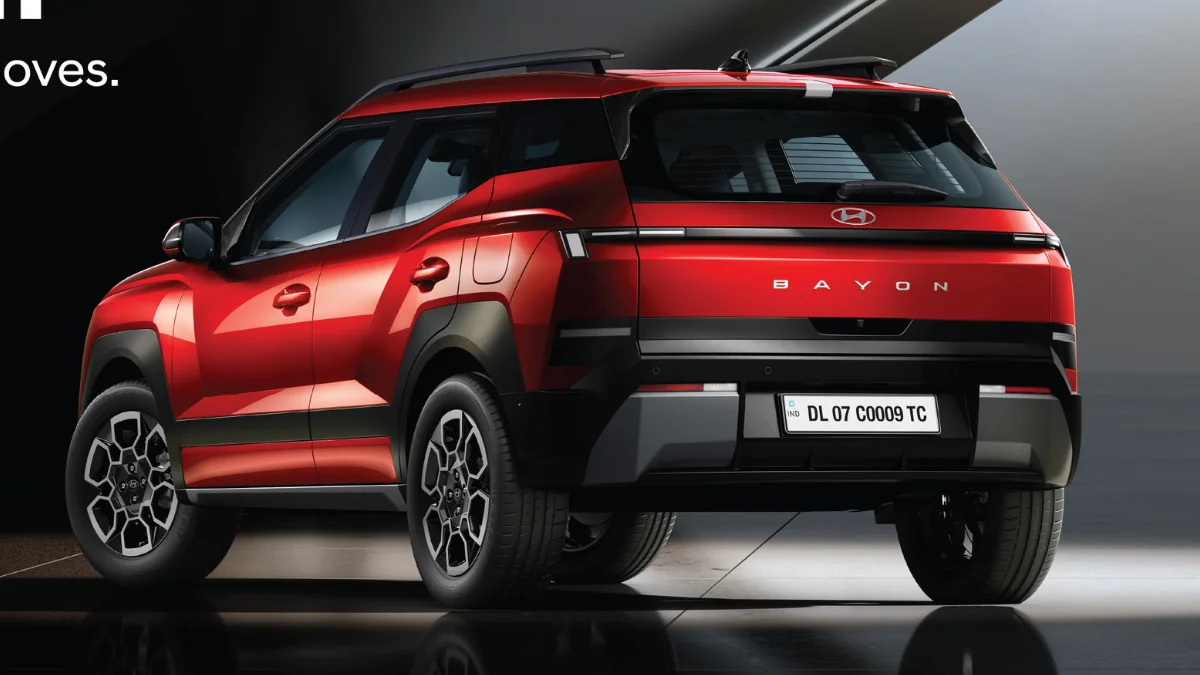
Hyundai Bayon Unveiled: Top 10 Key Facts You Need to Know
With bookings currently open at Rs 11,000 and the official launch set for October 26, 2026, here are the top 10 key facts about the upcoming crossover SUV.
Amit Sharma
Read More
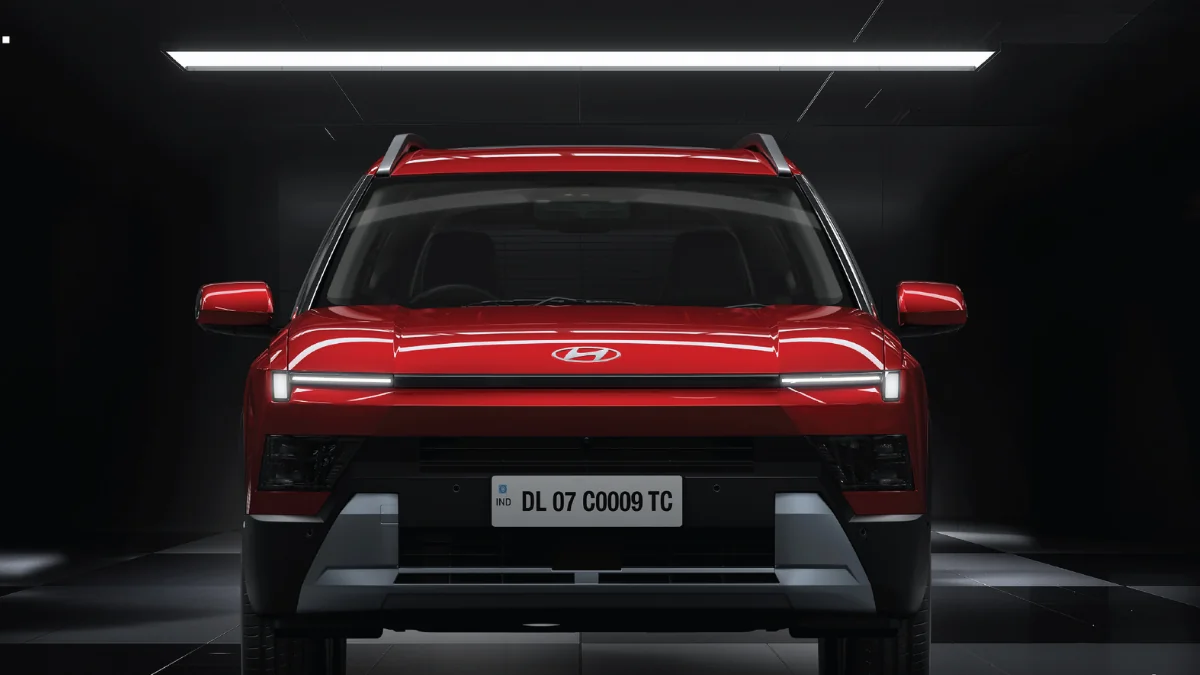
Hyundai Bayon Fully Revealed; Launch Date Out
The new Hyundai Bayon is scheduled to be launched on October 26, 2026, and official deliveries are scheduled to commence during the festive season.
Amit Sharma
Read More
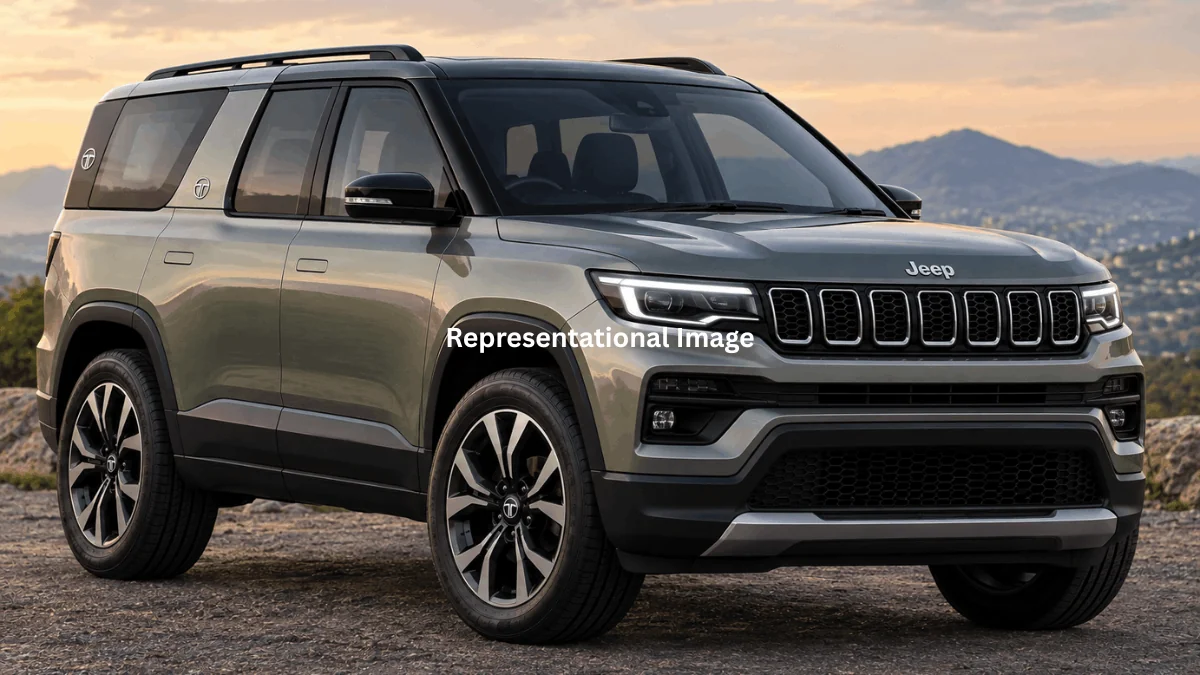
Tata Sierra-Based Jeep Midsize SUV India Launch Timeline and Key Details Out
To be based on Tata's Motors' ARGOS platform that underpins the Sierra, the upcoming Jeep midsize SUV is slated for a market introduction in early 2028.
Amit Sharma
Read More


ADVERTISEMENT
ADVERTISEMENT
ADVERTISEMENT
Trending Cars in India

Trusted Dealer
All Over India

Irresistible Offers
Stay Updated, Pay Less

Compare Cars
Choose the Right Car

Easy Finance
Multiple Finance Options


Monday - Saturday

10:00am - 6:30pm

contact@carlelo.com