




By proceeding, I acknowledge that I have read and agreed to the Privacy Policy, Terms & Conditions, consent declaration, and the sharing of my information with lending partners, dealers, OEMs, and for marketing communication via Phone Calls, SMS & WhatsApp.


ADVERTISEMENT

ADVERTISEMENT

CNG Has Overtaken Diesel in India: Can It Become the New Diesel?






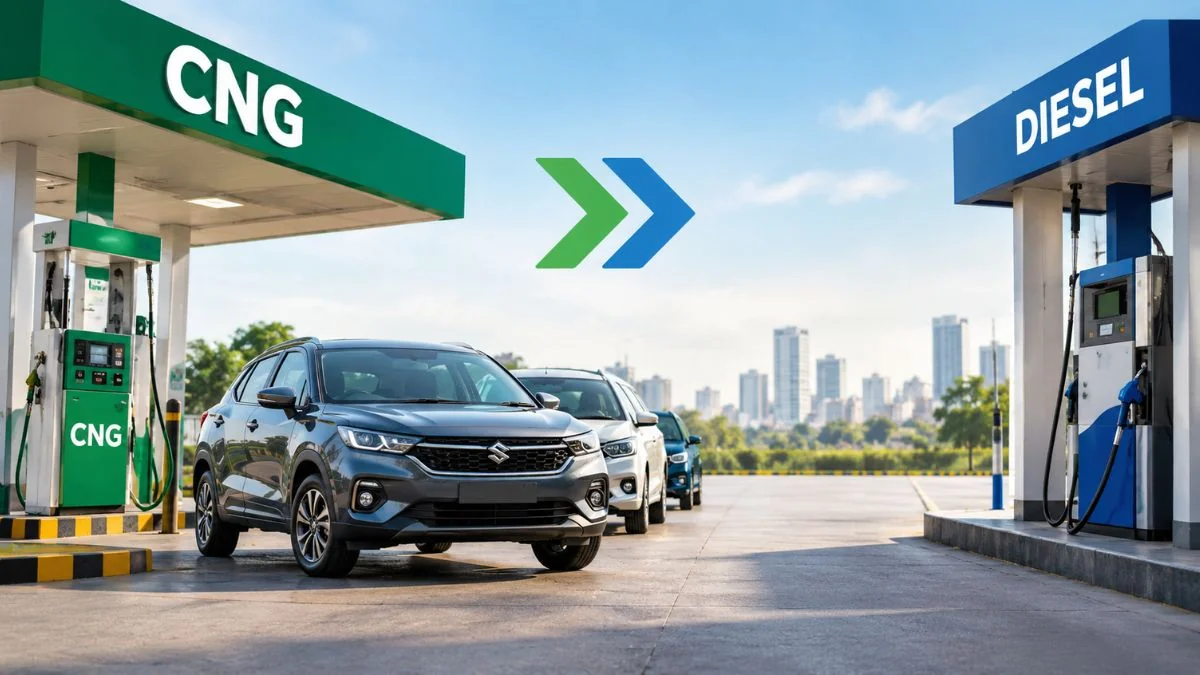
Diesel was once the obvious choice for people who drove long distances. Its strong torque, good fuel economy and long driving range made it popular among high-mileage users, particularly those buying sedans, SUVs and seven-seater cars.
However, the Indian passenger vehicle market is changing. Petrol engines are becoming more efficient, CNG is gaining popularity, hybrids are getting better and electric cars are becoming more capable. In a significant shift, CNG passenger vehicle sales have now moved ahead of diesel.
But does this mean CNG can become the new diesel for high-mileage car users?
CNG Sales Move Ahead of Diesel
CNG accounted for 21.98 per cent of India’s passenger vehicle sales in FY2026, compared with 18.08 per cent for diesel. More than 10 lakh CNG passenger vehicles were sold during the financial year. The change is even more significant when compared with a few years ago. CNG had a passenger vehicle market share of around 12-13 per cent just three years ago. The main reason behind this growth is simple: running costs. CNG allows customers to reduce fuel expenses without requiring a major change in how they use their cars.
Also Read: 5 Most Affordable Cars in India With Ventilated Seats
Why CNG Is Becoming Popular
CNG cars offer the convenience of an internal-combustion engine while keeping fuel costs relatively low. This makes them particularly attractive to customers who cover high annual kilometres. Maruti Suzuki has built one of the largest factory-fitted CNG portfolios in India. Tata Motors and Hyundai also offer CNG options across select models, while Kia has entered the segment with the Carens and Carens Clavis. For customers who do not have easy access to EV charging, CNG can offer a simpler alternative for reducing running costs.
CNG Still Has Some Limitations
CNG may have overtaken diesel in terms of market share, but it does not offer the same experience as a diesel powertrain in every situation. CNG cars can have less boot space because of the gas tank, while performance may not match an equivalent petrol or diesel version. The experience also depends heavily on the availability of CNG stations. This becomes more important as the size of the vehicle increases. A large SUV covering 20,000-30,000km a year could benefit from lower CNG running costs, but fitting a large CNG tank while maintaining luggage space and performance can be challenging.
What About Hybrids?
Strong hybrids could become another major alternative to diesel, especially in larger SUVs and family cars. A hybrid combines a petrol engine with an electric motor and battery, allowing the car to use electric power under certain conditions. This can improve fuel efficiency without requiring the owner to plug the vehicle into a charger. The downside is the higher purchase price. Hybrid technology can add significantly to the cost of a vehicle, which limits its appeal in more affordable segments.
Plug-In Hybrids and Range-Extender EVs
Plug-in hybrids and range-extender EVs could offer an even closer replacement for diesel in the future. These powertrains can provide electric driving for shorter journeys while using an engine for longer trips. In theory, this could offer the low running costs of an EV with the long-distance convenience of a petrol or diesel car. However, the technology is still expensive. As a result, it is more likely to become popular in larger and premium vehicles before reaching affordable segments.
EVs Are Another Alternative
Electric vehicles are also becoming a stronger option for high-mileage users. They can offer lower running costs and newer models are increasingly delivering longer driving ranges and faster charging. However, charging infrastructure remains an important factor. For people who regularly travel long distances or do not have access to home charging, an EV may not yet offer the same convenience as a CNG, petrol or diesel car.
CAFE III Norms Could Accelerate the Shift
The upcoming CAFE III norms are also expected to influence the powertrain choices made by car manufacturers. The new fuel-efficiency targets will progressively tighten from April 2027 through 2032. The regulations do not mean that diesel cars will disappear. However, they will put greater pressure on manufacturers to improve the overall efficiency of their vehicle portfolios. This could encourage more carmakers to invest in CNG, hybrid, plug-in hybrid and electric powertrains.
Can CNG Really Become the New Diesel?
CNG has already taken an important step by overtaking diesel in India’s passenger vehicle market. However, it is unlikely to completely replace diesel across all segments. CNG could become the affordable high-mileage alternative for smaller cars, compact SUVs and MPVs. Strong hybrids, plug-in hybrids and range-extender EVs could play a bigger role in larger and more expensive vehicles, while EVs will continue to grow as charging infrastructure improves. Diesel, meanwhile, still has an advantage for customers who prioritise highway efficiency, long-distance range and strong performance. It may become less common in the coming years, but it is unlikely to disappear immediately.
Also Read: New Hyundai Tucson Gets a Bigger Battery and New Hybrid System
About Author

Konica Singh
Sub-Editor

Konica Singh is a passionate Automotive Journalist who brings the world of cars to life, from EV trends to exciting new car launches. Backed by 7 years in content creation, she is skilled in writing, editing, and SEO strategy that drives engagement.
Education: MA English (Delhi University)
Social Media: LinkedIn | Instagram | Twitter | Facebook
Email: konica.carlelo@gmail.com
Location: New Delhi
ADVERTISEMENT






































Top Car Brands in India
Trending Car News in India

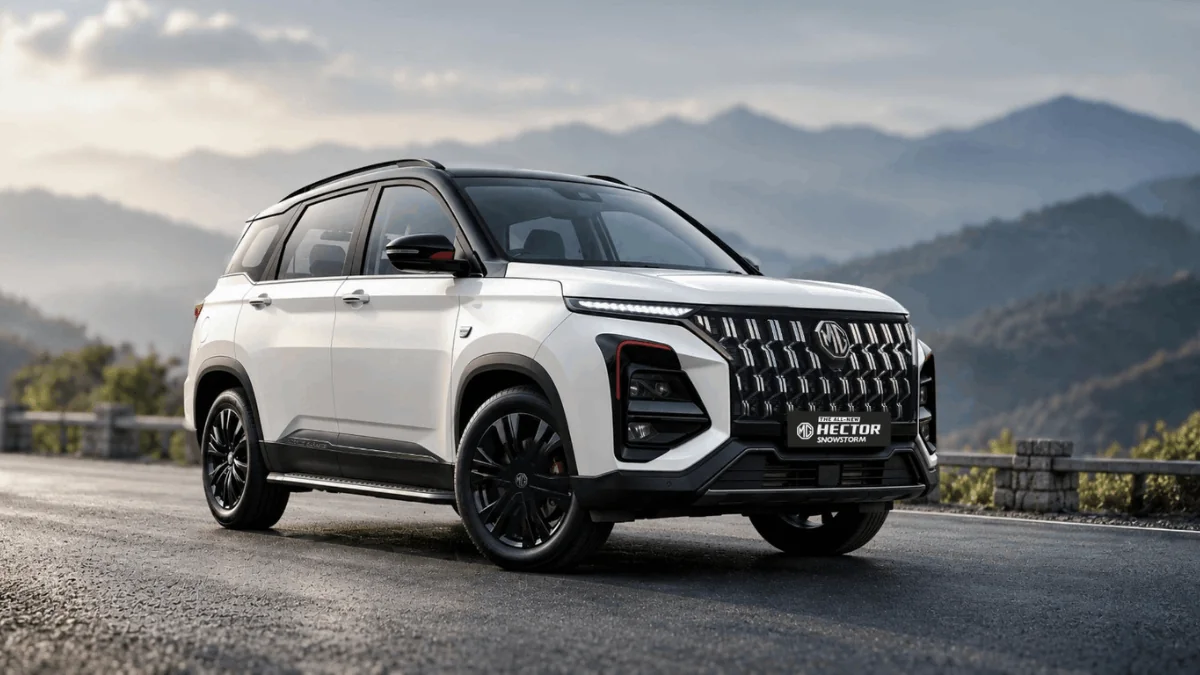
2026 MG Hector Storm Series Launched: BLACKSTORM and SNOWSTORM at Zero Cost
The customers can get the Hector's STORM Series package (BLACKSTORM and SNOWSTORM) fitted at the dealership at no extra cost.
Amit Sharma
Read More
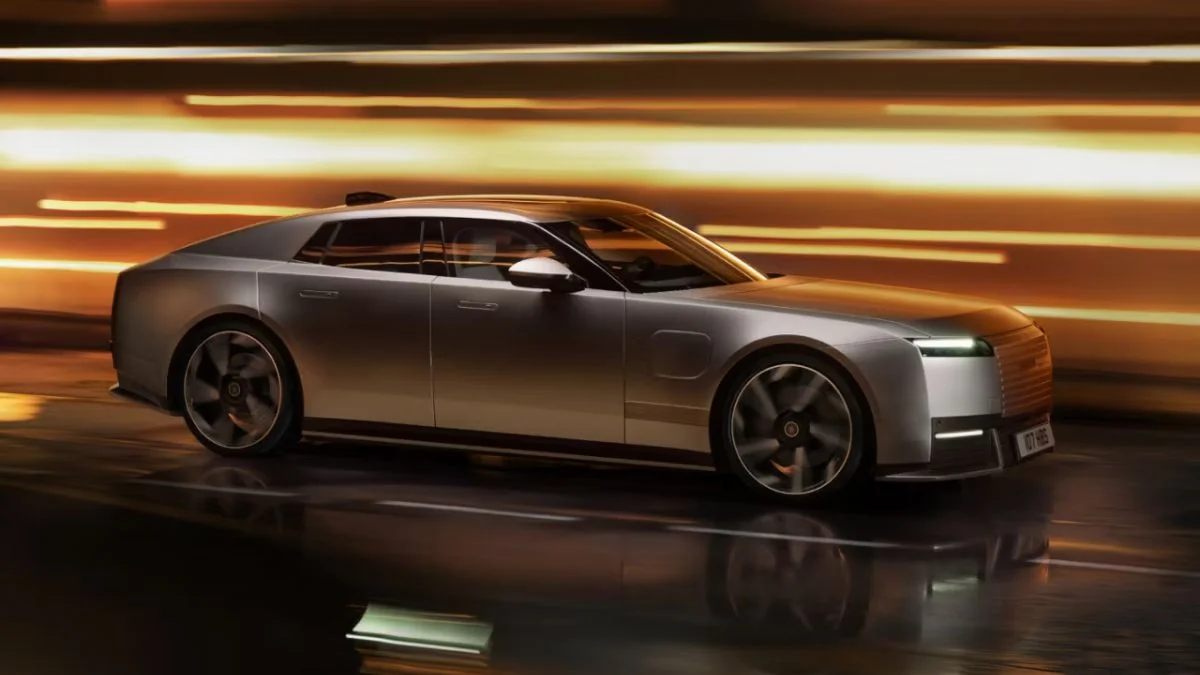
New Jaguar Type 01 Coming to India in 2027 With 1,016bhp
New Jaguar Type 01 is expected in India in 2027 with 1,016bhp, 1,365Nm, 720km range, a 118kWh battery and 350kW fast charging.
Konica Singh
Read More
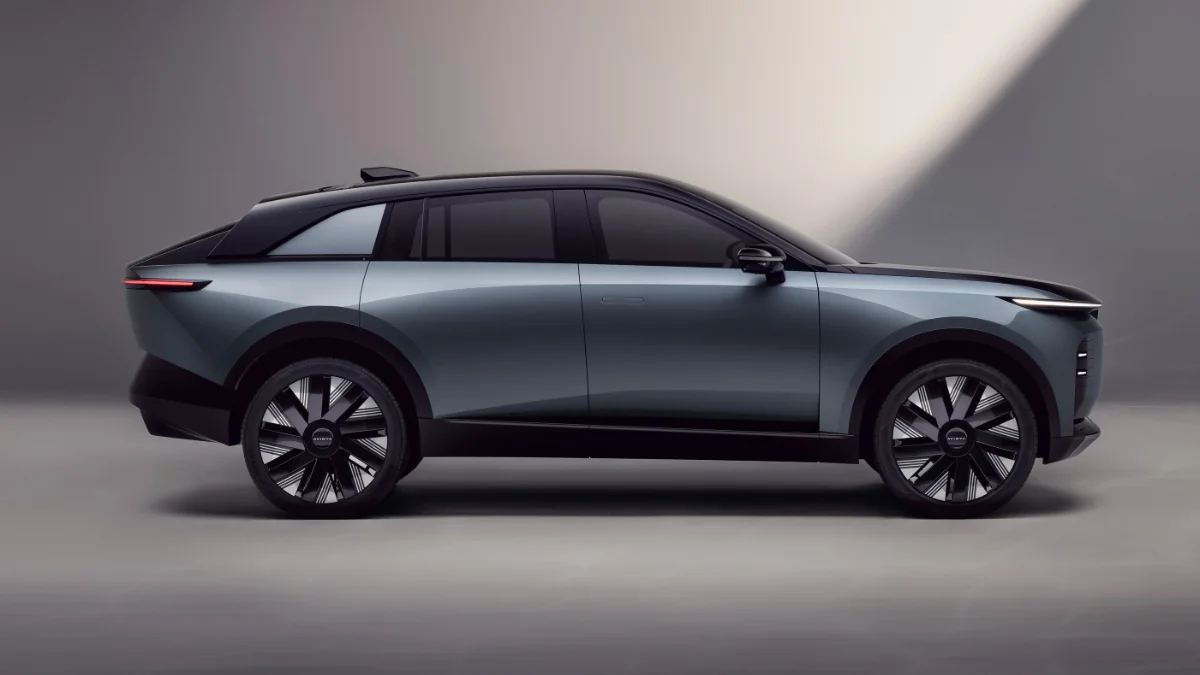
Next-gen Tata Nexon to Launch Before Avinya Series in 2027
Tata Motors will first launch the next-generation Nexon compact SUV in 2027, followed by premium models under the AVINYA series later in the year.
Amit Sharma
Read More
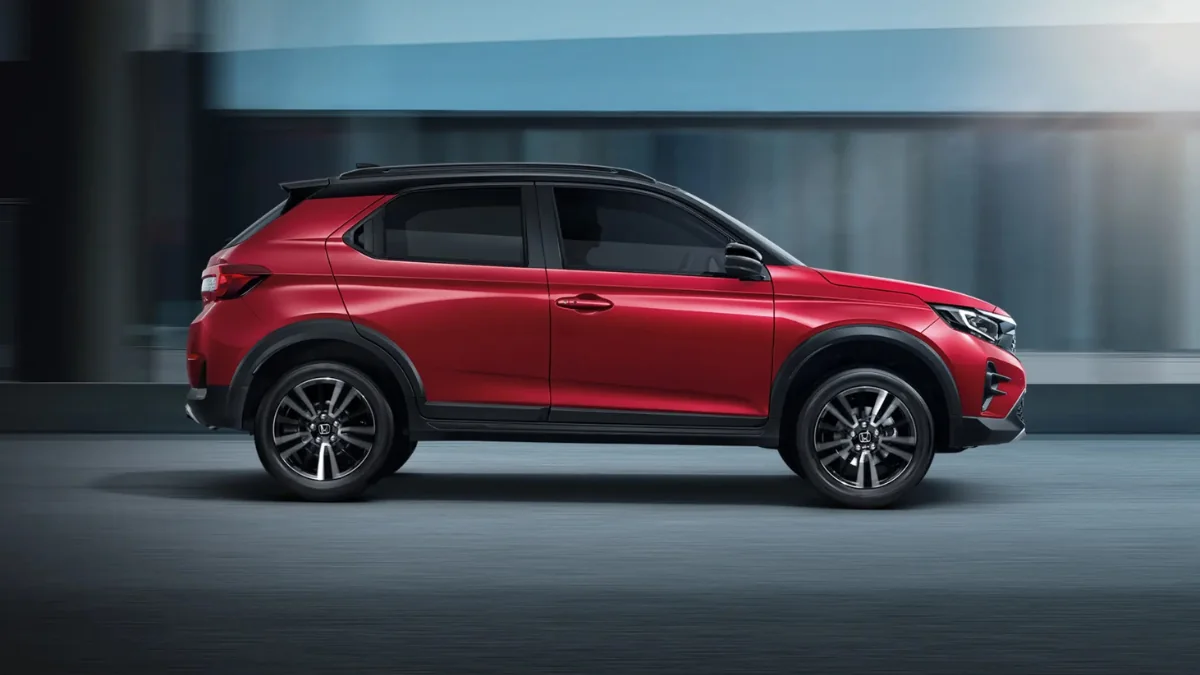
Honda to Launch Two New Mass-Market SUVs With Petrol and Electric Powertrains
Honda is planning to launch two key modes: the all-electric Honda 0 Alpha midsize SUV and a brand-new, India-centric sub-4 meter compact SUV.
Amit Sharma
Read More
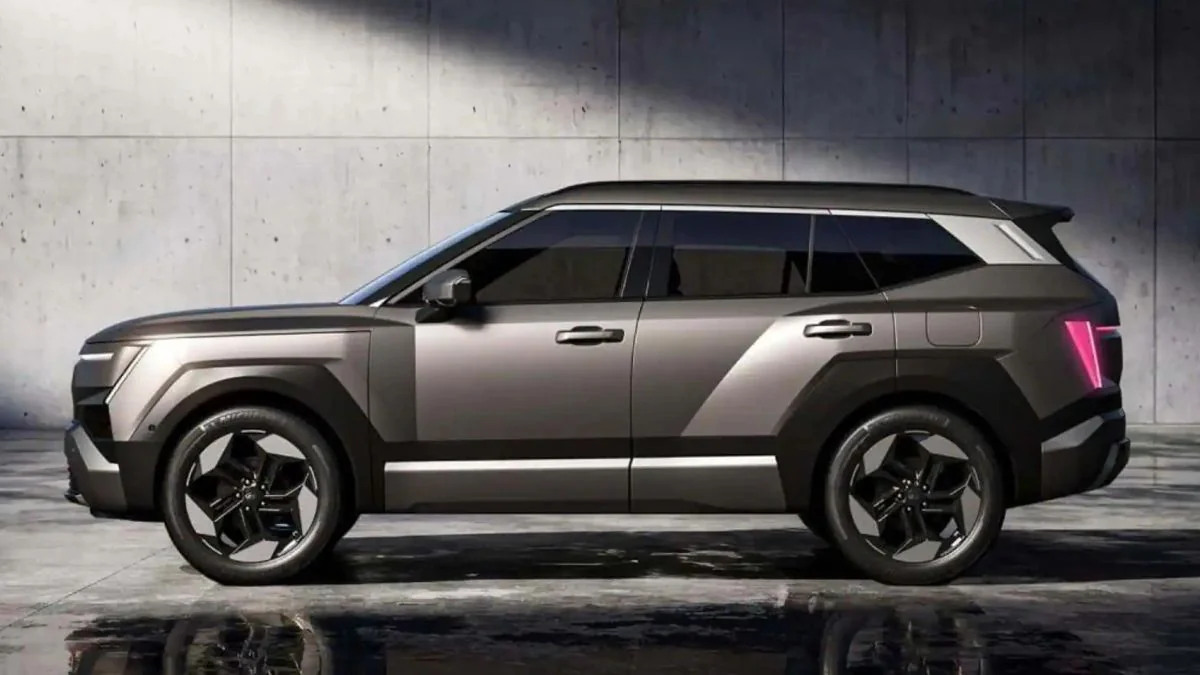
New Hyundai Tucson Gets a Bigger Battery and New Hybrid System
New Hyundai Tucson PHEV gets a 17.1kWh battery, new hybrid system, 292PS and 81km EV range, with AWD offered as standard.
Konica Singh
Read More
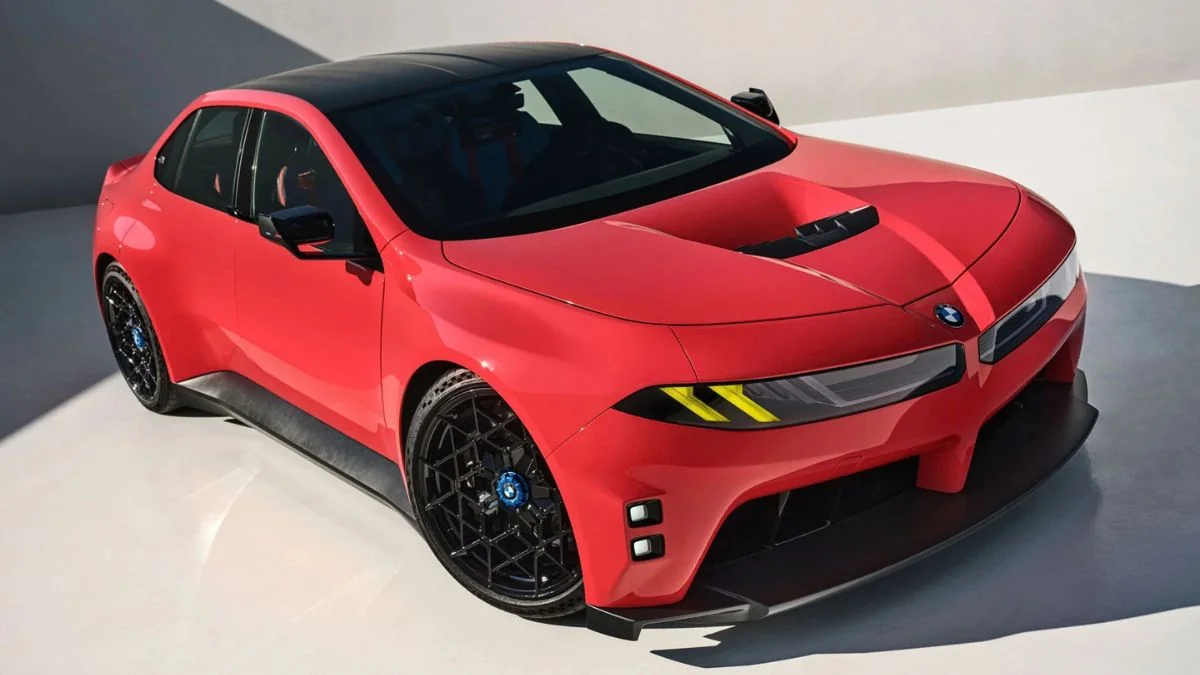
New BMW M3 Electric Revealed With Four Motors and 800V Tech
New BMW M3 electric revealed with four motors, 800V tech and a 100kWh+ battery. The EV will be built at BMW’s Munich plant from 2027.
Konica Singh
Read More
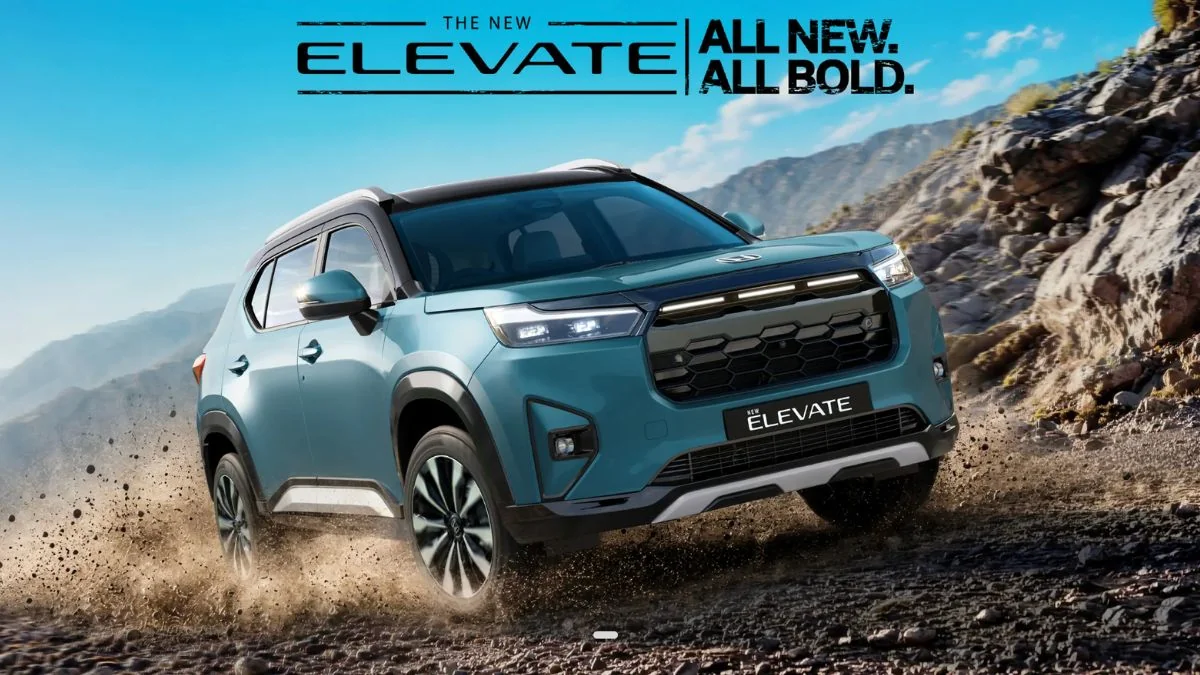
2026 Honda Elevate Facelift - 7 Major Updates Over the Old Model
New Honda Elevate facelift gets seven major updates, including connected LEDs, ventilated seats, 360 camera, powered seats and more features.
Konica Singh
Read More


ADVERTISEMENT
ADVERTISEMENT
ADVERTISEMENT
Trending Cars in India

Trusted Dealer
All Over India

Irresistible Offers
Stay Updated, Pay Less

Compare Cars
Choose the Right Car

Easy Finance
Multiple Finance Options


Monday - Saturday

10:00am - 6:30pm

contact@carlelo.com