


EV Price Cuts Like the VinFast VF MPV 7: How a Lower Showroom Price Changes Your Car Insurance






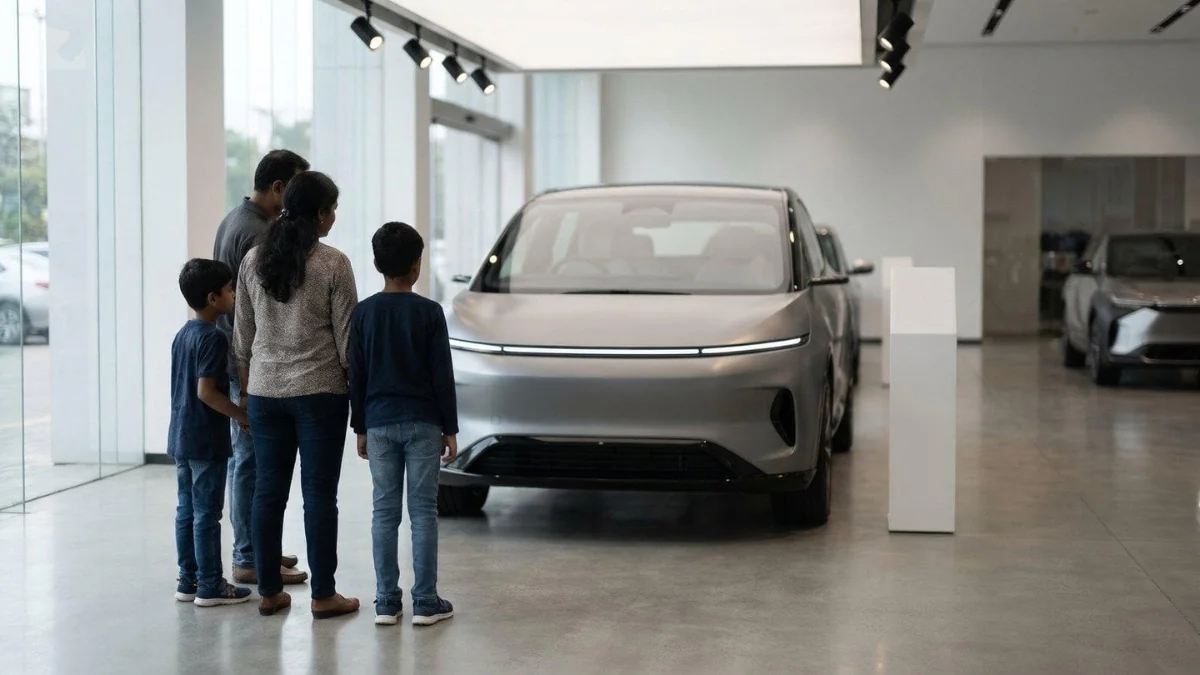
A lower showroom price lowers the insured value of the car, and that trims the own-damage part of the premium.
A lower showroom price lowers the insured value of the car, and that trims the own-damage part of the premium. On an EV like the VinFast VF MPV 7, the same cut can also lower the payout an earlier buyer gets after a theft or total loss.
What the VinFast VF MPV 7 Price Cut Changed
The VinFast VF MPV 7 price cut took the seven-seater electric MPV from Rs 24.49 lakh to Rs 20.39 lakh, ex-showroom. That is Rs 4.1 lakh less, as reported by Autocar India and CarDekho on 4 November 2026.
The car itself has not changed. Autocar India reports the same 60.13 kWh battery pack, a claimed range of 517 km and the same equipment. It is still sold in one fully loaded variant.
The MPV went on sale in April 2026. So the cut matters to two groups: people buying now, and people who paid the launch price over the past six months.
Insured Value Starts from the Ex-Showroom Price
The insured value starts from the ex-showroom price because insurers begin every IDV (insured declared value) from that number. IDV is the most the insurer pays if the car is stolen or written off. Road tax, registration and the insurance cost itself are left out.
The rule comes from the India Motor Tariff, quoted on the General Insurance Council's IDV page. It says IDV is fixed on the listed selling price of the model, as set by the car company, at the start of the insurance or renewal. A standard cut for the car's age is then taken off.
So when a maker cuts the listed price, the starting point for every car insurance quote on that model drops on the same day. A brand new VF MPV 7 now starts at 95% of Rs 20.39 lakh, which is about Rs 19.37 lakh. At the old price, the same car would have started at about Rs 23.27 lakh.
Which Part of the Premium Changes After a Price Cut
The own-damage part of the premium changes after a price cut, and the third-party part does not. Own-damage cover pays for loss or damage to your own car. Third-party cover pays for injury or damage you cause to someone else and is compulsory.
Own-damage premium is worked out as a share of the IDV. That share is usually 1.9% to 3.7% of the IDV for most private cars, depending on the city and the engine or battery size.
For a new VF MPV 7, the IDV is about Rs 3.9 lakh lower than at the launch price. At those rates, the own-damage premium falls by roughly Rs 7,400 to Rs 14,400 a year, before any discount.
The third-party price is set by IRDAI, the insurance regulator, and does not move with the IDV. Electric cars already get a 15% discount on that third-party rate.
Add-ons priced as a share of the own-damage premium also get a little cheaper. Return to invoice cover is one of them.
What Happens to Owners Who Paid the Old Price
Owners who paid the old price can see a lower IDV at their next renewal. The tariff wording ties IDV to the listed price at the start of each renewal, not to the price on your bill.
Take a VF MPV 7 bought at Rs 24.49 lakh. At a renewal when the car is between one and two years old, the age cut is 20%.
-
Worked from the launch price, the IDV would be about Rs 19.59 lakh.
-
Worked from the new listed price of Rs 20.39 lakh, it is about Rs 16.31 lakh.
-
The gap is roughly Rs 3.28 lakh of cover on a theft or total loss claim.
The vehicle insurance premium falls a little, but so does the most you can be paid. Insurers often allow the IDV to be set within a band of about 90% to 110% of the worked-out value, as Hizuno explains. You can ask for the top of that band at renewal.
The IDV printed on each renewal quote is the number to compare. If two insurers show very different numbers for the same car, ask each one which listed price they used.
Return to Invoice Cover After a Price Cut
Return to invoice cover after a price cut is the add-on that protects what you actually paid. In a total loss or theft, it pays the value on your purchase bill instead of the lower IDV.
The payout is the original invoice value, including the ex-showroom price, registration and road tax, subject to policy terms. The cover usually costs about 10% more than the comprehensive premium.
It has an age limit. Depending on the insurer, return to invoice is sold only for cars up to 3 or 5 years old.
For an owner who paid Rs 24.49 lakh, this add-on keeps the bill amount as the payout baseline even after the listed price drops. Before renewing, read how the policy wording defines invoice value. Some wordings may cap the payout at a current replacement value, so ask the insurer to confirm in writing.
Why a Lower IDV Matters More on an Electric Car
A lower IDV matters more on an electric car because the battery is such a large share of the car's value. ev.care puts the battery at 40% to 60% of an EV's total value.
The IDV also decides when a car counts as a total loss. Under the tariff, a car is treated as a constructive total loss (written off) when repair costs exceed 75% of the IDV.
On an IDV of Rs 19.59 lakh, that line sits at about Rs 14.69 lakh of repairs. On an IDV of Rs 16.31 lakh, it drops to about Rs 12.23 lakh. A badly damaged battery pack can push a claim toward that line sooner.
Partial claims have their own catch. On a plain comprehensive policy, batteries fall in the 50% depreciation group with tyres and rubber parts, according to ev.care. Zero depreciation cover (an add-on that pays for replaced parts without a cut for wear) removes that deduction, but check that the wording includes the battery.
Steps to Take at Purchase or Renewal
The steps at purchase or renewal are the same whether you buy after a price cut or own a car bought before one. A buyer after the cut pays less for the car and less for the first year of own-damage cover. An owner from before the cut has more to lose at renewal, so the IDV deserves a closer look.
1. Note the ex-showroom price on your invoice and the current listed price of your model.
2. Compare the IDV on each quote with the age table and the current listed price.
3. Ask for an IDV near the top of the allowed band if you want a bigger payout.
4. Add return to invoice cover if the car is within the insurer's age limit.
5. Confirm that zero depreciation and battery protection covers name the battery.
6. Compare own-damage premiums only, since the third-party price is the same everywhere.
Keep a copy of the original invoice with the policy papers. It is the document an insurer asks for in a return to invoice claim, and it shows the price you actually paid.
Frequently Asked Questions
Does a car price cut lower my third-party premium?
A car price cut does not change the third-party premium. That rate is set by IRDAI and does not depend on the IDV. Electric cars already get a 15% discount on the third-party rate.
Will my renewal IDV drop if the maker cuts the price after I buy?
Your renewal IDV can drop, because the tariff ties IDV to the listed price of the model at the start of each renewal. The car's age cut is then applied on top of that lower price.
Is IDV important for car insurance?
IDV is the most the insurer pays after a theft or total loss, and own-damage premium is a share of it. A low IDV saves a little premium but can leave a large gap on a big claim.
Can I choose a higher IDV than the insurer suggests?
You can usually ask for a higher IDV within a band of about 90% to 110% of the worked-out value. A higher IDV raises the own-damage premium slightly and raises the total loss payout.
What is gap insurance for cars in India?
Gap cover in India is usually sold as return to invoice cover. It pays the purchase bill value, including road tax and registration, after a theft or total loss, in place of the lower IDV.
Key Takeaways
-
IDV starts from the listed ex-showroom price, so a price cut lowers the insured value of every car of that model.
-
Only the own-damage premium falls. The third-party price stays the same because IRDAI fixes it.
-
Owners who paid the old price may see a lower IDV at renewal. The quoted IDV can be raised toward the top of the allowed band.
-
Return to invoice cover keeps the bill amount as the payout baseline, which matters most after a price cut.
About Author
Team CarLelo
Sub-Editor

Team CarLelo is a group of passionate car enthusiasts and auto experts who bring you the latest car news, launches, reviews, and buying tips. The team focuses on simple, clear, and useful content to make car buying easy and stress-free for readers across India.


































Top Car Brands in India
Trending Car News in India

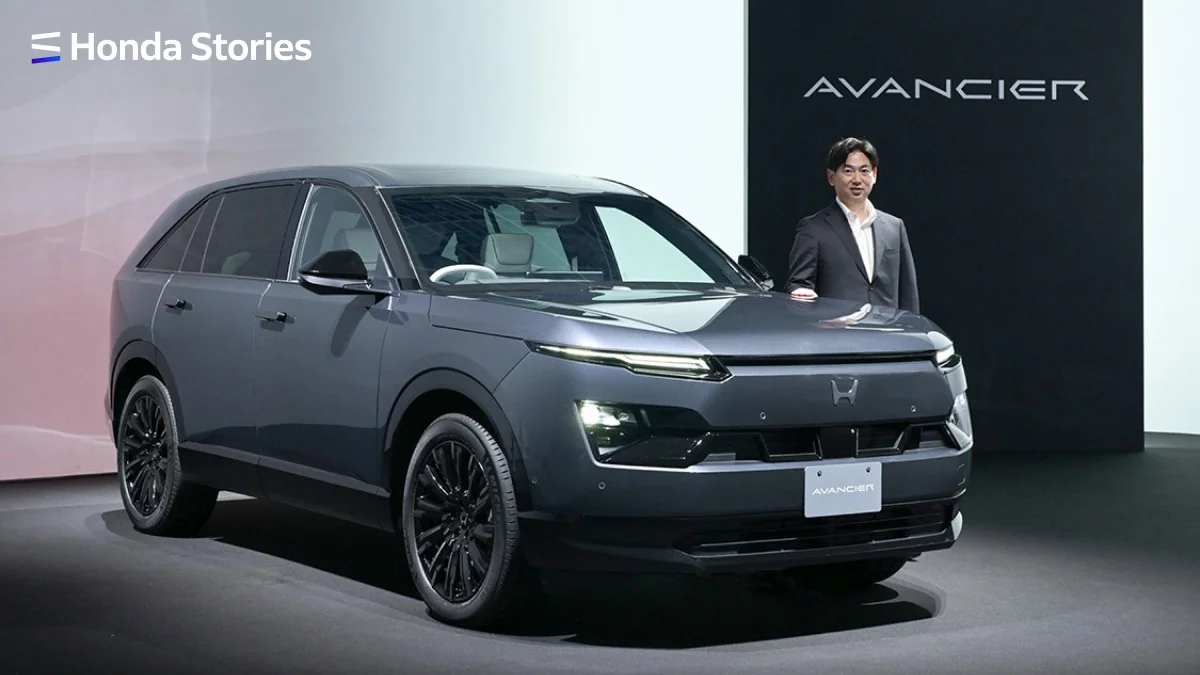
Honda Avancier 7-Seater SUV Revealed with Honda Hybrid System
The all-new Honda Avancier is developed as a three-row SUV, and is scheduled to be rolled out to markets primarily in Asia, including Thailand, Japan and China.
Amit Sharma
Read More
Tata to Launch New Nexon and Kuno Electric SUVs in 2027-28 - Positioned Below Sierra EV
Tata is planning to launch next-gen Nexon EV and a new electric SUV codenamed “KUNO” in 2027-28. Both will be positioned between the Punch EV and the Sierra EV.
Amit Sharma
Read More
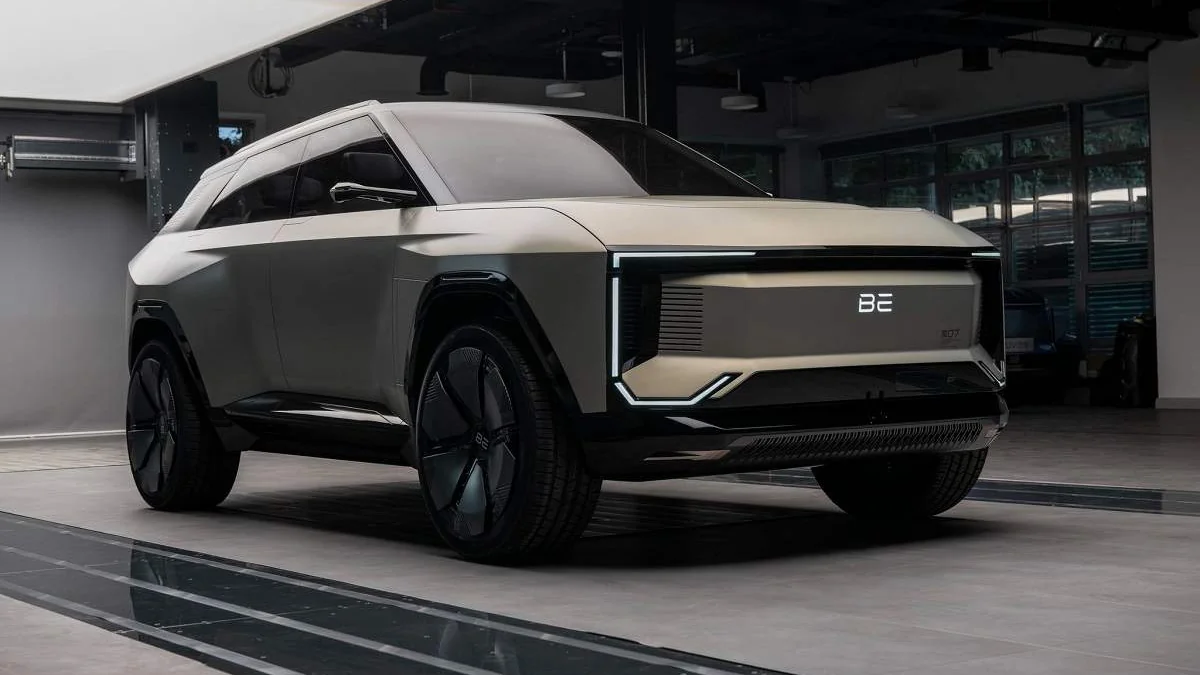
New Mahindra 7-Seater Electric SUV Coming Soon – BE 07 Details Revealed
Mahindra BE 07 electric SUV is set to arrive by June 2027. It will be a 7-seater SUV with multiple battery options and premium features.
Chhavi
Read More
4 All-New Tata SUVs Coming Soon – Nexon to Avinya X
Tata Motors plans to launch four all-new SUVs by 2028. The lineup will include the Avinya X, next-gen Scarlet, Scarlet and Kuno EV.
Chhavi
Read More
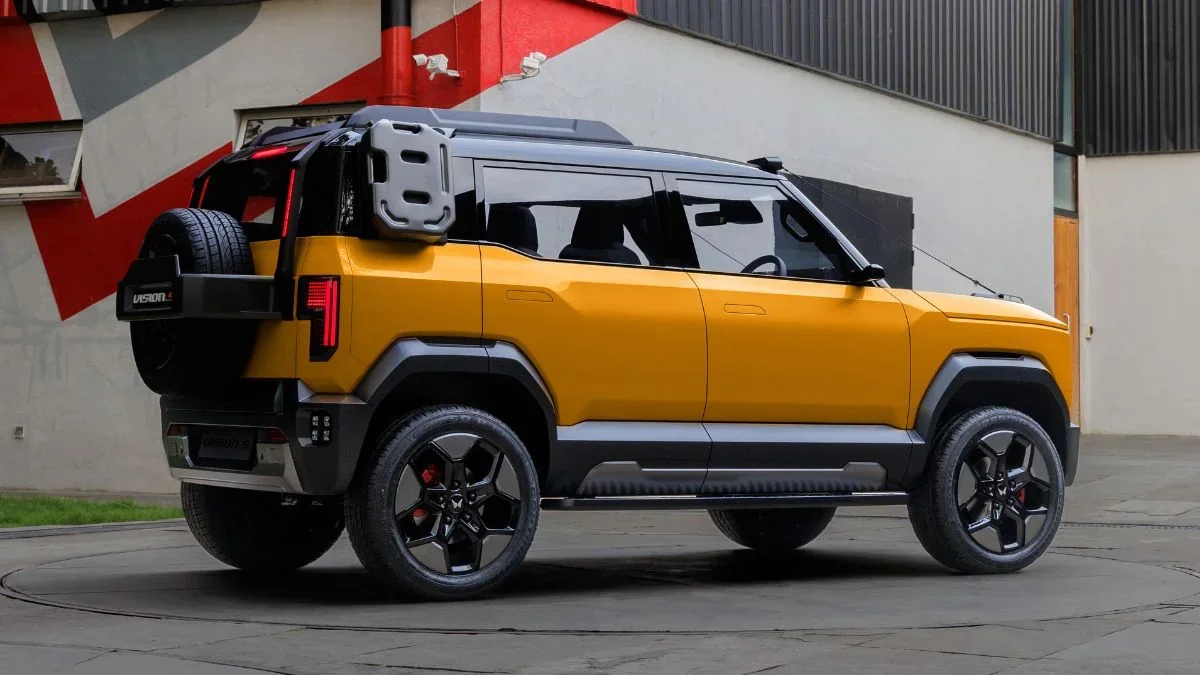
Baby Scorpio-N Incoming! 5 Things to Know About Mahindra Vision S-Based SUV
Mahindra Vision S concept based compact SUV is expected to be launched in the country at the 2027 Auto Expo; to rival Tata Nexon, Maruti Brezza and Kia Sonet
Amit Sharma
Read More
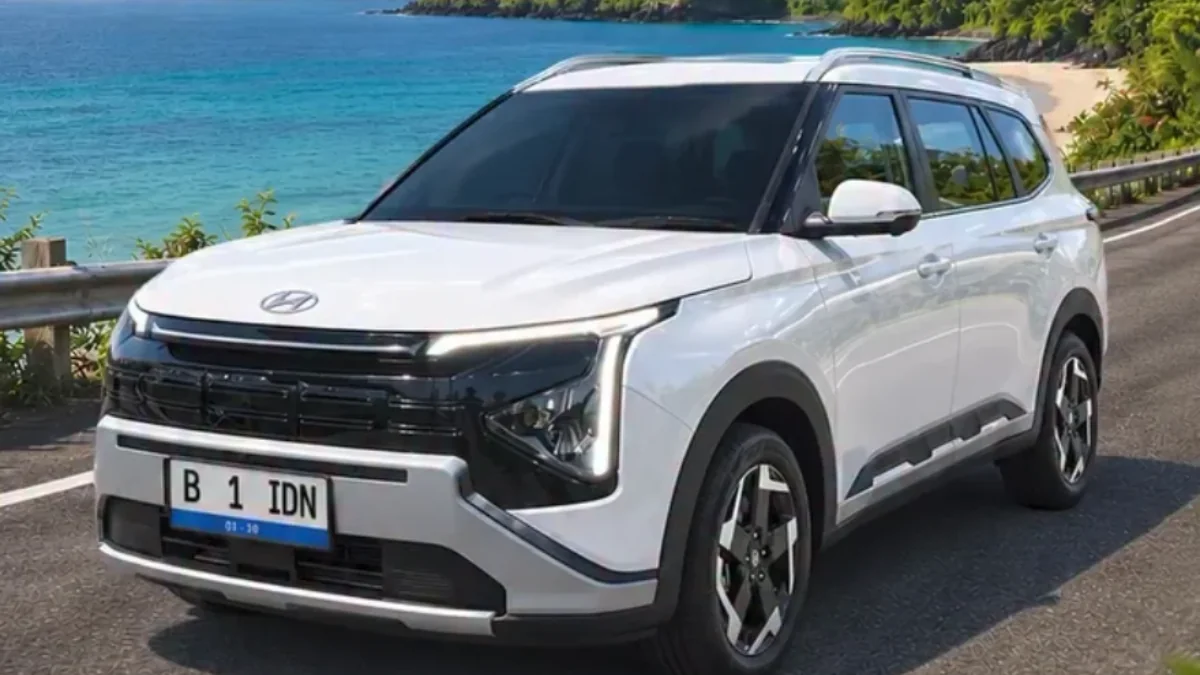
Top 3 Upcoming 7-Seater Hyundai Cars in India: Palisade, Neira and NI1i Hybrid SUV
From all-electric/multi-fuel family MPV to a 7-seater strong hybrid SUV, and the Palisade, here is a list of 3 upcoming 7-seater Hyundai Cars in India by 2028.
Amit Sharma
Read More


Latest Vinfast Car News and Updates
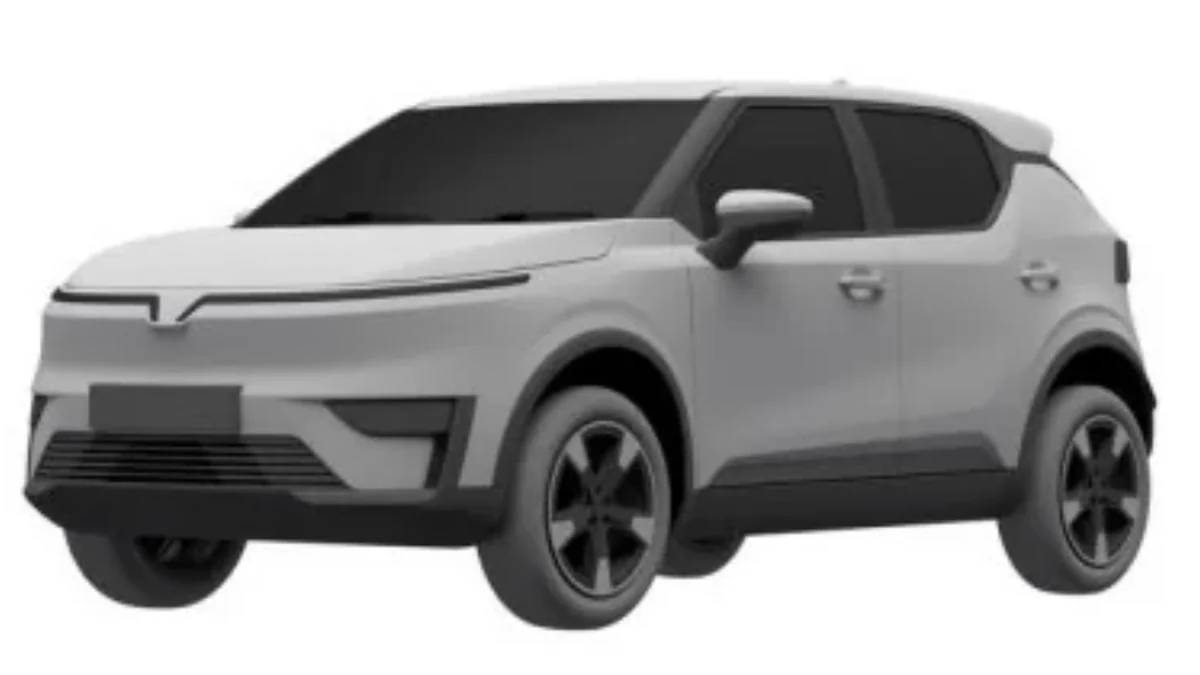
This VinFast SUV is Heading to India to Challenge Tata Nexon EV
VinFast India has filed a design patent for the VF5 facelift, which comes with revised design and a feature-loaded cabin. Launch expected in early 2027.
Amit Sharma
Read More
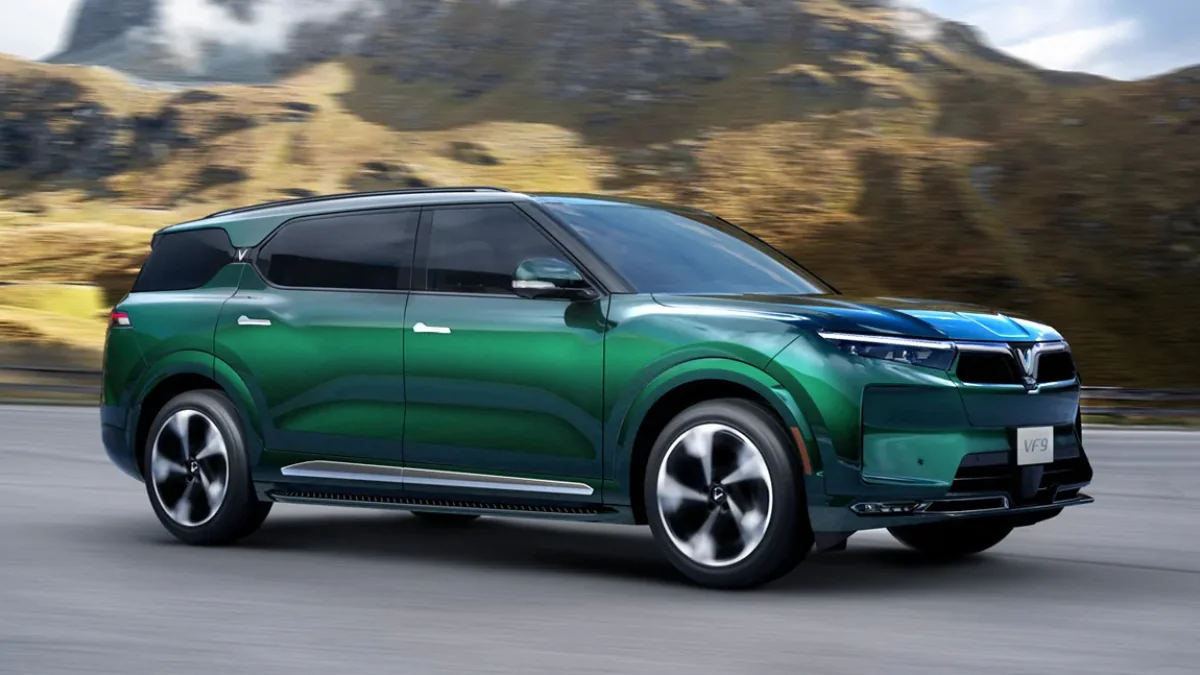
VinFast’s Biggest EV Could Be Coming to India
VinFast’s biggest EV, the VF 9, could come to India with three rows, a 123kWh battery, 626km range, 402bhp and Level 2 ADAS.
Konica Singh
Read More

VinFast VF7 Gets Expensive by up to Rs 1.13 Lakh - Now Starts at 22.99 lakh
VinFast has increased the prices of the VF7 electric SUV by up to Rs 1.13 lakh; now priced between Rs 22.99 lakh and Rs 28.09 lakh, ex-showroom.
Chhavi
Read More

VinFast VF5 is Heading to India to Rival Tata Punch EV
VinFast is planning to launch the VF3 and VF5 small SUVs, and the later has already been spotted testing on the Indian roads.
Amit Sharma
Read More
VinFasts Tata Punch EV Rival Electric SUV-Launch Timeline & Details
The Vietnamese EV manufacturer is now aiming to further expand its Indian product portfolio with the VF 3 hatchback and VF 5 subcompact SUV.
Chhavi
Read More
VinFast VF3, VF5 and Limo Green EVs to Launch in India by 2027
VinFast is now ready to launch 3 new electric vehicles, including VF3, VF5 and Limo Green in the Indian market over the period of next 1 year.
Amit Sharma
Read More
Latest Vinfast Vf 7 News and Updates
VinFast VF7 Gets Expensive by up to Rs 1.13 Lakh - Now Starts at 22.99 lakh
VinFast has increased the prices of the VF7 electric SUV by up to Rs 1.13 lakh; now priced between Rs 22.99 lakh and Rs 28.09 lakh, ex-showroom.
Chhavi
Read More

Vinfast VF MPV 7 India Launch - Bookings Open, Prices Out on April 15
Vinfast VF MPV 7 bookings open in India for Rs 21,000. Prices to be revealed on April 15. 7-seater EV offers 500km range and modern features.
Konica Singh
Read More

VinFast VF 7 Price in India


Trending Cars in India
VinFast VF 7 Price in India

Trusted Dealer
All Over India

Irresistible Offers
Stay Updated, Pay Less

Compare Cars
Choose the Right Car

Easy Finance
Multiple Finance Options


Monday - Saturday

10:00am - 6:30pm

contact@carlelo.com