



ADVERTISEMENT

ADVERTISEMENT

How does the KIA Carens Stack up Against the Maruti Suzuki XL6?







MPVs are a popular breed of vehicles in the Indian automotive segment. While most models are expensive and bland looking, two cars that are good looking, premium and inexpensive are the KIA Carens and the Maruti Suzuki XL6. Let us find out how the two cars compare head-to-head in terms of design, features, price and powertrain.
Kia Carens Vs Maruti XL6: Exterior Design

The Kia Carens is an interesting vehicle, that offers a good mix of an SUV and MPV with its design. The Carens is the first offering from the brand in India to come with that its new organic design philosophy that started with the EV6 globally. The split headlight setup with the wide grille gives the Carens an aggressive front design. The side is all practical and business-like with a large glass area and stylish 16-inch alloy wheels. The rear end gets an all-LED taillight setup along with chrome finishing around the bumpers.

On the other hand, the Maruti Suzuki XL6 shares its basic design with more budget friendly Maruti Suzuki Ertiga MPV, but is differentiated by a more angular headlight, the new NEXA Wave grille, roof rails, redesigned taillights and rides taller. Despite all the changes that XL6 is often confused for the Ertiga, hampering its overall image.
Kia Carens vs Maruti XL6: Interior Design

Moving to the interiors, the Maruti XL6 has an all-black colour scheme giving the MPV an overall sporty appeal. The centre console gets a touchscreen infotainment system with Android Auto and Apple CarPlay. The instrument console has a colour MID screen nestled between the analogue dials giving information about the state of charge of the hybrid system. Other features include auto climate control, reversing camera, sensors, keyless start/stop and more.

In comparison, the interior of the Kia Carens is leaps and bounds ahead of the Maruti with a more premium looking dual-tone beige and black scheme and a longer features list. Like all KIA’s, the centre console is dominated by the 10.25-inch touchscreen infotainment system with integrated Android Auto and Apple CarPlay. Also new is a fully digital instrument cluster that is common for all KIA and Hyundai cars. In addition, there are a myriad of other features including a Bose speaker system, a single-touch tumble-down middle-row seat, 64 colours changing ambient lighting and a sunroof. So, in terms of the overall cabin experience, it’s the KIA that’s a clear winner.
Kia Carens Vs Maruti XL6: Powertrain

Another segment where the KIA Carens clearly wins is in the powertrain segment. The Carens is offered with three engine options – 2 petrol and one diesel. The first is a 1.5-litre 4-cylinder unit churning out 115 bhp and 144 Nm that comes mated to either a manual or an IVT transmission. The second is the more powerful 1.4-litre turbo-petrol that is capable of producing around 140 bhp with a peak torque of 242 Nm. This engine option is available with either a manual or a 7-speed DCT gearbox. The final option is the less popular 1.5-litre turbodiesel that makes peak figures of 115 bhp and 250 Nm. This model can be had with either a manual or automatic gearbox option.
On the other hand, Maruti offers the XL6 in with only a mild-hybrid petrol engine along with a CNG option. The new 1.5-litre K15C unit makes around 102 bhp (85 bhp in CNG) and 137 Nm (121 Nm) in CNG). The petrol unit comes mated to either a 5-speed manual or a 6-speed automatic, while the CNG is available with only a manual option. The Maruti is clearly down on power and performance when compared to the KIA but makes up for it with better fuel efficiency figures.
Kia Carens Vs Maruti XL6: Mileage
Claimed fuel efficiency figures of the Kia Carens is around 16 kmpl for the petrol variants and around 20 kmpl for the diesel variants which is among this highest in the segment. On the contrary, the XL6 with its mil-hybrid system, annihilates the KIA by returning 21 kmpl.
* All mileage figures are ARAI-claimed.
Kia Carens Vs Maruti XL6: Price
Prices for the Kia Carens starts from Rs 9.60 lakh (ex-showroom) for the entry-level Premium variant and extends up to Rs 17.70 lakh (ex-showroom) for the flagship, Luxury Plus Diesel AT model. In comparison, the Maruti Suzuki XL6 has a shorter variant line-up starting at Rs 11.28 lakh (ex-showroom) for the Zeta manual variant and extends to Rs 14.55 lakh (ex-showroom) for the range topping, Alpha+ automatic dual-tone variant.
So that is it for the comparison. Let us know which car do you prefer as you next new car purchase and why?
Read Also: Kia Carens Launch Price is Rs 8.99 Lakhs in India
About Author

Team CarLelo
Sub-Editor

Team CarLelo is a group of passionate car enthusiasts and auto experts who bring you the latest car news, launches, reviews, and buying tips. The team focuses on simple, clear, and useful content to make car buying easy and stress-free for readers across India.
ADVERTISEMENT











































Top Car Brands in India
Trending Car News in India

Hyundai Bayon - 10 Major Highlights Before Its Price Reveal
Hyundai Bayon launches on October 26, 2026. Explore 10 key highlights, including its petrol engine, AI voice assistant, ADAS and expected price.
Konica Singh
Read More

Mahindra Testing 3 All New SUVs - Mini Scorpio, Thar EV and BE 07 Detailed
Mahindra is preparing to introduce three all-new SUVs, including the Vision S compact SUV, Thar EV and BE 07 born electric by the end of 2027.
Amit Sharma
Read More
Toyota Innova Hycross Facelift – New Styling, More Features, Same Engines
Toyota Innova Hycross facelift could arrive in 2027 with new styling, more features, upgraded ADAS and the same 2.0-litre petrol and hybrid engines.
Konica Singh
Read More
Kia to Launch Two New SUVs in 2027 - Next Sonet and Seltos Hybrid
The second-generation Kia Sonet and the Seltos Hybrid will be launched in the Indian market in early 2027 and the late 2027, respectively.
Amit Sharma
Read More
Hyundai Bayon Offers Drive Modes and Dash Boost Mode for Spirited Performance
Hyundai has confirmed that the Bayon SUV will be powered by a four-cylinder 1.5L MPi petrol engine with 6MT & IVT, and Dash Mode and Sporty Drive Tech.
Amit Sharma
Read More
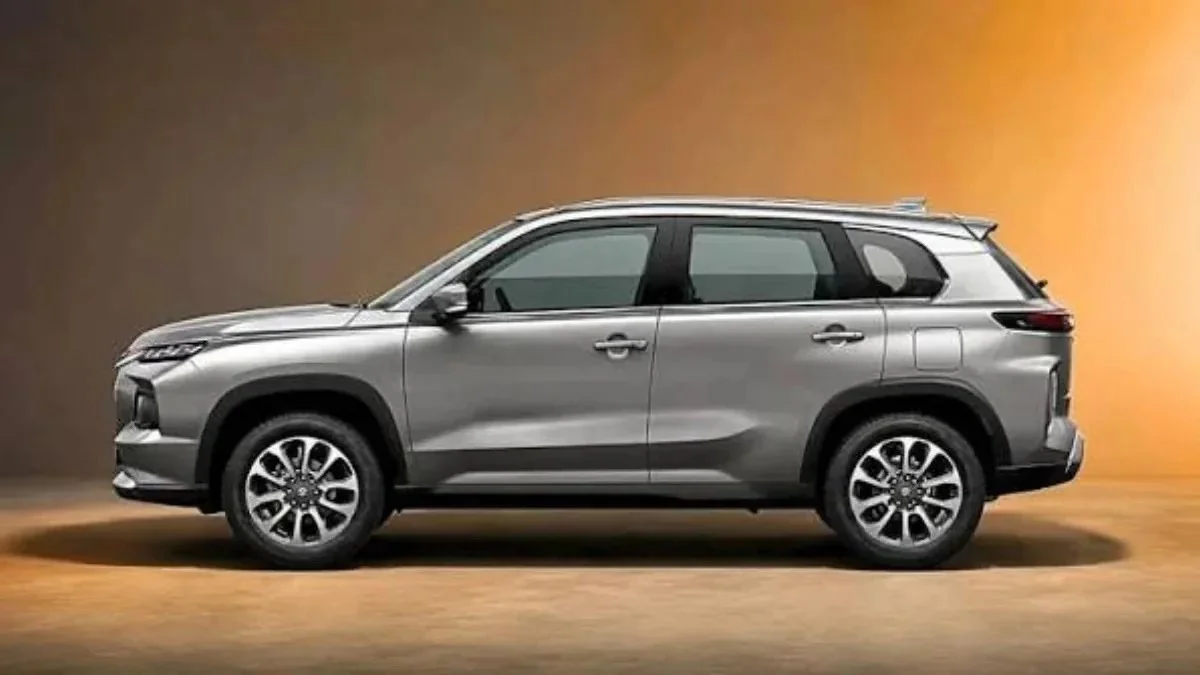
Maruti Suzuki YMC EV – 7 Seats, Long Range, Electric Power
Maruti Suzuki YMC EV could launch in India in 2027 with three-row seating and a long driving range. Here's what we know so far.
Konica Singh
Read More
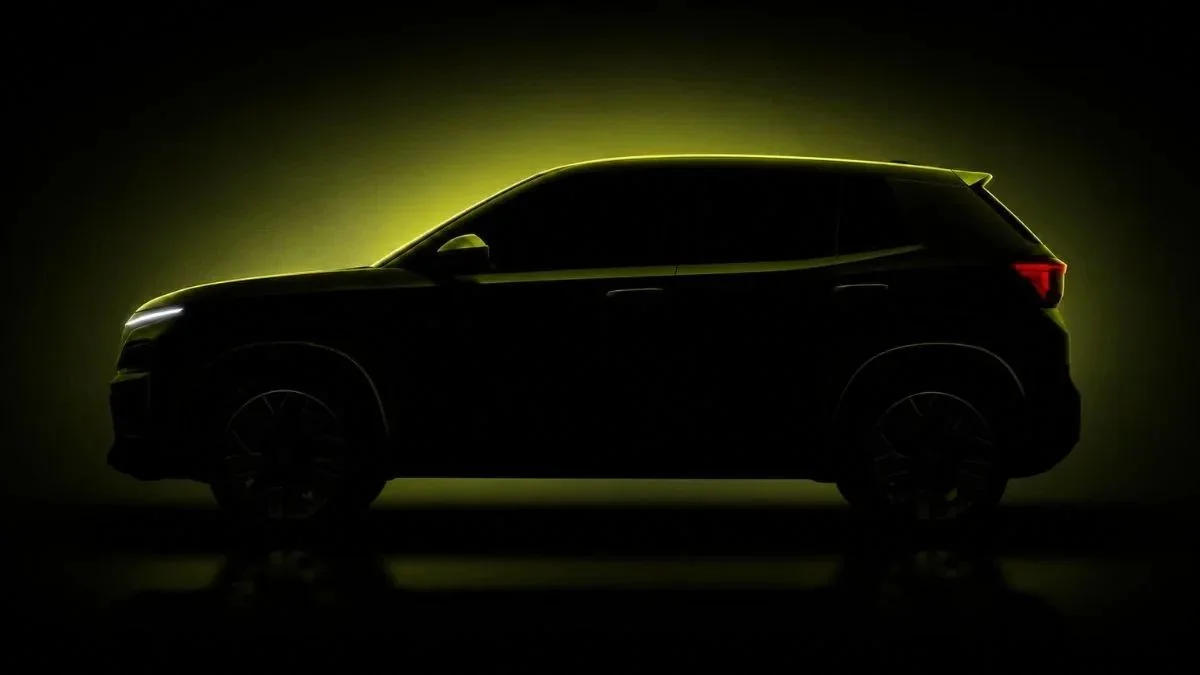
New Tata Nexon EV Could Get These Major Upgrades in 2027
The 2027 Tata Nexon EV could get a new design, improved battery packaging, more cabin space and better range. Here's what to expect from the new model.
Konica Singh
Read More


ADVERTISEMENT
ADVERTISEMENT
ADVERTISEMENT
Trending Cars in India

Trusted Dealer
All Over India

Irresistible Offers
Stay Updated, Pay Less

Compare Cars
Choose the Right Car

Easy Finance
Multiple Finance Options


Monday - Saturday

10:00am - 6:30pm

contact@carlelo.com