



ADVERTISEMENT

ADVERTISEMENT







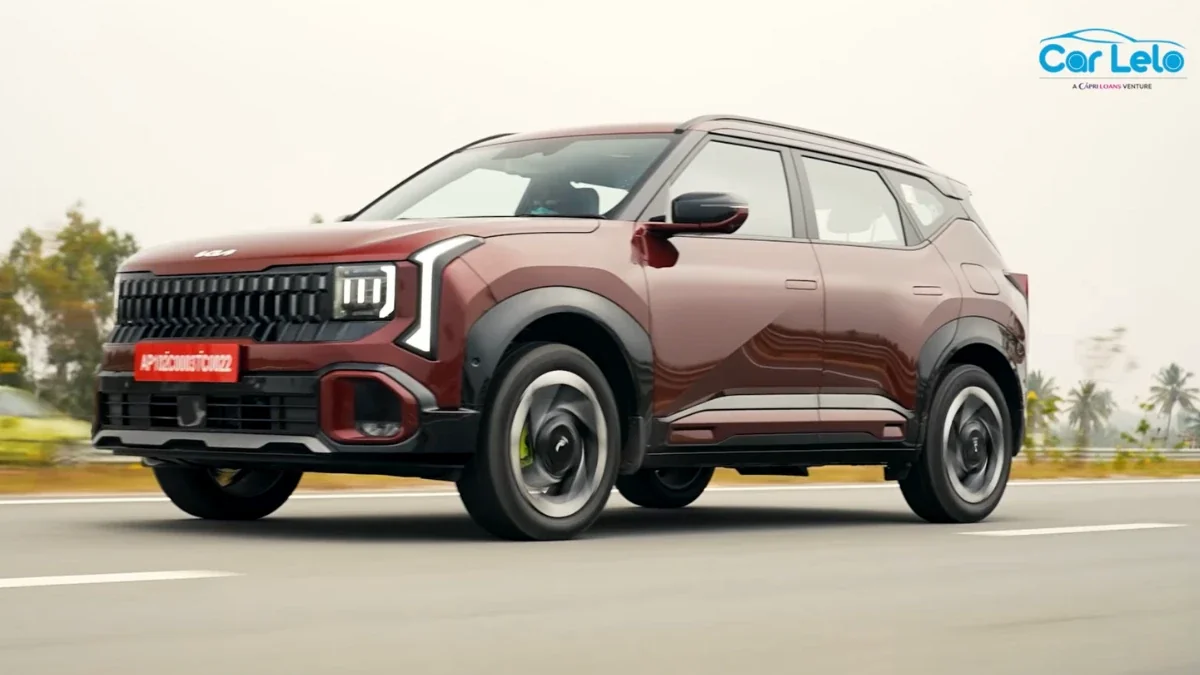
First launched in 2019, the Kia Seltos is one of the best-selling SUVs in its category. Despite rising competition, Kia manages to sell over 7,000 units of the SUV per month, which is commendable for a 5–6-year-old product. This SUV not only succeeds in our market, it helps the Korean brand to establish its footprint in the highly competitive Indian auto industry. Kia has now introduced the second-generation Seltos with more features, bigger dimensions and new look. We recently got the chance to test drive the new Seltos on the outskirts of Bengaluru to find out whether the updated are enough to keep it at the top of the highly competitive mid-size SUV segment.
Design and Dimensions
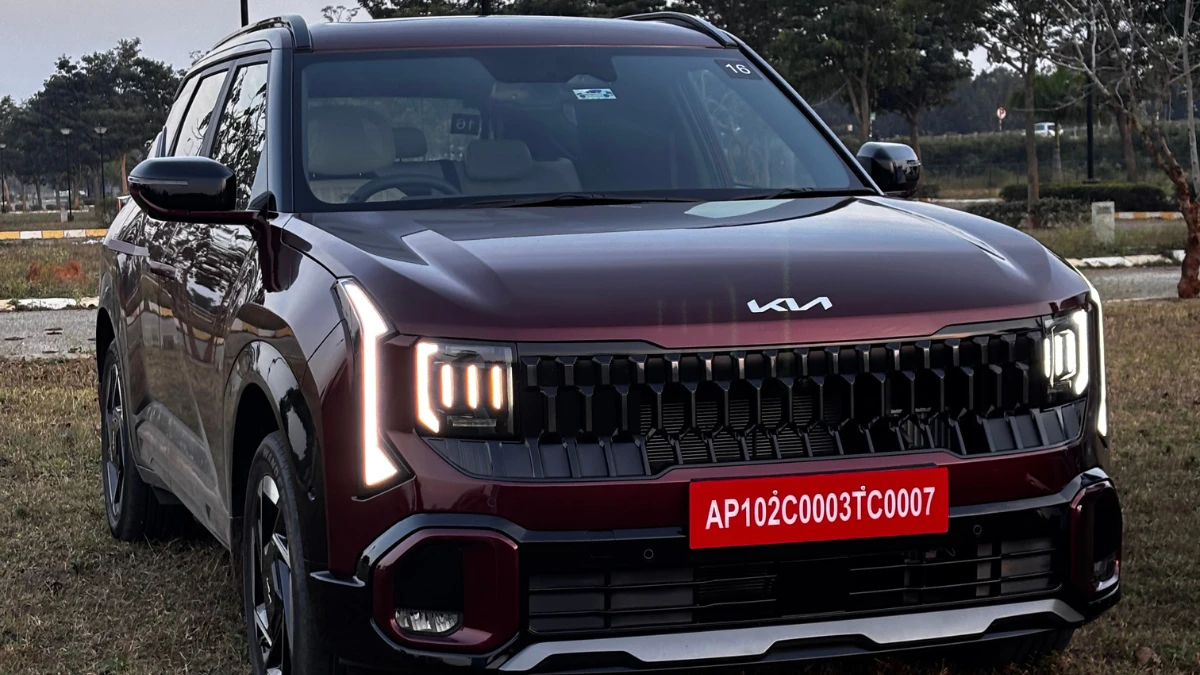
The second-generation Kia Seltos is based on the new K3 platform, which allows Kia engineers to add more modern tech and to make substantial changes to its styling and dimensions. It is now 95mm longer at 4,460mm, which is the longest in its class. In fact, the wheelbase has been increased by 80mm to 2,690mm. Only the Tata Sierra offers a longer wheelbase than the Seltos in the mid-size SUV category.
The big change comes in the form of a radically different styling, which is bold and has traits of Kia Telluride. It looks better in real life than in the pictures. Telluride design elements are clearly visible at the front, as it gets the new digital tiger-nose grille, and squared-shaped headlamps that are enclosed in the large gloss-black grille. The uniquely designed daytime running lamps wrapped nicely to the bonnet and fender.
The side profile looks good with large glass areas, a flatter roof with black roof rails, prominent gloss-black cladding on the wheel arches and a relatively smoother body panel with fewer curves and creases. It gets auto flush-type door handles, and the top-end variant gets 18-inch alloy wheels, which looks more EV-like. There are neon-painted front brake callipers, which looks odd to me.
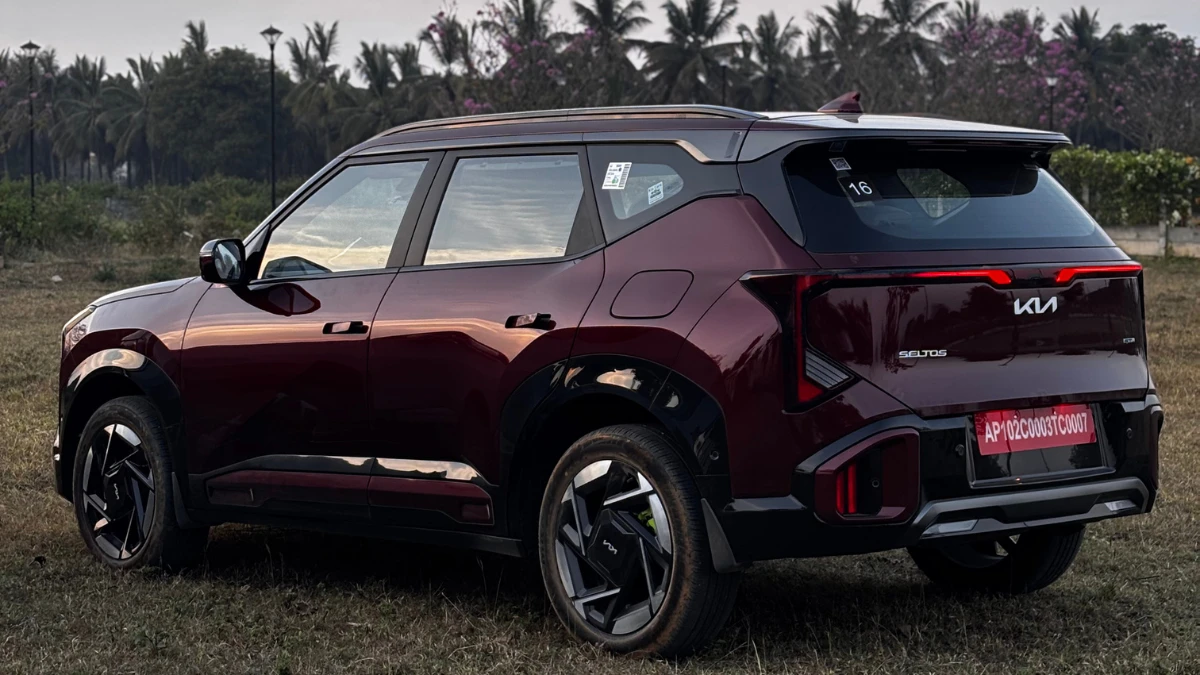
The rear looks simple, featuring large vertical LED tail-lights connected via a light strip. The licence plate is placed on the bumper, while the carved-out tailgate edges give it a wraparound profile. There is a spoiler that hides the rear wiper, and it also has an integrated stop light.
Interior Features and Space

Similar to the previous model, the new Kia Seltos interiors sets a benchmark in terms of fit and finish, material quality and feel. The panel gaps are minimal, and the material quality used, whether it is soft touch or hard plastic, is top-notch. Every trim offers different colour combinations, giving buyers multiple options. The SUV has a new connected screen that houses a 12.3-inch central infotainment unit, a 12.3-inch instrument cluster and a 5-inch HVAC touchscreen.
What I like the most is that Kia has given plenty of physical buttons to operate multiple functions such as temperature, fan speed, volume control and others. The quality of the buttons is again top-notch, and feels premium. The touchscreen is easy to use, and has no lag. Its 360-degree camera feed on the touchscreen is sharp and clear.
There is a new tilt and telescopic steering wheel, which is nice to hold and has easy-to-use buttons. Interestingly, the drive and traction modes can be changed using buttons mounted at the bottom of the steering. For music lovers, Kia has added a Bose sound system which is decent. However, Tata Sierra offers the segment-best music system with JBL speakers and Dolby Atmos tech.
In terms of features, the new Seltos has a panoramic sunroof, wireless phone charging, multicolour ambient lighting, ventilated front seats, and a 10-way power adjustable driver’s seat with a memory function. In fact, the ORVMs also have memory functions and adjust according to the memory setting. The SUV misses out on some of the key features, such as air purifier, ventilated second-row seats, electric power tailgate and others. For safety and security, the new Seltos gets six airbags, ABS with EBD, AESC, downhill brake control and others as standard. There is a full ADAS suite, which works effortlessly.
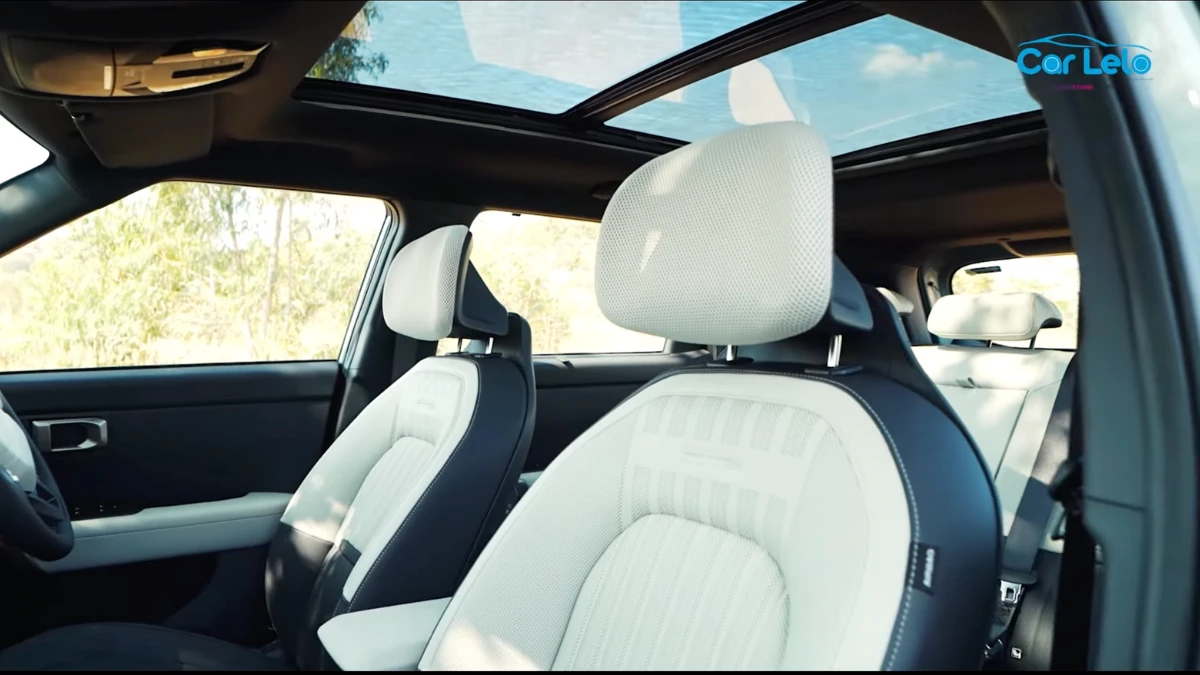
The seat cushioning is perfect, and side bolstering holds you nicely. It is comfortable for most ordinary Indians. However, for broader and bigger-sized people, the side bolstering could work as an obstacle. The front-seat headrests look cool, and offer great support. The increase in length and wheelbase translates into the roomier second-row, but it still lacks when compared to the Sierra and Honda Elevate. Cabin width is decent, and three average-sized adults can fit in with their shoulders brushing. The taller people will find a lack of thigh support and legroom space. It also misses out on boss mode function, which allows rear-seat passengers to slide the front seat forward.
Engine Performance

The new Seltos retains the engine options, a 113bhp, 1.5L naturally-aspirated petrol, a 157bhp, 1.5L turbo direct-injection (TGDi) petrol and a 114bhp, 1.5L diesel. The NA petrol is paired with a 6-speed manual or a CVT unit, while the turbo petrol engine comes with a 6-speed iMT (Intelligent Manual Transmission) or a 7-speed dual-clutch automatic. The diesel engine is paired with a 6-speed manual or a 6-speed torque-converter automatic. We drove the automatic version of the turbo petrol and diesel engines.
The 1.5L diesel engine is the most refined in its category, offering good NVH levels. The power delivery is linear, and it works as a comfortable cruiser. However, there is a lack of punch even in sports mode. To negate this behaviour, you have paddle shifters for quick shifts.
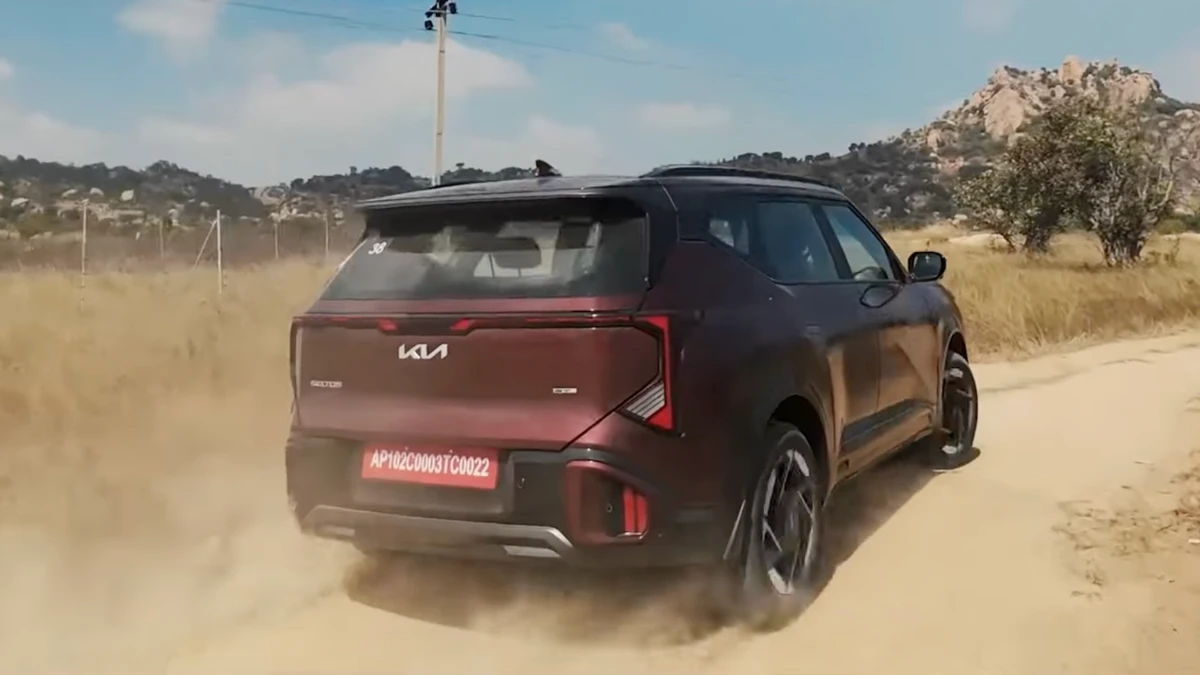
If you want more power and spirited performance, the 1.5L TGDi petrol is the one for you. The engine is refined, and the power delivery is linear all the way to the red line, which’s around 6,000-6200rpm. The engine feels relaxed when cruising at triple digits, and the dual-clutch gearbox has quick shifts. However, the low-speed performance could have been better.
The new Seltos is heavier than the previous model, which is evident from the body panels and doors. The turbo petrol engine returns close to 9-10 10kmpl in the city and around 14–15 15kmpl on the highways. On the flip side, the diesel automatic delivers around 12kmpl in the city and 16–17 17kmpl on highways.
The suspension setup has been tuned, keeping Indian roads in mind. The ride feels comfier, and regular bumps are easily absorbed by the suspensions. In the previous Seltos, the overall ride was firm, and it felt unsettling on sudden breakers and bad patches. Its high-speed stability is very good, and the car remains stable on sudden braking or even on bad patches. The steering feels light in the city, and it weighs up on increasing the speed.
Verdict – the perfect Family Car
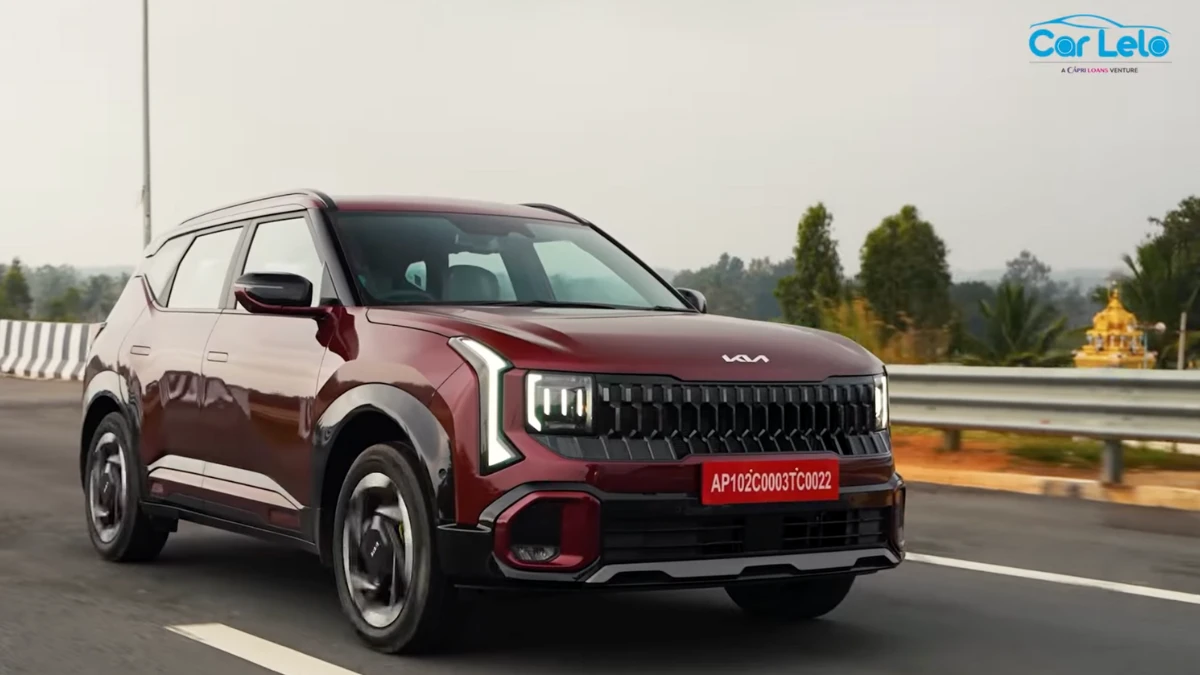
The new Kia Seltos has matured nicely, and has become more desirable than before. The suspension setup is now softer, which makes city driving comfortable. The robust safety suite and stronger body make the new Seltos safer and more planted. It comes as a great pick for young buyers looking at a family SUV. The improved driving dynamics and best-in-class cabin make it the perfect SUV in the highly competitive mid-size category.
Also See - 2025 Tata Sierra Review
About Author

Amit Sharma
Sub-Editor

Amit is responsible for the content creation on the Carlelo website with an objective to serve the online visitors to the best of his abilities. He has a vast experience of over 12 years in motoring journalism and has worked with multiple automotive brands including CarDekho, IndiaCarNews and Zee Network (India.com Auto)
Education: B-Tech in Information Technology (Rajasthan Technical University)
Expertise: Car Reviews, Live Coverage, Automobile News Writing, Industry-Driven Automotive Blogs, Content Strategy, On-Page SEO, and Keyword Research.
Achievements: His SEO-driven content strategy has significantly boosted organic traffic to our automotive news and blogs, consistently landing stories in Google’s Top Stories, enhancing Discover Traffic, and optimising for AI overviews.
Social Media & Email
Linkedin | X (Twitter) | Facebook | Instagram
Email - amitsharma294@gmail.com
Location - New Delhi
ADVERTISEMENT









































Top Car Brands in India
Trending Car News in India

All-New Hyundai Bayon Hybrid Confirmed - Euro-Spec Technical Specifications
The European-spec Hyundai Bayon will get the high-efficiency 1.6-litre full-hybrid (HEV) powertrain alongside the existing 1.0-litre T-GDI petrol engine variant
Amit Sharma
Read More
MG Windsor EV Indulge Edition Launch Price Rs 17.89 lakh
Priced at Rs 17.89 lakh, the MG Windsor EV Indulge Edition comes with a new golden exterior paint - Shadow Gold, and blackened 18-inch alloy wheels.
Amit Sharma
Read More
2026 Toyota Glanza Facelift Launching Tomorrow: Z-Series Engine and Level 2 ADAS
The Toyota Glanza facelift will come with an updated design, a new 1.2-litre 3-cylinder Z-Series petrol engine, and advanced safety tech.
Amit Sharma
Read More
3 Mass-Market SUVs Launching in Next 2 Weeks
Mahindra XUV 3XO CNG, Renault Duster Hybrid and Hyundai Bayon will be launched on October 15, October 17 and 26, respectively.
Amit Sharma
Read More
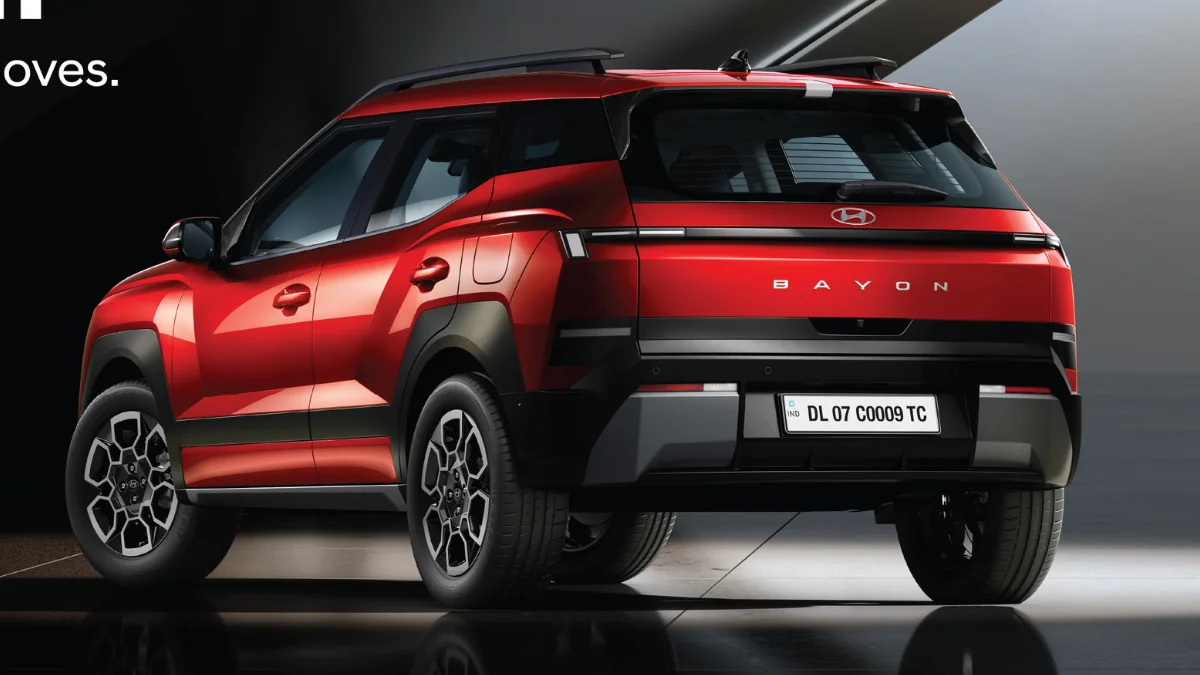
Hyundai Bayon Unveiled: Top 10 Key Facts You Need to Know
With bookings currently open at Rs 11,000 and the official launch set for October 26, 2026, here are the top 10 key facts about the upcoming crossover SUV.
Amit Sharma
Read More
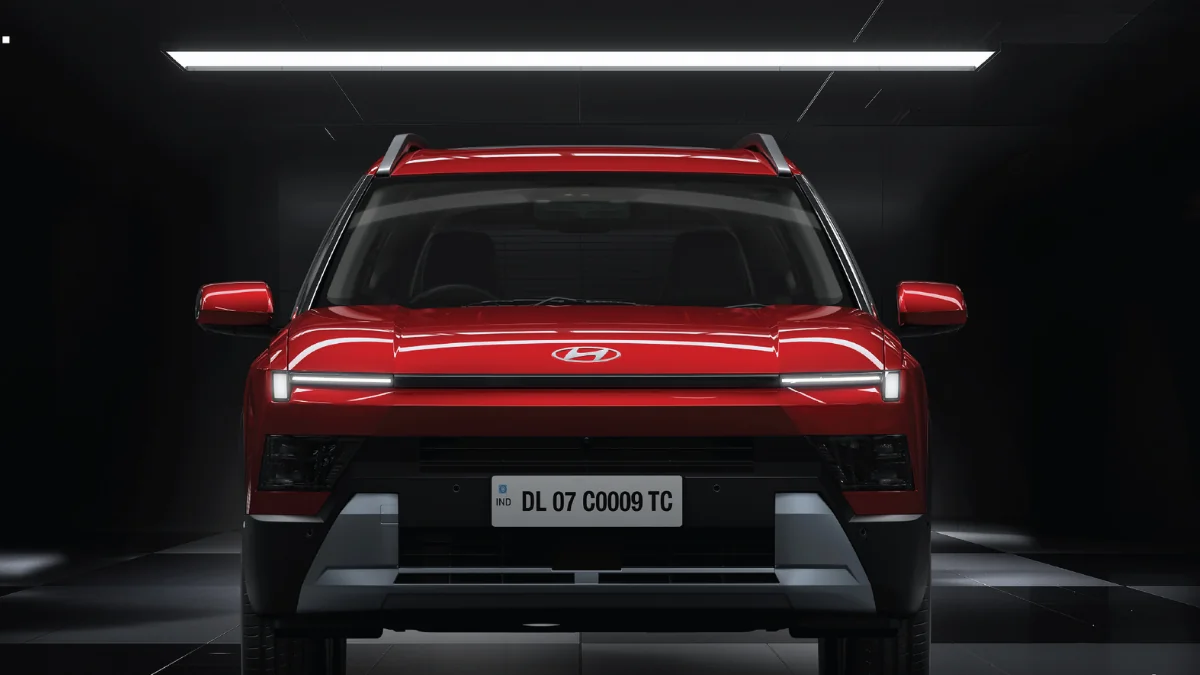
Hyundai Bayon Fully Revealed; Launch Date Out
The new Hyundai Bayon is scheduled to be launched on October 26, 2026, and official deliveries are scheduled to commence during the festive season.
Amit Sharma
Read More
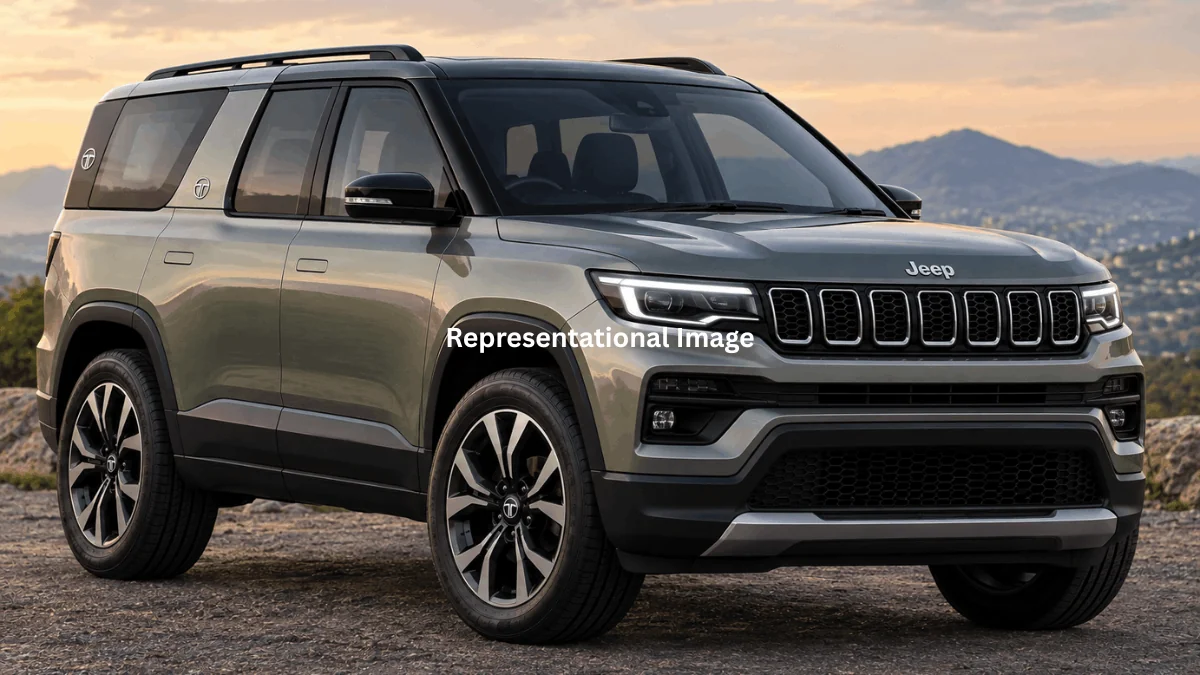
Tata Sierra-Based Jeep Midsize SUV India Launch Timeline and Key Details Out
To be based on Tata's Motors' ARGOS platform that underpins the Sierra, the upcoming Jeep midsize SUV is slated for a market introduction in early 2028.
Amit Sharma
Read More


ADVERTISEMENT
ADVERTISEMENT
ADVERTISEMENT
Trending Cars in India

Trusted Dealer
All Over India

Irresistible Offers
Stay Updated, Pay Less

Compare Cars
Choose the Right Car

Easy Finance
Multiple Finance Options


Monday - Saturday

10:00am - 6:30pm

contact@carlelo.com