




By proceeding, I acknowledge that I have read and agreed to the Privacy Policy, Terms & Conditions, consent declaration, and the sharing of my information with lending partners, dealers, OEMs, and for marketing communication via Phone Calls, SMS & WhatsApp.


ADVERTISEMENT

ADVERTISEMENT








Small cars get biggest relief CAFE 3 norms revised EVs still get strong push
India’s latest draft of the Corporate Average Fuel Consumption (CAFE) Stage 3 norms brings a noticeable shift in emission targets.
The updated proposal is less strict than the earlier version, offering relief to carmakers, especially in the small car segment.
Revised Formula Makes Targets Easier
While the basic formula to calculate fuel efficiency remains unchanged, key constants in the equation have been revised.
The multiplier has been reduced, while the reference vehicle weight and baseline fuel consumption figures have been increased.
This change shifts the emission curve upward, allowing higher CO₂ emissions for the same vehicle weight compared to the earlier draft.
Also Read: 6 Big Moves Kia Is Making in India
Small Cars Get the Biggest Advantage
Since CAFE norms are directly linked to vehicle weight, smaller cars benefit the most from the revised framework.
These cars sit well below the reference weight, so even small changes in the formula translate into a larger relaxation in emission limits.
Earlier, the draft had proposed a separate benefit for sub-4 metre petrol cars. That has now been removed, but the revised curve still gives them a clear advantage.
Impact on SUVs and Larger Vehicles
Larger cars and SUVs will also see some benefit, but the impact is relatively smaller.
Because they are closer to the reference weight, the easing in emission limits is not as significant as it is for smaller vehicles.
Changes in EV and Hybrid Credits
The updated draft continues to promote cleaner vehicles through “super credits.”
Electric vehicles will still count as three vehicles when calculating fleet emissions. However, the benefit of strong hybrids and flex-fuel vehicles has been reduced.
Strong hybrids will now count as 1.6 vehicles, while flex-fuel models will count as 1.1, down from earlier values.
Implementation Timeline
The new CAFE Stage 3 norms are scheduled to come into effect from April 1, 2027.
These regulations apply to passenger vehicles under the M1 category, covering cars designed to seat up to nine occupants.
Also Read: Tata Has Bigger Plans for the Sierra Than Expected
About Author

Konica Singh
Sub-Editor

Konica Singh is a passionate Automotive Journalist who brings the world of cars to life, from EV trends to exciting new car launches. Backed by 7 years in content creation, she is skilled in writing, editing, and SEO strategy that drives engagement.
Education: MA English (Delhi University)
Social Media: LinkedIn | Instagram | Twitter | Facebook
Email: konica.carlelo@gmail.com
Location: New Delhi
ADVERTISEMENT



Explore Similar Cars
































Top Car Brands in India
Trending Car News in India

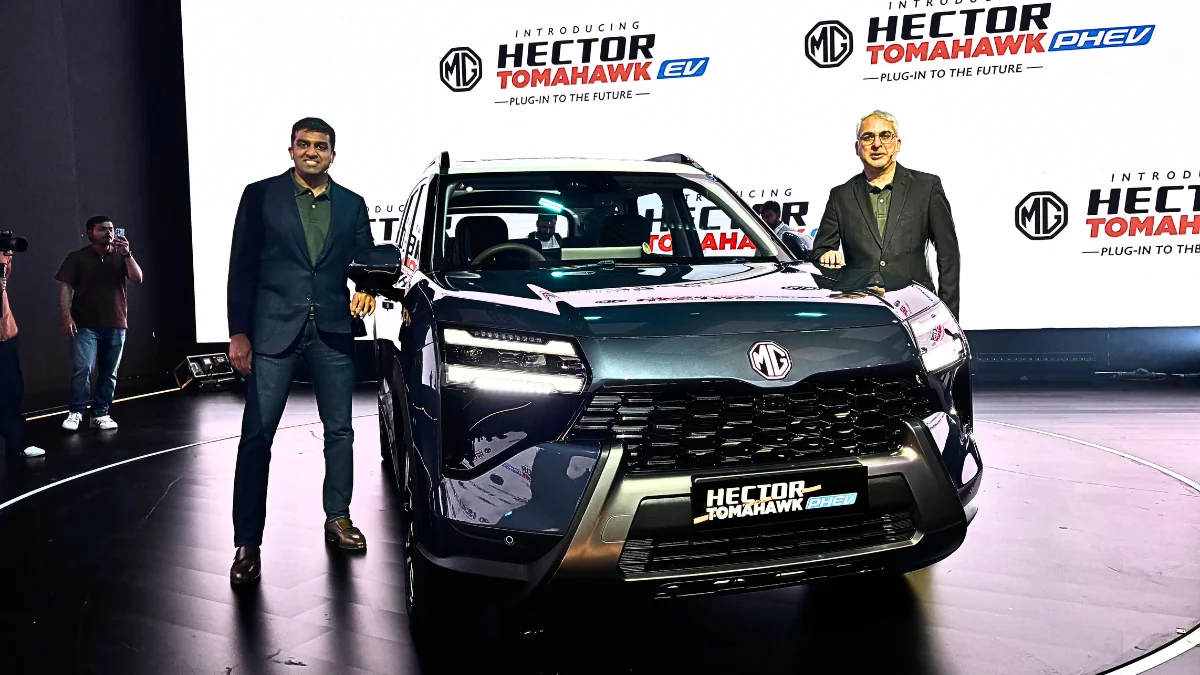
New MG Hector Tomahawk PHEV – 1,100km Range, 40kpl, 7 Seats
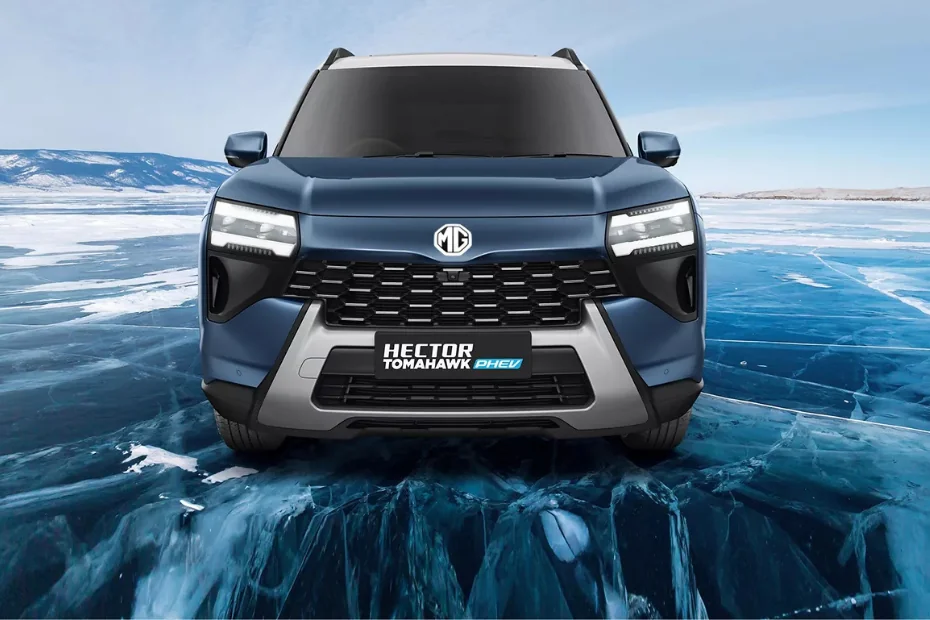
New MG Hector Tomahawk PHEV launched with 1,100km range, 40kpl efficiency, 115km EV range, 7 seats and a 20.5kWh battery.
Konica Singh
Read More
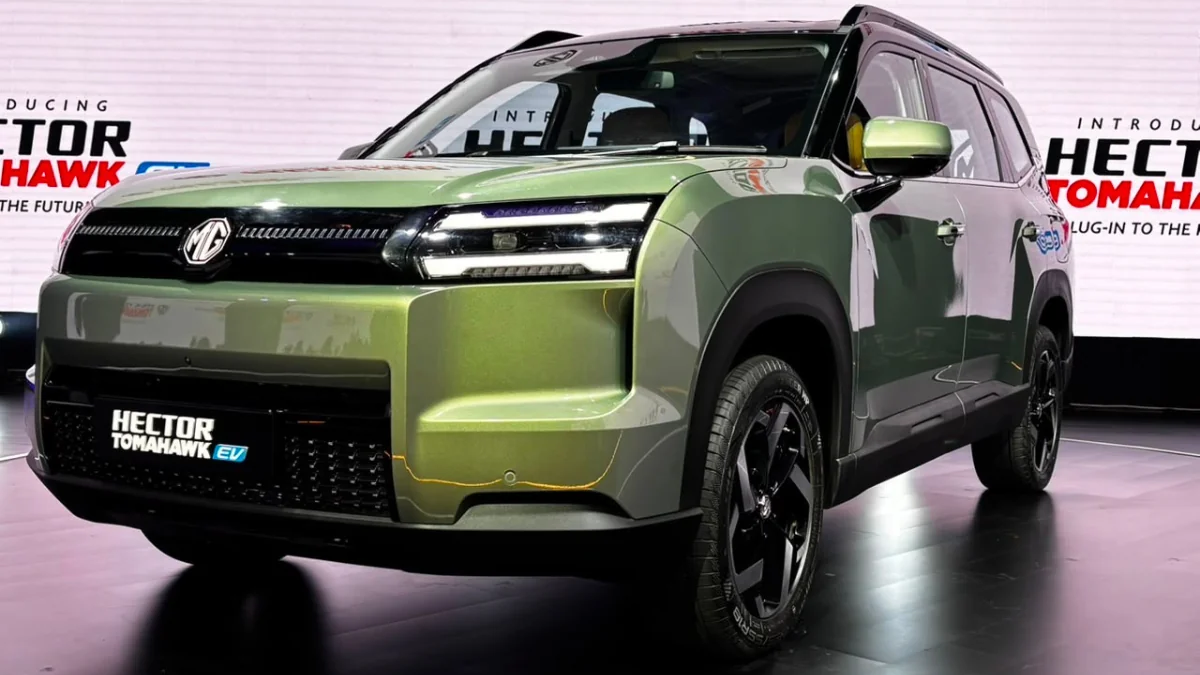
MG Hector Tomahawk EV Launched in India – 517km Range, 7 Seats, V2H Charging
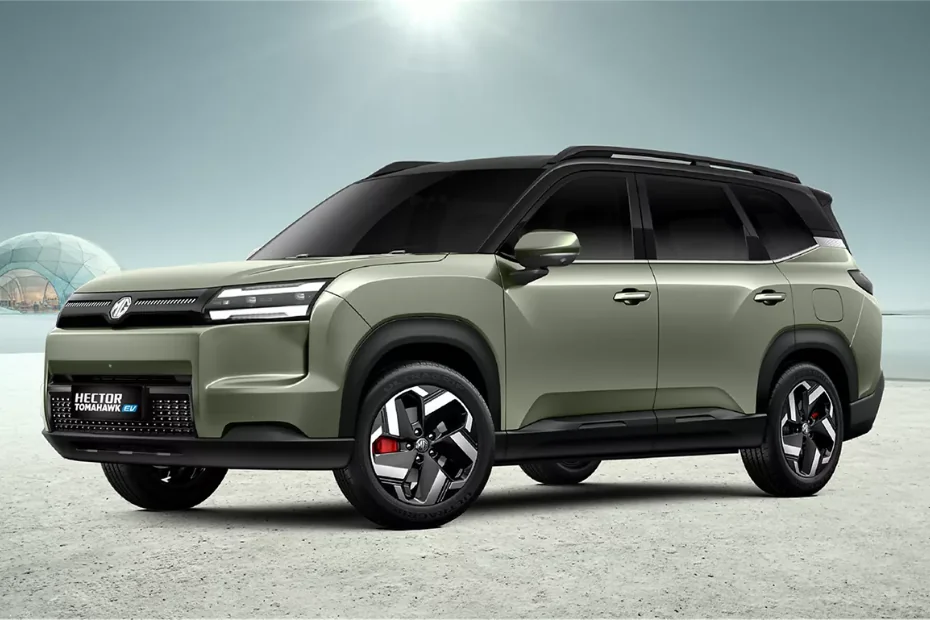
MG Hector Tomahawk EV launched at Rs 19.49 lakh with 517km range, 69.2kWh battery, 7 seats and V2H charging technology. Check out more details.
Konica Singh
Read More
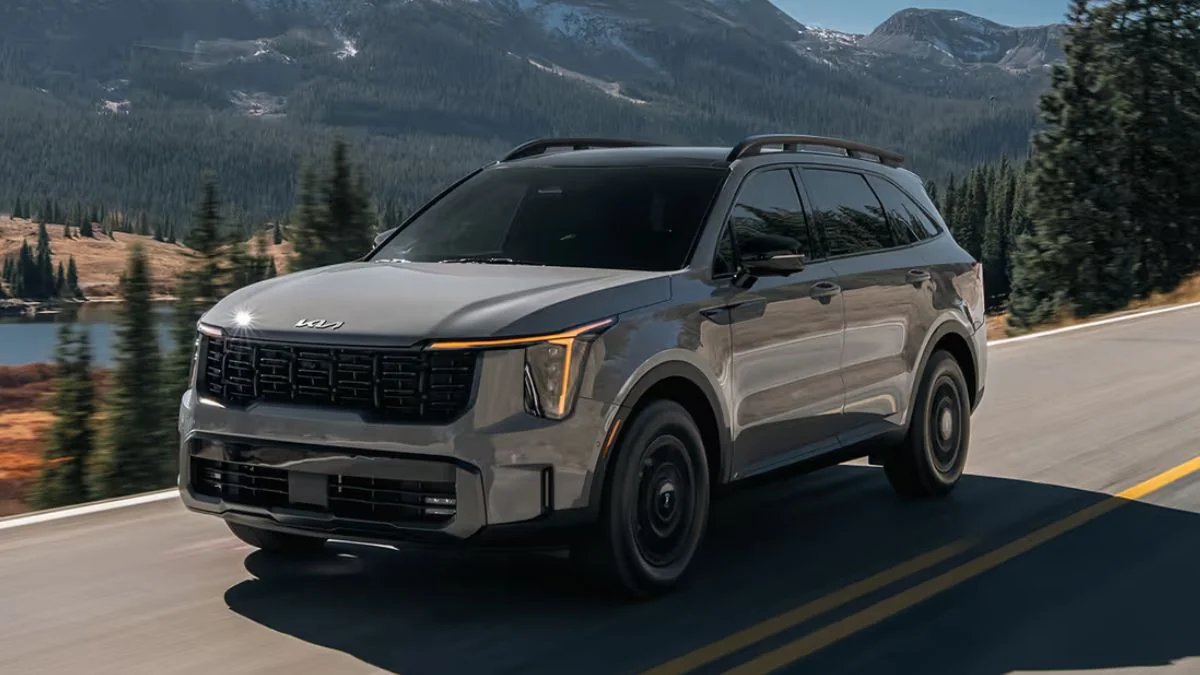
4 New 7-Seater SUVs Coming Soon – Hybrid and PHEV Options
Four new 7-seater SUVs from Kia, MG, Renault and Nissan are coming to India with hybrid, PHEV, petrol and diesel powertrain options.
Konica Singh
Read More

Is Hyundai Working on a New 4WD SUV for India?
Hyundai Boulder has been patented in India, hinting at a possible new 4WD SUV with body-on-frame construction and electric power.
Konica Singh
Read More
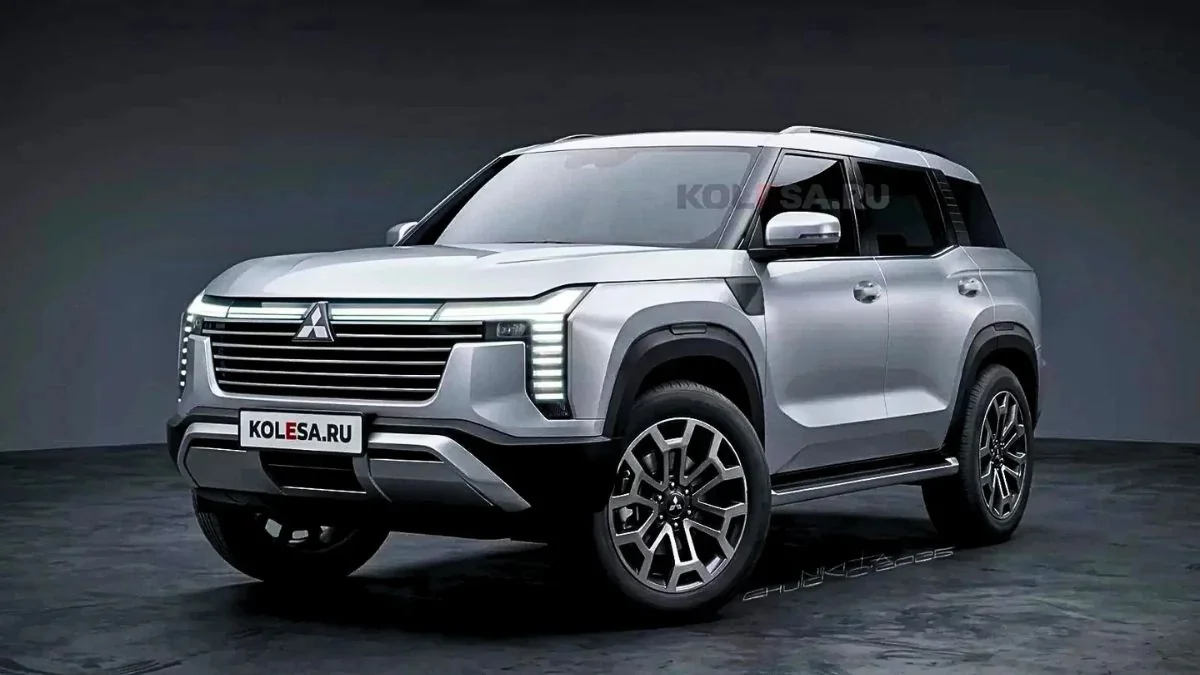
Mitsubishi Pajero Set to Debut Next Week – New 4WD SUV Details
Mitsubishi Pajero will debut on September 2 with a body-on-frame chassis, S-AWC, advanced 4WD and rugged off-road features.
Konica Singh
Read More
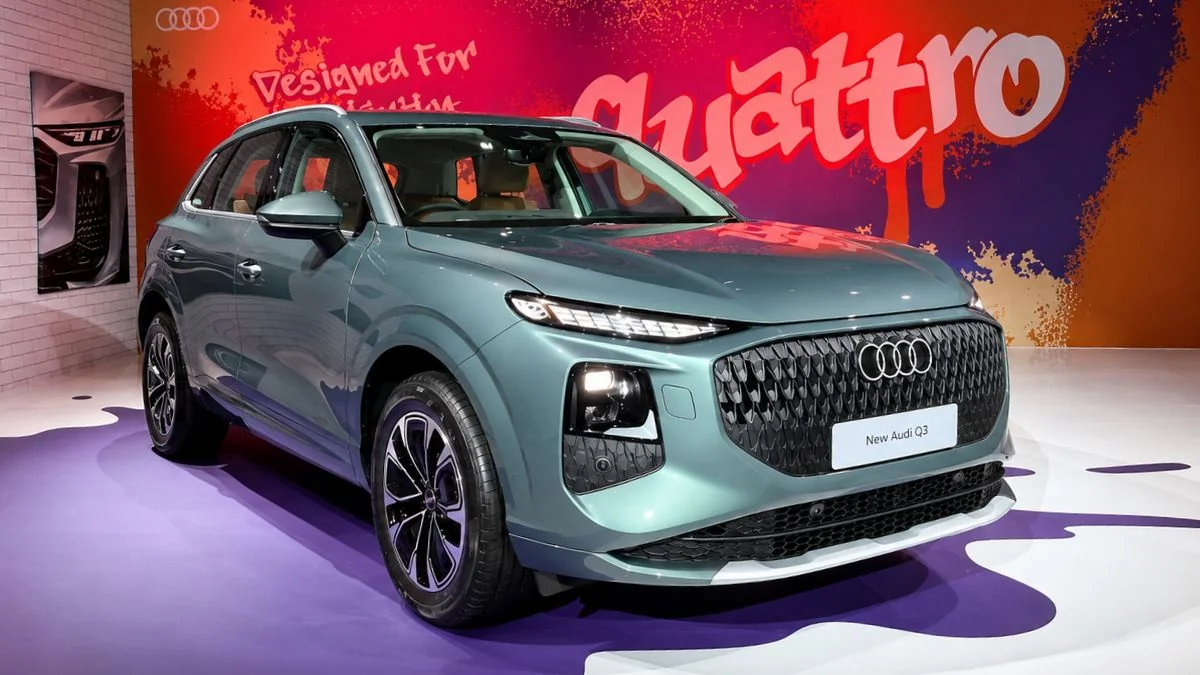
New Audi Q3 Launching This Festive Season – 200hp Petrol, Quattro AWD
New Audi Q3 will launch in India during the 2026 festive season with a 200hp petrol engine, quattro AWD, new cabin and Level 2 ADAS.
Konica Singh
Read More
Spinny's New Nissan, MG and Tesla Partnerships – 5 Things to Know
Spinny partners with Nissan, MG and Tesla, offering car exchange benefits, used EV support, battery checks and new ownership services in India.
Konica Singh
Read More


Latest Maruti Suzuki Car News and Updates

Maruti’s First CNG Automatic Car Could Be the New Baleno
Maruti Baleno facelift could be the brand’s first CNG automatic car, with CNG-AMT, ADAS and ventilated seats. Launch is set for September 5.
Konica Singh
Read More

2026 Maruti Baleno Facelift – New Engine, ADAS and CNG Automatic
2026 Maruti Baleno facelift will get Swift’s Z-Series engine, CNG automatic option, ADAS features and new updates ahead of launch.
Konica Singh
Read More
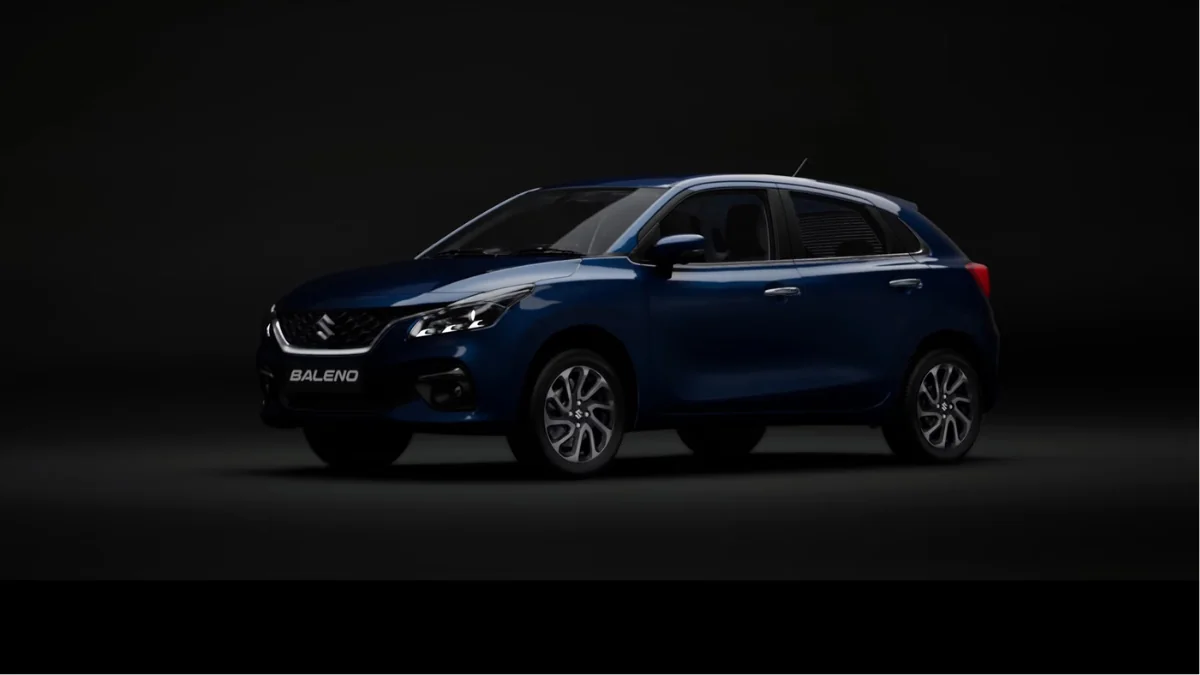
2026 Maruti Baleno Facelift Launching on 5 September
Test mules reveal that the 2026 Maruti Baleno facelift will receive design and interior changes along with a longer list of features.
Amit Sharma
Read More
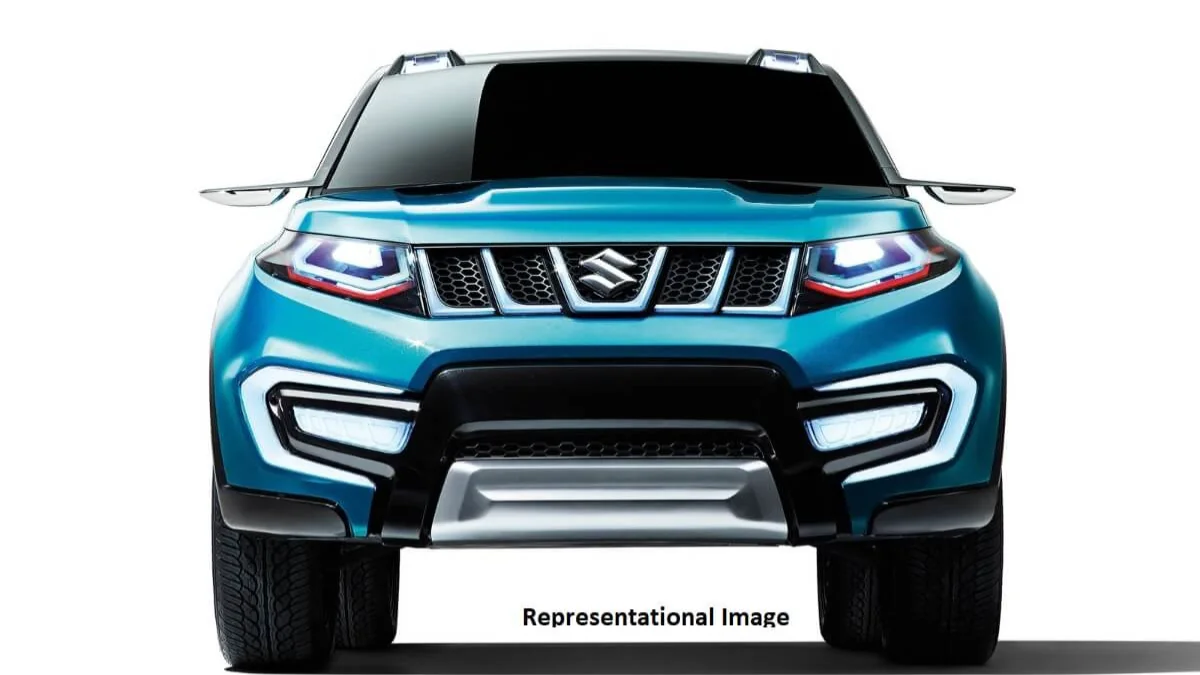
Maruti Suzuki Plans to Launch 7 New SUVs Including a Tata Punch Rival
In order to achieve an ambitious target of 7 million annual sales by 2031, Maruti Suzuki is aiming to launch 7 new SUVs in the Indian market.
Amit Sharma
Read More
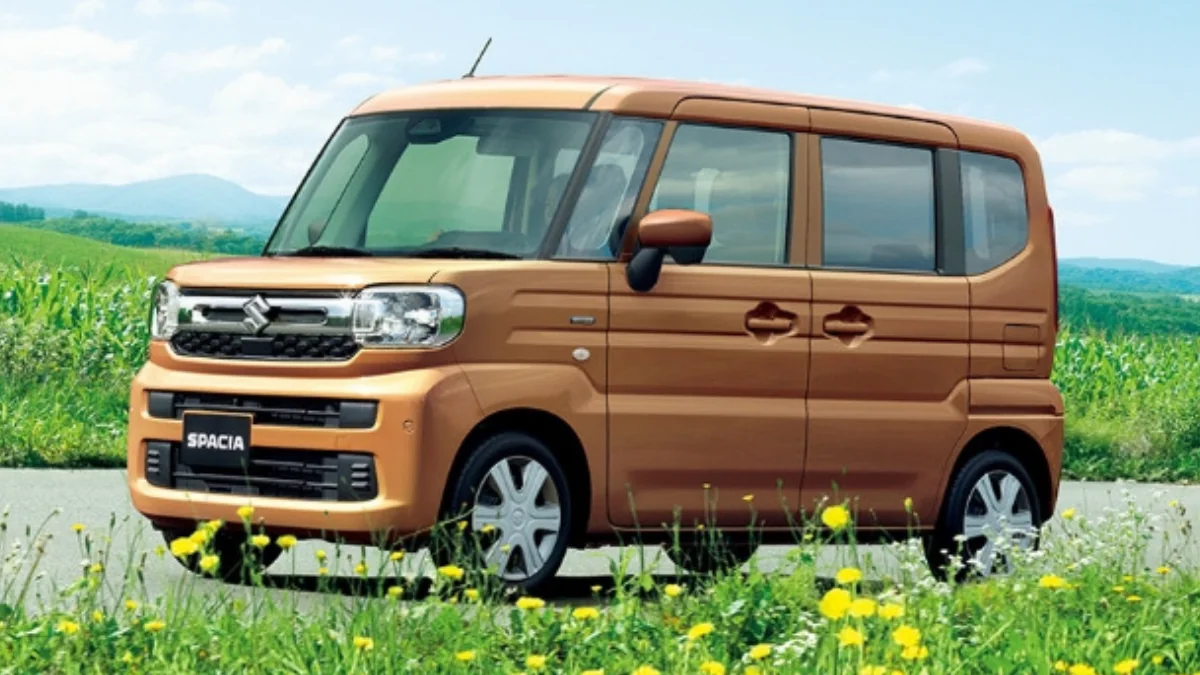
4 All-New Maruti Utility Vehicles Coming Soon - Y43 Micro SUV to YMC MPV
Maruti is planning to launch 4 all-new utility vehicles, including Y43 micro SUV, 7-seater Grand Vitara, YMC 7-Seat MPV and YDB sub-4 meter MPV.
Amit Sharma
Read More
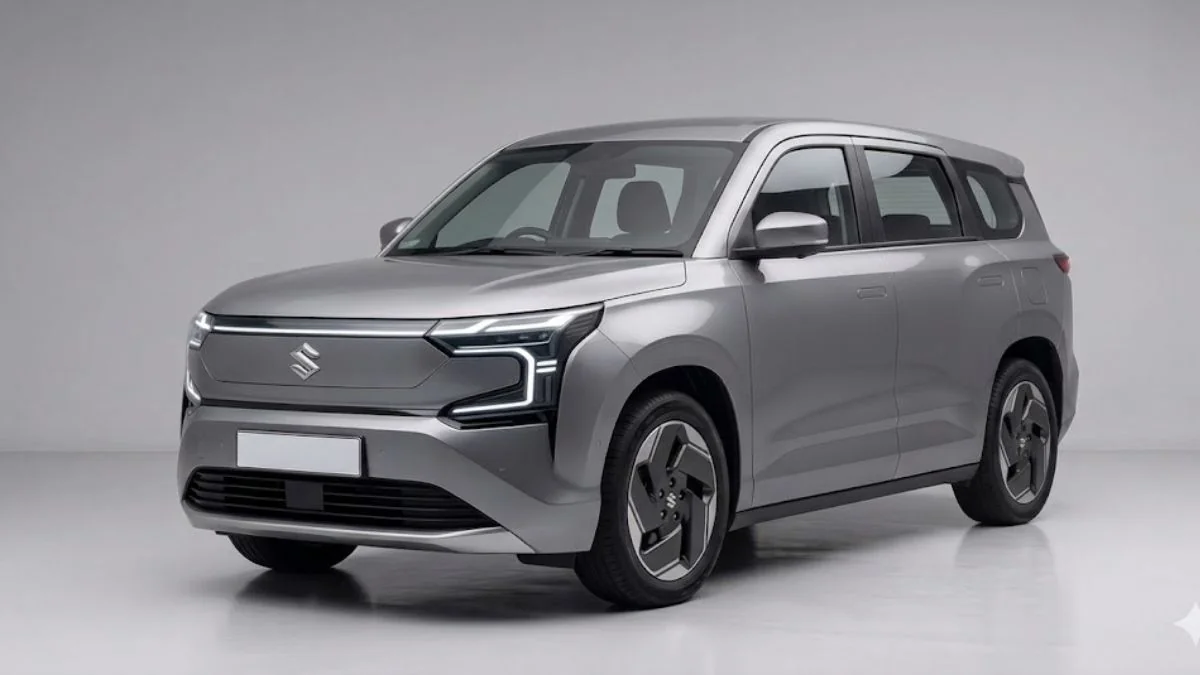
New Maruti YMC EV Likely Debut at 2027 Bharat Mobility Global Expo
Maruti Suzuki is currently testing an all-new 7-seater electric MPV on the Indian roads, which is reportedly to be positioned against the Kia Carens Clavis EV.
Amit Sharma
Read More
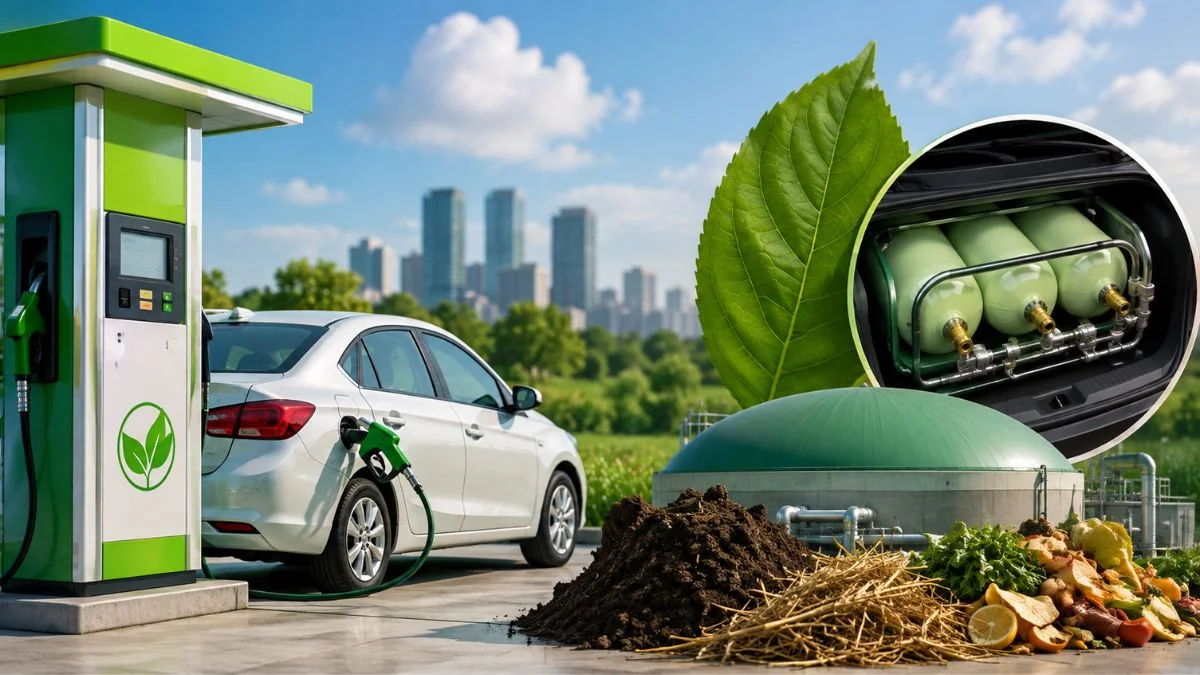
5% Bio-CNG in CNG Fuel From 2028 - Key Details Inside
India will raise Bio-CNG blending to 5% from 2028-29 under a Rs 23,731 crore scheme, giving a major boost to CNG cars and clean fuel production.
Konica Singh
Read More
Latest Maruti Suzuki Grand Vitara News and Updates
4 All-New Maruti Utility Vehicles Coming Soon - Y43 Micro SUV to YMC MPV
Maruti is planning to launch 4 all-new utility vehicles, including Y43 micro SUV, 7-seater Grand Vitara, YMC 7-Seat MPV and YDB sub-4 meter MPV.
Amit Sharma
Read More
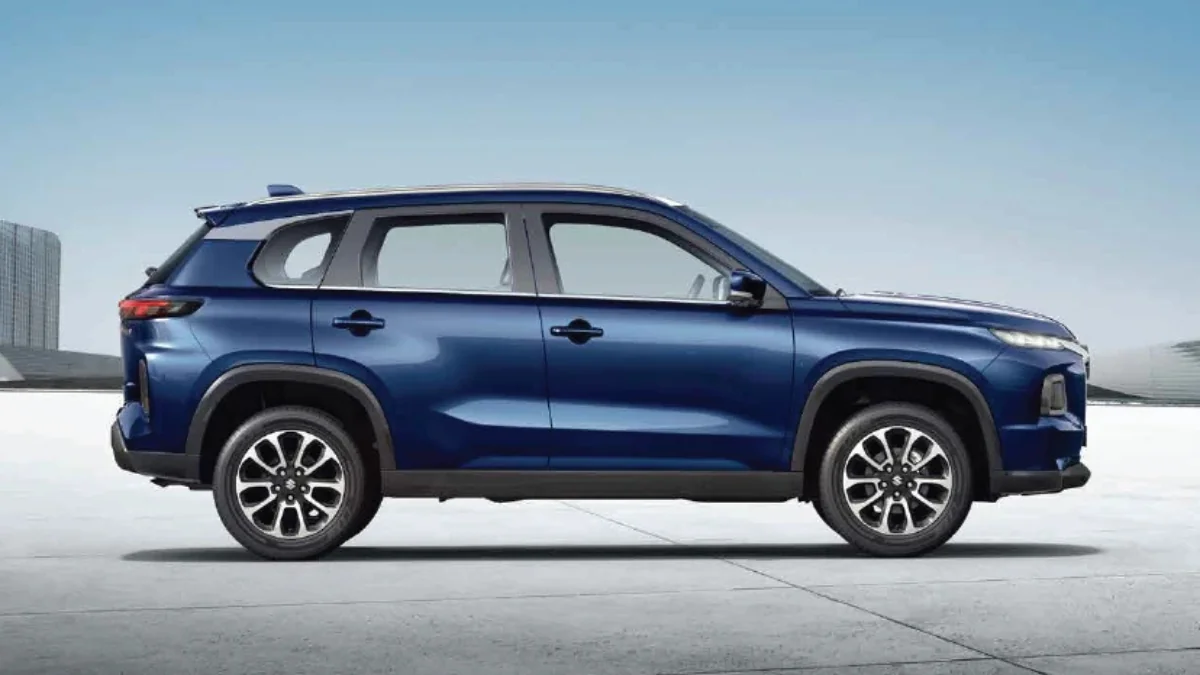
Planning to Buy Maruti Grand Vitara? Check This Month’s Discount Offers
Buyers can save up to Rs 95000 on the Maruti Grand Vitara Sigma petrol manual variant. Customers can also save up to Rs 90000 on the Delta and Zeta CNG variants
Chhavi
Read More
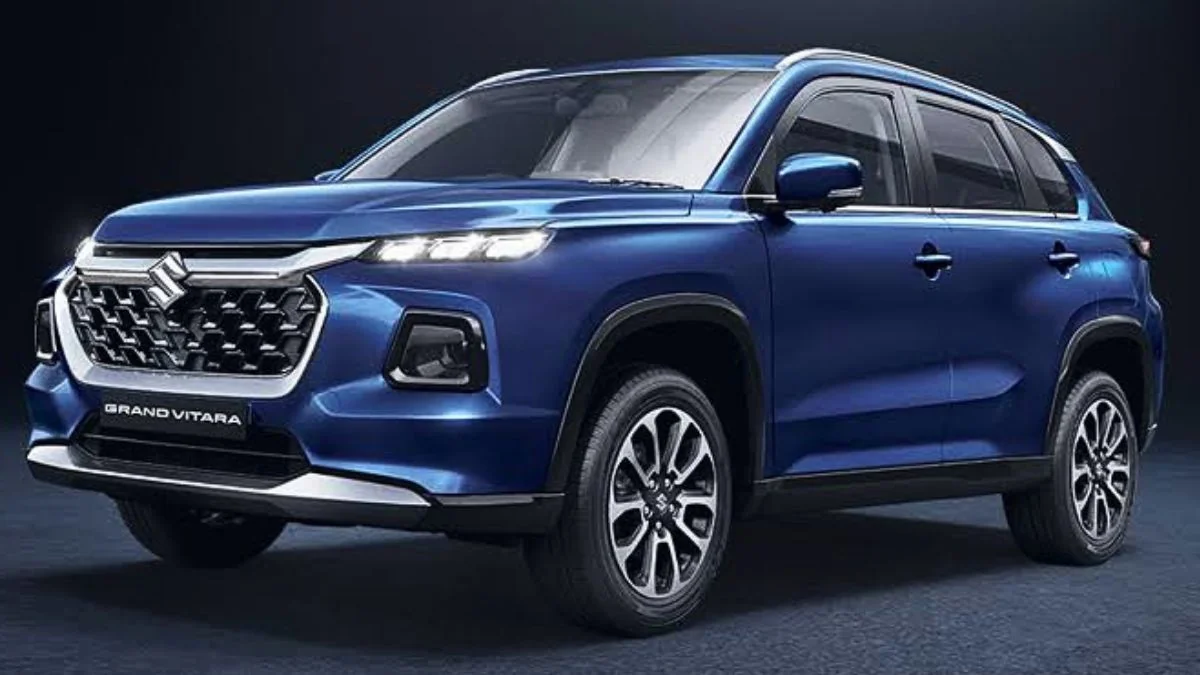
Top 10 Car Sales June 2026 - Tata Beats Mahindra, Maruti Stays No.1
Top 10 car sales June 2026: Maruti leads, Tata beats Mahindra for second place, while Hyundai, Toyota and Kia complete the top five rankings.
Konica Singh
Read More
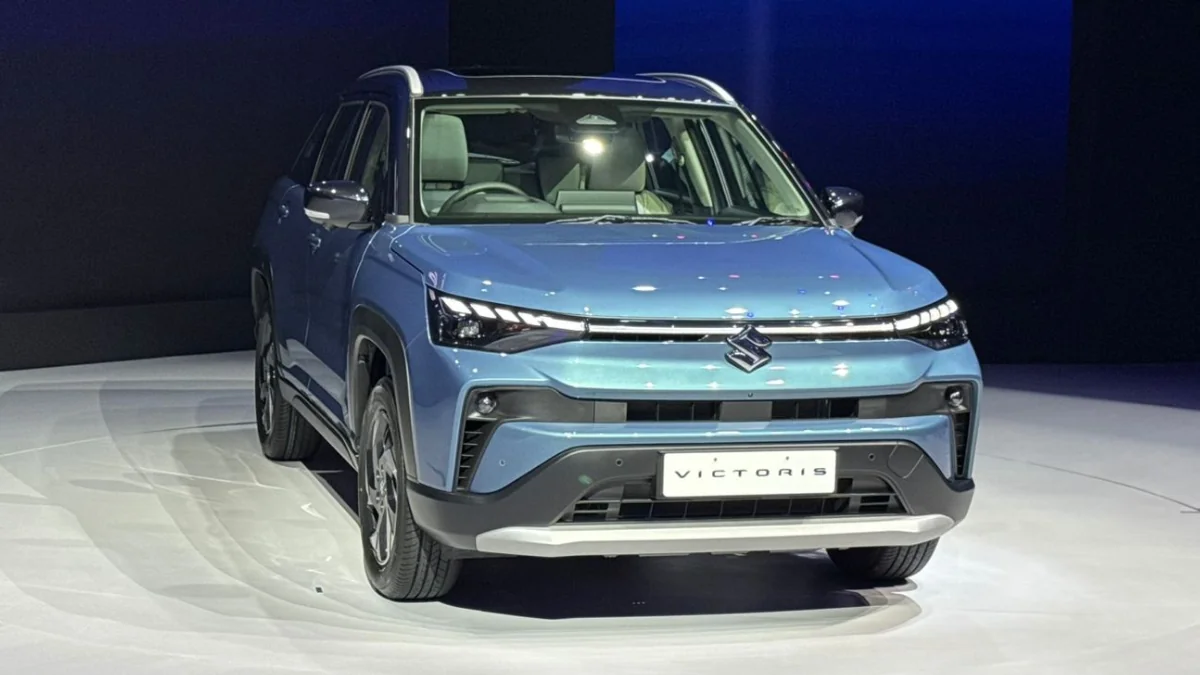
Maruti Hybrid Cars Get Discounts Up To Rs 2.15 Lakh This June
Maruti Suzuki is offering attractive discounts and benefits on its existing hybrid offerings including the Maruti Victoris, Maruti Grand Vitara and Maruti Invic
Chhavi
Read More

New Bharat e-Charge App Could Simplify EV Charging in India
India is working on a new Bharat e-Charge app that could help EV users find chargers and make payments more easily. Get more insights!
Konica Singh
Read More
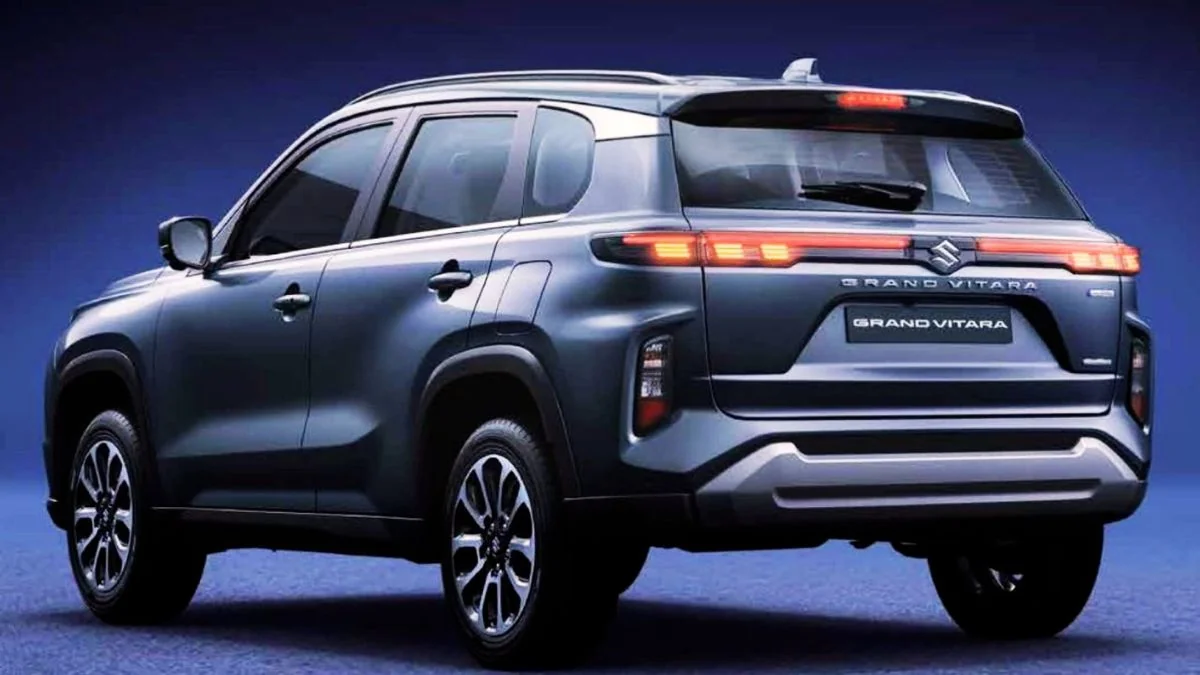
Maruti Planning New SUVs and MPVs to Regain Market Share
Maruti Suzuki plans new SUVs, MPVs, hybrids, EVs, and facelifts including Brezza, Baleno, and Grand Vitara to regain market share.
Konica Singh
Read More
Maruti Suzuki Grand Vitara Price in India
ADVERTISEMENT
ADVERTISEMENT
ADVERTISEMENT
Trending Cars in India
Explore Similar Cars
Maruti Suzuki Grand Vitara Price in India

Trusted Dealer
All Over India

Irresistible Offers
Stay Updated, Pay Less

Compare Cars
Choose the Right Car

Easy Finance
Multiple Finance Options


Monday - Saturday

10:00am - 6:30pm

contact@carlelo.com