







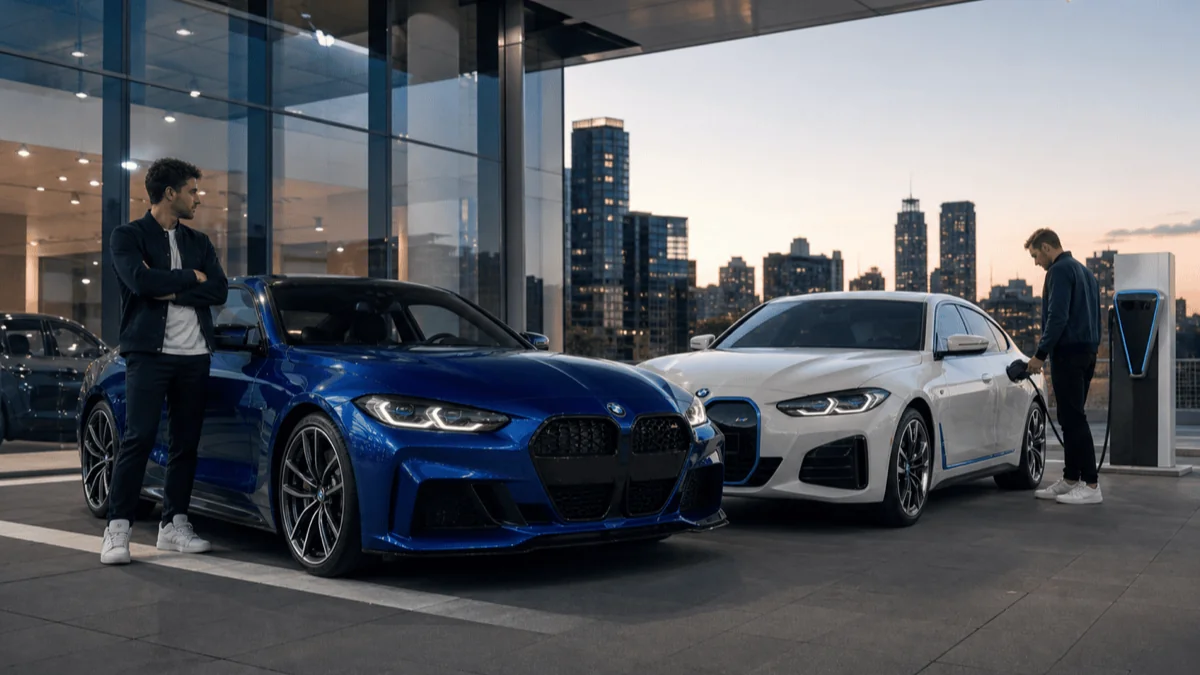
BMW's shared vehicle structure is compatible with petrol, diesel, plug-in hybrid, and fully electric drivetrains.
BMW sits in a genuinely strange spot in the luxury segment. The badge built its reputation on smooth inline-six engines and rear-drive balance, yet those same showrooms now display battery-electric saloons right beside twin-turbo V8s.
Some rivals picked a lane and committed to it. BMW didn't. The engineering logic behind that refusal is more deliberate than it looks from the outside.
Flexibility got baked into the architecture years before electric demand became real. That's why a combustion performance car and an electric SUV can move down the same assembly line without either feeling like an afterthought someone bolted on late in the programme.
One architecture, several powertrains
The foundation of BMW's approach is a shared vehicle structure built to accept petrol, diesel, plug-in hybrid, and fully electric drivetrains.
Performance cars benefit from this thinking in ways enthusiasts didn't see coming. The current BMW M5 pairs a twin-turbo V8 with an electric motor integrated into the transmission.
Combined output is substantial enough to place the car among the most powerful production saloons available. That motor covers the torque gap below 2,000 rpm where turbochargers have always felt lazy, the dead spot before boost arrives, the moment you'd push and nothing would happen for a beat too long.
Yes, the battery adds weight. Measurable, undeniable, can't-argue-with-the-scales weight. But the throttle response gained in exchange is what makes the arrangement defensible on engineering terms, not just marketing ones.
What the numbers actually show
This comparison isn't about which car is better. It's about which problem each one solves, a framing that most spec-sheet arguments skip entirely.
The part nobody prints is this: a plug-in hybrid owner who never plugs in loses almost all the efficiency benefit while still carrying the battery weight.
An electric buyer without home charging access spends more time planning routes than the running cost savings ever justify. Both powertrains reward a specific ownership pattern. Neither is universally correct.
The salesperson rarely tells you which one actually matches your life.
Where electric range meets Indian driving patterns
Urban Indian driving suits electric powertrains better than most comparable markets. That's not opinion, it's arithmetic.
Average urban daily distances in most Indian cities sit well within the usable range of a modern compact electric SUV, even after air-conditioning load and stop-start traffic eat into it.
Regenerative braking works harder in congested conditions too, recovering energy that a petrol car simply converts to brake heat and loses forever.
The BMW iX1 shows how the shared-platform strategy plays out at the accessible end of the range. Same body architecture as its combustion sibling. Same cabin dimensions, boot space, driving position, familiar rather than experimental.
Buyers moving from a petrol SUV don't have to relearn the car. They only have to relearn refuelling, and for anyone with a wallbox at home, that shift takes about a fortnight to become routine.
Charging behaviour matters more than headline range figures. Owners who top up overnight from 20 to 80 per cent rarely let the battery drop far enough to cause anxiety.
Those relying on public fast chargers live a different reality: queue times and unit rates vary considerably between cities, and highway corridor coverage still has gaps that routing apps don't always flag accurately.
The trade-offs nobody prints in the brochure
Dual-strategy engineering costs something. Shared platforms can't optimise battery packaging as aggressively as purpose-built electric architectures, and that
affects floor height and rear seat comfort in certain variants.
Plug-in hybrids carry two complete powertrains and the maintenance obligations that come with both. Engine oil changes on a car that might run electrically for most of the working week add up faster than the brochure implies.
Most people assume resale value is the safe argument for established petrol cars. That's only half true. Combustion models do carry more predictable residuals right now, but not because electric cars lose value faster.
It's that the tools buyers use to verify battery condition aren't standardised yet. Ask about battery warranty transfer terms before signing anything.
Check whether the state-of-health report comes from the manufacturer's diagnostic system or a third-party tool, because battery health readings from the two can diverge significantly and tell very different stories.
What BMW has done, quietly and without much fanfare, is refuse to force a single answer on its customers. Enthusiasts still get combustion character. Pragmatists get electric running costs.
About Author
Team CarLelo
Sub-Editor

Team CarLelo is a group of passionate car enthusiasts and auto experts who bring you the latest car news, launches, reviews, and buying tips. The team focuses on simple, clear, and useful content to make car buying easy and stress-free for readers across India.
Explore Similar Cars
Compare BMW X3 with Other Cars


































Top Car Brands in India
Trending Car News in India

Mahindra Vision S & BE 07 EV – Launch Timelines, Features & More
Mahindra Vision S compact SUV and Mahindra BE 07 electric SUV – launch timelines, design, features, platforms, engine options, range and more.
Chhavi
Read More
2026 Toyota Innova Hycross Facelift Price List and Top Changes
The 2026 Toyota Innova Hycross launched with sharper exterior styling, upgraded cabin and features, and a landmark E20-E85 flex-fuel strong hybrid powertrain.
Amit Sharma
Read More
Toyota’s Next 7-Seater MPV For India – Launch Timeline & Details
Upcoming Toyota electric MPV will be based on the Maruti YMC. It will feature three-row cabin, two battery pack options and more.
Chhavi
Read More
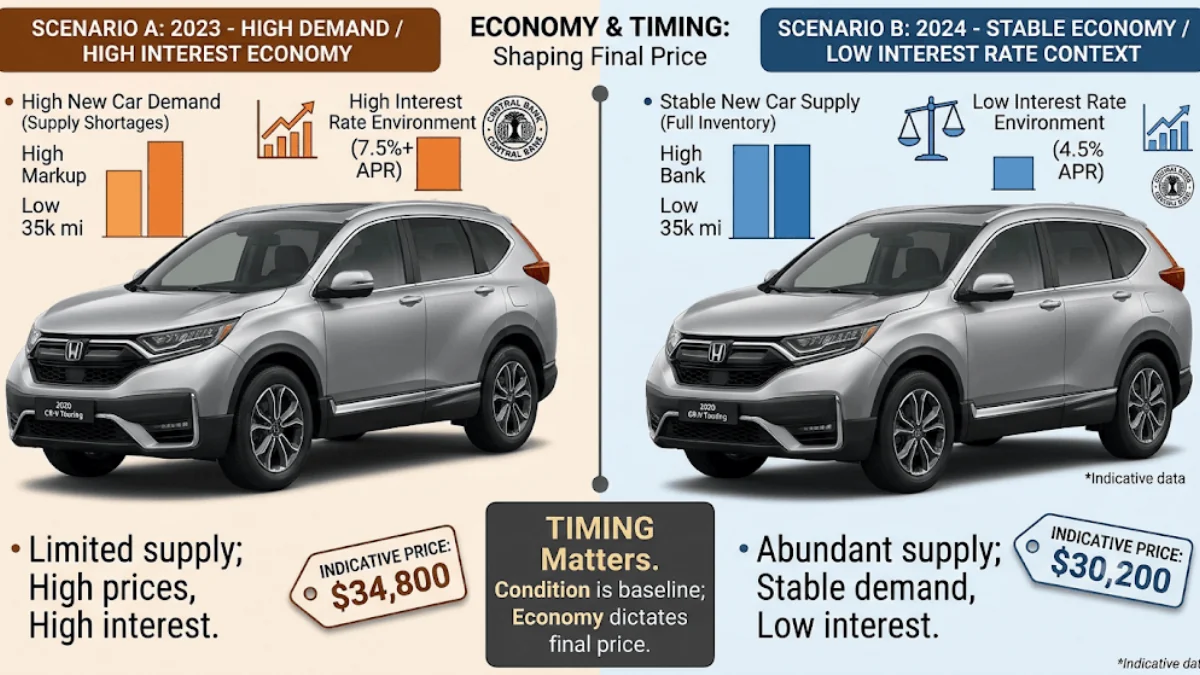
Why Timing Can Shape a Used Car’s Price as Much as Its Condition
Used car pricing leans heavily on age, and age is usually counted from the year of first registration.And the car turns one year older as calendar turns.
Team CarLelo
Read More
2 New Renault SUVs Coming 2027 – 7-Seats, Hybrid & More
Renault Duster 7-seater and Renault Bridger SUVs are set to launch in 2027. Here are the key details of these upcoming Renault SUVs.
Chhavi
Read More
Honda Alpha Exterior and Interior Sketches Out Ahead of Dec 2 Reveal
Designed at Honda Design Centre Japan, the Honda Alpha electric SUV is set to make its global debut in India on 2nd December 2026.
Amit Sharma
Read More


Latest Bmw Car News and Updates
BMW Alpina Is Coming to India in 2027
BMW Alpina is expected to launch in India in 2027, with plans to enter 10 cities and offer buyers a new luxury car brand.
Konica Singh
Read More
BMW Concept 7 Protection Revealed With 603hp, Bullet-Resistant Armour
BMW Concept 7 Protection revealed with 603hp plug-in hybrid power, bullet-resistant armour, reinforced glass and premium luxury features.
Konica Singh
Read More
BMW M2 xDrive Turbo Edition Packs 480hp and AWD, Bookings Open in India
BMW M2 xDrive Turbo Edition bookings are open in India. Check its 480hp engine, AWD system, exclusive features and expected price.
Konica Singh
Read More
New BMW M3 Electric Revealed With Four Motors and 800V Tech
New BMW M3 electric revealed with four motors, 800V tech and a 100kWh+ battery. The EV will be built at BMW’s Munich plant from 2027.
Konica Singh
Read More
New BMW i3 Revealed – 912 km Range, 469 hp and 400 kW Charging
New BMW i3 revealed with 469 hp, 912 km WLTP range and 400 kW charging. The electric 3 Series also gets 800V and Neue Klasse technology.
Konica Singh
Read More
New BMW 3 Series M350 xDrive to Get 443hp Six-Cylinder Engine
The new BMW 3 Series M350 xDrive will get a 443hp six-cylinder mild-hybrid engine, AWD and a new Drift Moment function. Check out more details.
Konica Singh
Read More
Latest Bmw X3 News and Updates
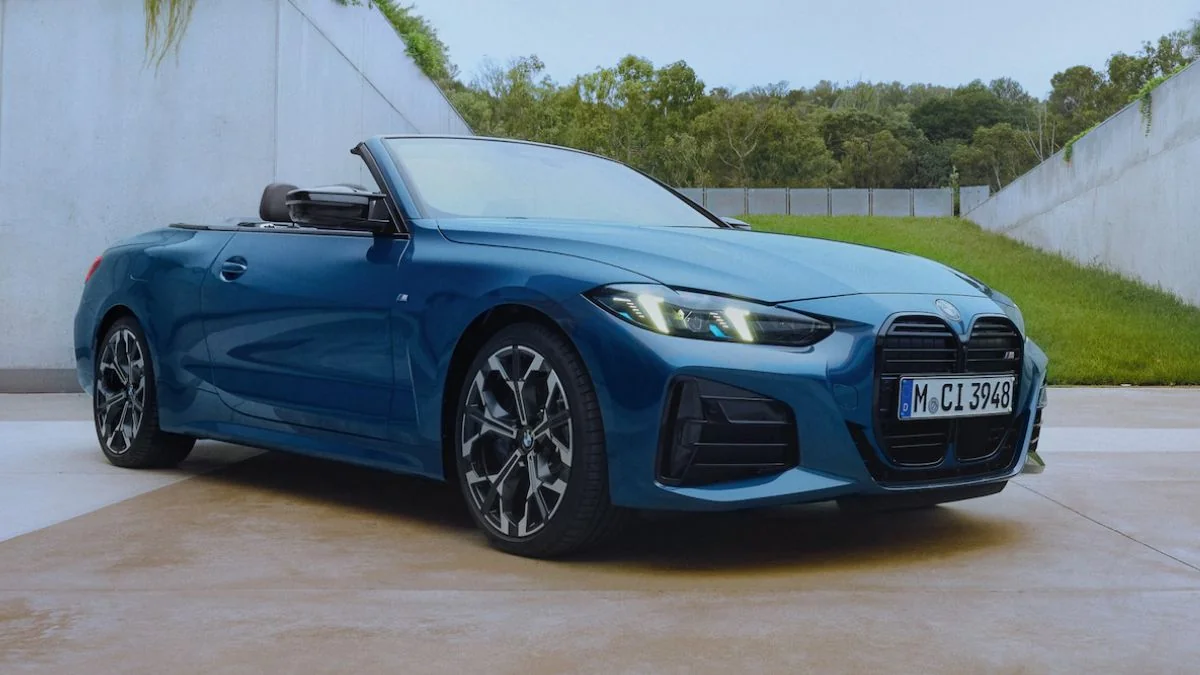
BMW Posted Double-Digit Growth with Over 9K Cars Sold in H1, 2026
Between January to June 2026, BMW Group India sold 9,075 cars with solid year-on-year sales growth of over 17 per cent. Over 4500 cars in Q2, 2026.
Amit Sharma
Read More
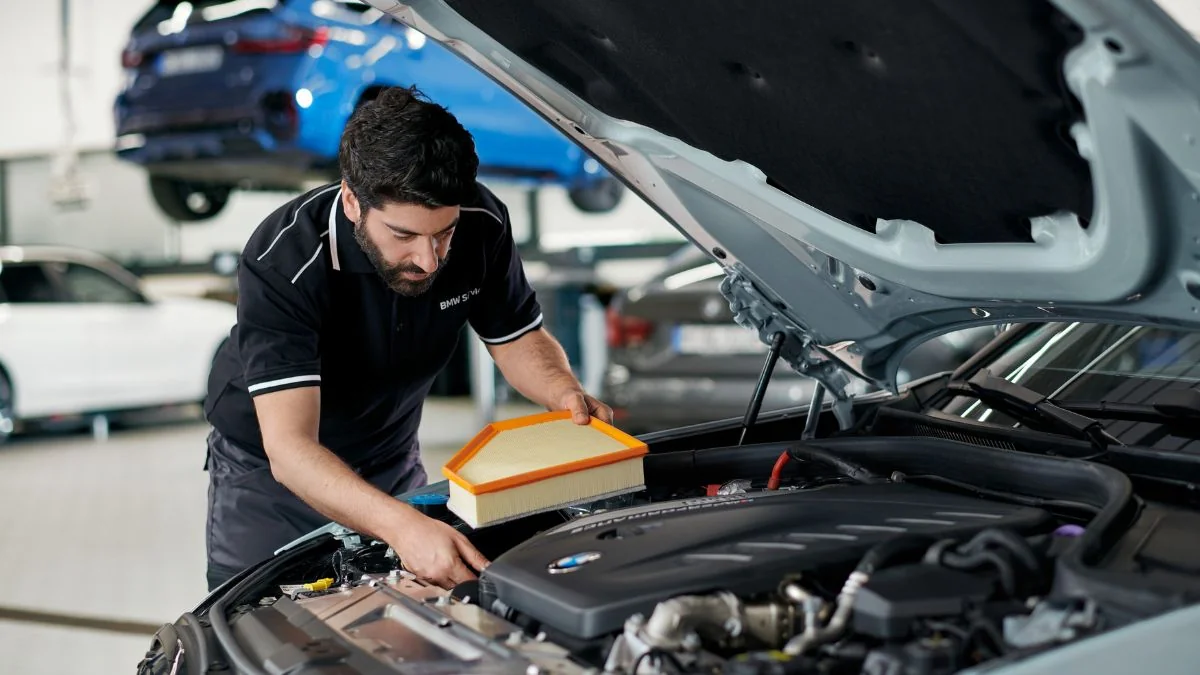
BMW Summer Service Campaign 2026 Launched With Exclusive Offers
The campaign ensure seamless mobility during the demanding summer months through preventive maintenance, expert diagnostics and exclusive service benefits.
Amit Sharma
Read More
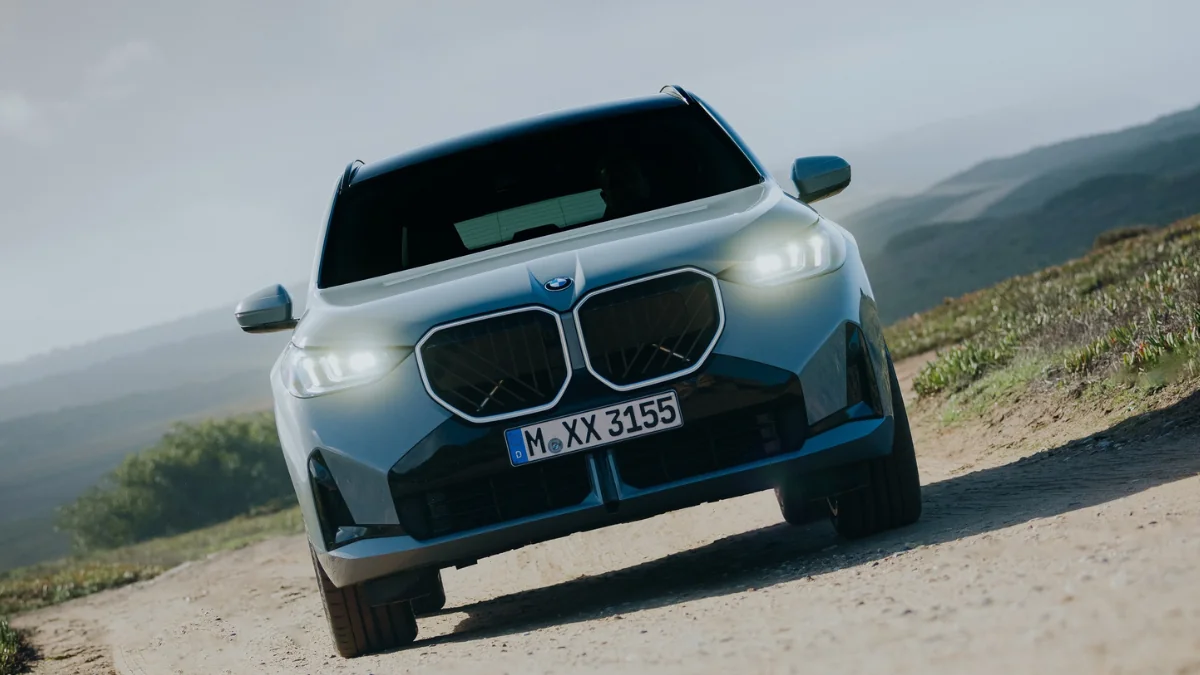
BMW Smashes Q1 Records: 4,567 Deliveries Driven by 17% YoY Surge
BMW INdia sold 4,567 cars in first quarter of calendar year 2026, recorded high growth of more than 17 per cent year-on-year (YoY).
Amit Sharma
Read More
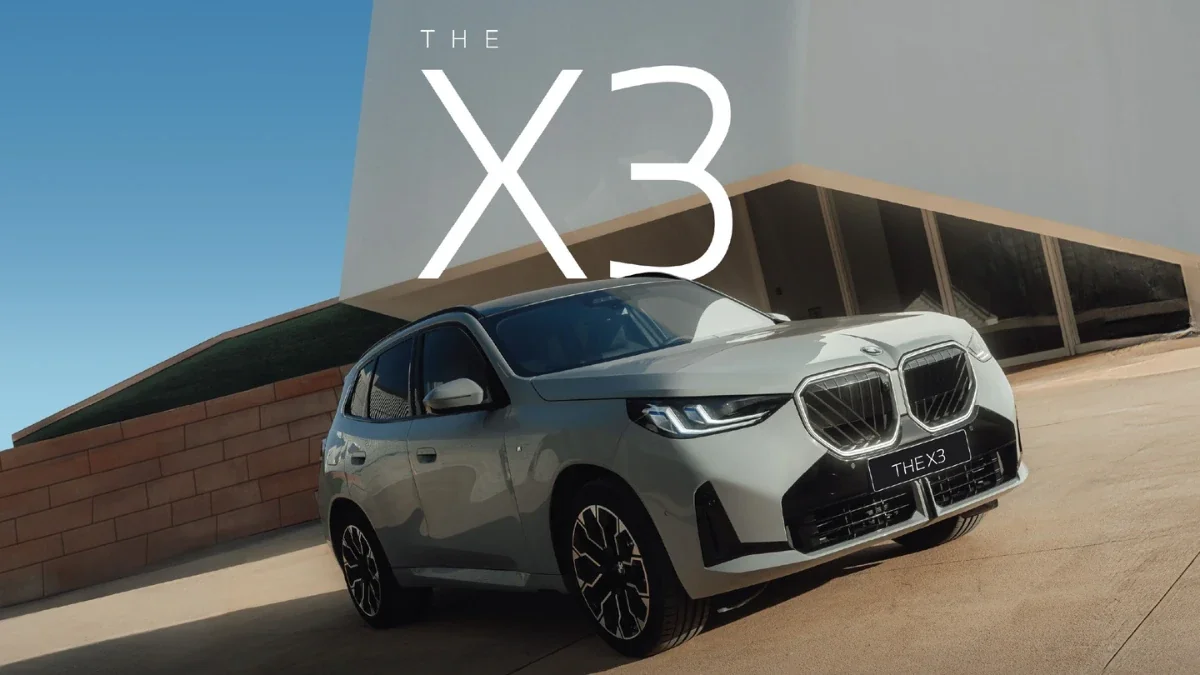
BMW X3 Gets 258 bhp Boost with New M Sport Pro Variant
BMW X3 30 xDrive M Sport Pro expands the X3 lineup in India with 258 hp, 400 Nm torque, adaptive suspension and premium features at Rs 74.50 lakh.
Konica Singh
Read More
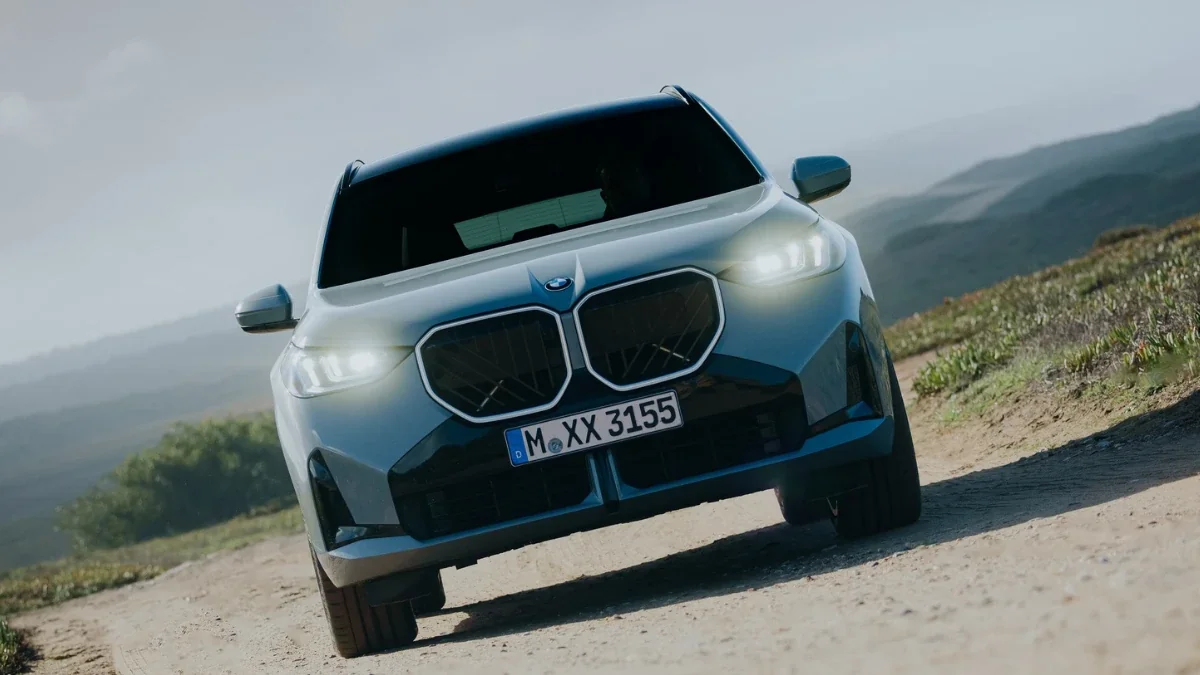
2026 BMW X3 30 xDrive M Sport Pro Launched at Rs 74.50 lakh
Locally produced at BMW Group Plant Chennai, the new petrol variant of the BMW X3 SUV can be booked at all BMW dealerships across the country.
Amit Sharma
Read More
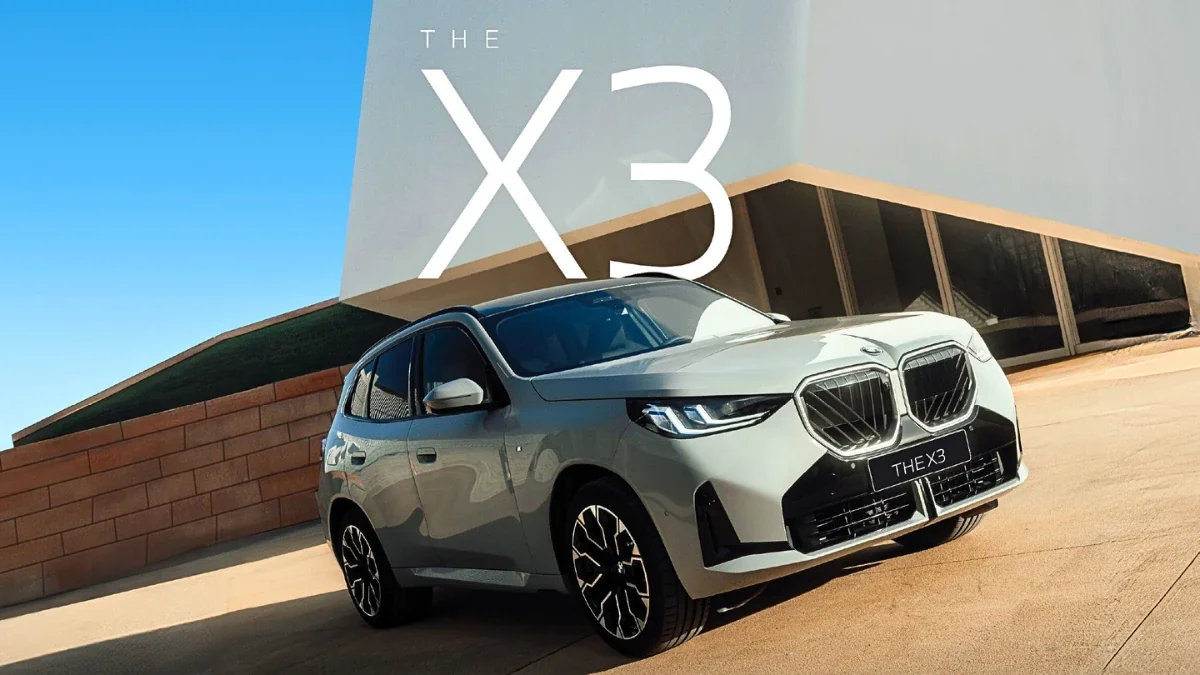
BMW X3 30 xDrive India Launch on February 16, 2026 - Pre-Bookings Open
BMW X3 30 xDrive India launch on 16 Feb 2026. Pre-bookings open now. AWD, mild-hybrid engine, AR navigation, premium features, and M Sport design.
Konica Singh
Read More
BMW X3 Price in India
Trending Cars in India
Explore Similar Cars
BMW X3 Price in India

Trusted Dealer
All Over India

Irresistible Offers
Stay Updated, Pay Less

Compare Cars
Choose the Right Car

Easy Finance
Multiple Finance Options


Monday - Saturday

10:00am - 6:30pm

contact@carlelo.com