


Why Timing Can Shape a Used Car’s Price as Much as Its Condition






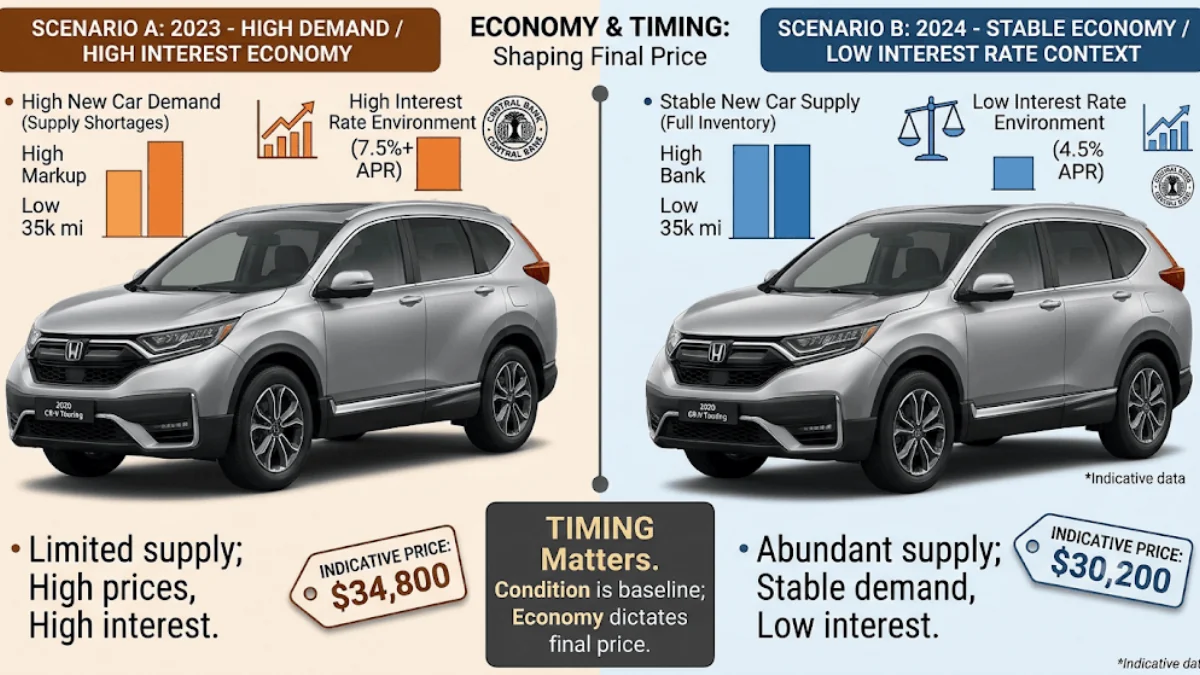
Many valuations treat a car as one year older once the calendar turns, whatever the month in which it was bought.
Most owners think about condition first when they plan to sell. They wash the car, fix the scratches and look for the service book. All of that helps. But two identical cars, in the same shape and with the same history, can fetch noticeably different offers depending on when they are put up for sale. The calendar, the manufacturer’s launch schedule and a few paperwork deadlines all play a part.
None of this calls for clever tactics. It calls for knowing which dates matter and which do not, so that a sale does not end up a few months too early or too late.
The age clock
Used car pricing leans heavily on age, and age is usually counted from the year of first registration. Many valuations treat a car as one year older once the calendar turns, whatever the month in which it was bought. A car registered late in a year can therefore look a full year old within weeks. For an owner with a flexible schedule, selling before the new year can sometimes avoid that step down, though the effect varies from one buyer or valuation method to another.
Kilometres work in a similar way. Round numbers such as 50,000 or 100,000 act as informal thresholds in buyers’ minds, and a car just under one can appeal more than the same car just over it. It is not a reason to rush a sale, but it is a reason to check the odometer before a planned long trip.
What moves the number
A guide to the resell value of car models will help you understand the factors that actually influence car valuation: age, mileage, number of owners, condition, service history, fuel type, colour, location and demand for the model. Some are fixed by the time a car is ready to sell. Others, such as service records, minor repairs and presentation, can still be improved. Timing sits somewhere in between. It cannot change the car, but it can change how many buyers are looking, and how much they are willing to pay.
Warranty, insurance and service dates
Three dates deserve a look before listing.
Warranty. A car with factory or extended cover still running is more reassuring to a buyer, particularly on models with expensive electronics or automatic gearboxes. If the warranty ends in a few months, selling sooner may keep that advantage. Confirm whether any extended cover transfers to a new owner, since terms differ.
Insurance. A valid policy makes the transfer process simpler. A lapsed one raises questions and can complicate things. The no-claim bonus belongs to the policyholder and not the car, so the owner can usually carry it to the next vehicle, which is worth remembering when deciding when to cancel or transfer cover.
Service. If a major service is due soon, a sensible approach is to do it, keep the invoice and show it. A fresh service record is often worth more to a buyer than the cost of the visit, while an overdue one invites a lower offer.
Launches, regulations and fuel
Outside events matter as well. When a manufacturer introduces a new generation or a facelift of a popular model, the previous version tends to look dated, and used prices often ease. Rule changes can have a similar effect. The shift to BS6 emission norms in 2020 changed how buyers looked at older petrol and diesel cars, and age limits for older vehicles in some regions have repeatedly affected demand. Owners of diesel cars in particular benefit from checking the current position in their city before setting an expectation.
Seasonal demand shows up too. Festival periods and the start of a financial year often bring more buyers into the market, while the quieter months can mean longer waits. Local conditions vary, so a quick look at how many similar cars are listed nearby gives a better sense than any general rule.
Choosing where to list
Timing also interacts with the route to sale. A private buyer may take weeks to appear and negotiate, while a quicker route suits an owner who needs to sell before a deadline, such as a new car delivery or a loan date. Owners comparing car selling sites can look at how each one handles the steps that take time: the valuation, the inspection, the paperwork and the payment. Reading the terms and checking how soon the transfer is completed are both sensible steps.
A practical order of work
A simple sequence keeps things organised. Check the car’s age in the registration year and the current odometer. Gather the service book, invoices and warranty papers. Confirm that the insurance is valid. Look at how similar cars are priced locally, and decide whether a few weeks’ wait is worth the possible improvement. Then list the car with accurate details and clear photographs.
Condition sets the ceiling for a car’s price. Timing helps decide how close to that ceiling the final offer lands.
About Author

Team CarLelo
Sub-Editor

Team CarLelo is a group of passionate car enthusiasts and auto experts who bring you the latest car news, launches, reviews, and buying tips. The team focuses on simple, clear, and useful content to make car buying easy and stress-free for readers across India.
Explore Similar Cars
Compare Maruti Suzuki Fronx Facelift with Other Cars







































Top Car Brands in India
Trending Car News in India
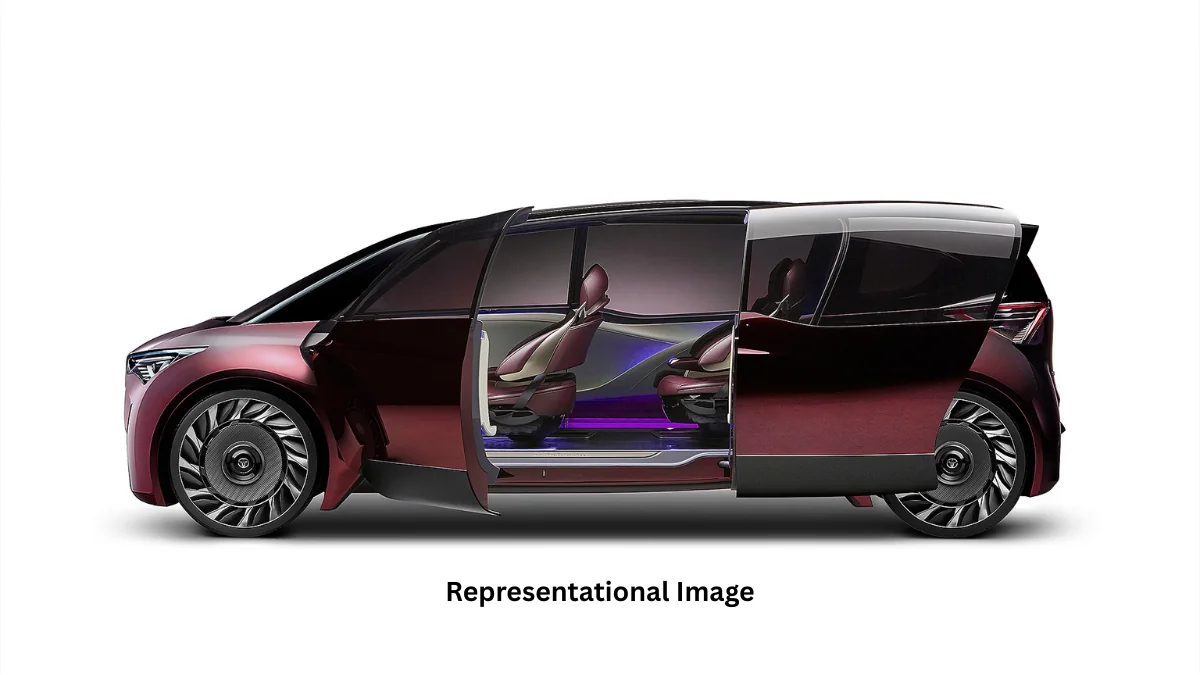
Toyota’s Next 7-Seater MPV For India – Launch Timeline & Details
Upcoming Toyota electric MPV will be based on the Maruti YMC. It will feature three-row cabin, two battery pack options and more.
Chhavi
Read More
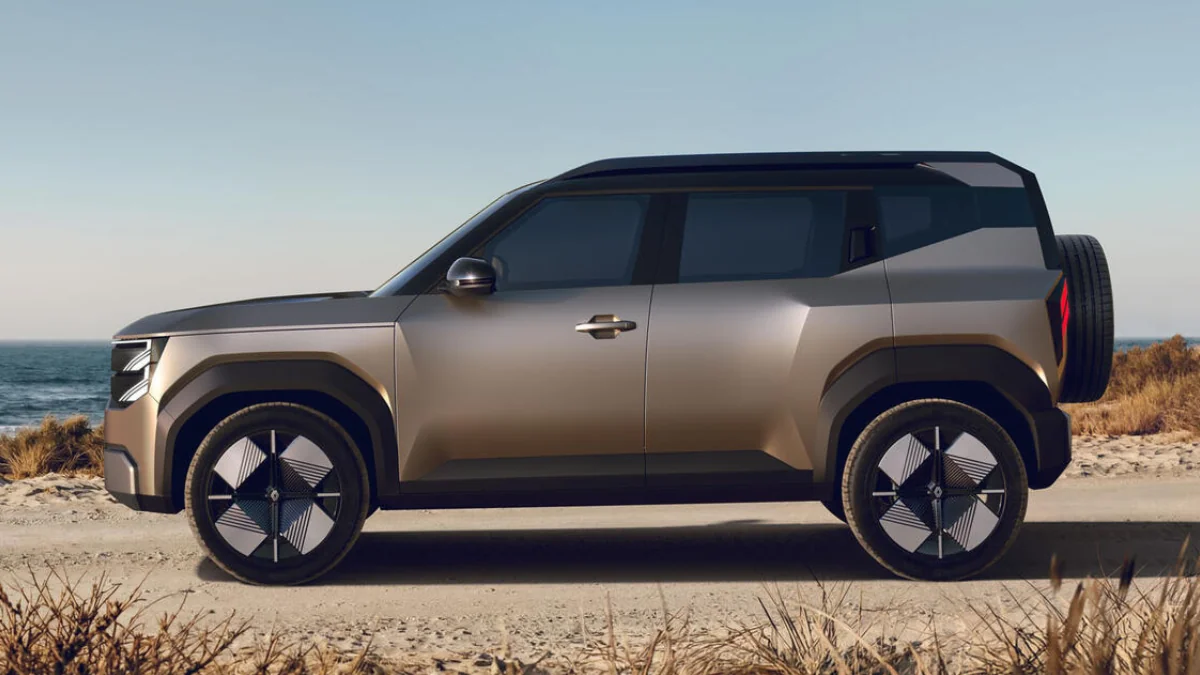
2 New Renault SUVs Coming 2027 – 7-Seats, Hybrid & More
Renault Duster 7-seater and Renault Bridger SUVs are set to launch in 2027. Here are the key details of these upcoming Renault SUVs.
Chhavi
Read More
Honda Alpha Exterior and Interior Sketches Out Ahead of Dec 2 Reveal
Designed at Honda Design Centre Japan, the Honda Alpha electric SUV is set to make its global debut in India on 2nd December 2026.
Amit Sharma
Read More
JSW Motors Presents Brand Logo Ahead of December 3 Launch: JSW Combat
JSW Motors has also introduced a new logo which will be the badge on every JSW Motors vehicle; Combat India launch on December 4, 2026.
Amit Sharma
Read More
4 All-New Cars and SUVs Launching and Revealing in December 2026
From next-gen Toyota Fortuner to Honda Alpha and VW Virtus facelift, here is a list of top 4 all-new cars and SUVs revealing and launching in December 2026.
Amit Sharma
Read More
3 Hyundai SUVs Coming Soon – Creta Hybrid, Bayon CNG & Ioniq P
Hyundai to launch three new SUVs over the next four months, including the Bayon CNG, next-gen Creta and Ioniq P. Check all key details.
Chhavi
Read More

Latest Maruti Suzuki Car News and Updates
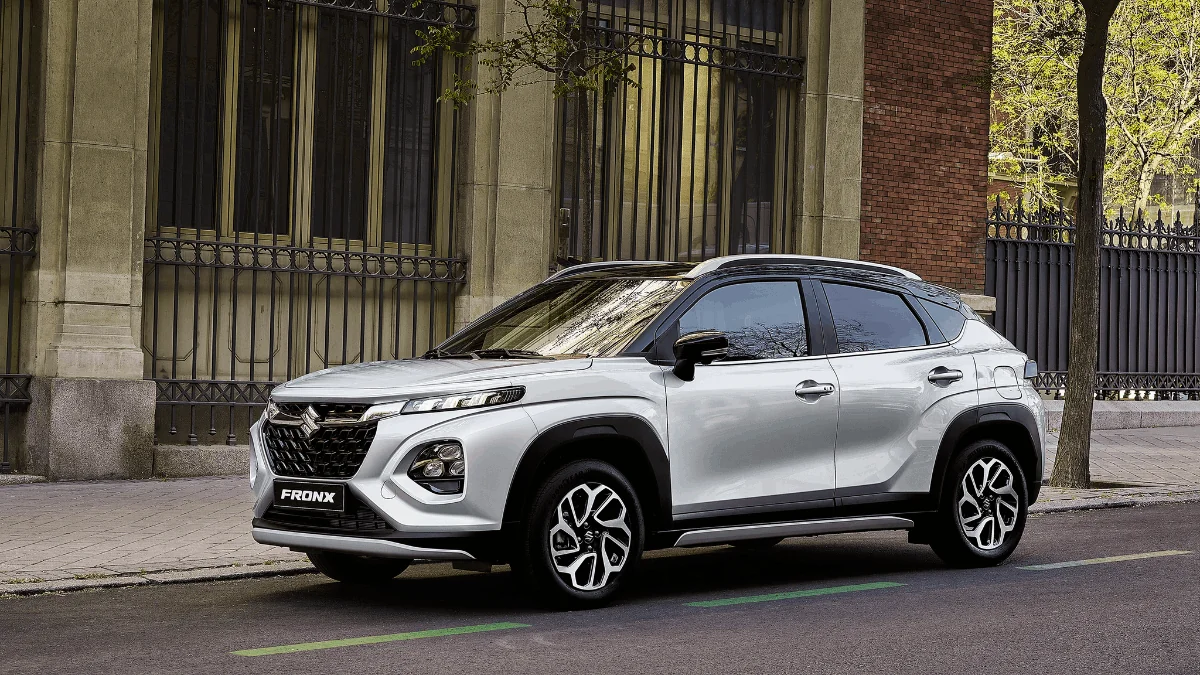
New 2027 Maruti Fronx Facelift – 3 Big Changes Expected
The 2027 Maruti Fronx facelift could get ADAS, rear disc brakes, a new strong hybrid powertrain, new features and revised design.
Chhavi
Read More
5 New Maruti Suzuki Cars Launching Soon: Fronx Facelift, 7-Seater SUV, Y43 SUV and More
Maruti Suzuki will launch 5 key new vehicles, starting from dedicated electric MPV to a Y43 micro SUV and a 7-seater SUV in the Indian market in 2026 and 2027
Amit Sharma
Read More
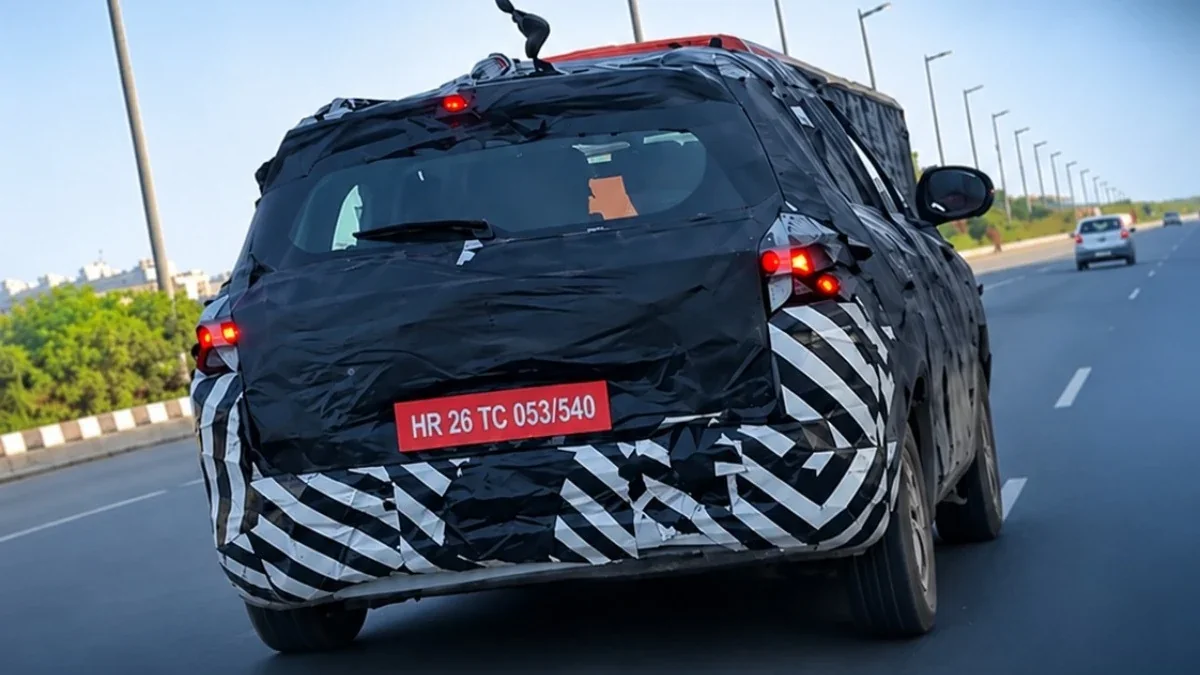
New Maruti Suzuki SUV Spotted Testing - New Tata Punch Rival?
Heavily camouflaged SUV was recently spotted testing on Indian highways, marking the first real-world sighting of the Maruti Suzuki's rival to the Tata Punch
Amit Sharma
Read More
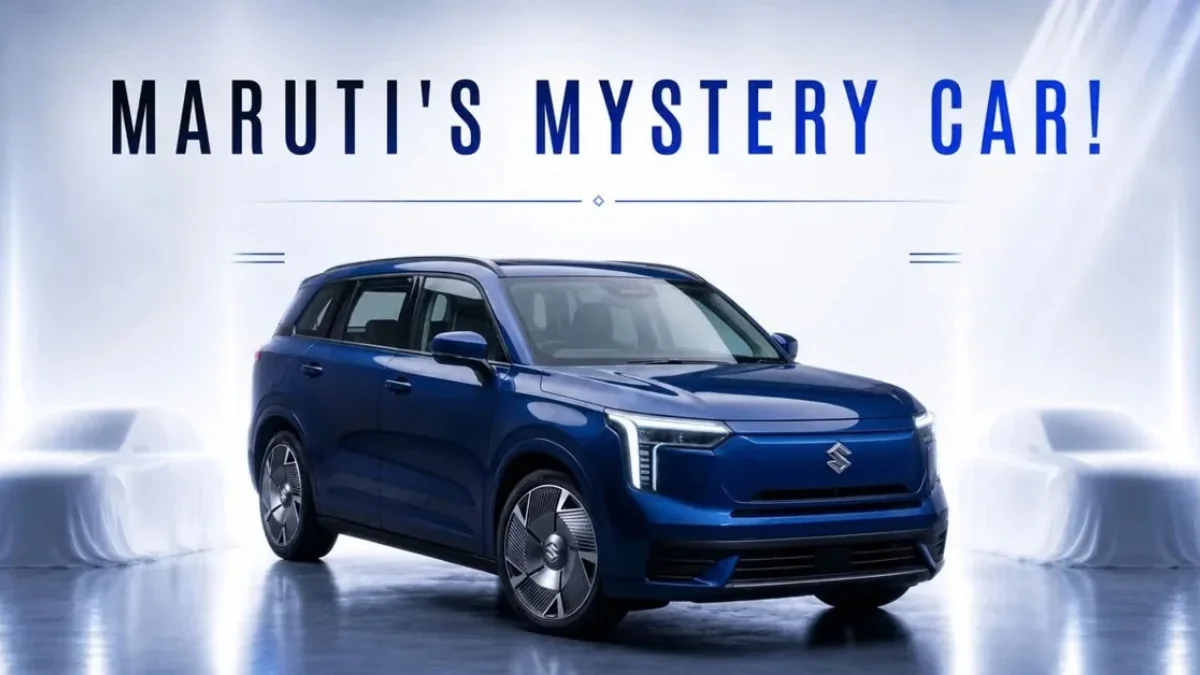
New Maruti Electric MPV and Hybrid Fronx Coming in February 2027
Maruti Suzuki to unveil two new models at the 2027 Bharat Mobility Show – the YMC electric MPV and the new Fronx facelift.
Chhavi
Read More
Maruti Suzuki’s Second Electric Car to Debut in 2027: Could Be a New MPV
Maruti Suzuki will showcase its second electric car in February 2027. The new model could be a three-row electric MPV codenamed YMC.
Konica Singh
Read More
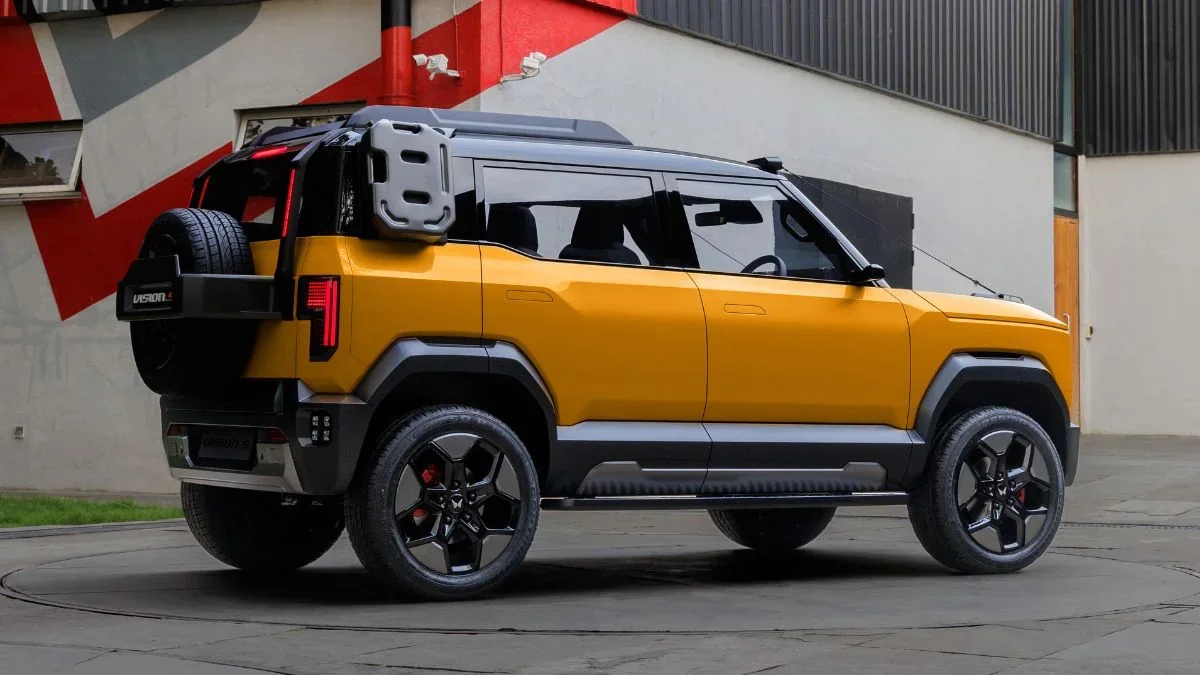
Mahindra Vision S and Maruti Fronx Facelift Launching in Next 5 Months
While Mahindra will introduce the Vision S based lifestyle compact SUV in Q1, 2027, Maruti Suzuki will introduce the Fronx facelift in the end of this year.
Chhavi
Read More
Latest Maruti Suzuki Fronx Facelift News and Updates
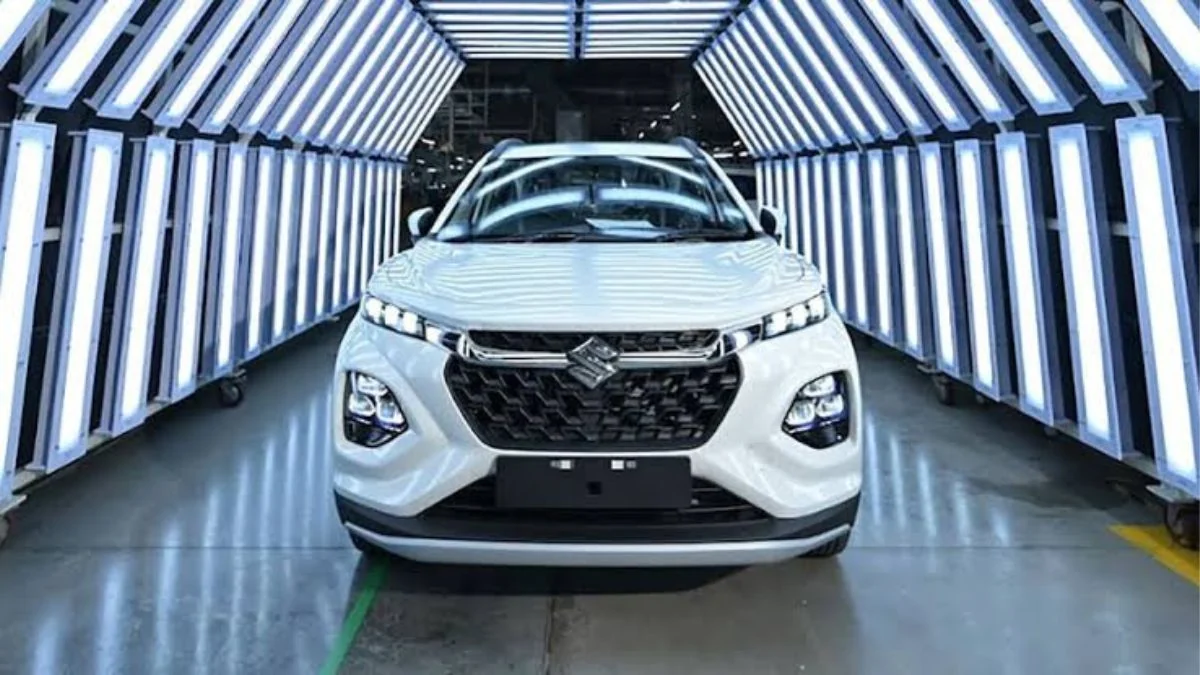
4 Maruti Suzuki Cars Coming Soon - Electric MPV, Baleno Facelift and More
Maruti Suzuki is preparing four new launches, including an electric MPV, Baleno facelift, Fronx facelift and more Bioflex models for India.
Konica Singh
Read More
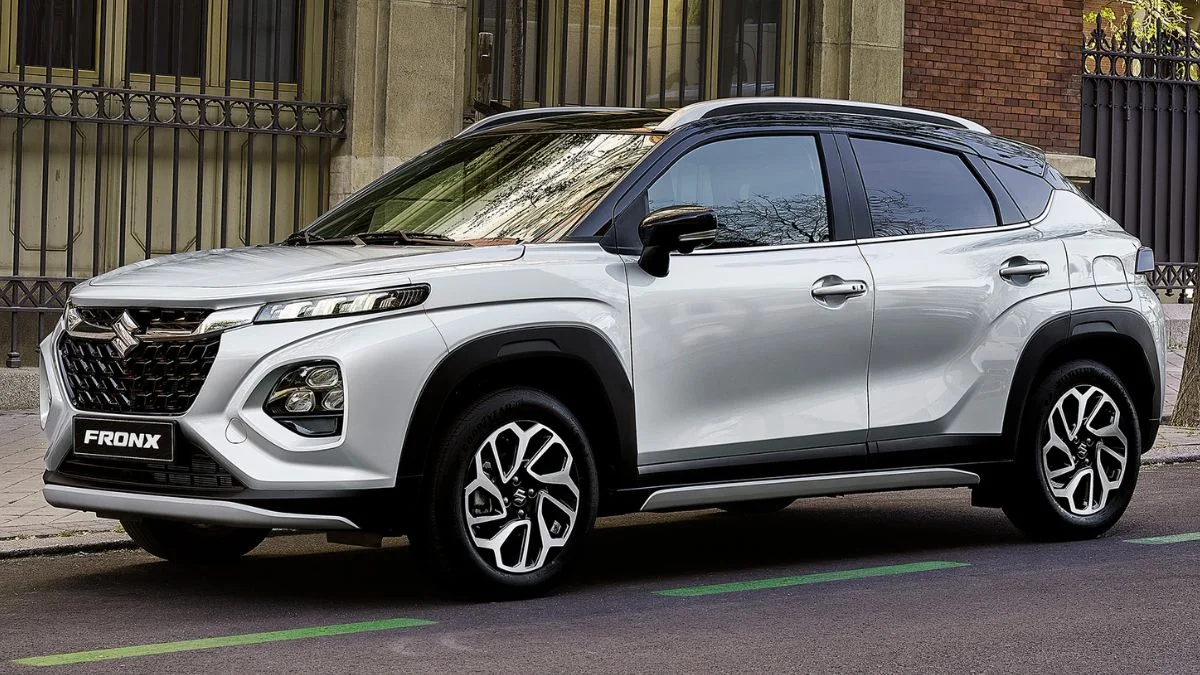
Maruti Suzuki to Soon Launch Baleno and Fronx Facelifts
Maruti Suzuki is yet to announce the official launch timeline of the new Baleno and Fronx facelift, but we expect the new models to arrive in the coming weeks.
Amit Sharma
Read More
Maruti Suzuki Fronx Facelift Price in India
Trending Cars in India
Explore Similar Cars
Maruti Suzuki Fronx Facelift Price in India

Trusted Dealer
All Over India

Irresistible Offers
Stay Updated, Pay Less

Compare Cars
Choose the Right Car

Easy Finance
Multiple Finance Options


Monday - Saturday

10:00am - 6:30pm

contact@carlelo.com