




By proceeding, I acknowledge that I have read and agreed to the Privacy Policy, Terms & Conditions, consent declaration, and the sharing of my information with lending partners, dealers, OEMs, and for marketing communication via Phone Calls, SMS & WhatsApp.


ADVERTISEMENT

ADVERTISEMENT







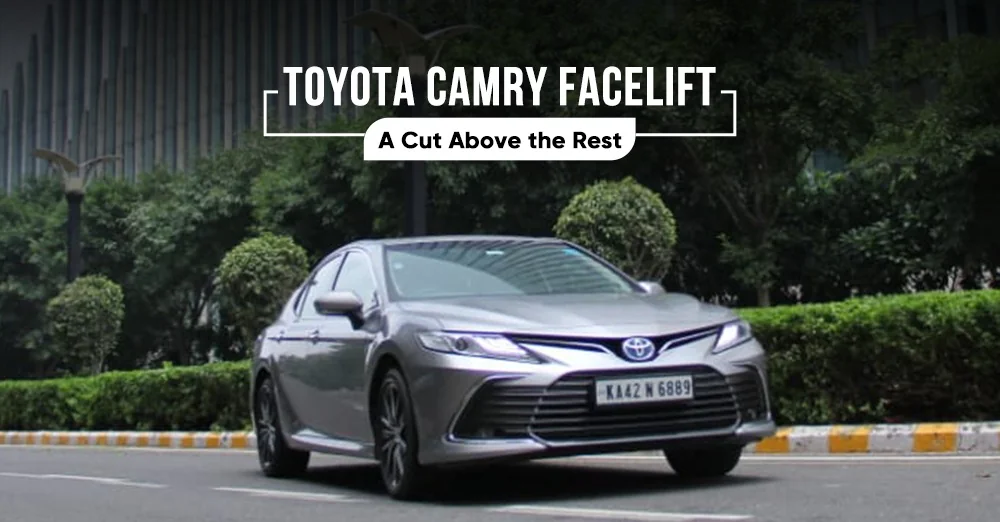
Looking for a car with a budget of Rs 40 to Rs 50 lakh that symbolises luxury, comfort and performance? Then we have the answer for you. Presenting to you from the house of Japanese Automaker Toyota, the Toyota Camry Hybrid Facelift.
A pioneering in newer and greener powertrain technology, the Camry stands its own ground against loud German trio in its segment. A segment first for the introduction of hybrid technology, the name Camry for Toyota stands for more than one thing. It is luxurious, good looking, high on technology and environmentally conscious. But do you know how the journey started for this premium sedan?
Toyota Camry: History

The Toyota Camry was introduced for the first time in the international market (Japan) back in 1982 as a frugal offering to the then changing world. The car went on to sell in large numbers and took over the world in the coming years. From India’s standpoint, the sedan was first launched in 2002 by Toyota Kirloskar Motors to take on competition like the Honda Accord, Hyundai Sonata and Volkswagen Passat in the D-sedan segment. All these 4 cars were the machines to consider when it came to luxury, comfort and performance. Till date, we have had four generations of this nameplate and when we look at its current competitor list there is no Accord or Sonata or Passat but instead the Skoda Superb, Audi A4, BMW 2 Series, BMW 3 Series and Mercedes A-Class Limousine to compete with.

Toyota Camry: Multiple Generations
It is obvious that Toyota have had to put its best foot forward. Since inception in our country, the Camry has been all about flair, class and a status symbol. Whether the XV30 or XV40 or XV50 or XV70 each model has had its own charm and relevance given the Indian automobile market scenario. From just being simple in exterior and interior design, the sedan has given us ample to talk about. First and foremost, it was the first hybrid to be locally manufactured at Toyota’s plant in Bidadi Karnataka. From a rather sophisticated exterior profile available on the XV40, the introduction of XV50 was more about sharper lines on the outside, a spruced-up interior and a power plant which for the first time had hybrid technology to offer.

Read Also: Guide To Buying the Right Toyota Car
Back then, the reintroduced Camry Hybrid came equipped with a 2.5-litre petrol engine clubbed to an electric motor. Dubbed as ‘Hybrid Synergy Drive’, the system worked in such a way that it would switch between two power sources – the electric motor first and then the petrol engine. Its total power output stood at 202bhp while transmission duties were taken care of by an electronically-controlled continuous variable transmission (e-CVT). Talking about the battery, located below the rear seats it was made of nickel metal hydride having a capacity of 6.5amp/hr. This introduction meant that the car became more fuel efficient than ever before. As a result, it provided a mileage of 19.16 kmpl (ARAI) certified. Some of the key features on-board included ventilated front seats, three-zone climate control, tilt and telescopic steering column with memory function, powered reclining rear seats, four airbags, Hill Start Assist Control, Vehicle Stability Control, Traction Control to name a few. Over the next couple of years, the Camry XV50 was refreshed again with cosmetic touches to both the outside and the inside until it was time for a drastic makeover.
Toyota Camry: 2022 Facelift

Read Also: BMW 2-Series VS Volvo S60: Comparison
Here comes the Toyota Camry XV70 which is the most relevant model in the current scenario. A departure from what we have seen in the past, this was the fourth generation for our country. Based on Toyota’s TNGA (Toyota New Global Architecture) the car was now better equipped for a lower centre of gravity and provided improved vehicle dynamics. The exterior styling was aggressive in comparison to the understated one on its previous generation. Following the Japanese automakers latest design language, the sedan offered a large intake up front, sleek LED headlamps, prominent crease on either side while the rear featured a raised boot lip. Under the hood, it was made available with only a hybrid powertrain unlike before when it was offered alongside a pure gasoline unit. Thus the 2.5-litre petrol unit was reworked to develop 178 bhp with 221 Nm of torque as it came paired to a 120 bhp electric motor. Its combined power output stood at 218bhp. Powering its four-wheels was an eCVT automatic transmission. Key changes to the updated hybrid system included a lighter power control unit and repositioning of the battery under the rear seat. This resulted in a better fuel economy of 23.27 kmpl in comparison to 19.16 of before. In terms of equipment it provided an 8.0-inch touchscreen infotainment unit, 9-speaker JBL audio system, heads up display, a reverse camera, powered sunshades with controls provided within the centre armrest, and powered reclining rear seats to name a few. Safety features on-board consisted of ABS, EBD, 9 airbags, ISOFIX child seat anchor points, traction and stability control. On the whole, significant changes ensured that the package was a potent one. But then again comes a time for some required change.

And for that post COVID 19, the Japanese manufacturer decided to bring in the facelifted version of the Camry Hybrid. This time around, minimal changes were made to the exterior profile which included a sleeker grille with less of chrome, a reworked front bumper that features a bigger and wider air intake while the sides get chrome accents with a new set of dual-tone 18-inch alloy wheels. Coming to the rear, the taillamps get an upgrade in the form of dark inserts. Rest more or less things remain the same as the previous edition.

Read Also: Jeep Meridian – Expert Review
Now let us take a look at what all has changed on the inside. The biggest update is the introduction of a new floating 9.0-inch infotainment system that replaces the older 8.0-inch unit. This unit in specific now offers updated software while functions like Android Auto and Apple CarPlay have also been added to the package. Its dashboard, centre console and arm rests feature a new trim finish which further makes the cabin look and feel premium. Further, the AC vents found in the center have been repositioned and can now be seen under the infotainment system. Since it comes in only one variant which is the fully loaded version, the Camry carries forward equipment like a sunroof, 9-speaker JBL audio system, ventilated front seats, wireless charging, reverse camera, 9 airbags to mention a few. Mechanically the car remains unchanged as it comes equipped with the same 2.5-litre petrol engine mated to a 120 bhp magnet synchronous motor that helps develop a combined power output of 218 bhp. Transmission duties are taken care of by the same CVT gearbox while its fuel economy still stands at 23.27 kmpl (ARAI Certified).

Read Also: 7 Things That You Will Find only in Toyota Cars
With the history of the vehicle out of our way, let us now get down to the part of how is it to live with? Given that the New Camry comes out of its skin to give competition a run for their money, it is the flamboyant design, premium interior, ample space, comfort and a big equipment list that really steals the show. The icing on the cake is its powerplant that operates very smoothly, not letting the driver or its occupants know what is happening underneath while being on the move. Push the start button and the car comes to life in a silent state of tune. Slot it into gear via the e-CVT transmission and the electric motor begins to do its job.

The beauty of the hybrid powertrain is such that with a gentle throttle input one can drive on pure electric mode without having to use a single drop of fuel till the time there is enough charge. Once that is over, the petrol engine comes into action to recharge the battery or else if required for immediate acceleration. The shift from EV to petrol is seamless and to top it up the automatic transmission hands out instant shifts which is a boon while driving in the city. Though the gearbox does exhibit a rubber band effect at the time of hard acceleration. There are 3 driving modes on offer: Eco, Normal and Sport. In Eco mode the car remains subdued thereby increasing overall fuel efficiency while in the Sport mode the powertrain comes to life by responding instantly to the applied throttle input. Due to the improved aerodynamics, it handles quite well and feels planted at all times. Further the brilliant suspension setup helps soak in potholes and broken roads with utter ease.
Toyota Camry: 2022 Facelift Verdict

With a brand value proposition already in hand, the Camry is an attractive package at Rs 45.25 lakhs (ex-showroom). What it provides is luxury, extremely comfortable seats, performance, great ride quality and enjoyable drive experience. Its eco-friendly nature is demonstrated by the hybrid powertrain that delivers an excellent mileage figure which can give the smaller mass segment cars a run for their worth. Keeping all these aspects in mind, if you are in the market for a luxury vehicle that talks lineage, class, comfort and great performance in terms of fuel efficiency then the 2022 Toyota Camry would be a viable option for you.
Read Also: Mercedes-AMG A 35 4MATIC – Expert Review
About Author

Prithvi Radhakrishna
Sub-Editor

A content creator with over 15 years of work experience, automobiles have been at the core of his heart. His fascination with four-wheels has led him to work with various print and online publishing brands creating unique content. At CarLelo, Prithvi intends to grow the online platform as the main source of information for all new car purchase related information. Latest auto news, reviews and comparisons stories under one roof, as an Editorial Head his objective is to serve his audience to the best of his abilities.
ADVERTISEMENT



Explore Similar Cars







































Top Car Brands in India
Trending Car News in India

Maruti Suzuki to Boost SUV Lineup with Next-Gen Direct-Injection Turbo Engine
Suzuki is developing a new direct-injection turbocharged engine for growing markets, which is claimed to offer stronger performance along with high mileage.
Chhavi
Read More
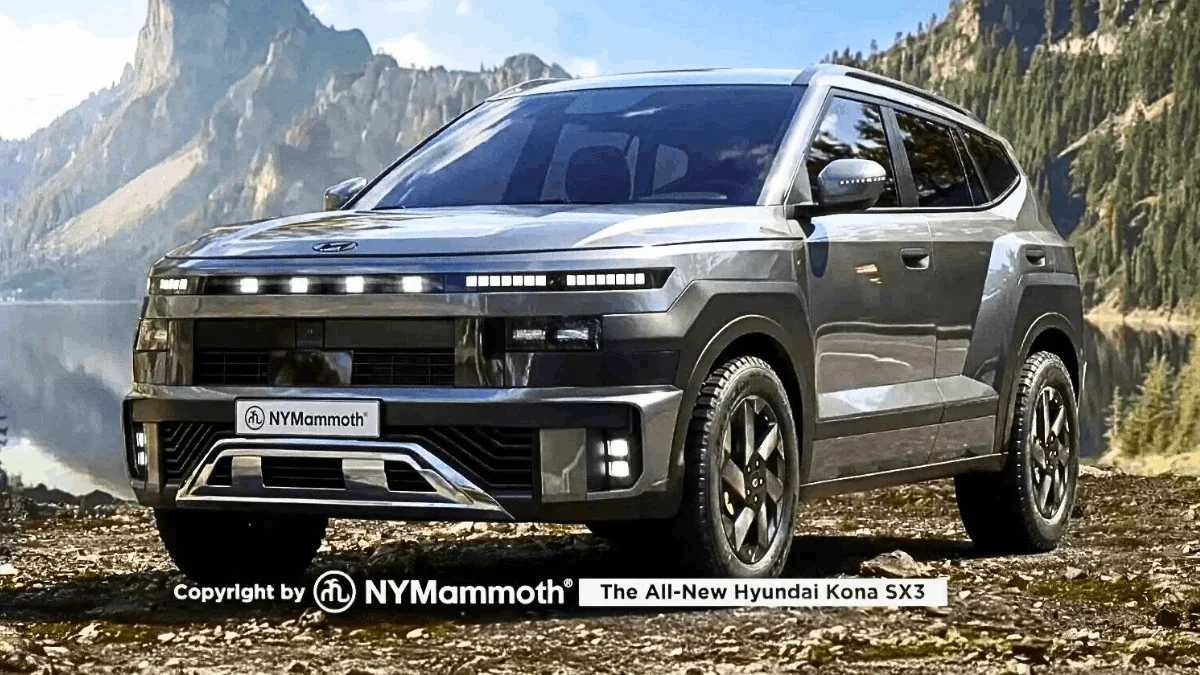
Hyundai to Launch 3 New SUVs by Early 2027: Nexon EV and Sierra Rivals
Hyundai will launch the Bayon midsize SUV and the HEi1 electric compact SUV by the end of this year, the next-gen Creta will launch in early 2027.
Chhavi
Read More
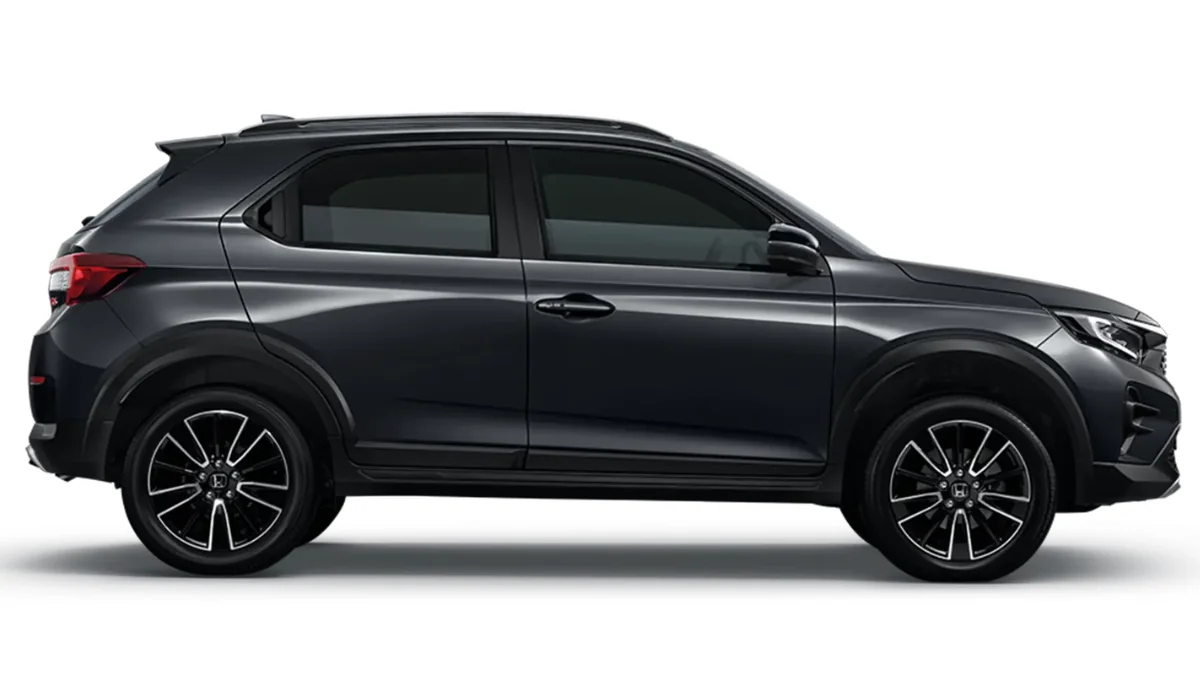
Honda Compact SUV to Get Horse 1.2L Engine with Petrol, Hybrid and CNG Options
The upcoming Honda compact SUV will use Horse Powertrain-sourced 1.2-litre petrol engine, which will also support hybrid and CNG tech. Launch by 2028.
Chhavi
Read More
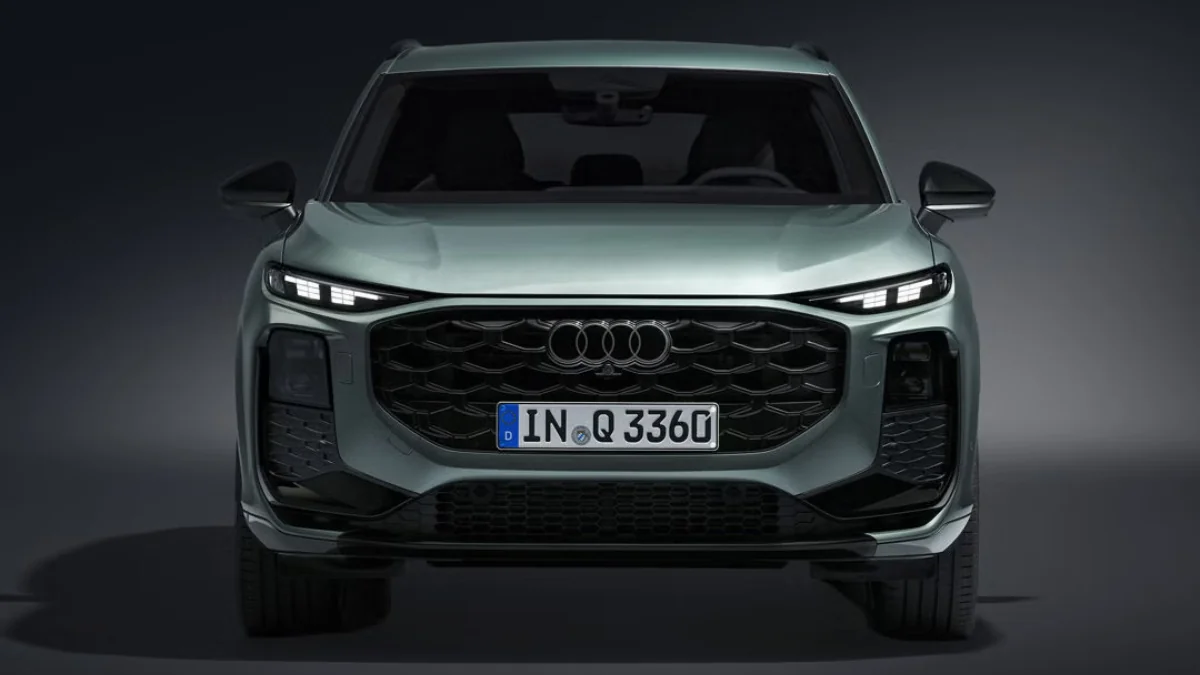
New Audi Q3 Local Production Begins – India Launch on October 16
New Audi Q3 local production has started in India ahead of its October 16 launch, with a 204 hp petrol engine, Quattro AWD and new features.
Konica Singh
Read More
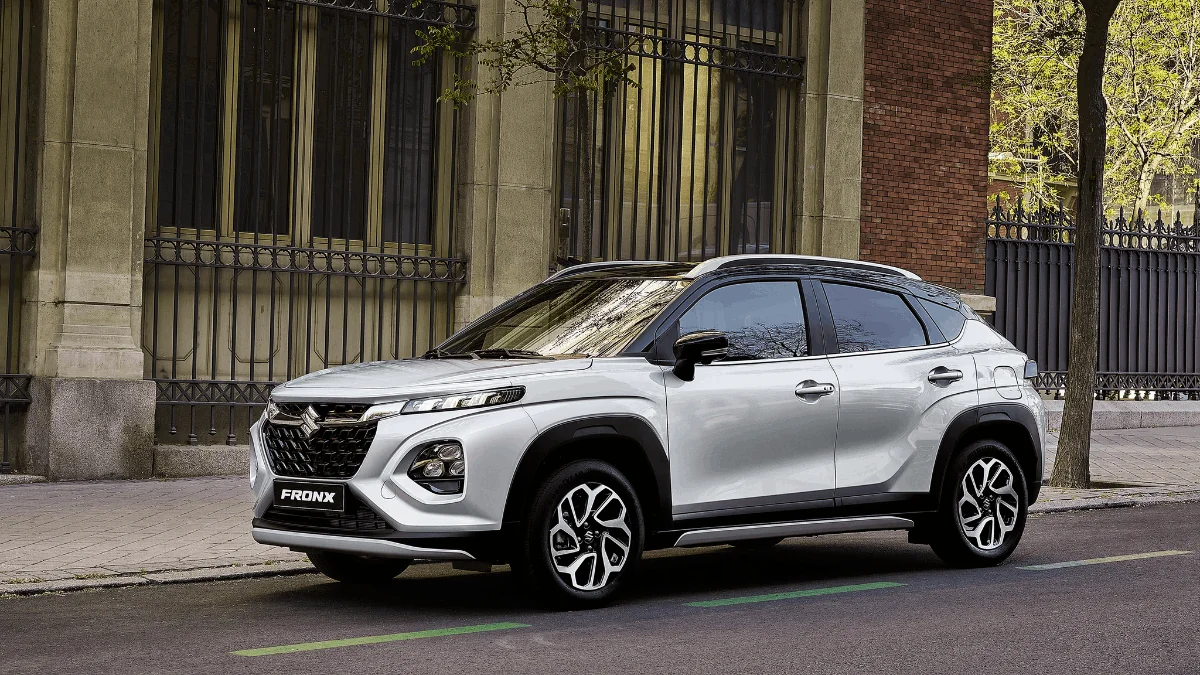
Suzuki Compact Cars to Get Strong Hybrid and Range Extender Hybrids with Plug-in Option
Suzuki Motor Corporation has confirmed that its compact cars will receive series hybrid and range extenders hybrid with plug-in capability
Chhavi
Read More
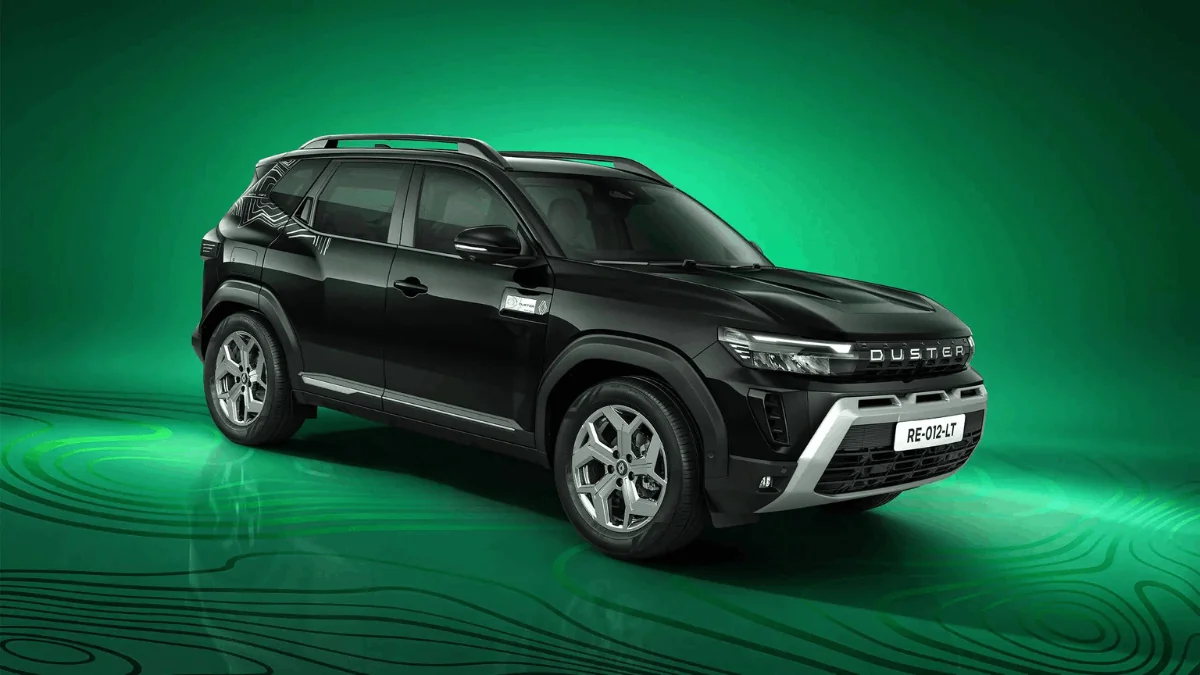
Renault Duster Hybrid Price Reveal on October 17
The all-new Hyundai Bayon SUV is scheduled to make public debut at the 2026 Paris Motor Show, bookings open in India at a token amount of Rs 11,000.
Chhavi
Read More
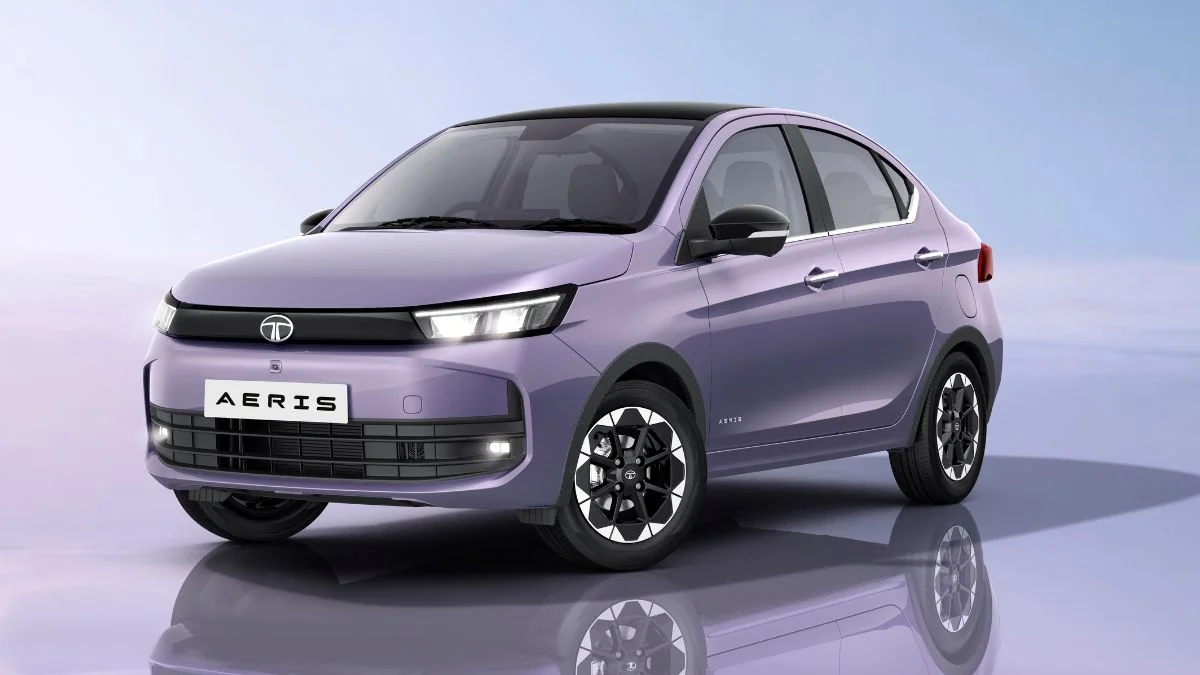
2026 Tata Aeris Launched - Price, Variants, Features
2026 Tata Aeris launched at Rs 5.29 lakh with petrol and CNG options. Check Aeris prices, variants, features, engine specs and October 11 deliveries.
Konica Singh
Read More


ADVERTISEMENT
ADVERTISEMENT
ADVERTISEMENT
Trending Cars in India
Explore Similar Cars

Trusted Dealer
All Over India

Irresistible Offers
Stay Updated, Pay Less

Compare Cars
Choose the Right Car

Easy Finance
Multiple Finance Options


Monday - Saturday

10:00am - 6:30pm

contact@carlelo.com