



ADVERTISEMENT

ADVERTISEMENT







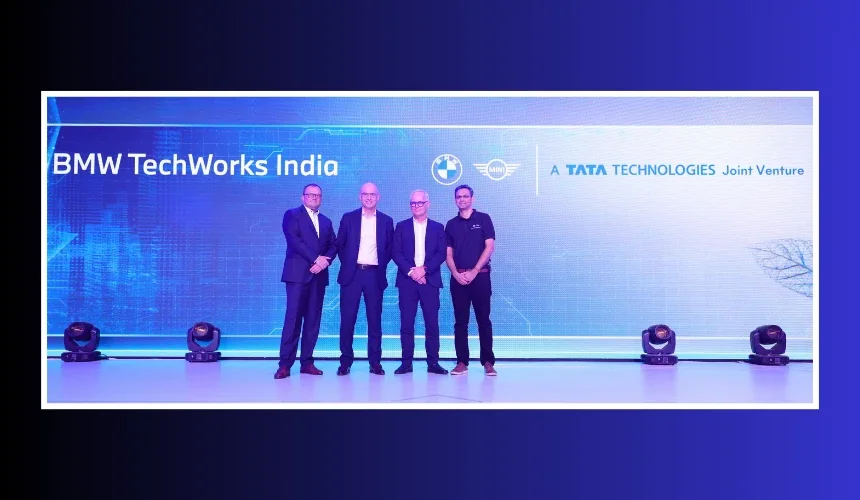
The BMW Group and Tata Technologies each hold 50% of the shares in this JV Three pillars of SDVs - Flexibility, connectivity and personalisation Jaguar to go all-electric brand by 2025
Tata Technologies and BMW Group have joined forces to form a new company, BMW TechWorks India, aiming to manufacture Software-Defined Vehicles (SDVs). This joint venture will majorly focus on cutting-edge software solutions that will power their future lineup. But what exactly are SDVs? And what else can we expect from this partnership? Keep reading to find out more.
SDVs Explained
Software-defined vehicles, in simple terms, rely heavily on software to control and manage their functions—from infotainment systems to advanced driving features. Traditionally, a car’s capabilities are largely determined by its hardware, but with SDVs, much of the control is shifted to software that can be updated over time—just like your smartphone.

With the help of BMW TechWorks India, these cars will offer better connectivity, enhanced safety and even the ability to upgrade features via software updates. It is similar to getting new features added over the air (OTA)—this is what SDVs are all about.
How Will Tata-BMW JV Shape Future Cars?
The Tata-BMW joint venture aims to create advanced software solutions that will enable cars to offer:
Automation in Driving - One of the primary goals of this partnership is to enhance self-driving technology. SDVs will be able to make real-time decisions using sensors and data processing, allowing for safer and more efficient driving.
Next-Gen Infotainment Systems - BMW TechWorks India will also work on new infotainment systems that offer better user experiences. These systems will be more interactive and personalised, allowing drivers and passengers to stream content, play games and more, all from the car’s interface.
AI-Driven Platforms - Artificial intelligence (AI) will play a major role in these vehicles, optimising everything from fuel efficiency to route planning. AI will also help with predictive maintenance, alerting drivers when their car needs attention before it breaks down.
Impact on Business IT and Digital Transformation
Beyond just improving vehicles, BMW TechWorks India will also focus on transforming the Business IT of BMW. This means that digital tools used for production, customer services and sales processes will become smarter and more efficient. With AI and software integration, BMW aims to streamline operations, making it easier for customers to buy, maintain and upgrade their cars.
Cars That Could Come From This JV?
The joint venture is not just about developing software; it’s about integrating these innovations into real-world vehicles. While no specific models have been confirmed yet, we will likely see SDV versions of popular BMW models like the X5 and 3 Series, as well as new electric vehicles (EVs).

One major hint comes from BMW’s partner Jaguar Land Rover, which is part of the Tata Motors family. Jaguar plans to go all-electric by 2025, which could mean new software-driven electric cars from this collaboration. These cars could offer some of the most advanced driving experiences in India, featuring state-of-the-art software developed by BMW TechWorks India.
Jaguar’s Electric Future

Another exciting aspect is Jaguar’s all-electric shift. As Jaguar plans to go fully electric by 2025, we can expect to see some of these new vehicles on Indian roads. With the expertise of BMW TechWorks India, these electric Jaguars could feature highly advanced software systems, making them some of the smartest and most efficient EVs in the country.
What Does This Mean for India?
India is playing a key role in this partnership, with BMW TechWorks India offices located in major tech hubs like Pune, Bengaluru and Chennai. The joint venture will start with 100 employees, but by 2025, it plans to scale up to a four-digit workforce, with a focus on hiring top talent from India’s growing tech industry. This collaboration will position India as a global leader in automotive software development.
Also, read All-New 'MG ZS EV' Revealed Ahead of Debut
About Author

Uday Singh
Sub-Editor

Uday Singh is a dynamic automotive journalist known for his concise yet comprehensive writing style and profound understanding of the industry. His passion for motoring has led him to quickly become a respected voice in automotive circles, offering insightful reviews and analyses that resonate with enthusiasts and industry insiders.
ADVERTISEMENT



Compare BMW 5 Series with Other Cars



























Top Car Brands in India
Trending Car News in India

DENZA D9 India Debut on November 13
The Denza D9 luxury people carrier will take on the likes of the MG M9, Kia Carnival, Toyota Vellfire, Lexus LM and the Mercedes-Benz V-Class.
Chhavi
Read More
New Mahindra Compact SUV Mid-Variant Interior Revealed
The Mahindra Vision S mid-level variant production-spec interiors revealed in latest spy images - launch expected in the first quarter of 2027.
Chhavi
Read More
Hyundai Bayon Variant-Wise Features and Details Leaked
The leaked documents reveal that the Hyundai Bayon will come in 5 trim levels - HX2, HX4, HX6, HX8 and HX10 - powered by a 1.5L NA petrol engine.
Chhavi
Read More
Hyundai Bayon - 10 Major Highlights Before Its Price Reveal
Hyundai Bayon launches on October 26, 2026. Explore 10 key highlights, including its petrol engine, AI voice assistant, ADAS and expected price.
Konica Singh
Read More
Mahindra Testing 3 All New SUVs - Mini Scorpio, Thar EV and BE 07 Detailed
Mahindra is preparing to introduce three all-new SUVs, including the Vision S compact SUV, Thar EV and BE 07 born electric by the end of 2027.
Amit Sharma
Read More
Toyota Innova Hycross Facelift – New Styling, More Features, Same Engines
Toyota Innova Hycross facelift could arrive in 2027 with new styling, more features, upgraded ADAS and the same 2.0-litre petrol and hybrid engines.
Konica Singh
Read More
Kia to Launch Two New SUVs in 2027 - Next Sonet and Seltos Hybrid
The second-generation Kia Sonet and the Seltos Hybrid will be launched in the Indian market in early 2027 and the late 2027, respectively.
Amit Sharma
Read More


Latest Tata Car News and Updates
New Tata Nexon EV Could Get These Major Upgrades in 2027
The 2027 Tata Nexon EV could get a new design, improved battery packaging, more cabin space and better range. Here's what to expect from the new model.
Konica Singh
Read More
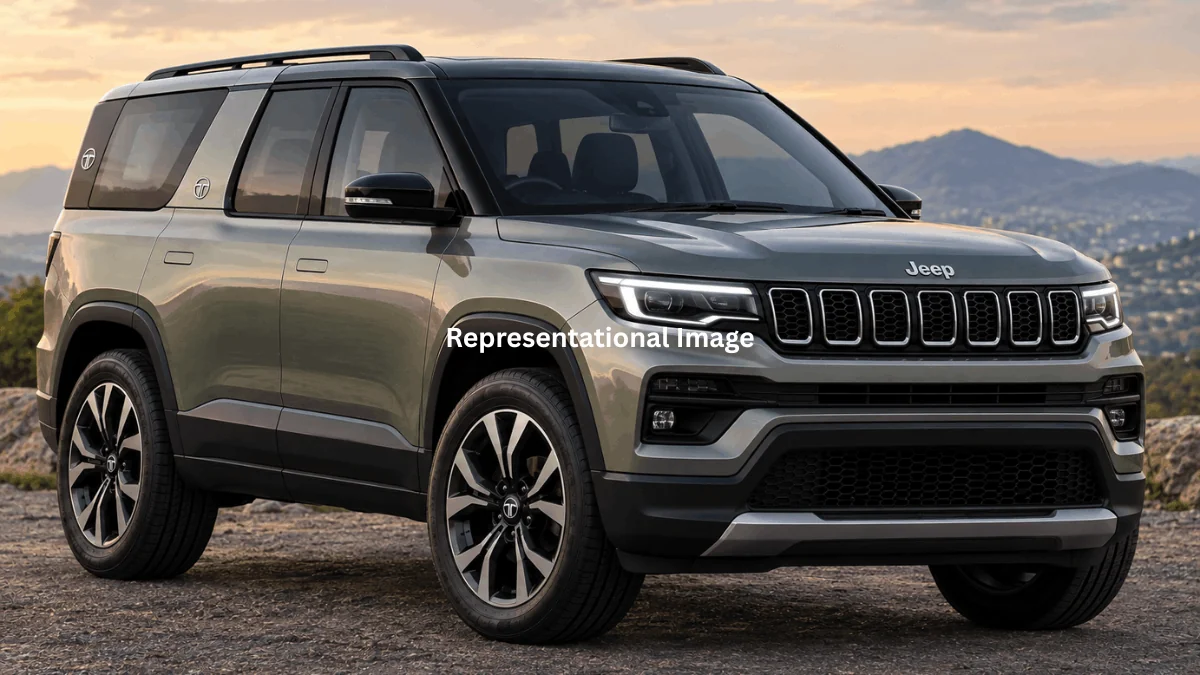
Tata Sierra-Based Jeep Midsize SUV India Launch Timeline and Key Details Out
To be based on Tata's Motors' ARGOS platform that underpins the Sierra, the upcoming Jeep midsize SUV is slated for a market introduction in early 2028.
Amit Sharma
Read More
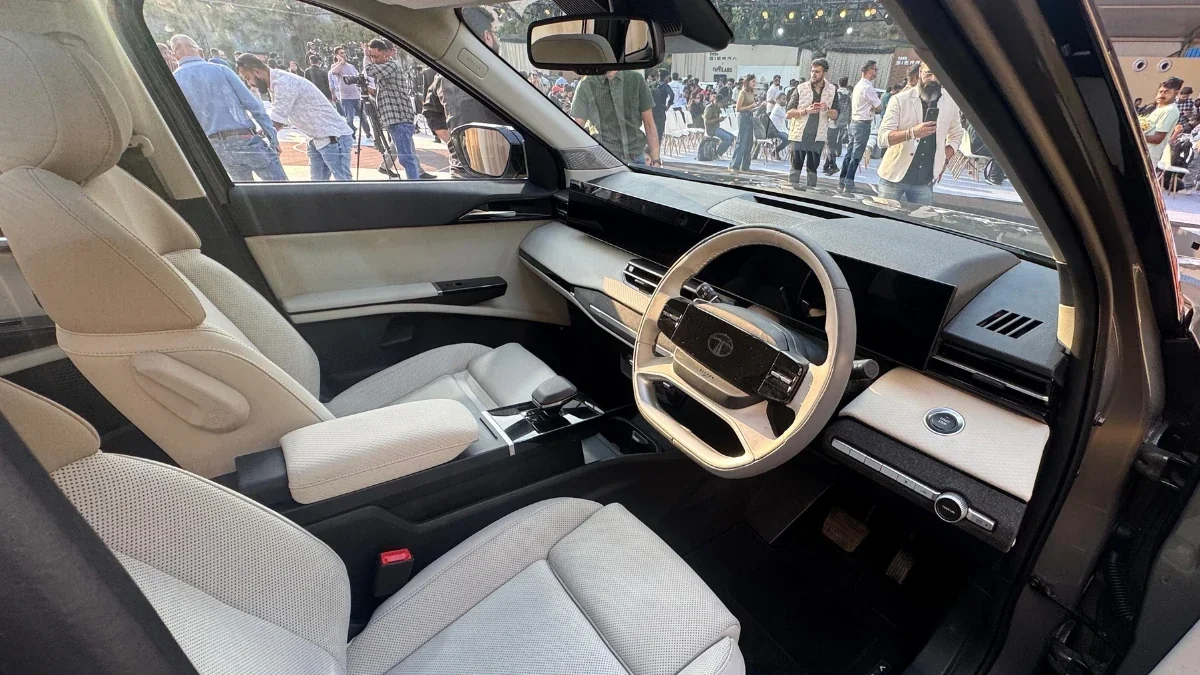
Tata Safari EV and Safari ICE to Get Triple Screen Setup
The Tata Safari EV and Safari ICE will adopt a triple screen dashboard setup, which we have already seen on the Tata Sierra. Safari EV launch by early 2027.
Amit Sharma
Read More
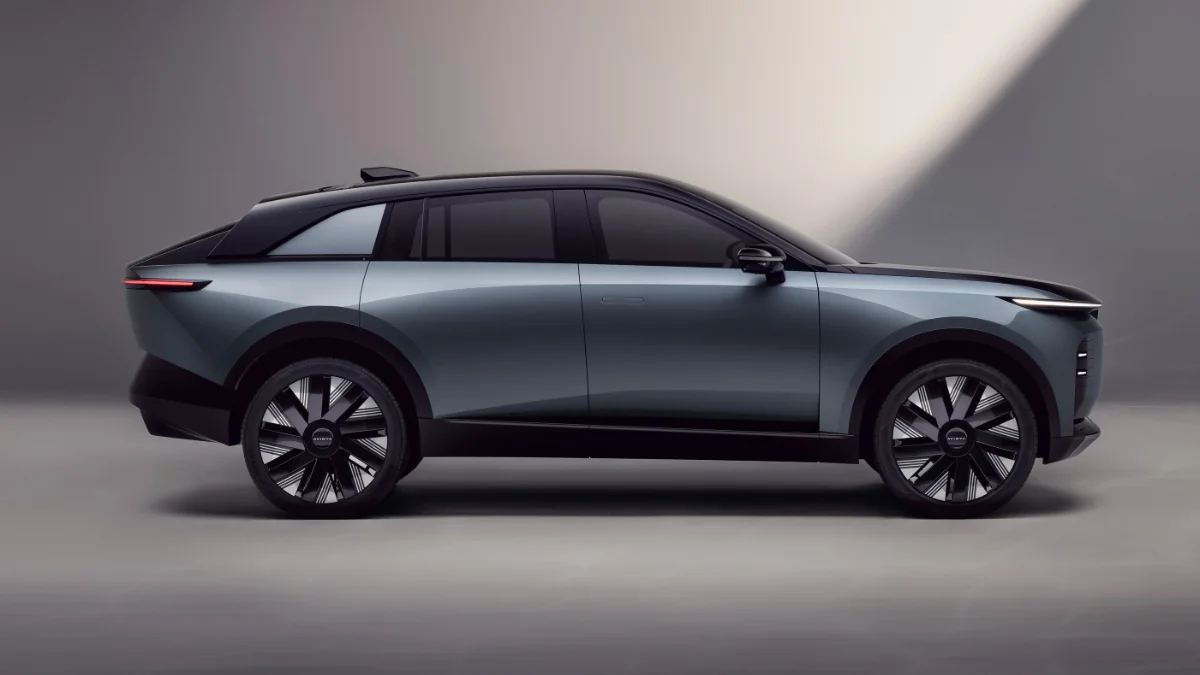
Next-gen Tata Nexon to Launch Before Avinya Series in 2027
Tata Motors will first launch the next-generation Nexon compact SUV in 2027, followed by premium models under the AVINYA series later in the year.
Amit Sharma
Read More
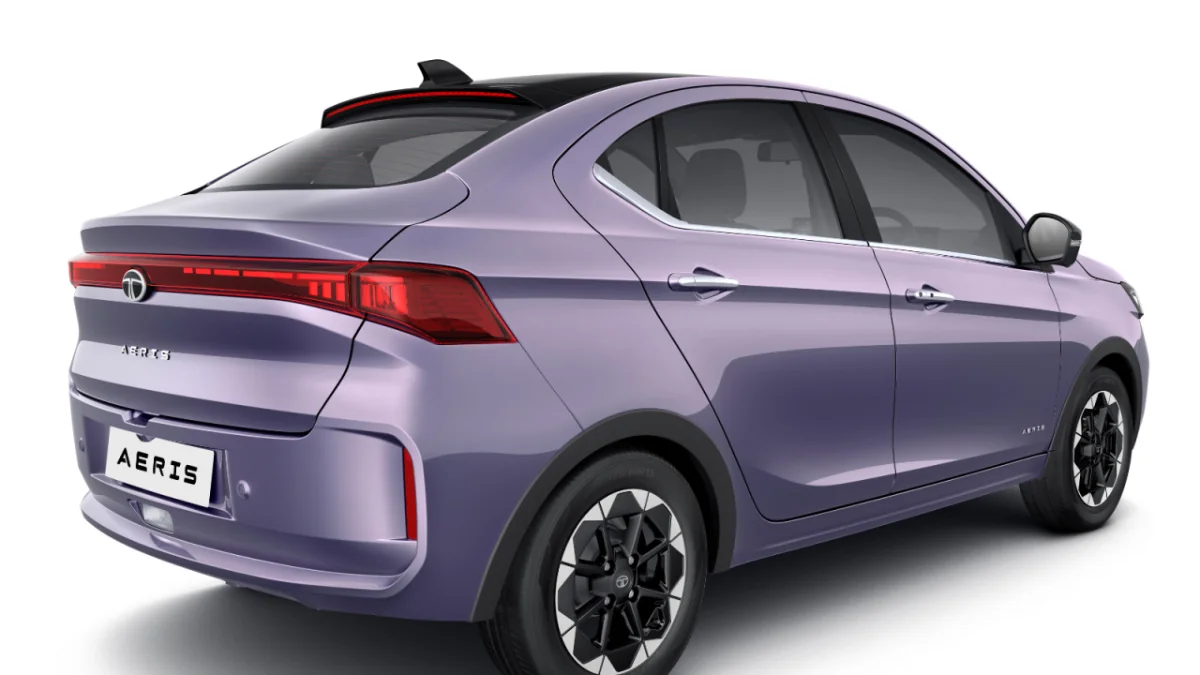
Tata Aeris Base Model Vs Top Model: Smart Vs Accomplished Compared
Here is a comprehensive breakdown comparing the Smart base and the fully-loaded Accomplished top model prices, features, styling, and overall value proposition.
Amit Sharma
Read More
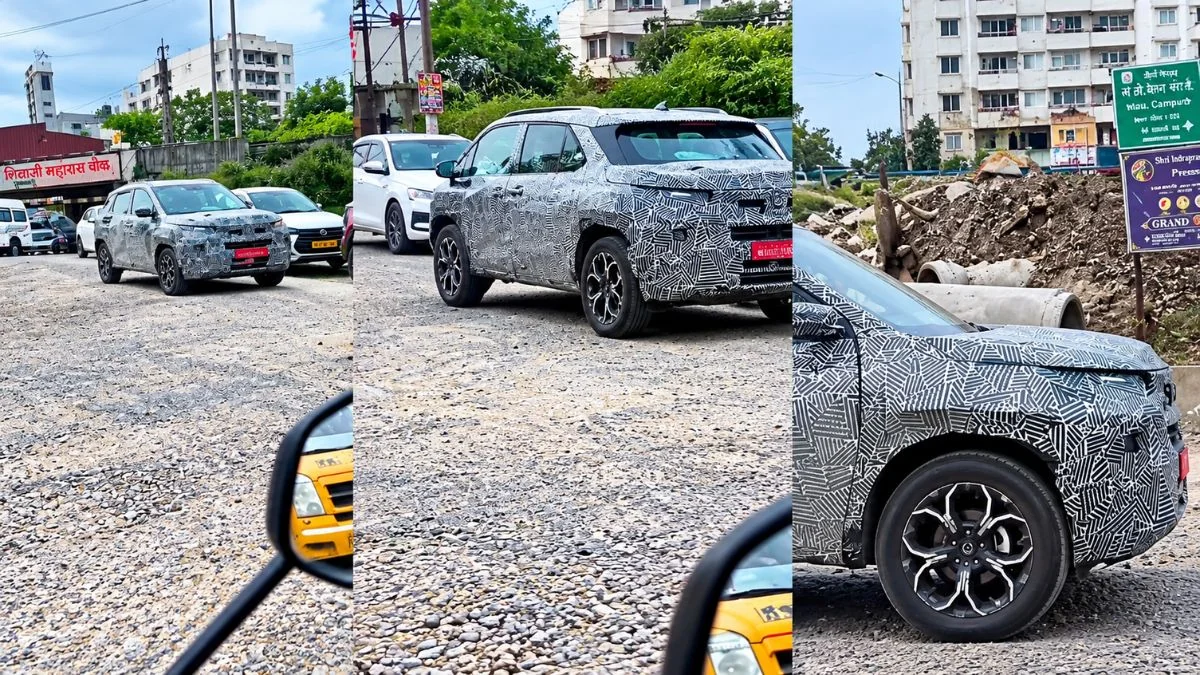
New Tata Nexon Spotted With Tata Curvv Alloy Wheels
New Tata Nexon spotted with Tata Curvv-like alloy wheels. The 2027 SUV could get a larger wheel setup, with the final size yet to be confirmed.
Konica Singh
Read More
Tata Aeris Spotlight: Decoding Price, Boot Space, and Feature Search Trends
From introductory pricing and boot space to high-end features, here is a detailed look into the top search trends surroundings the Tata Aeris.
Amit Sharma
Read More
Latest Tata News and Updates
New Tata Nexon EV Could Get These Major Upgrades in 2027
The 2027 Tata Nexon EV could get a new design, improved battery packaging, more cabin space and better range. Here's what to expect from the new model.
Konica Singh
Read More
Tata Sierra-Based Jeep Midsize SUV India Launch Timeline and Key Details Out
To be based on Tata's Motors' ARGOS platform that underpins the Sierra, the upcoming Jeep midsize SUV is slated for a market introduction in early 2028.
Amit Sharma
Read More
Tata Safari EV and Safari ICE to Get Triple Screen Setup
The Tata Safari EV and Safari ICE will adopt a triple screen dashboard setup, which we have already seen on the Tata Sierra. Safari EV launch by early 2027.
Amit Sharma
Read More
Next-gen Tata Nexon to Launch Before Avinya Series in 2027
Tata Motors will first launch the next-generation Nexon compact SUV in 2027, followed by premium models under the AVINYA series later in the year.
Amit Sharma
Read More
Tata Aeris Base Model Vs Top Model: Smart Vs Accomplished Compared
Here is a comprehensive breakdown comparing the Smart base and the fully-loaded Accomplished top model prices, features, styling, and overall value proposition.
Amit Sharma
Read More
New Tata Nexon Spotted With Tata Curvv Alloy Wheels
New Tata Nexon spotted with Tata Curvv-like alloy wheels. The 2027 SUV could get a larger wheel setup, with the final size yet to be confirmed.
Konica Singh
Read More
Tata Aeris Spotlight: Decoding Price, Boot Space, and Feature Search Trends
From introductory pricing and boot space to high-end features, here is a detailed look into the top search trends surroundings the Tata Aeris.
Amit Sharma
Read More
ADVERTISEMENT
ADVERTISEMENT
ADVERTISEMENT
Trending Cars in India
Explore Similar Cars

Trusted Dealer
All Over India

Irresistible Offers
Stay Updated, Pay Less

Compare Cars
Choose the Right Car

Easy Finance
Multiple Finance Options


Monday - Saturday

10:00am - 6:30pm

contact@carlelo.com