








Assess Your Car before Choosing Add-Ons Check Whether the Add-On Benefit Solves a Real Problem
Choosing car insurance add-ons can be confusing because several options may seem useful at first. However, you may not need every add-on available with your policy. The right number depends on factors such as your car’s age, how often you drive, the routes you take and the kind of expenses you want covered.
Understanding what each add-on does can help you select only those that are relevant to your actual driving needs.
Start with the Role of an Add-on
An add-on is an optional cover that extends certain benefits beyond the standard scope of a car insurance policy. Different add-ons are designed for different situations. Some focus on repair costs, while others may help with breakdown support, engine damage or the financial impact of a total loss, depending on policy terms.
The useful question is not how many you can add, but which ones address risks relevant to your vehicle and driving pattern.
Match Add-Ons to the Way You Use Your Car
The right add-ons depend largely on where, how often and under what conditions you usually drive your car.
Driving Conditions Matter
A car used regularly on busy roads may face different situations from one driven mainly on highways.
Roadside assistance may be worth considering if you often travel long distances or drive where immediate help may be difficult to arrange. Engine protection may be relevant if your usual routes are affected by heavy rain or waterlogging.
Your Usage Pattern Matters
With car insurance, the aim should be to close meaningful gaps rather than collect features you are unlikely to use. Think about how often you drive, where the car is parked and whether it is your main mode of transport before choosing extras.
Assess Your Car before Choosing Add-Ons
The age, condition and value of the vehicle can change the relevance of an add-on. For a relatively new car, you may want to examine covers connected with depreciation, invoice value or specific repair expenses.
For an older vehicle, the same choices may need a different assessment based on eligibility and vehicle value. Do not decide only by reading the add-on name. Read what it covers, when it applies and whether conditions are attached.
A Simple Way to Shortlist Add-Ons
You can shortlist add-ons by matching each option with your car usage, driving conditions and specific coverage needs.
Check Whether the Benefit Solves a Real Problem
An add-on becomes useful when you can clearly explain why you need it. If you cannot connect a feature to your driving conditions, car usage or financial preference, reconsider whether it belongs in your policy.
This can also keep your car insurance easier to understand. Instead of focusing on the total number, review the purpose of each add-on separately and check whether your base cover already addresses the concern.
Choose Add-Ons That Match Your Needs
The value of an add-on depends on whether it addresses a situation that is relevant to you. Consider your car’s age, driving frequency, regular routes and local conditions before selecting additional cover. Your existing policy also matters.
For example, third party insurance mainly covers liabilities towards others, while add-ons are generally linked with broader own damage cover, subject to policy terms. Check the scope of your policy before selecting extras. The aim should be to choose add-ons that serve a clear purpose rather than simply increasing the number of covers.
Final Thoughts
There is no fixed number of add-ons that every car owner needs. Your choices should depend on your vehicle, driving habits and the risks you consider relevant.
Before adding any feature to your car insurance policy, understand what it covers, when it applies and whether it offers practical value for your situation. A focused selection can make the policy easier to understand and better suited to your actual needs.
About Author

Team CarLelo
Sub-Editor

Team CarLelo is a group of passionate car enthusiasts and auto experts who bring you the latest car news, launches, reviews, and buying tips. The team focuses on simple, clear, and useful content to make car buying easy and stress-free for readers across India.
Explore Similar Cars


























Top Car Brands in India
Trending Car News in India
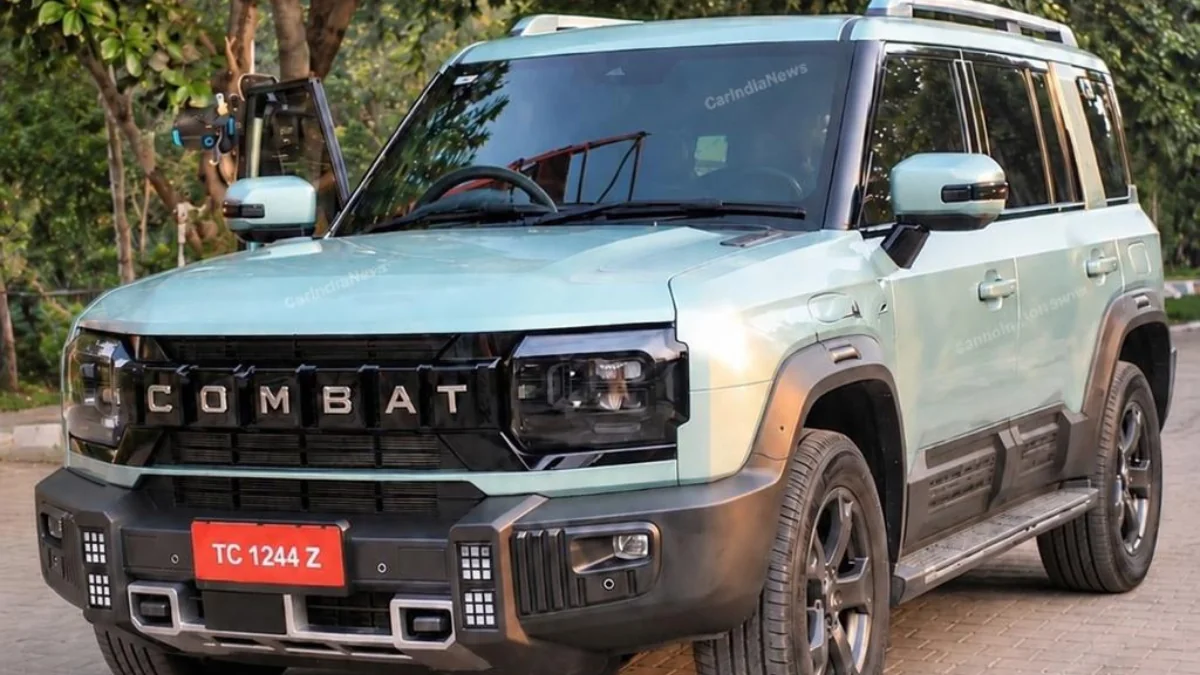
JSW Combat Leaked – Rugged SUV, PHEV Power, Fortuner Rival
The JSW Combat SUV is set to make India debut on December 3. Check out its expected price, design, features, PHEV powertrain details and more.
Chhavi
Read More
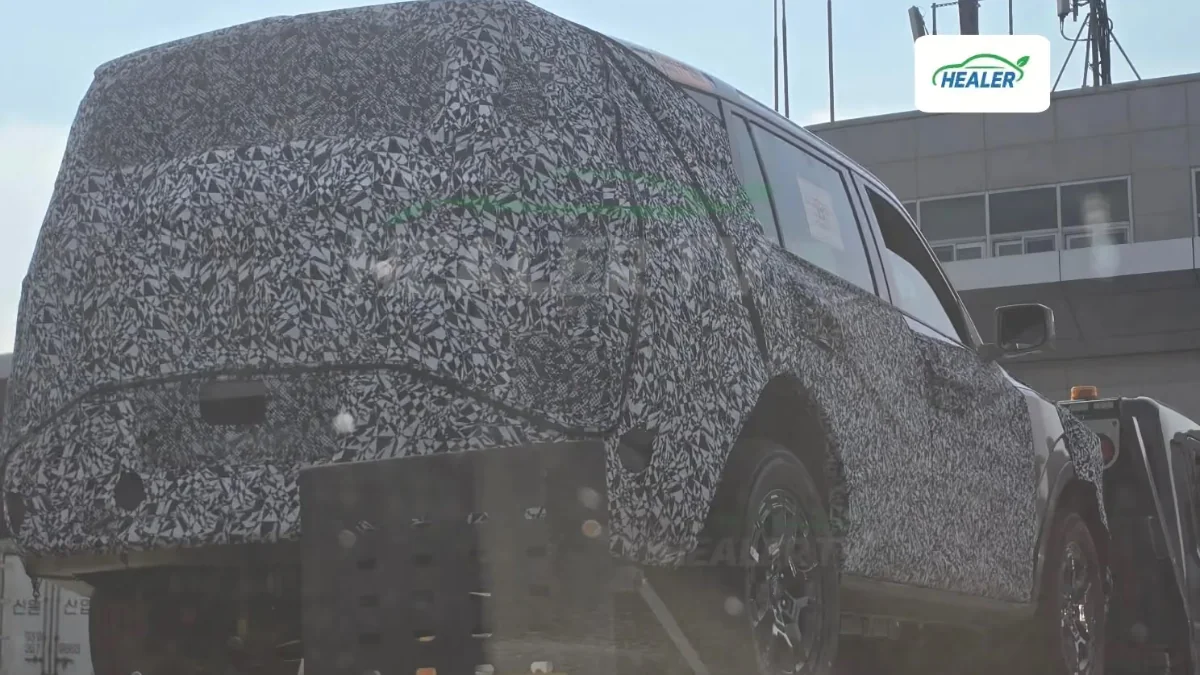
New Hyundai 7-Seater SUV Spied With HEV Badge – XUV 7X0 Rival
Hyundai Ni1i 7-seater SUV is expected to launch in 2027. Check its expected design, features, interior, hybrid powertrain and more.
Chhavi
Read More
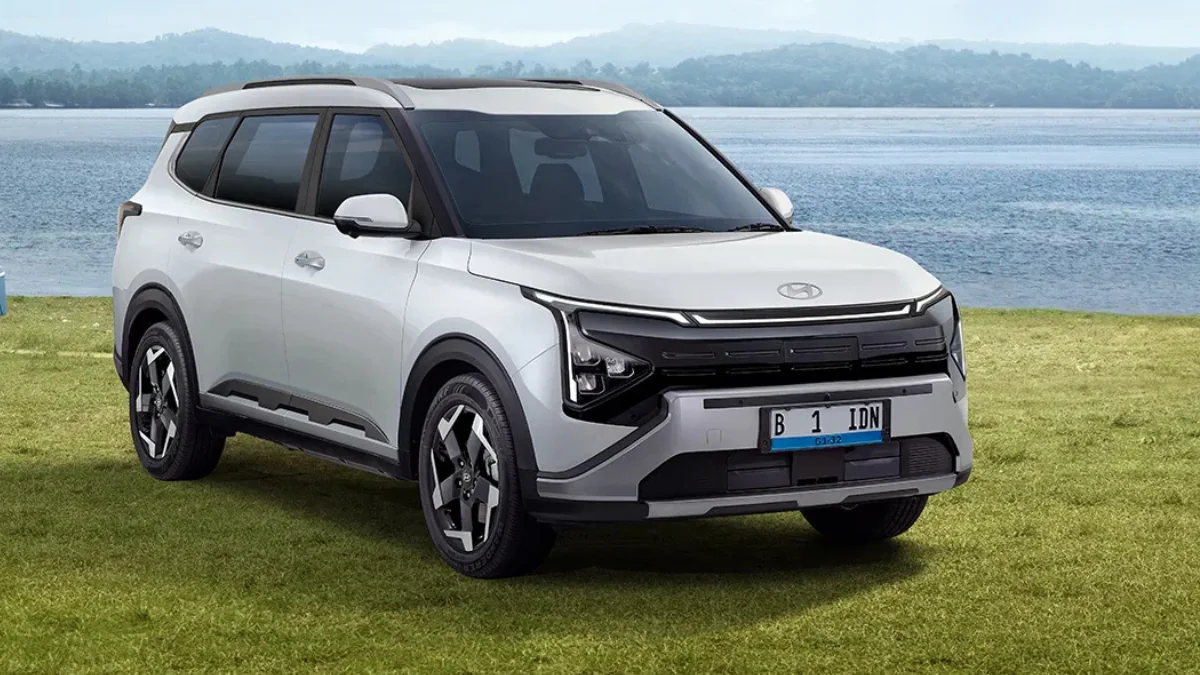
New Hyundai Neira 7-Seater Electric MPV – Interior & Exterior Revealed
Hyundai Neira electric MPV interior and exterior revealed. Check its features, EV powertrain, battery options, range and India launch timeline.
Chhavi
Read More
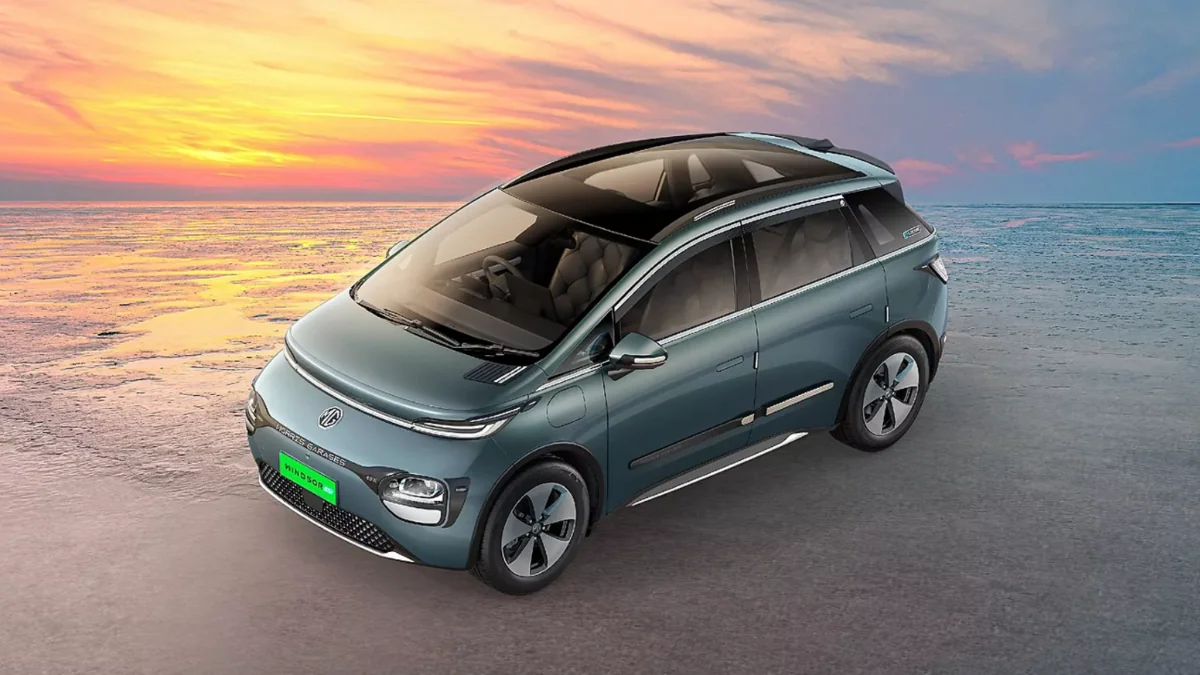
New MG Windsor EV Coming in 2027 – Bigger Battery, More Range
The new MG Windsor EV facelift coming in 2027. The EV will get a larger 61kWh battery, longer range, updated styling and new features.
Chhavi
Read More
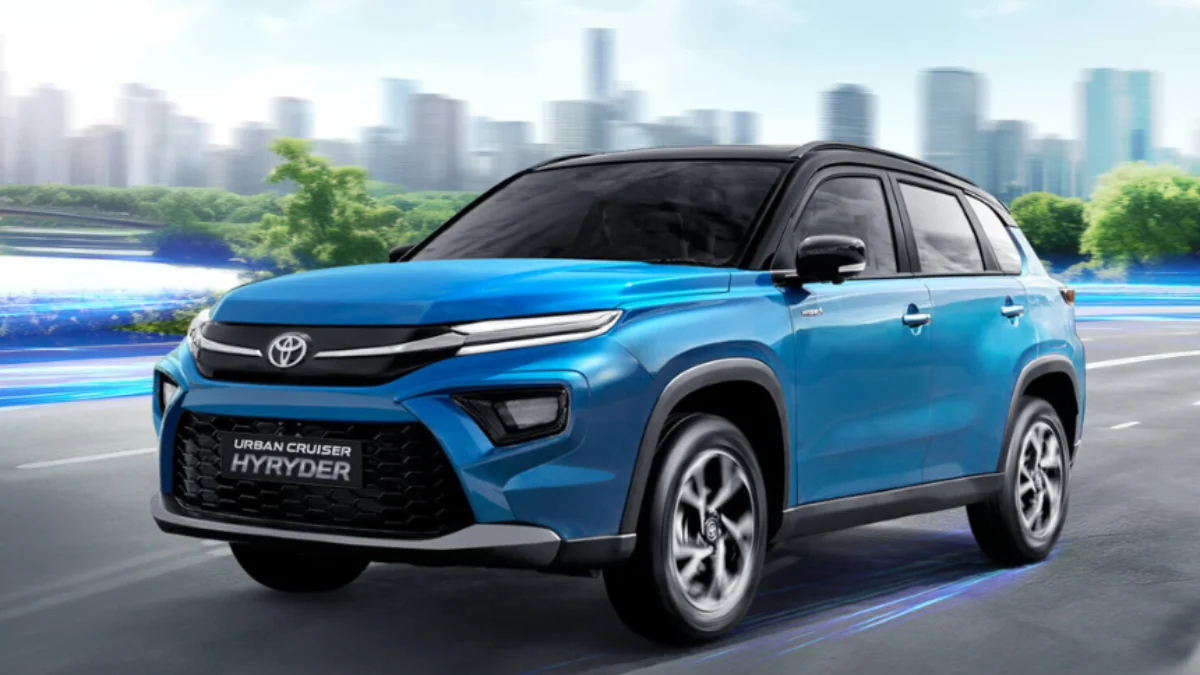
Toyota Hyryder Gets Expensive By Rs 1.51 Lakh – Check New Prices
Toyota Urban Cruiser Hyryder prices now start at Rs 12.82 lakh. The entry-level E variant discontinued. Check the latest price list.
Chhavi
Read More
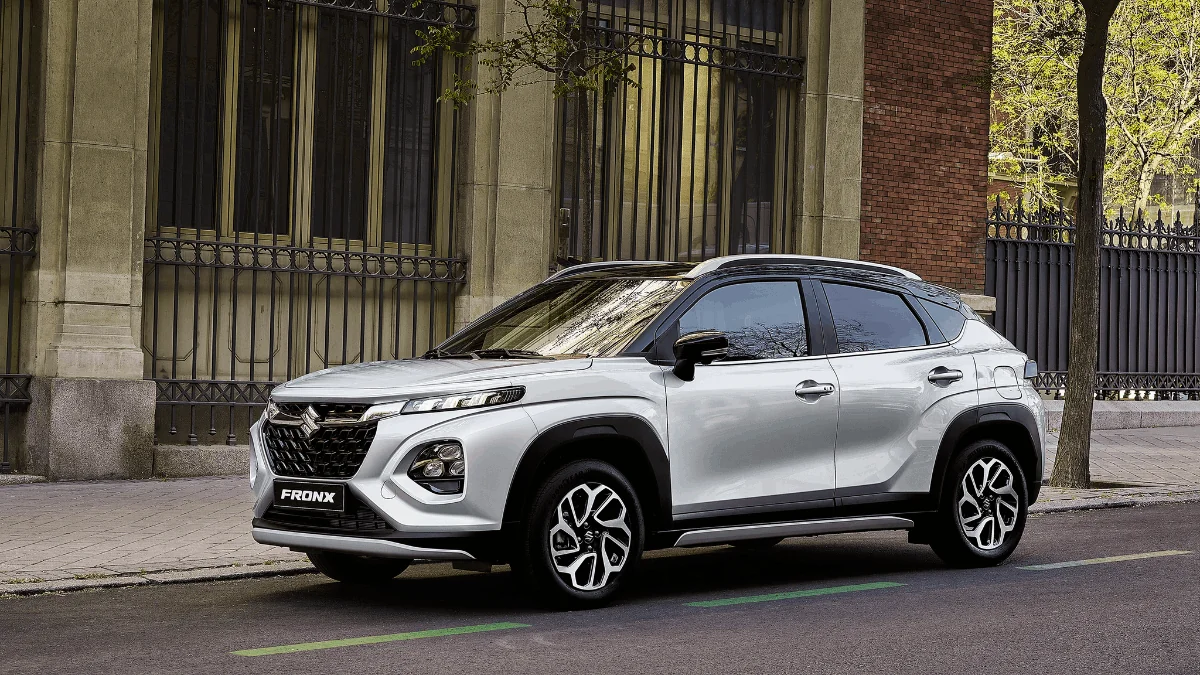
New 2027 Maruti Fronx Facelift – 3 Big Changes Expected
The 2027 Maruti Fronx facelift could get ADAS, rear disc brakes, a new strong hybrid powertrain, new features and revised design.
Chhavi
Read More
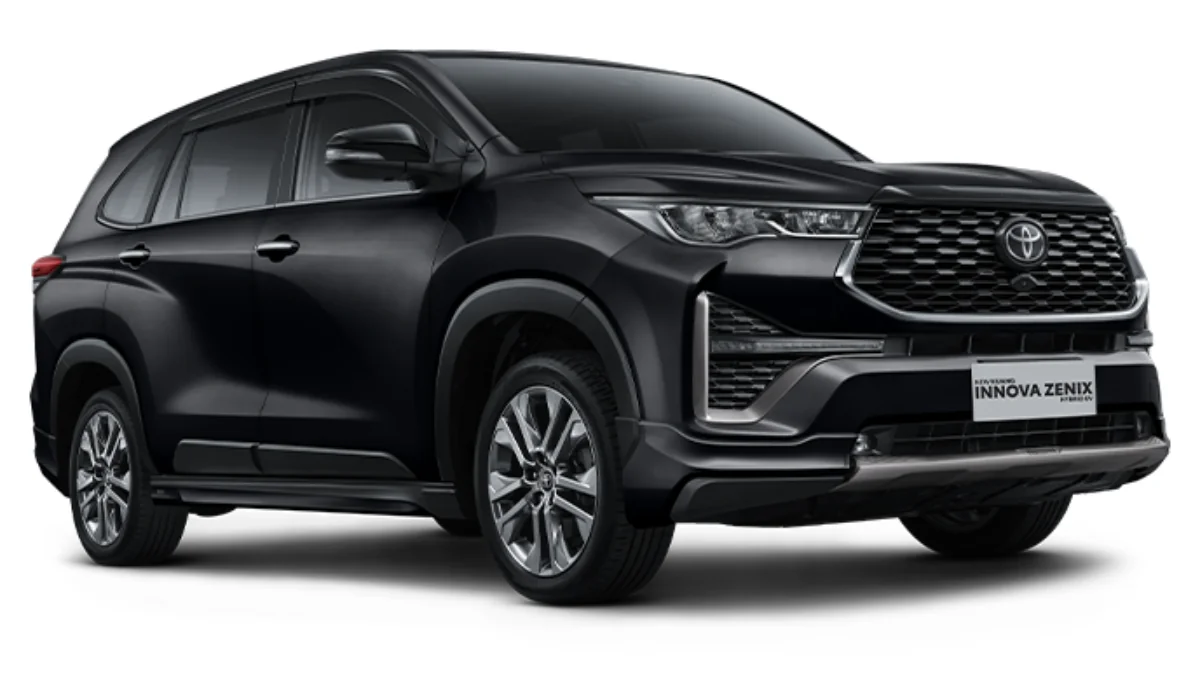
New Toyota Innova Hycross Facelift – Expected Price & Features
The new Toyota Innova Hycross facelift launching on November 25, 2026. The MPV will get new design, bigger screens and flex-fuel engine.
Chhavi
Read More

Latest Maruti Suzuki Car News and Updates
New 2027 Maruti Fronx Facelift – 3 Big Changes Expected
The 2027 Maruti Fronx facelift could get ADAS, rear disc brakes, a new strong hybrid powertrain, new features and revised design.
Chhavi
Read More
5 New Maruti Suzuki Cars Launching Soon: Fronx Facelift, 7-Seater SUV, Y43 SUV and More
Maruti Suzuki will launch 5 key new vehicles, starting from dedicated electric MPV to a Y43 micro SUV and a 7-seater SUV in the Indian market in 2026 and 2027
Amit Sharma
Read More
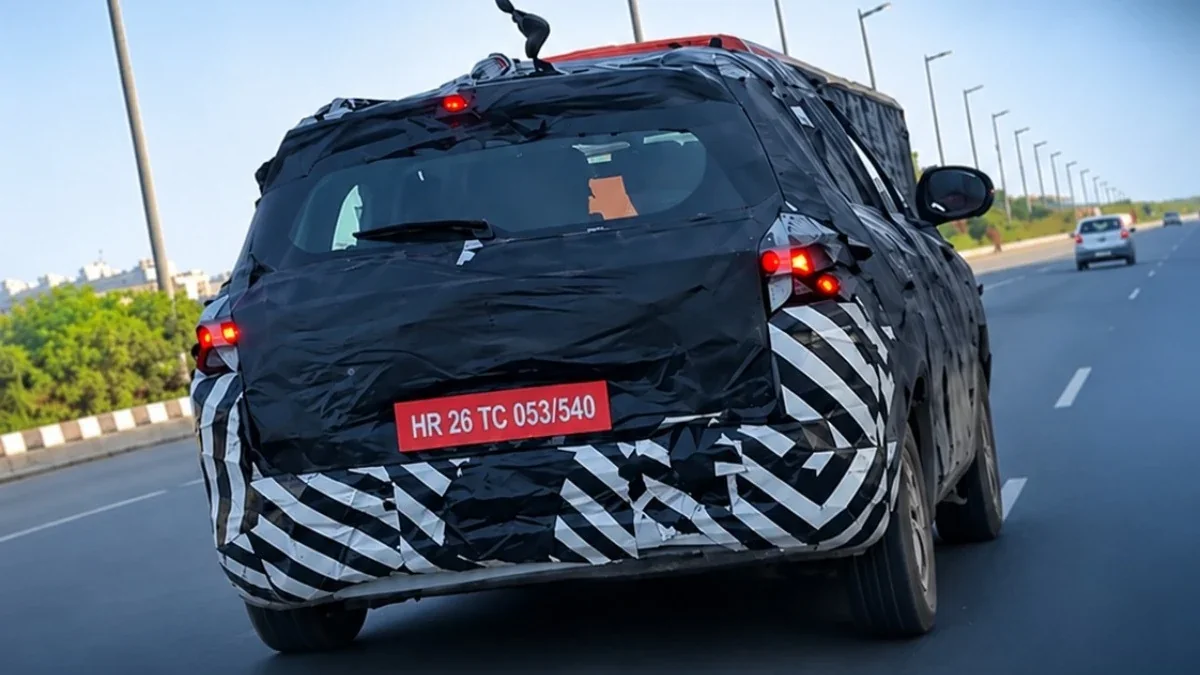
New Maruti Suzuki SUV Spotted Testing - New Tata Punch Rival?
Heavily camouflaged SUV was recently spotted testing on Indian highways, marking the first real-world sighting of the Maruti Suzuki's rival to the Tata Punch
Amit Sharma
Read More
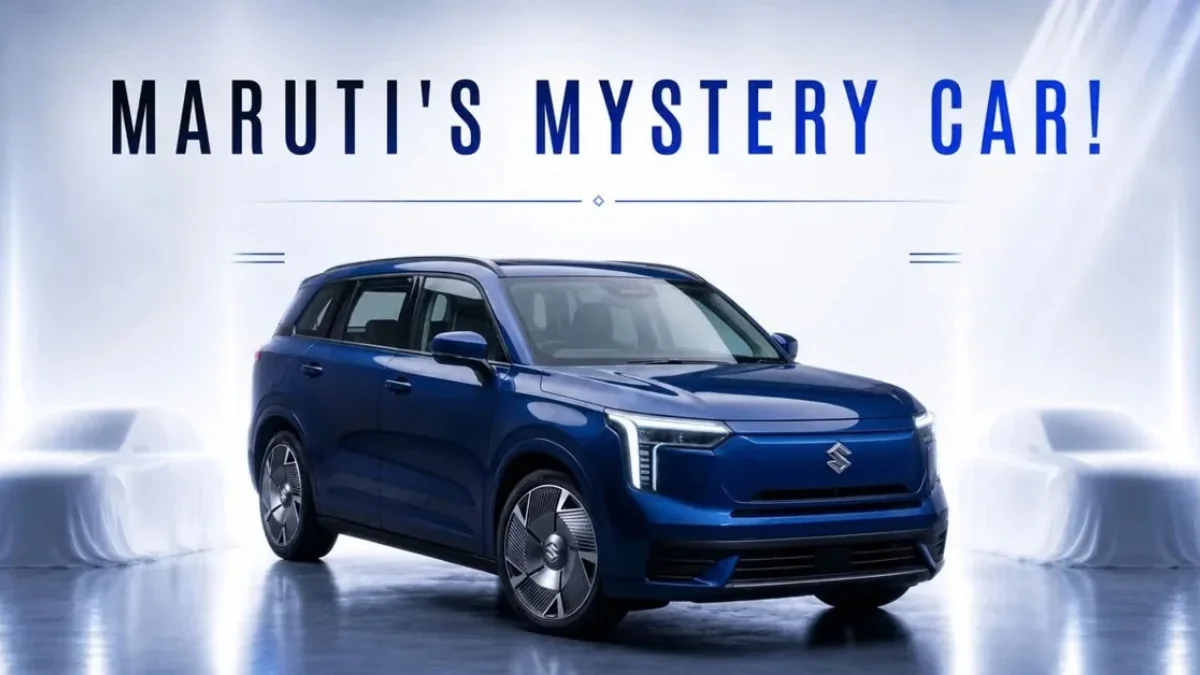
New Maruti Electric MPV and Hybrid Fronx Coming in February 2027
Maruti Suzuki to unveil two new models at the 2027 Bharat Mobility Show – the YMC electric MPV and the new Fronx facelift.
Chhavi
Read More
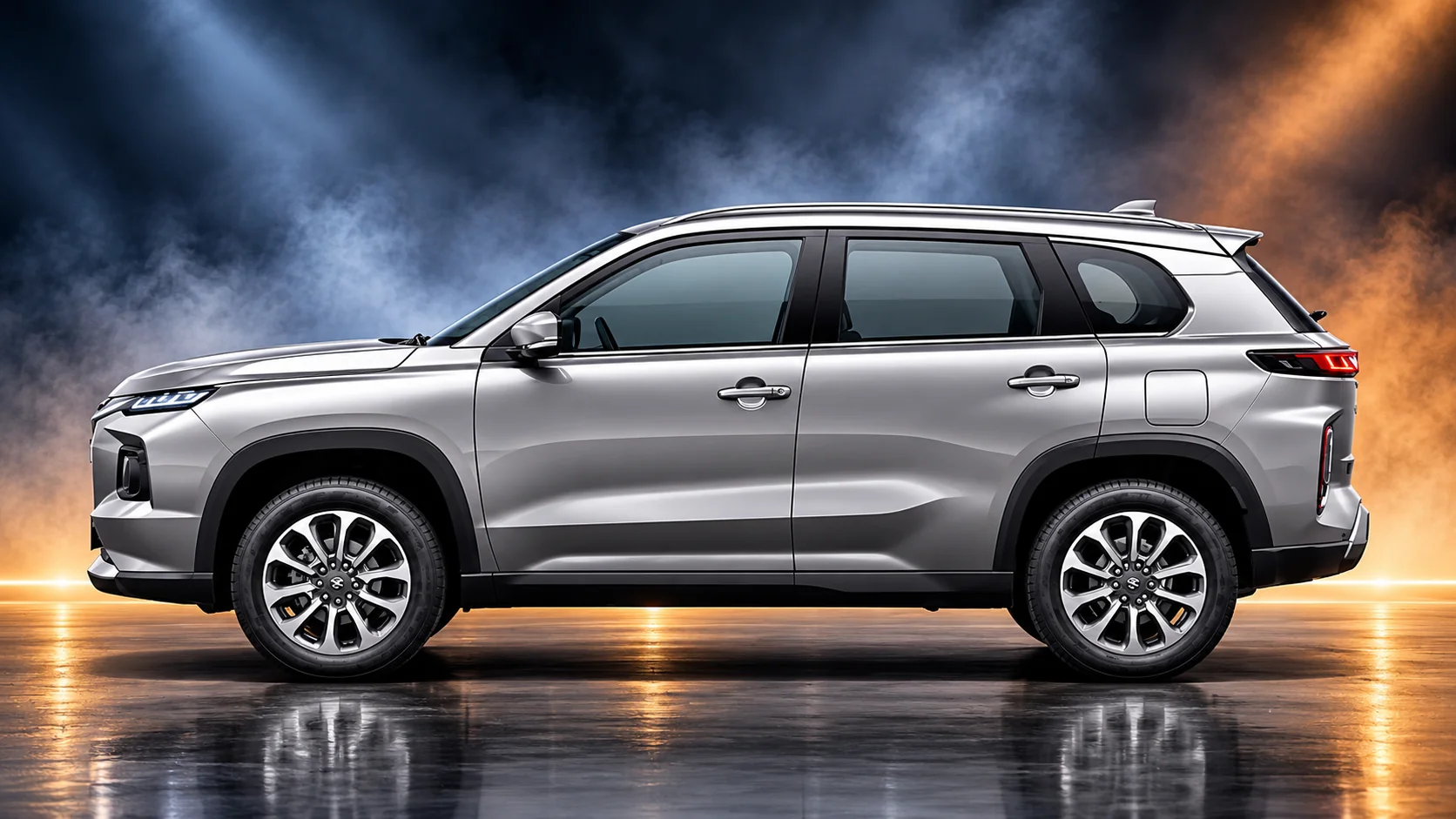
Maruti Suzuki’s Second Electric Car to Debut in 2027: Could Be a New MPV
Maruti Suzuki will showcase its second electric car in February 2027. The new model could be a three-row electric MPV codenamed YMC.
Konica Singh
Read More
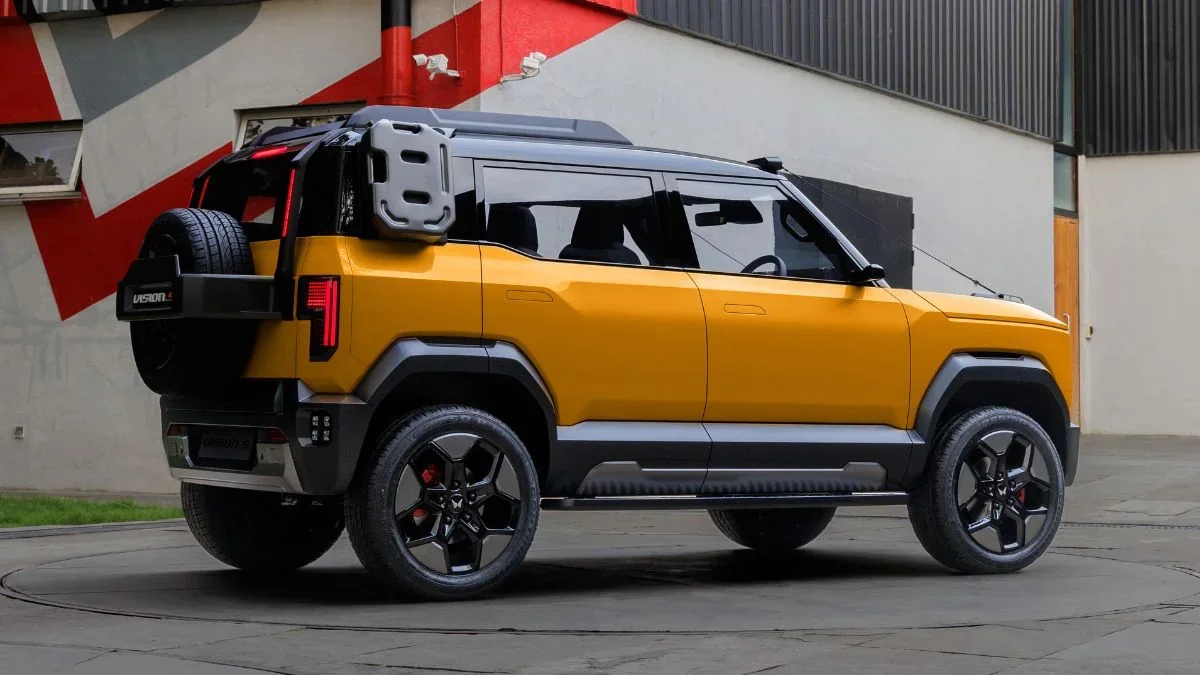
Mahindra Vision S and Maruti Fronx Facelift Launching in Next 5 Months
While Mahindra will introduce the Vision S based lifestyle compact SUV in Q1, 2027, Maruti Suzuki will introduce the Fronx facelift in the end of this year.
Chhavi
Read More
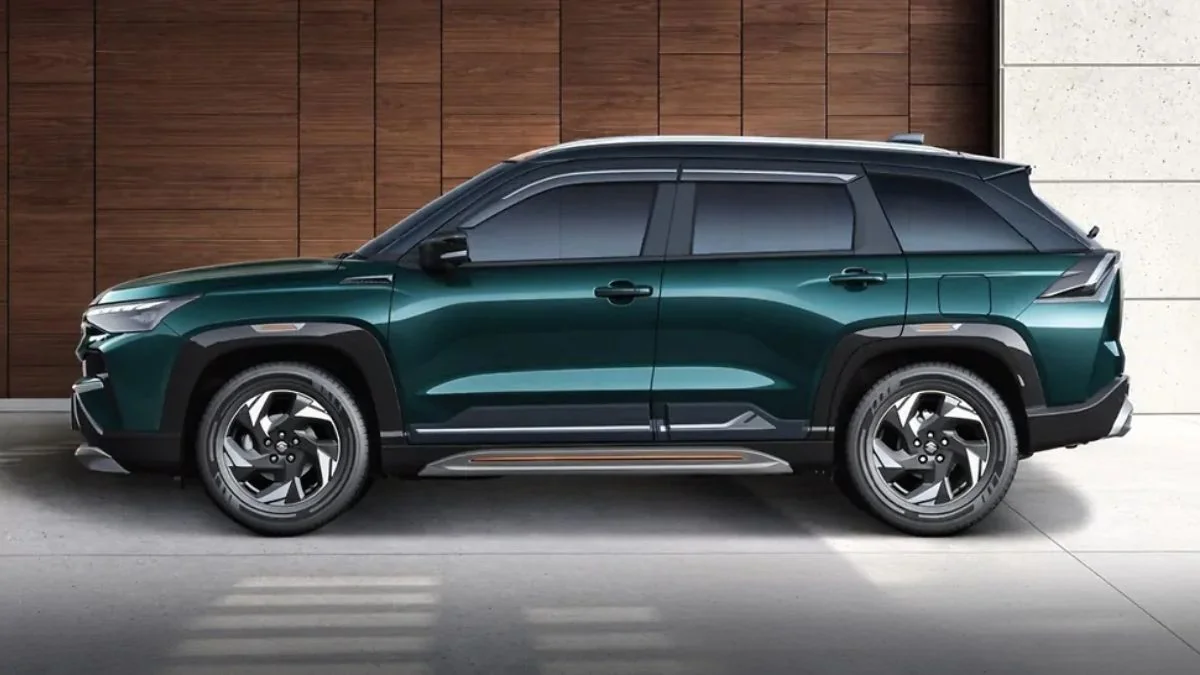
New Maruti Fronx and Grand Vitara Facelifts Coming in 2027 With These Big Changes
Maruti Fronx and Grand Vitara facelifts will arrive in 2027 with hybrid tech, Level 2 ADAS, updated styling and an underbody CNG tank.
Konica Singh
Read More
Latest Maruti Suzuki Dzire News and Updates
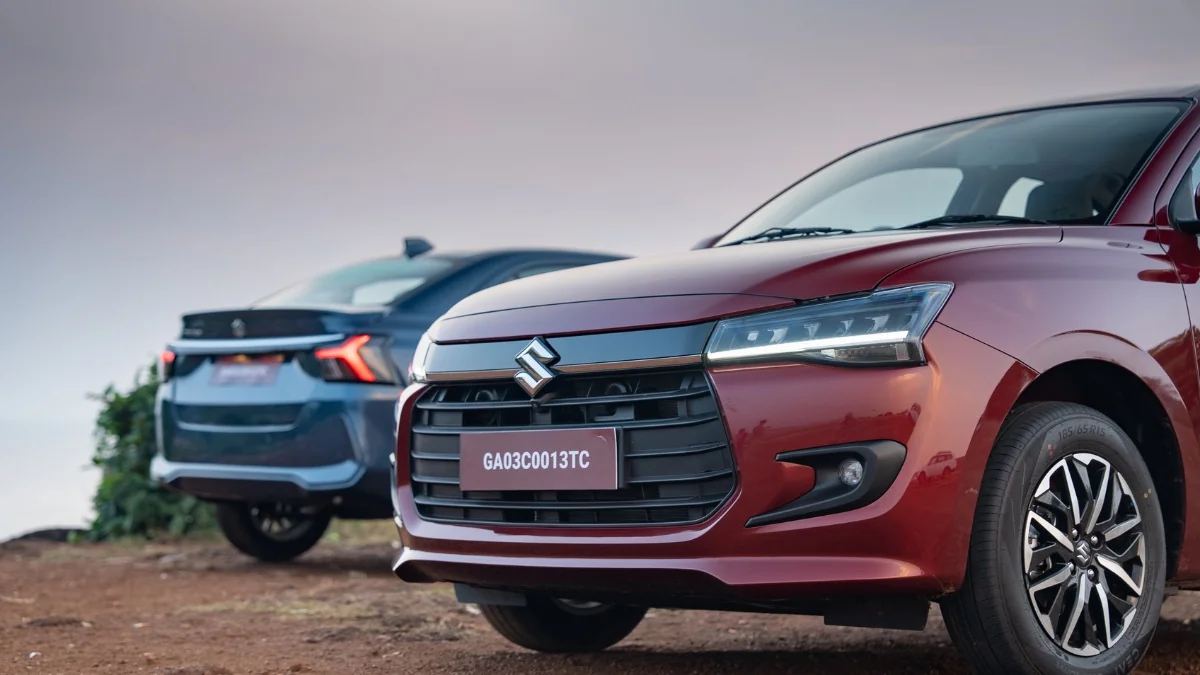
Maruti Dominance & SUV Surge: Top 10 Selling Cars in July 2026
Maruti Suzuki further improved its market position by claiming six positions in the top 10 list - led by models like the Wagon R, Dzire, Ertiga, Swift and Fronx
Amit Sharma
Read More
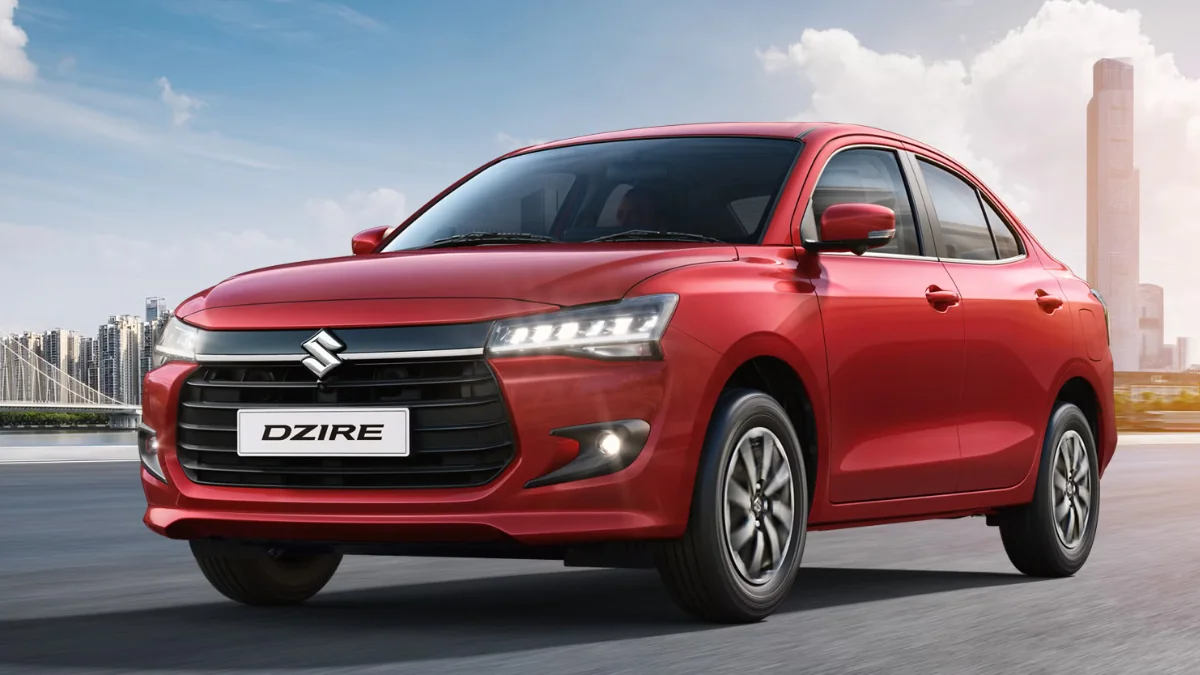
Maruti Suzuki Creates History with 23.4 Lakh Cars Produced in FY 2025-26
Dzire, Fronx, Swift, Ertiga and Baleno were the most produced models from Maruti Suzuki during financial year 2025-26, with each crossing the 2 lakh unit mark.
Amit Sharma
Read More
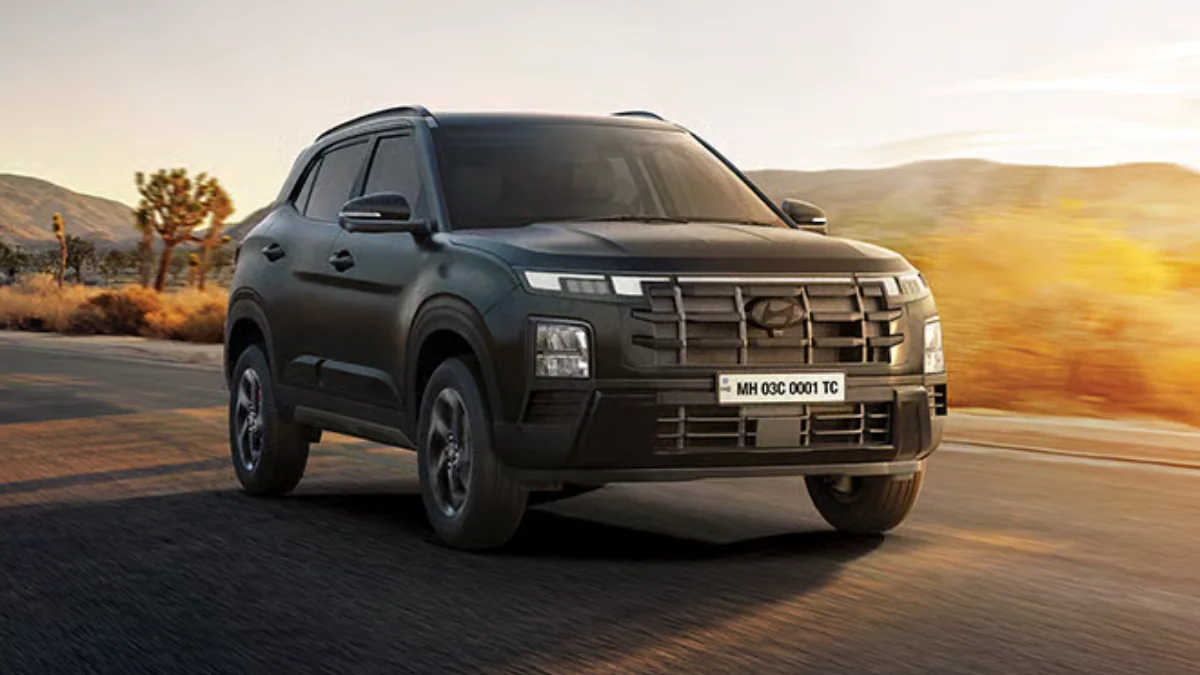
Top 10 Best-Selling Cars March 2026 - Dzire Beats SUVs, Punch Shines
Maruti Suzuki continued to lead the market, followed by Tata Motors, Mahindra & Mahindra, Hyundai Motor India and Toyota Kirloskar Motor.
Chhavi
Read More
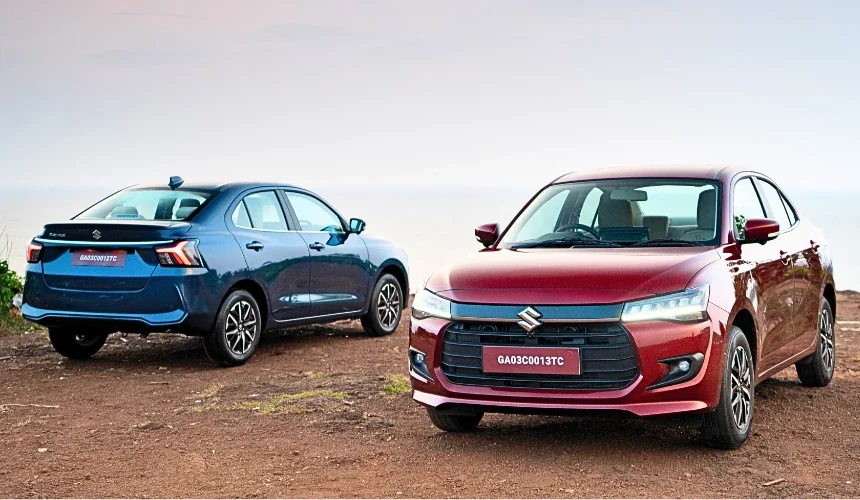
India’s Best-Selling Cars in July 2025 – Full Sales Breakdown
Maruti Dzire tops India’s July 2025 car sales. Full list of top 10 best-selling cars including Creta, Ertiga, Wagon R, Swift, Brezza, Fronx & more.
Konica Singh
Read More

From Maruti to Honda - Carmakers to Increase Car, SUV prices From April
Maruti Suzuki, Mahindra, Tata Motors, Honda, Kia, Hyundai and Renault cars and SUVs are set to get expensive from April 2025
Amit Sharma
Read More
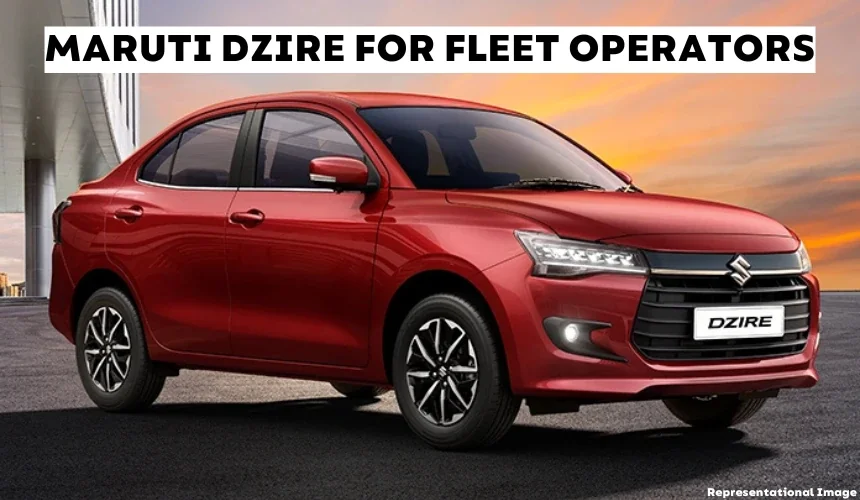
Maruti Dzire for Fleet Operators Launched at Rs 6.79 Lakh
The fleet-ready Maruti Dzire Tour S offers two engine options, a 5-speed manual transmission, and main safety features starting at Rs 6.79 lakh.
Kritika Dadhich
Read More
Maruti Suzuki Dzire Price in India
Trending Cars in India
Explore Similar Cars
Maruti Suzuki Dzire Price in India

Trusted Dealer
All Over India

Irresistible Offers
Stay Updated, Pay Less

Compare Cars
Choose the Right Car

Easy Finance
Multiple Finance Options


Monday - Saturday

10:00am - 6:30pm

contact@carlelo.com