




By proceeding, I acknowledge that I have read and agreed to the Privacy Policy, Terms & Conditions, consent declaration, and the sharing of my information with lending partners, dealers, OEMs, and for marketing communication via Phone Calls, SMS & WhatsApp.


ADVERTISEMENT

ADVERTISEMENT







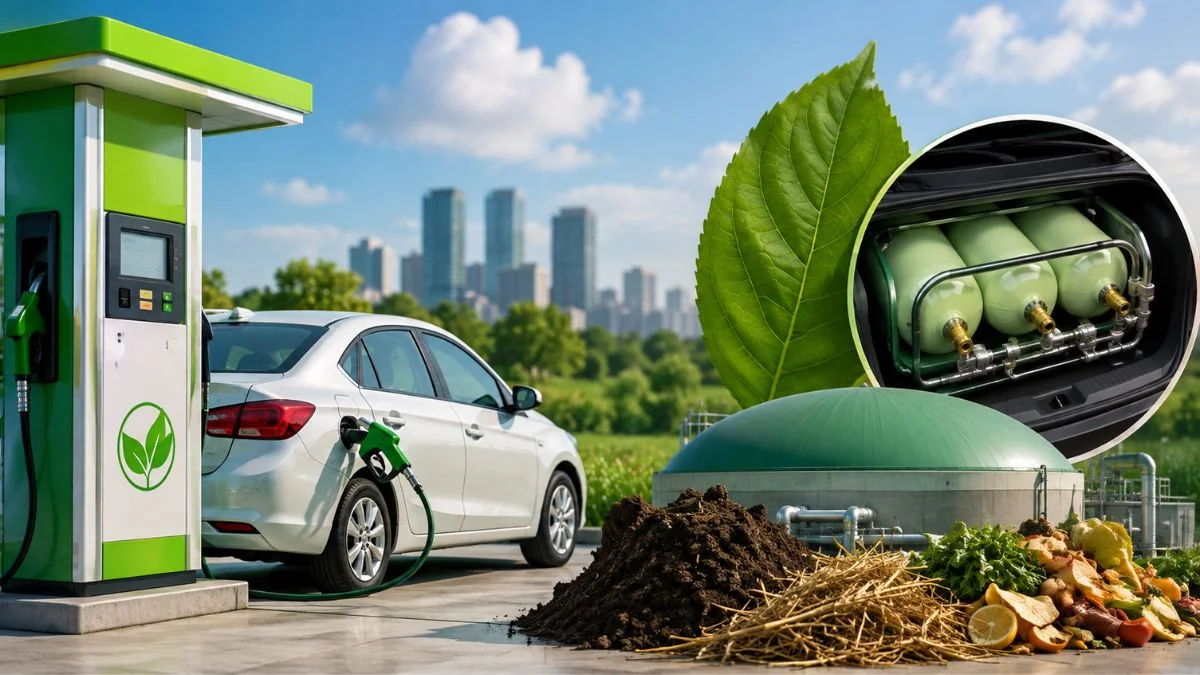
India will target 5% Bio-CNG blending from FY2028-29. The government has approved a Rs 23,731 crore national scheme. Existing CNG cars can use blended fuel without major changes.
India is planning a major change to its CNG fuel mix over the next few years. After pushing ethanol blending in petrol, the government is now focusing on increasing the use of Compressed Biogas (CBG), also known as Bio-CNG, in the country's natural gas supply.
The Union Cabinet has approved the GOBARdhan National Circular Bioenergy Scheme with a total outlay of Rs 23,731 crore. Under the plan, Bio-CNG blending in the country's gas supply will gradually increase before reaching 5% from FY2028-29.
Bio-CNG Blending to Increase Gradually
The government has set a phased target for Bio-CNG blending. The blending level will start at 3% in FY2026-27, increase to 4% in FY2027-28 and reach 5% from FY2028-29 onwards.
The plan is aimed at creating steady demand for domestically produced Bio-CNG and encouraging companies to invest in new production plants. The GOBARdhan scheme will run from FY2026-27 to FY2035-36.
Also Read: Mercedes-AMG GT 53 4-Door Coupe Revealed With 793 km Range
What Is Bio-CNG?
Bio-CNG is produced by processing organic waste such as cattle dung, crop residue, food waste, municipal waste and sugar mill waste. After purification, the resulting gas has properties similar to natural gas. This makes it possible to supply Bio-CNG through existing gas distribution networks. For CNG vehicle owners, this is particularly important because vehicles can use the blended gas without major changes to their existing fuel systems.
What Will Change for CNG Cars?
For people who already own a CNG car, the move is not expected to require any hardware changes. As Bio-CNG is similar to conventional natural gas, existing CNG vehicles can run on the blended fuel. CNG stations can also gradually increase the amount of Bio-CNG in their fuel supply as the blending targets rise.
This could make the CNG fuel used by cars and commercial vehicles progressively cleaner. The impact will also be relevant for carmakers as CNG continues to grow in popularity in India. Manufacturers including Maruti Suzuki, Tata Motors, Hyundai and Toyota already offer several factory-fitted CNG models.
Government Offers Support to Bio-CNG Producers
One of the main challenges for India's Bio-CNG industry has been the financial viability of new projects. The new scheme attempts to address this by providing financial and infrastructure support.
Eligible greenfield CBG projects can receive capital assistance of up to Rs 2 crore per tonne per day (TPD) of installed production capacity. Brownfield expansion projects will also qualify for support. The government has also introduced an administered CBG price of Rs 2,110 per MMBTU, giving producers better visibility over future revenue.
Assured Demand for Bio-CNG
The government will also create an assured offtake mechanism for Bio-CNG. City Gas Distribution companies will procure CBG to meet the notified blending targets. This should give producers a more reliable market for their fuel.
The scheme also includes support for pipeline connectivity, credit guarantees for MSMEs and a challenge fund for better feedstock collection and technology adoption. These measures are expected to encourage more companies to set up Bio-CNG plants across the country.
Could Reduce Gas Imports
The increased use of domestic Bio-CNG could also help reduce India's dependence on imported natural gas. At the same time, the scheme gives agricultural and municipal waste a useful purpose. Crop residue, cattle dung and other organic waste can be converted into fuel instead of being discarded or burned. This could create benefits for both the energy and agriculture sectors while supporting India's clean mobility goals.
Execution Will Be Key
India has already commissioned more than 200 CBG plants through earlier initiatives such as SATAT and the National Bioenergy Programme. However, the sector has faced challenges related to financing, feedstock collection, transportation and pipeline connectivity. The new GOBARdhan scheme brings several of these areas together under one framework.
If implementation stays on track, 5% Bio-CNG blending from FY2028-29 could mark an important step for India's CNG market. For CNG car owners, the biggest advantage is that the shift can happen without requiring a change to their existing vehicles.
Also Read: Maruti Baleno Facelift to YMC Electric MPV - 4 New Cars Coming Soon
About Author

Konica Singh
Sub-Editor

Konica Singh is a passionate Automotive Journalist who brings the world of cars to life, from EV trends to exciting new car launches. Backed by 7 years in content creation, she is skilled in writing, editing, and SEO strategy that drives engagement.
Education: MA English (Delhi University)
Social Media: LinkedIn | Instagram | Twitter | Facebook
Email: konica.carlelo@gmail.com
Location: New Delhi
ADVERTISEMENT



Explore Similar Cars




































Top Car Brands in India
Trending Car News in India

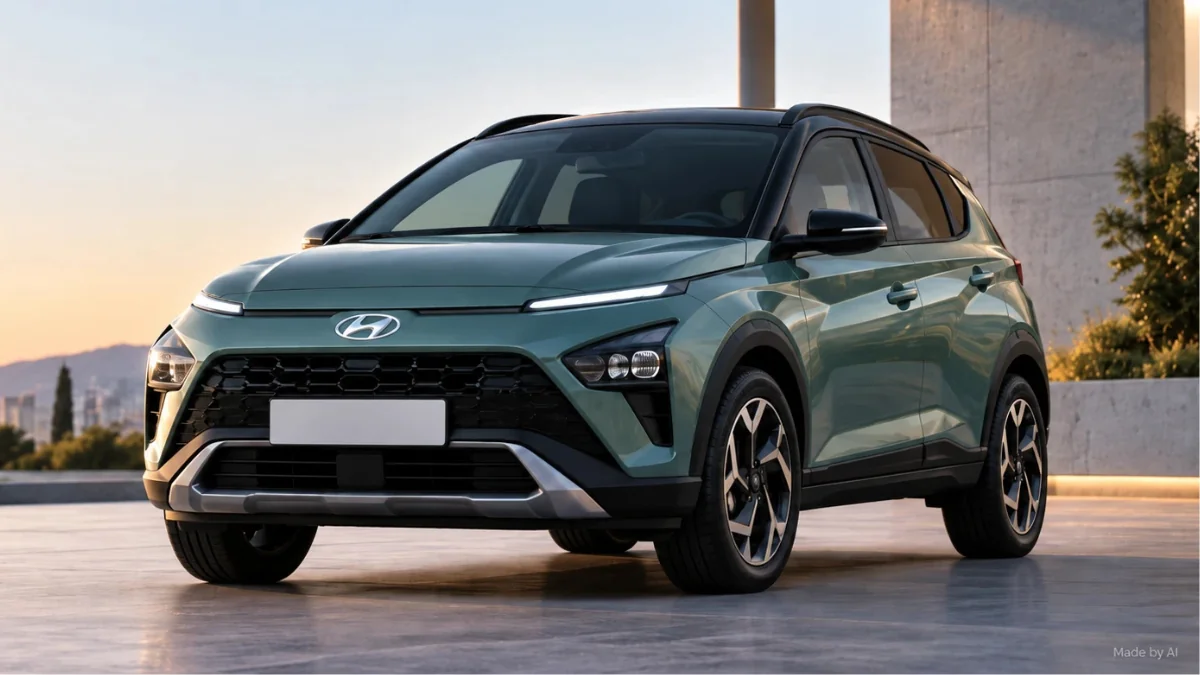
7 New Cars Coming to India Soon - SUVs, EVs, CNG MPVs and More
Seven new cars are coming to India soon, including SUVs, EVs, CNG MPVs and facelifted models from Hyundai, Tata, Mahindra, Honda and more.
Konica Singh
Read More
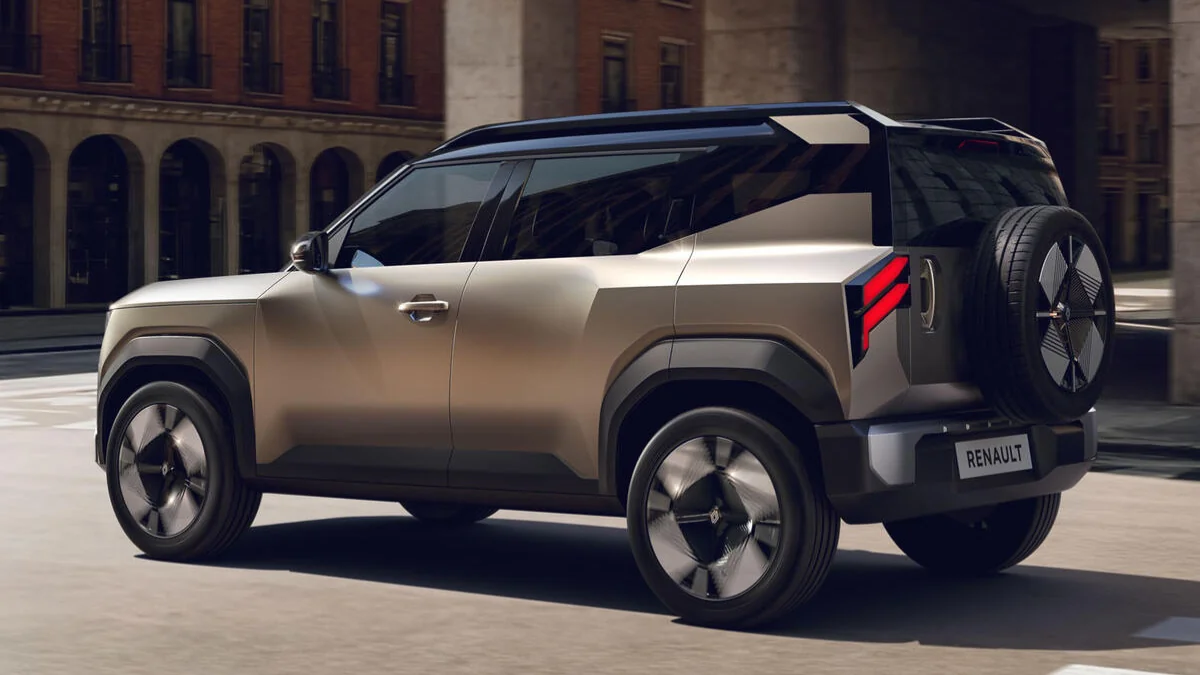
Next Big Launch From Honda and Renault
While Honda will introduce the production 0 Alpha electric SUV in India, Renault will introduce an all-new lifestyle SUV, called the Renault Bridger in 2027.
Amit Sharma
Read More

Ferrari Universo Ferrari Exhibition Coming to India for the First Time
Ferrari will bring its Universo Ferrari exhibition to New Delhi from October 17 to November 1, featuring iconic cars, F80, Luce EV and Hypersail.
Konica Singh
Read More

5 New Affordable EVs Coming to India Soon
Five new affordable EVs from Hyundai, Tata, Renault, VinFast and Maruti Suzuki are coming to India, with launches expected between 2026 and 2028.
Konica Singh
Read More
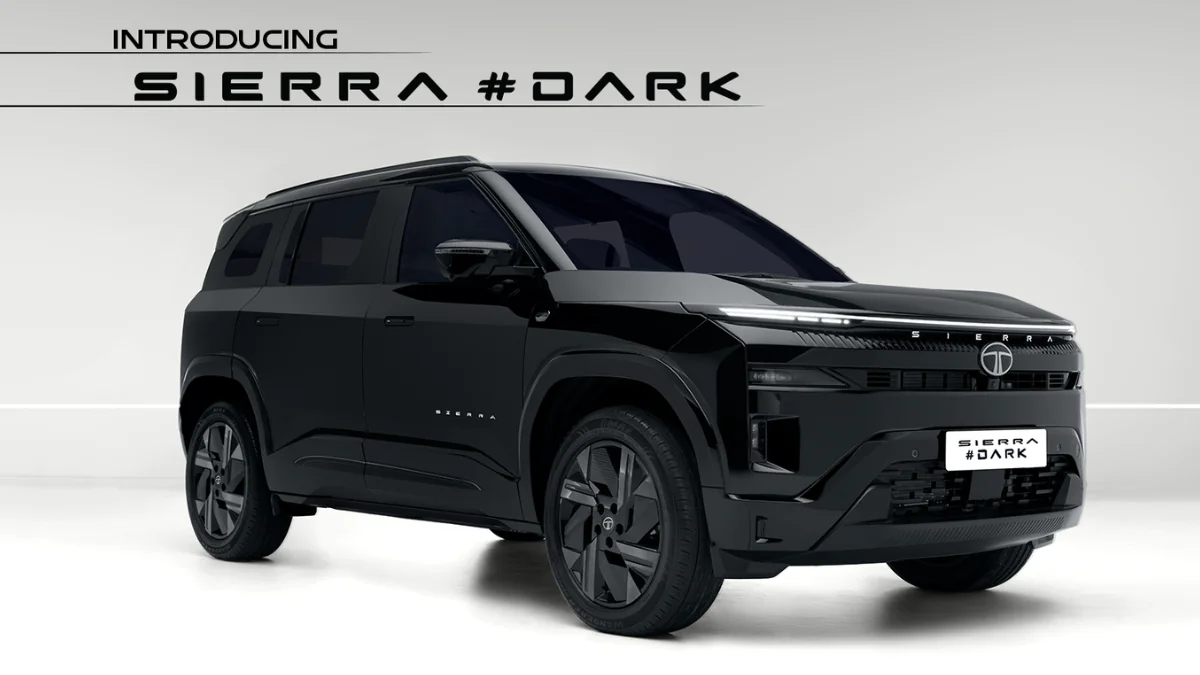
Tata Sierra Dark Edition Full Price List, Exterior and Interior Changes
The Tata Sierra Dark Edition is available at a starting price of Rs 13.99 lakh and extends up to Rs 21.59 lakh for the top-spec Accomplished plus trim.
Amit Sharma
Read More
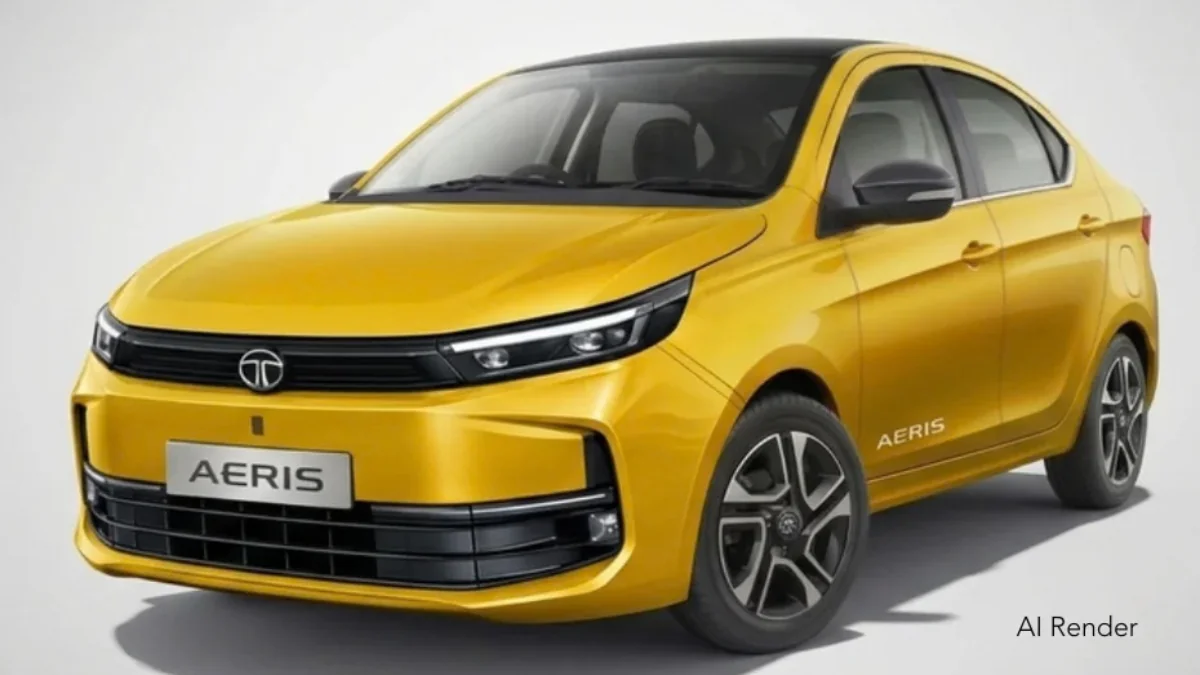
Tata Aeris – New Details Revealed
New Tata Aeris is coming on September 25 as the Tigor facelift with a new design, updated cabin and petrol, CNG and electric versions.
Konica Singh
Read More

Mahindra Thar Facelift and 2 New SUVs Coming by 2027
Mahindra will launch the Thar facelift and two new SUVs, Vision.S and BE 07, by early 2027, including a new electric SUV with 650km range.
Konica Singh
Read More


Latest Maruti Suzuki Car News and Updates
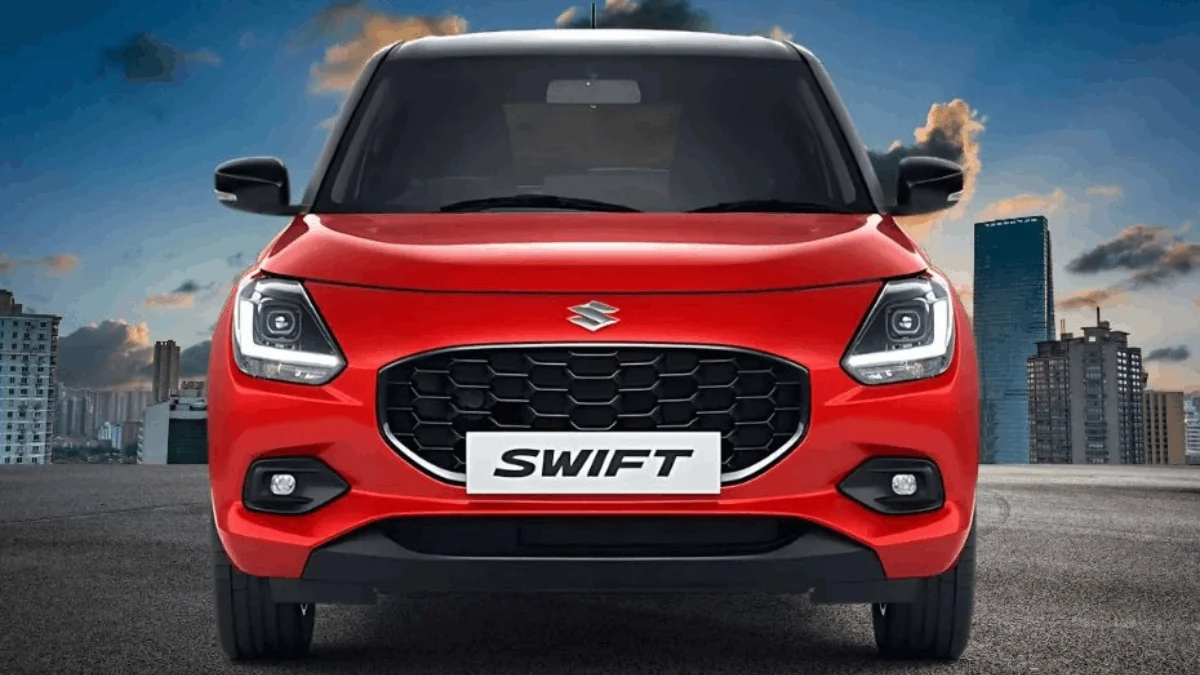
Maruti Dzire CNG AMT and Swift CNG AMT Launched; Check Price and Mileage
The Swift CNG AMT is available at a price tag of Rs 7.92 lakh, while the Dzire CNG AMT is priced at Rs 8.53 lakh, ex-showroom, India.
Chhavi
Read More
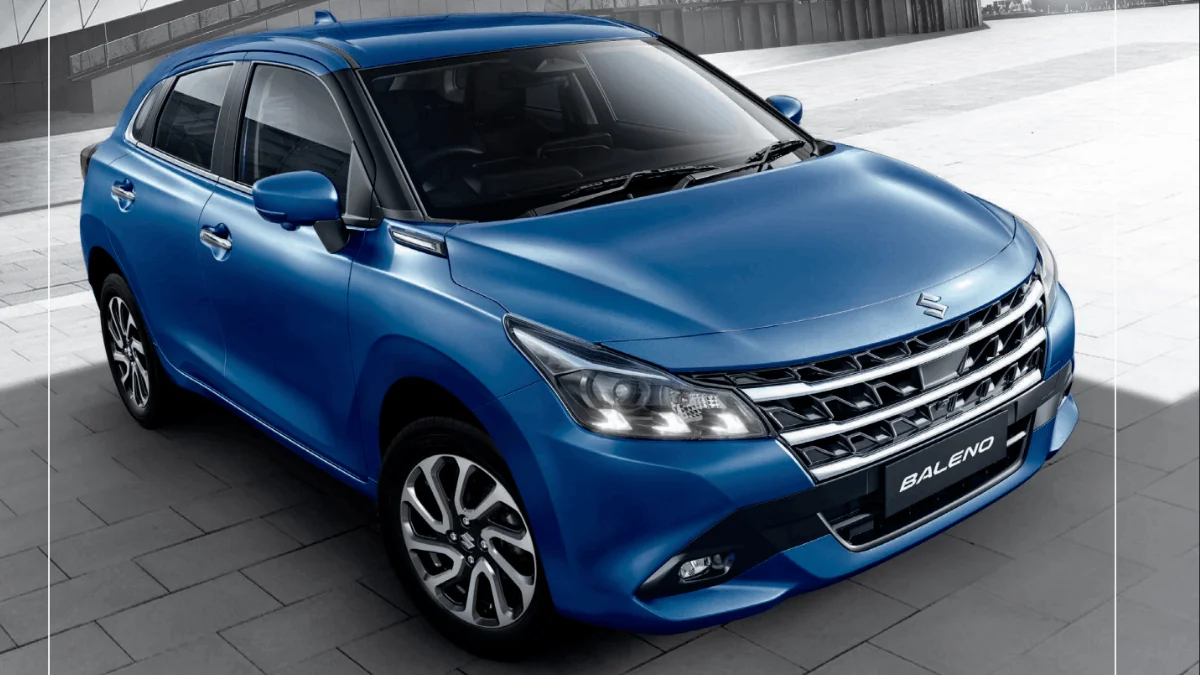
Maruti Baleno CNG AMT Price Rs 8.32 Lakh, Mileage 34.47km/kg
The Maruti Baleno CNG AMT version is claimed to deliver a fuel efficiency of 34.47 km per kg, that’s 0.86 km per kg higher than the CNG MT variant.
Chhavi
Read More
Maruti Suzuki Working on 2 New SUVs
Maruti Suzuki is working on two new SUVs, including the Y43 compact SUV and Fronx facelift, with new engine, hybrid and ADAS technology expected.
Konica Singh
Read More
Next Big Launch From Maruti Suzuki and Hyundai
Maruti Suzuki and Hyundai will launch the Wagon R facelift and the Bayon midsize SUV by October-November 2026, before Diwali.
Amit Sharma
Read More
Upcoming Maruti Cars in India - 7-Seater SUV, YMC EV, Fronx Facelift
From the highly-anticipated 7-seater Grand Vitara to a born-electric MPV and mass-market updates, here is a detailed breakdown of Maruti's upcoming lineup.
Amit Sharma
Read More
Maruti Wagon R Facelift to Get 1.2L 3-cylinder Engine, Underbody CNG
The upcoming Maruti Wagon R facelift is likely to be powered by an 81bhp, 1.2L, 3-cylinder, naturally-aspirated petrol engine paired either with a 5MT or an AMT
Chhavi
Read More
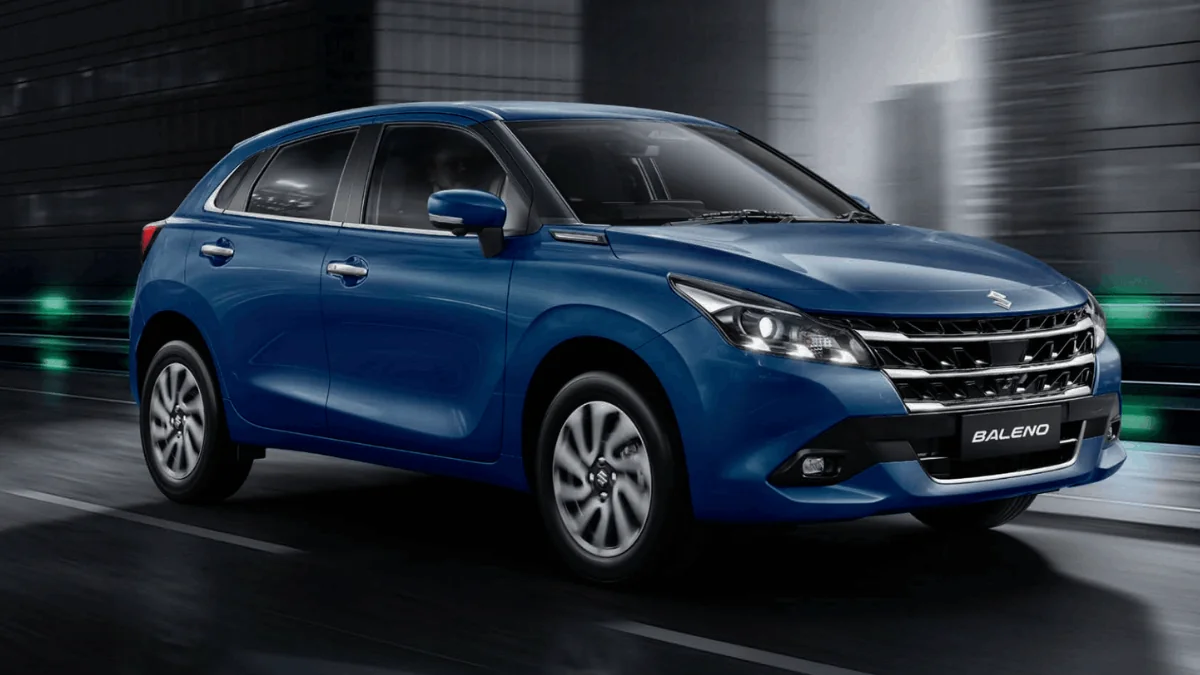
Maruti Baleno Facelift Full Price List and Top Upgrades
The Maruti Baleno facelift is available in 5 trim levels - Sigma, Delta, Zeta, Alpha and Alpha (O) - priced between Rs 5.99 lakh and Rs 9.99 lakh, ex-showroom.
Amit Sharma
Read More
Latest Maruti Suzuki Swift News and Updates
Maruti Dzire CNG AMT and Swift CNG AMT Launched; Check Price and Mileage
The Swift CNG AMT is available at a price tag of Rs 7.92 lakh, while the Dzire CNG AMT is priced at Rs 8.53 lakh, ex-showroom, India.
Chhavi
Read More
How Budget-Conscious Buyers Can Maximise Value Without Compromising Reliability
Buying a car on a tight budget doesn't mean settling for something unreliable. Smart buyers prove this every month across India.
Team CarLelo
Read More
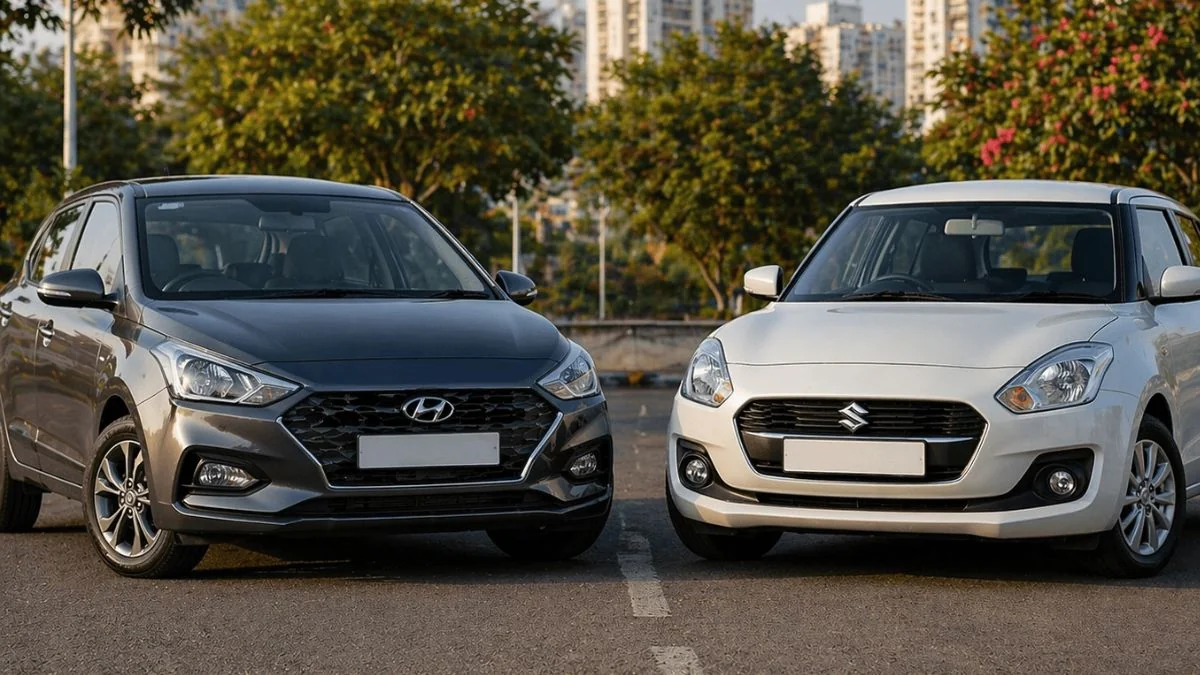
Hyundai i20 Second Hand vs Used Swift: Which Premium Hatchback Gives You More for Your Money?
A used Suzuki Swift gives you better driving dynamics, stronger resale and the confidence of Maruti's unmatched service network.
Team CarLelo
Read More
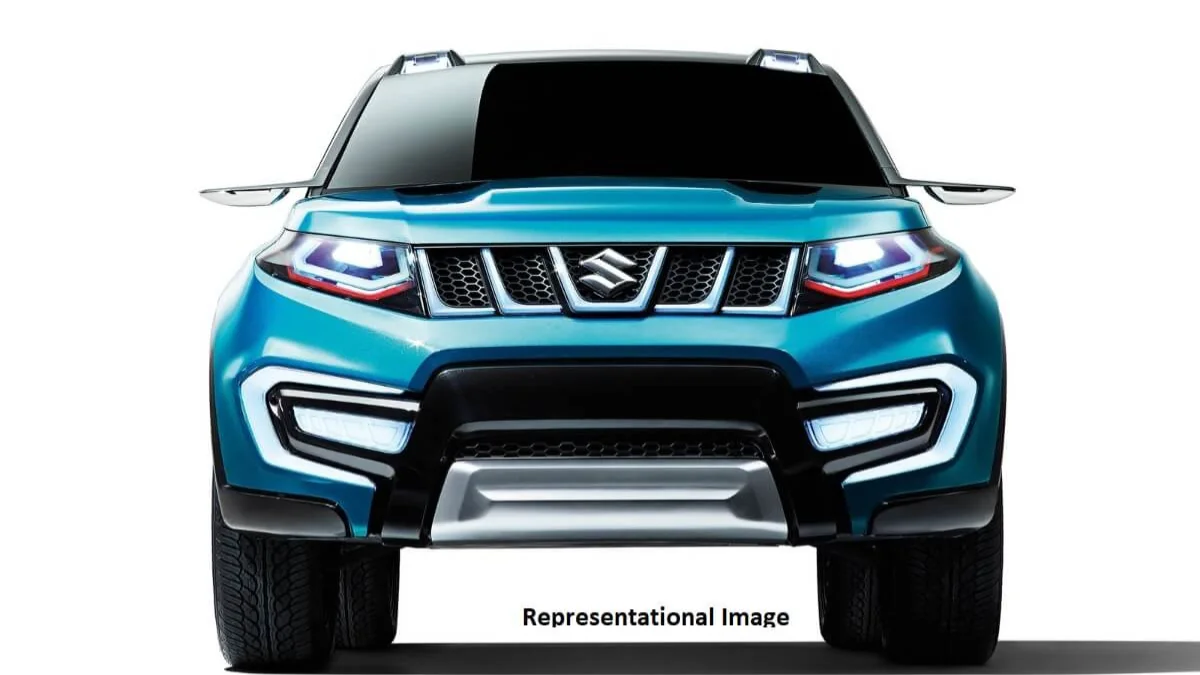
Maruti Suzuki Starts Building Its New Micro SUV; to Rival Tata Punch
Maruti Suzuki has finally started working on its new micro SUV, codenamed Y43, which will directly rival the Tata Punch and the Hyundai Exter.
Amit Sharma
Read More
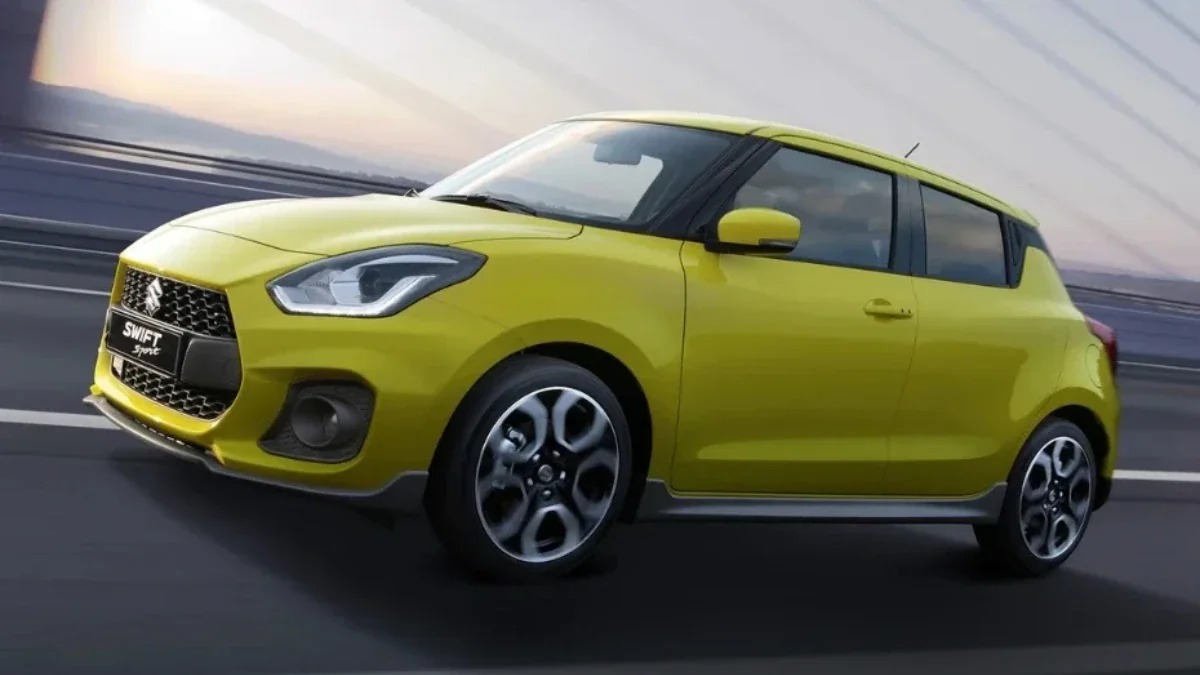
Next-Gen Suzuki Swift Sport Set to Return With Turbo Mild-Hybrid
Suzuki Swift Sport returns in 2026 with a 1.4L turbo mild-hybrid engine, AWD option, sporty design, and sharper performance for a fun driving experience.
Konica Singh
Read More

Top 10 Best-Selling Hatchbacks in India - September 2025
Maruti Swift leads India’s hatchback sales in Sept 2025, followed by WagonR and Baleno. Tata Tiago and Altroz show strong growth this month.
Konica Singh
Read More
Maruti Suzuki Swift Price in India
ADVERTISEMENT
ADVERTISEMENT
ADVERTISEMENT
Trending Cars in India
Explore Similar Cars
Maruti Suzuki Swift Price in India

Trusted Dealer
All Over India

Irresistible Offers
Stay Updated, Pay Less

Compare Cars
Choose the Right Car

Easy Finance
Multiple Finance Options


Monday - Saturday

10:00am - 6:30pm

contact@carlelo.com