




By proceeding, I acknowledge that I have read and agreed to the Privacy Policy, Terms & Conditions, consent declaration, and the sharing of my information with lending partners, dealers, OEMs, and for marketing communication via Phone Calls, SMS & WhatsApp.


ADVERTISEMENT

ADVERTISEMENT

Does Zero Depreciation Cover Every Replacement Part after an Accident?







Tyres, batteries and consumable items need closer attention because zero depeciation does not automatically treat such items in the same way.
Accident repairs often involve replacing several parts, and depreciation can leave the car owner paying part of the bill. Zero depreciation cover is designed to reduce that gap, but it does not automatically make every replacement item payable after an accident.
Its role is more specific: it removes depreciation deductions on eligible parts when an own-damage claim is otherwise admissible. Understanding where that benefit applies, and where separate cover may be needed, makes claim expectations far more realistic for owners.
What Does Zero Depreciation Cover in Car Insurance?
Zero depreciation is an optional add-on that changes how depreciation is treated during an admissible own-damage claim. Instead of reducing the payable amount because an eligible replaced part has aged, the insurer can waive that depreciation deduction according to the policy wording.
Car owners who buy car insurance online can include zero depreciation with eligible own-damage coverage where the option is available. The add-on applies to depreciation on eligible replacement parts and does not independently extend the circumstances covered under the main policy.
Which Replacement Parts Are Covered?
Coverage usually centres on parts that need replacement because of accidental damage and are accepted under the underlying policy. With comprehensive insurance, zero depreciation can reduce the amount a policyholder would otherwise bear because of depreciation on eligible components. The exact list can vary between products, so policy wording remains important.
● Accident-damaged body components
● Eligible plastic or fibre parts
● Certain rubber or nylon parts
● Other admissible replaced components
Coverage remains subject to the policy’s terms, conditions and deductibles where applicable.
Are Plastic, Fibre and Rubber Parts Covered?
Plastic, fibre and rubber components are often where zero depreciation can make a difference because standard own-damage claims may apply depreciation to these materials. When such a component is damaged in a covered accident and replacement is approved, the add-on may remove the applicable depreciation deduction.
● Plastic bumpers and trim may qualify
● Fibre components may qualify
● Rubber or nylon parts may qualify
● Approval depends on the exact policy wording
The damage itself must still be admissible under the base cover.
Are Tyres, Batteries and Consumables Covered?
Tyres, batteries and consumable items need closer attention because zero depreciation does not automatically treat such items in the same way. Tyres are commonly handled separately, while battery treatment can depend on the policy wording. Consumables generally require their own cover when eligible expenses arise during accident repairs.
● Check tyre-related conditions separately
● Read the wording for battery treatment
● Review whether consumables need another add-on
● Confirm which repair items are considered payable
This avoids assuming bumper-to-bumper means every expense is included.
Does Zero Depreciation Cover Engine and Mechanical Parts?
Zero depreciation should not be confused with engine or mechanical protection. It mainly changes the depreciation applied to eligible replaced parts in an admissible claim. It does not, by itself, turn mechanical failure, wear and tear or an otherwise uncovered engine problem into a payable loss.
● Accident-related damage must first qualify
● Depreciation relief applies only where stated
● Mechanical failure may fall outside own-damage cover
● Separate engine protection may address risks
Always read both the base policy and add-on wording together.
What Happens if a Part Is Not Covered?
When a damaged part falls outside zero depreciation cover, the insurer may settle the admissible portion of the claim according to the base policy. At the same time, the policyholder bears the non-payable amount. That does not necessarily affect the rest of an approved repair.
● Depreciation may apply where the add-on is unavailable
● Excluded items may remain payable by the owner
● Deductibles can still apply
● Another add-on may help with certain expenses
The final treatment depends on the policy wording and claim assessment.
How Does the Insurer Calculate the Claim Amount?
The insurer does not simply total every replacement invoice and pay it in full. Claim assessment usually starts by confirming that the accident and damage are covered. The repair estimate and parts are then reviewed for admissibility. Zero depreciation changes only the depreciation element for eligible replacement parts.
● Covered repair expenses are assessed
● Eligible depreciation deductions are removed
● Deductibles remain
● Non-payable items are separated
● Other policy conditions are applied
The resulting amount reflects the accepted claim, not every workshop charge.
What Should You Check before Choosing Zero Depreciation Cover?
Before selecting zero depreciation cover, focus on how the wording fits your car and the way you use it. The value of the add-on depends less on its label and more on the protection described in the policy
● Vehicle-age eligibility
● Parts included or excluded
● Any limit on use during the policy period
● Applicable deductibles
● Claim and repair requirements
● Availability of related add-ons
Reading these details helps you understand what support to expect after an accident and reduces surprises during settlement.
Conclusion
Zero depreciation cover can make accident repairs easier to manage by removing depreciation deductions on eligible replacement parts. Still, it should not be read as unlimited cover for every item fitted to a car. Tyres, batteries, consumables, engine components and other specialised parts may be treated differently depending on the policy. The approach is to read the base cover and add-on wording together before purchase. That way, the protection you choose matches your car, your repair needs and your expectations.
About Author

Team CarLelo
Sub-Editor

Team CarLelo is a group of passionate car enthusiasts and auto experts who bring you the latest car news, launches, reviews, and buying tips. The team focuses on simple, clear, and useful content to make car buying easy and stress-free for readers across India.
ADVERTISEMENT



Explore Similar Cars
































Top Car Brands in India
Trending Car News in India

Why fuel efficiency has become a top priority for used car buyers
With running costs rising and daily commutes growing longer, buyers are placing fuel efficiency near the top of their list when choosing a pre-owned car.
Team CarLelo
Read More
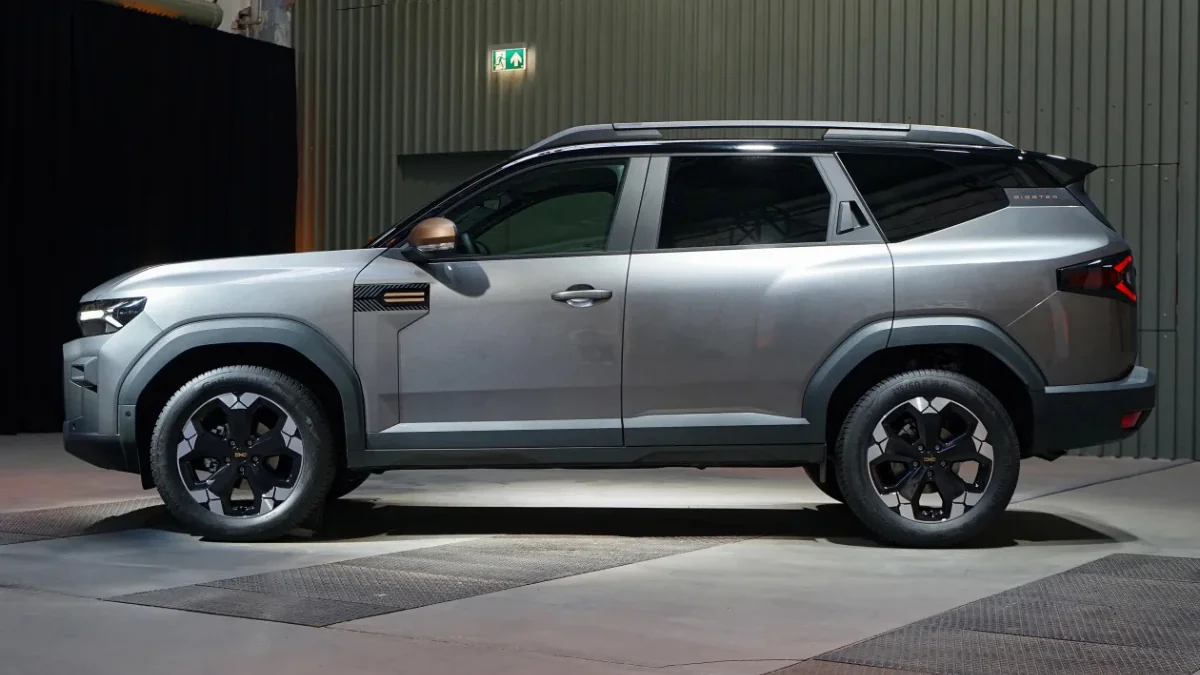
Renault and Nissan to Launch New 7-Seater SUVs in India: Platform and Specs
The upcoming Renault and Nissan 7-seater SUVs will be based on the Renault Global Modular Platform or RGMP, which also underpins the Duster and the Tekton
Amit Sharma
Read More
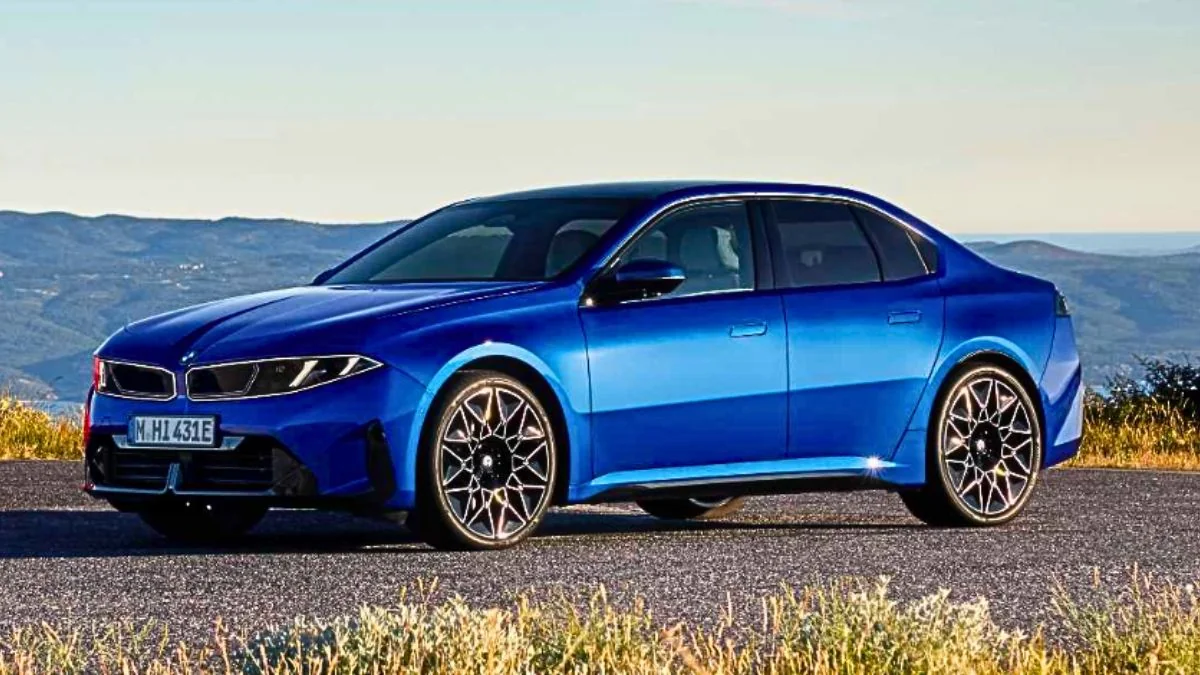
New BMW i3 Revealed – 912 km Range, 469 hp and 400 kW Charging
New BMW i3 revealed with 469 hp, 912 km WLTP range and 400 kW charging. The electric 3 Series also gets 800V and Neue Klasse technology.
Konica Singh
Read More
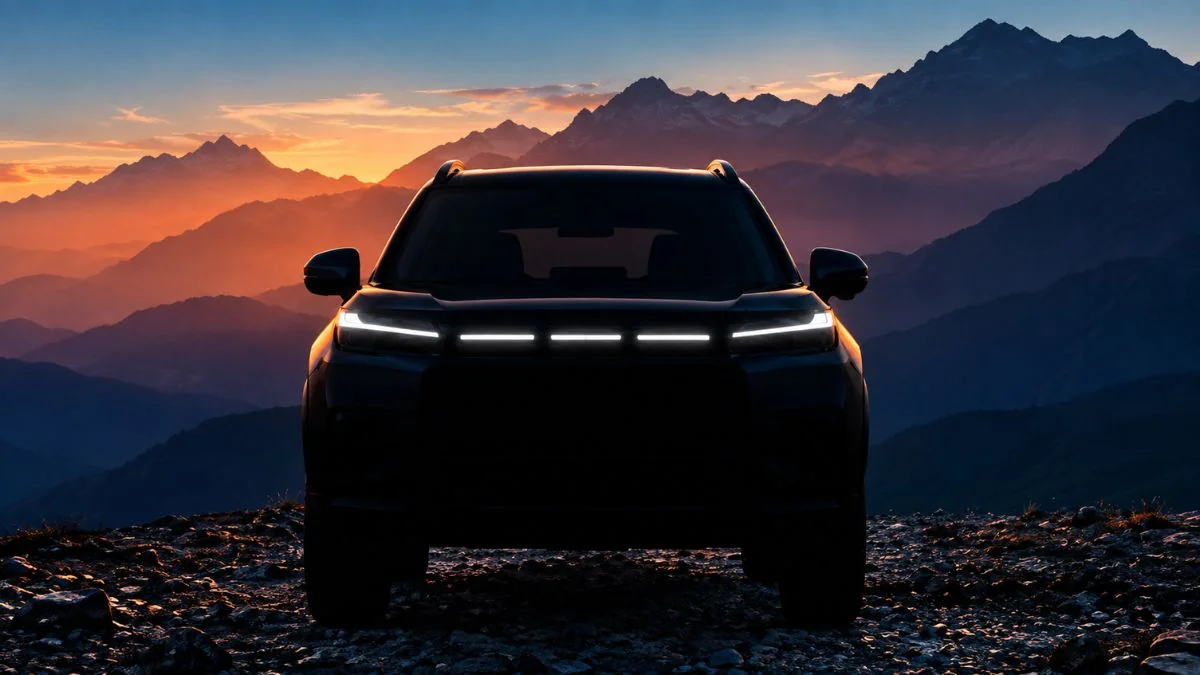
Honda Elevate Facelift Booking Open – New LED Lights, Bigger Screen and More
Honda Elevate facelift gets new LED lights, a bigger touchscreen and expected features like ventilated seats and a 360-degree camera.
Konica Singh
Read More
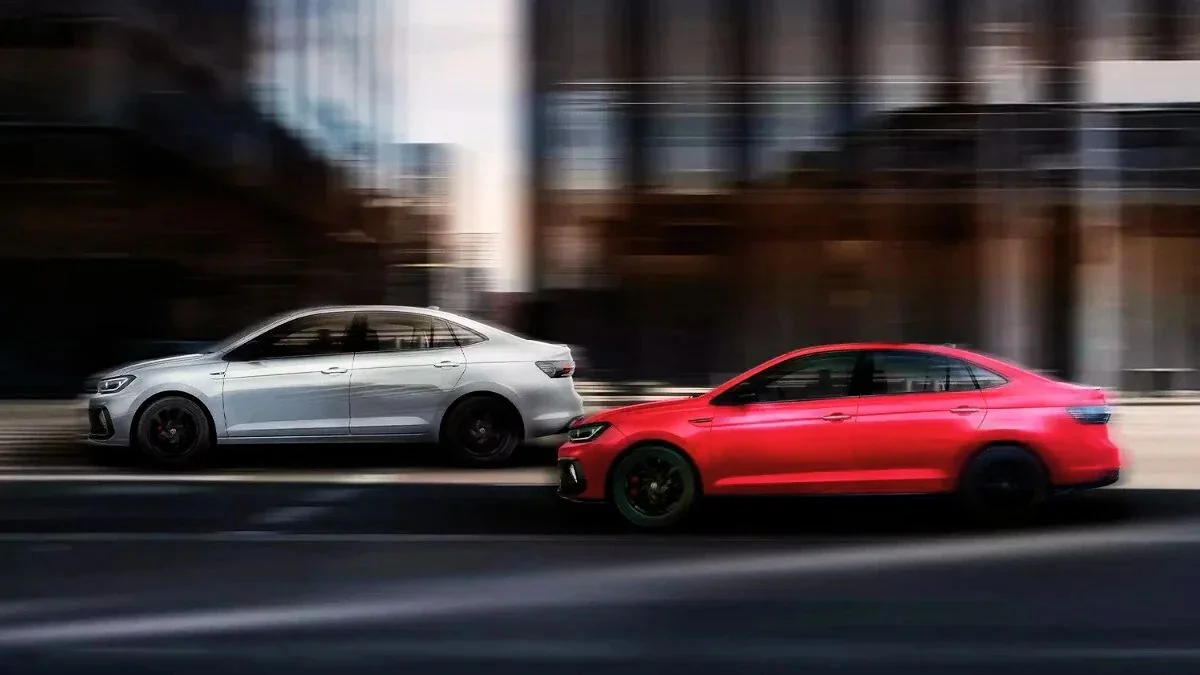
5 Facelift Cars Launching This Month – Full Details
Five facelift cars are expected in India this month, including Maybach S-Class, Honda Elevate, Skoda Slavia, Toyota Glanza and Volkswagen Virtus.
Konica Singh
Read More
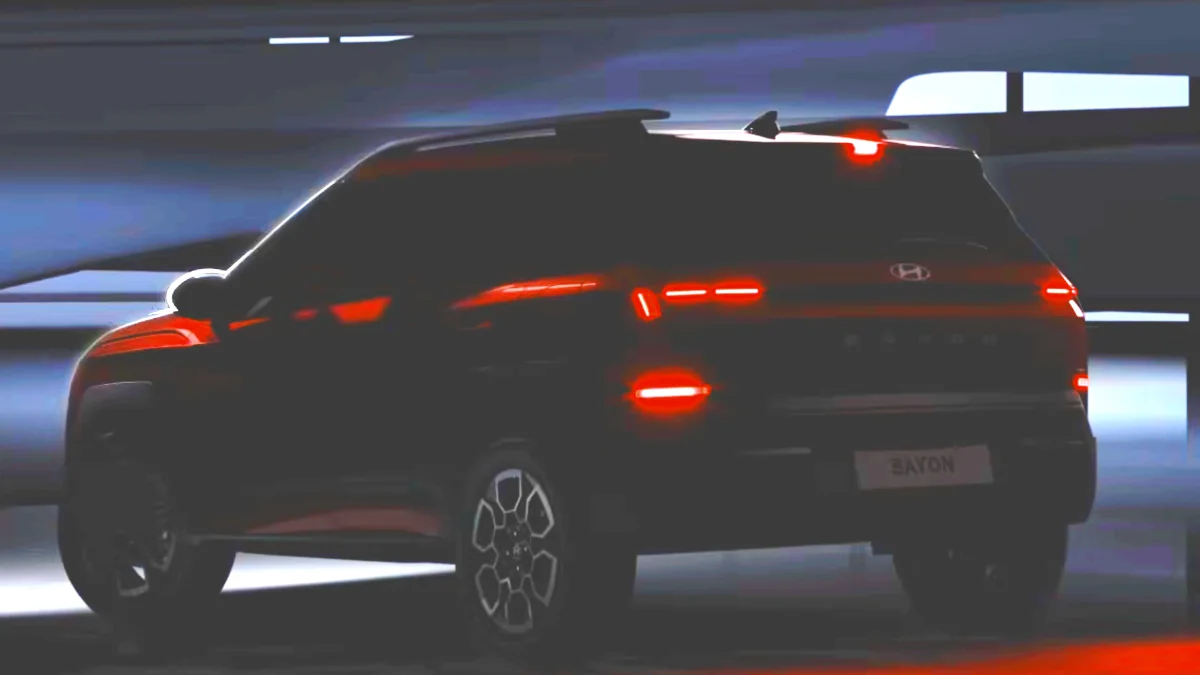
New Hyundai Bayon Crossover Stance Revealed Ahead of Launch
The teaser confirms that the Hyundai Bayon comes with H-Edge lighting at the rear, mimicking the front. Bookings open at Rs 11,000.
Amit Sharma
Read More


Latest Maruti Suzuki Car News and Updates
Why fuel efficiency has become a top priority for used car buyers
With running costs rising and daily commutes growing longer, buyers are placing fuel efficiency near the top of their list when choosing a pre-owned car.
Team CarLelo
Read More

Suzuki 1.2L Series Hybrid, Turbo Petrol and 1.5L turbo Petrol Engines: Power Details
Here is a quick breakdown of the power, torque, and technical specifications for the 1.2L strong hybrid, 1.2L turbo petrol, and 1.5L turbo petrol engines.
Amit Sharma
Read More
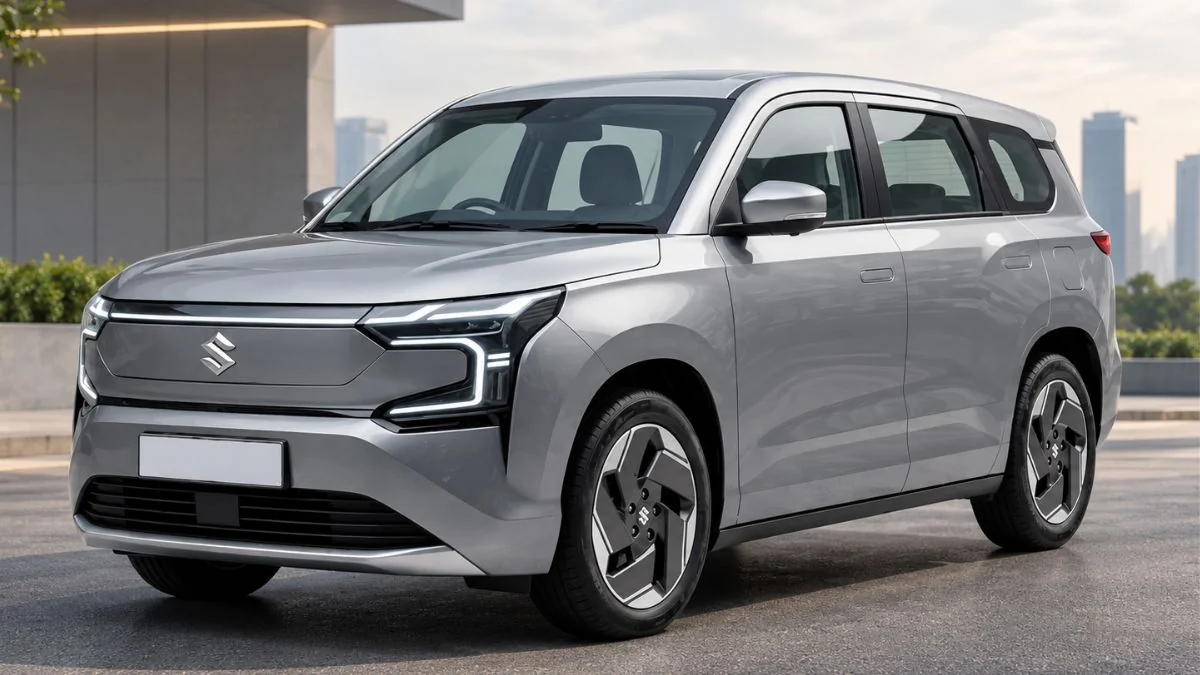
Maruti’s Next EV Could Be a 7-Seater With 500km+ Range
Maruti’s next EV could be a 7-seater YMC electric MPV with up to 515km range, 61kWh battery, ADAS and a launch expected in early 2027.
Konica Singh
Read More
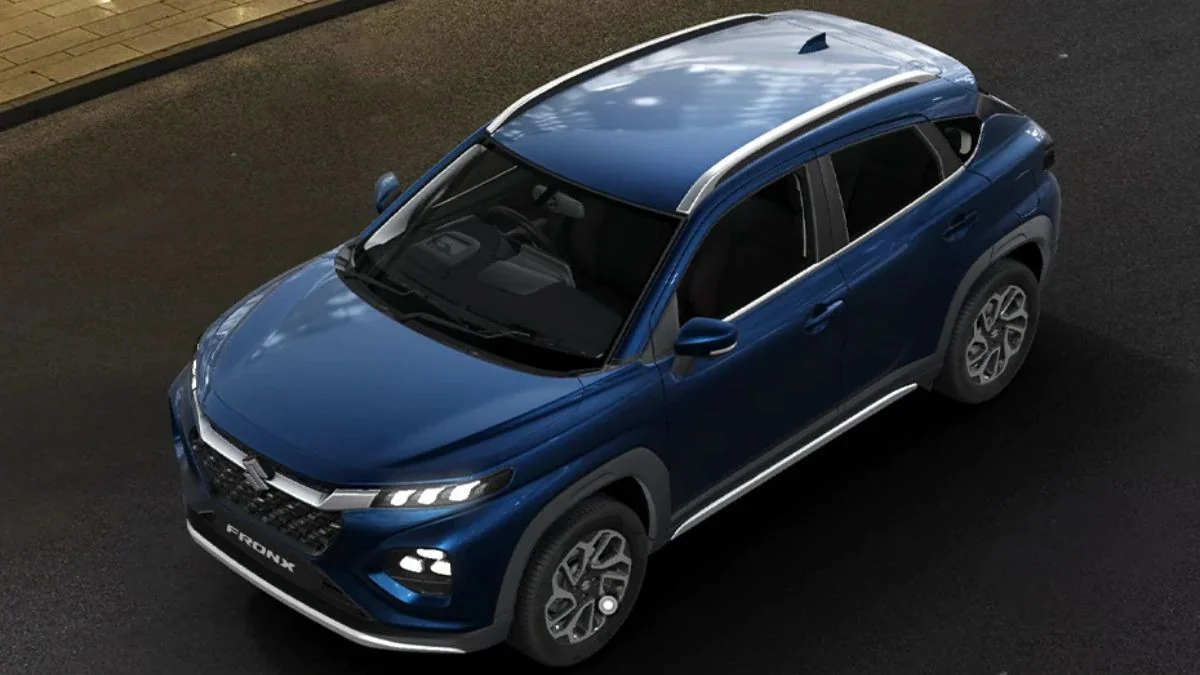
Maruti Fronx Hybrid Could Be India’s Next High-Mileage SUV
Maruti Fronx Hybrid could offer 35+ kmpl with a new series-hybrid system, combining a 1.2-litre petrol engine, electric motor and small battery pack.
Konica Singh
Read More
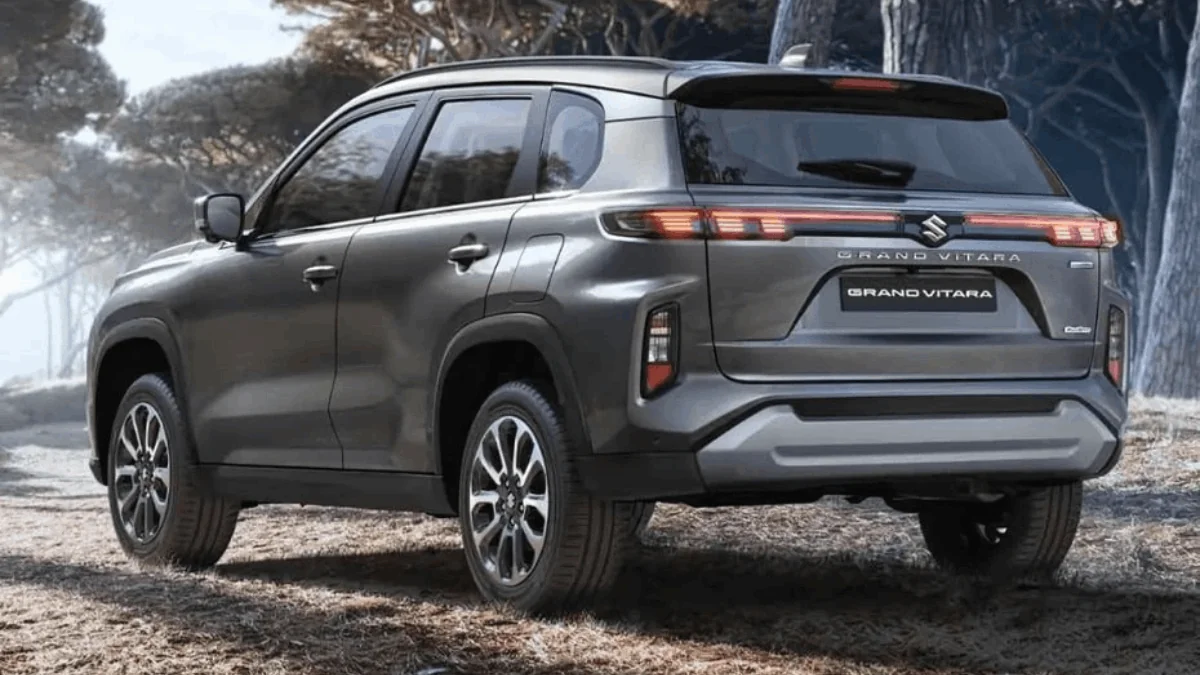
Maruti Suzuki to Boost SUV Lineup with Next-Gen Direct-Injection Turbo Engine
Suzuki is developing a new direct-injection turbocharged engine for growing markets, which is claimed to offer stronger performance along with high mileage.
Chhavi
Read More
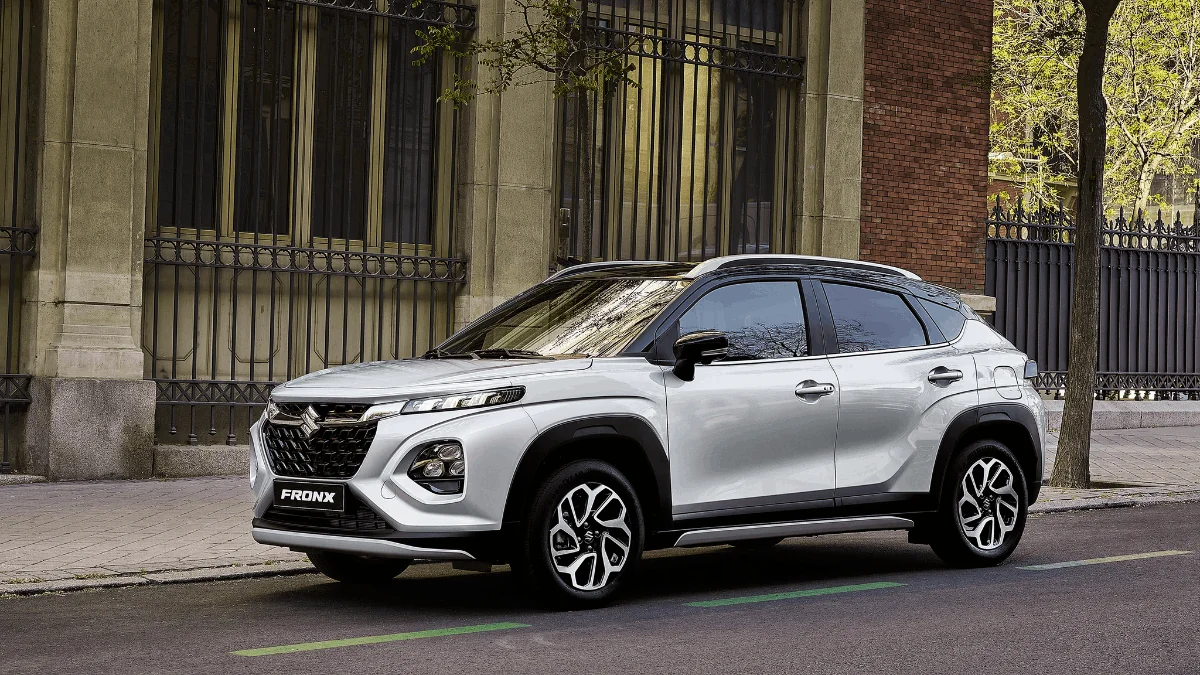
Suzuki Compact Cars to Get Strong Hybrid and Range Extender Hybrids with Plug-in Option
Suzuki Motor Corporation has confirmed that its compact cars will receive series hybrid and range extenders hybrid with plug-in capability
Chhavi
Read More
Latest Maruti Suzuki Ertiga News and Updates
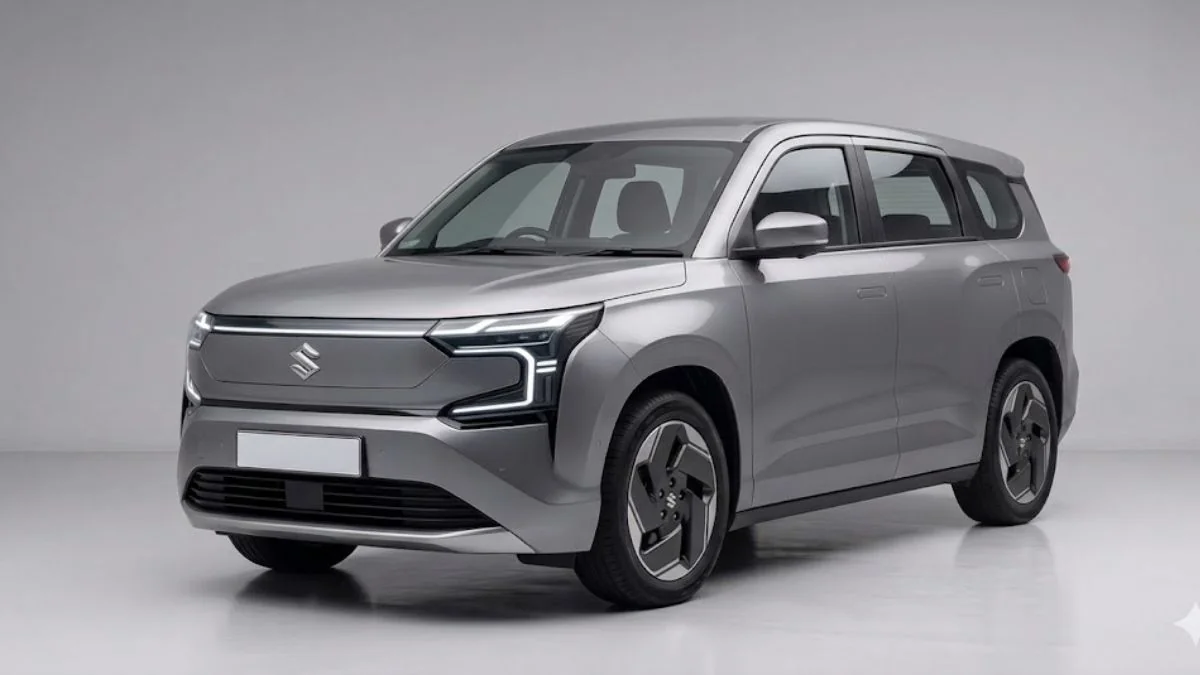
2 New Maruti MPVs Coming To India – Electric & Hybrid Launch Timeline
Maruti Suzuki is preparing two new MPVs for India – a YMC electric MPV by 2026 and a YFV hybrid MPV by 2029. Check key details here.
Chhavi
Read More
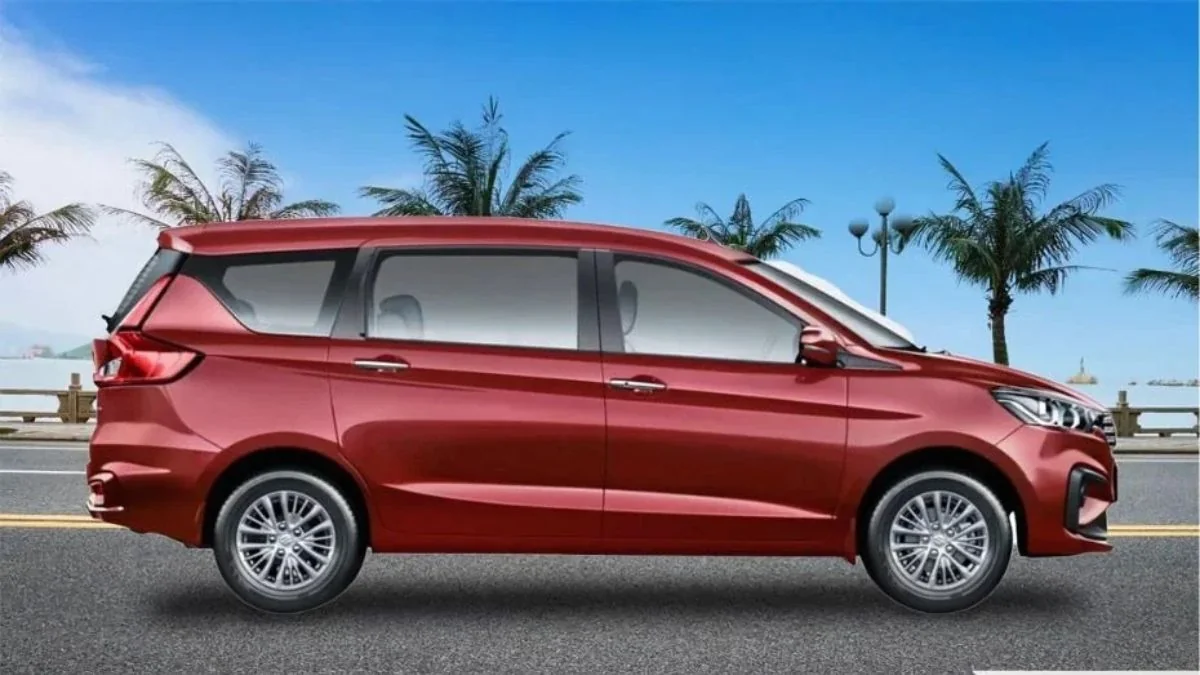
3 Upcoming Maruti Family Cars (MPVs) – Petrol, Electric & Hybrid
Maruti Suzuki is preparing three new MPVs for India, including the Ertiga facelift, YMC electric MPV and YDB budget MPV. Here's what to expect.
Chhavi
Read More
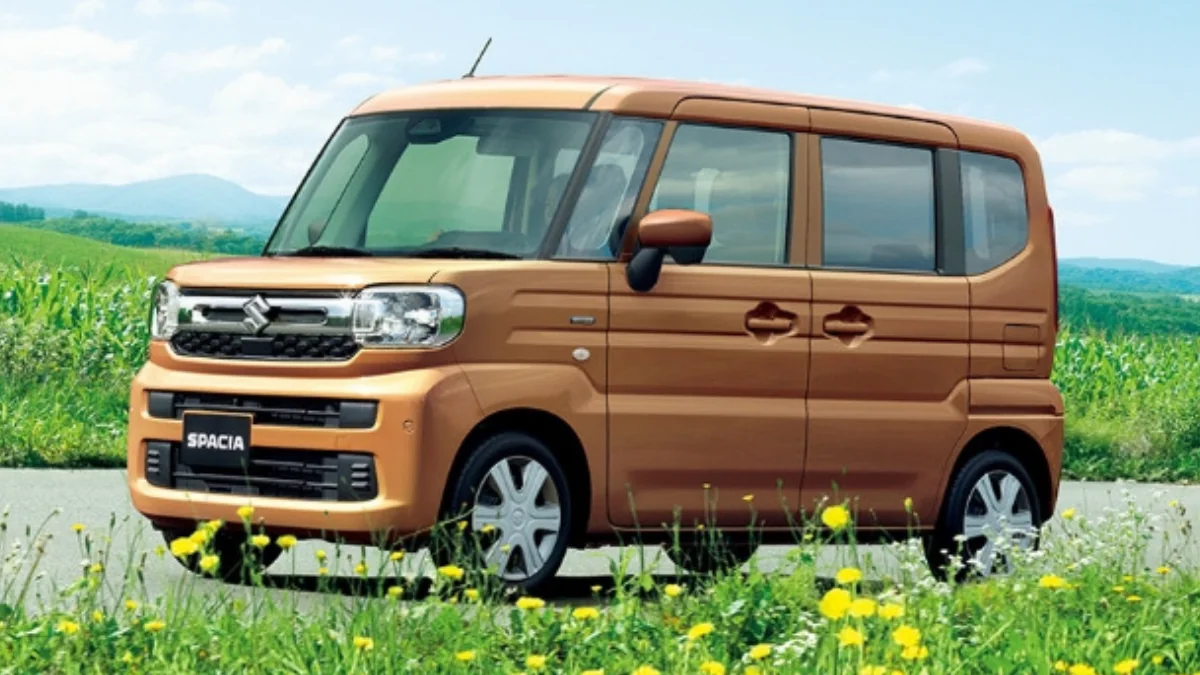
Maruti Suzuki Likely to Launch 2 All-New MPVs: EV and Hybrid
Maruti Suzuki will launch an all-new YMC electric MPV and an all-new Suzuki Spacia based sub-4 meter MPV in the Indian market by the end of 2027
Amit Sharma
Read More
New Mysterious Maruti Suzuki MPV Caught Testing For The First Time
While details about the new MPV is yet to be revealed, we expect the new model could either be the Maruti YMC electric MPV or the new Ertiga MPV.
Amit Sharma
Read More

Kia Carens Clavis Mileage Compared with Maruti Ertiga
Kia Carens Clavis mileage revealed ahead of launch. Here's how it compares with Maruti Ertiga in terms of fuel efficiency, engine options, and variants.
Konica Singh
Read More
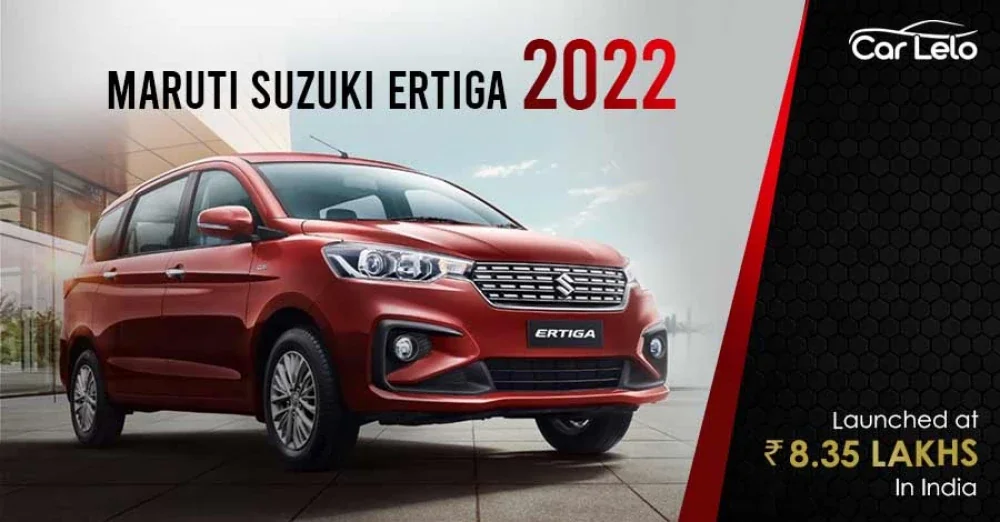
2022 Maruti Ertiga Facelift Launched at Rs 8.35 Lakh in India
2022 Maruti Suzuki Ertiga Facelift launched between the price range of Rs 8.35 lakh to Rs 10.41 lakhs (ex-showroom)
Team CarLelo
Read More
Maruti Suzuki Ertiga Price in India
ADVERTISEMENT
ADVERTISEMENT
ADVERTISEMENT
Trending Cars in India
Explore Similar Cars
Maruti Suzuki Ertiga Price in India

Trusted Dealer
All Over India

Irresistible Offers
Stay Updated, Pay Less

Compare Cars
Choose the Right Car

Easy Finance
Multiple Finance Options


Monday - Saturday

10:00am - 6:30pm

contact@carlelo.com