




By proceeding, I acknowledge that I have read and agreed to the Privacy Policy, Terms & Conditions, consent declaration, and the sharing of my information with lending partners, dealers, OEMs, and for marketing communication via Phone Calls, SMS & WhatsApp.


ADVERTISEMENT

ADVERTISEMENT

New CAFE 3 Norms – New Fuel Rules for Indian Cars, EVs and Hybrids From 2027






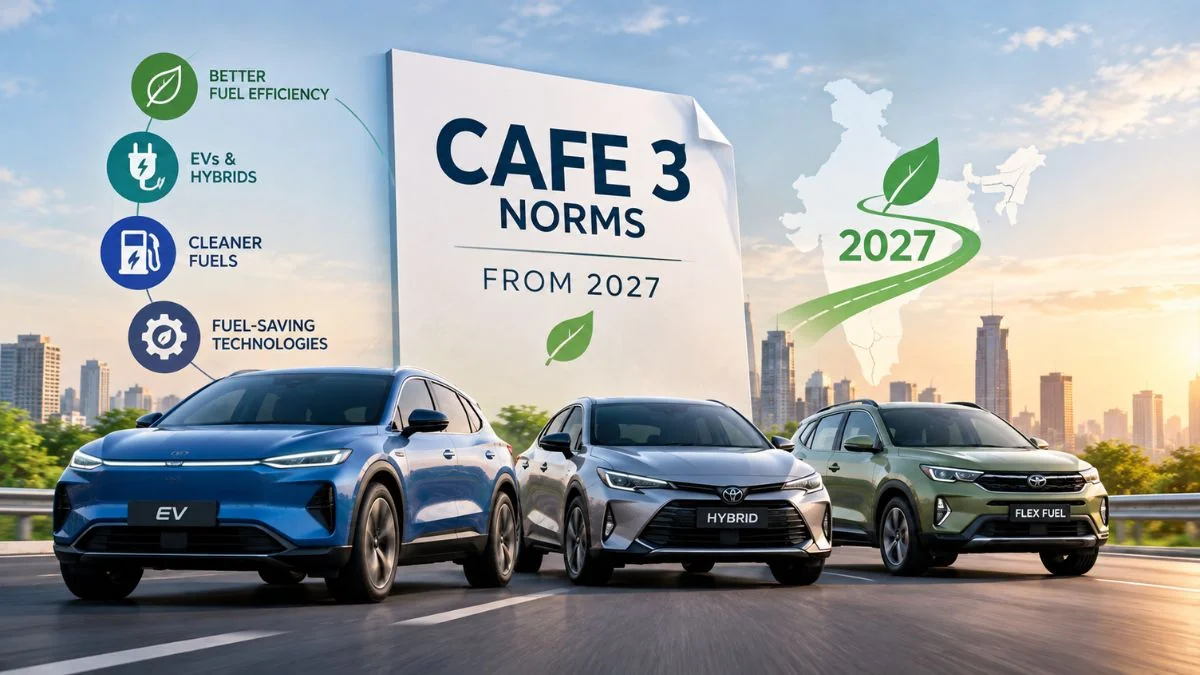
CAFE 3 norms will apply from April 1, 2027, until March 2032. Fuel-consumption benchmark will improve by around 16.7 per cent by 2032. EVs, hybrids, flex-fuel vehicles and 12 fuel-saving technologies get recognition.
India has notified the new Corporate Average Fuel Economy (CAFE) norms for passenger vehicles, bringing tighter fuel-efficiency requirements for carmakers from April 1, 2027. The new rules will remain in force until March 31, 2032 and will apply to new passenger vehicles manufactured or imported for sale in India.
The CAFE 3 framework is designed to improve the overall fuel efficiency of carmakers' fleets while giving them multiple ways to meet the targets. Electric vehicles, hybrids, flex-fuel vehicles, cleaner fuels and fuel-saving technologies will all get recognition under the new framework.
CAFE 3 Norms to Tighten Fuel Efficiency Targets
Under the new rules, the fuel-consumption benchmark will become stricter every year. The benchmark will fall from 3.996 litres per 100km in FY2027-28 to 3.3273 litres per 100km in FY2031-32. This represents an improvement of around 16.7 per cent over five years.
CAFE targets apply to a manufacturer's overall fleet average. This means every individual car does not have to meet the same fuel-efficiency figure. Instead, the average performance of the manufacturer's eligible fleet will be considered. This also means the mix of petrol, diesel, hybrid, electric and other vehicles sold by a manufacturer will play an important role in meeting the new targets.
Also Read: Car Sales Report September 2026: Mahindra, Tata, Hyundai and More
Heavier Cars Will Face Tighter Targets
The new framework also takes vehicle weight into account. The reference weight has increased from 1,082kg to 1,229kg, reflecting changes in the passenger vehicle fleet. The revised target line is designed to be more weight-sensitive, with relatively softer targets for lighter vehicles and higher fuel-efficiency requirements for heavier vehicles. The 1,229kg figure is only a calculation parameter for the CAFE framework. It does not mean that new cars sold in India will have to weigh 1,229kg.
EVs and Hybrids Get Super Credits
One of the major changes under CAFE 3 is the recognition given to cleaner powertrain technologies. Battery electric vehicles, range-extended electric vehicles, plug-in hybrids, strong hybrids and flex-fuel vehicles can receive super credits in fleet-average calculations. These credits can help manufacturers improve their fleet-level compliance and provide an additional incentive to introduce cleaner powertrains in the Indian market.
Cleaner Fuels Get Recognition
The new CAFE framework also introduces a Carbon Neutrality Factor, which recognises renewable and lower-carbon fuels. This includes ethanol-blended petrol, biofuels and compressed biogas. The provision gives manufacturers another way to improve their fleet-level compliance alongside electrification and improvements in vehicle efficiency.
12 Fuel-Saving Technologies Recognised
The number of recognised fuel-conservation technologies has also increased from four to 12 under the new framework. The technologies include solar-reflective paints, advanced glazing and high-efficiency air-conditioning systems. Manufacturers can receive a concession of 1g CO2/km for each eligible technology, subject to an overall maximum concession of 9g CO2/km. This gives carmakers more options to improve their compliance without relying only on changes to engines or electric powertrains.
Credit Trading Gives Carmakers More Flexibility
The new CAFE rules also provide manufacturers with greater flexibility when meeting their targets. Carmakers can meet their obligations over specified two-year or three-year compliance blocks. Manufacturers that perform better than their prescribed targets can generate credits and carry them forward within the specified blocks. Companies facing a shortfall can also exchange or trade credits with other manufacturers or purchase credits through a buyout mechanism administered by the Bureau of Energy Efficiency.
MIDC and WLTP Testing
The new framework will use both Modified Indian Driving Cycle and Worldwide Harmonized Light Vehicles Test Procedure reporting. This will support India's gradual transition towards globally harmonised vehicle testing practices. Manufacturers with annual sales of fewer than 1,000 units will remain exempt from fleet-average obligations.
What CAFE 3 Means for Car Buyers
The new CAFE rules are aimed at manufacturers and do not provide a direct purchase subsidy or tax reduction for car buyers. However, the regulations could influence the types of vehicles carmakers introduce in India. Manufacturers may increase their focus on EVs, strong hybrids, plug-in hybrids, range-extender EVs, flex-fuel vehicles and other fuel-saving technologies to meet the tighter fleet-average targets. The impact on vehicle prices, features and powertrain choices will depend on how individual carmakers respond to the new rules.
Toyota and Tata Motors Welcome the New Rules
Toyota has welcomed the recognition of multiple technologies under the new framework, including battery EVs, range extenders, plug-in hybrids, strong hybrids and flex-fuel vehicles. The company said combining hybrid technology, electrification and indigenous biofuels could help reduce dependence on imported fossil fuels.
Tata Motors Passenger Vehicles has also welcomed the announcement. MD and CEO Shailesh Chandra highlighted the combination of tighter fuel-efficiency targets and market-based compliance mechanisms. He also said the continued recognition of zero-emission technologies reinforces the role of electrification in long-term emissions reduction.
About Author

Konica Singh
Sub-Editor

Konica Singh is a passionate Automotive Journalist who brings the world of cars to life, from EV trends to exciting new car launches. Backed by 7 years in content creation, she is skilled in writing, editing, and SEO strategy that drives engagement.
Education: MA English (Delhi University)
Social Media: LinkedIn | Instagram | Twitter | Facebook
Email: konica.carlelo@gmail.com
Location: New Delhi
ADVERTISEMENT



Explore Similar Cars

















Top Car Brands in India
Trending Car News in India

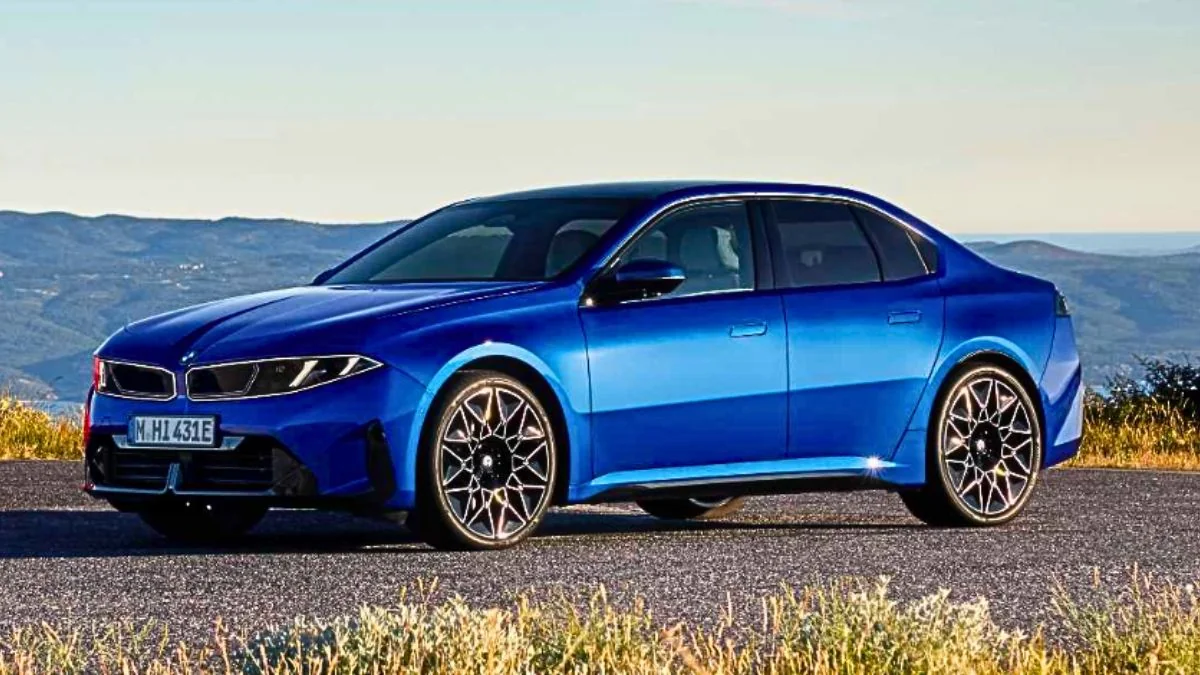
New BMW i3 Revealed – 912 km Range, 469 hp and 400 kW Charging
New BMW i3 revealed with 469 hp, 912 km WLTP range and 400 kW charging. The electric 3 Series also gets 800V and Neue Klasse technology.
Konica Singh
Read More
Honda Elevate Facelift Booking Open – New LED Lights, Bigger Screen and More
Honda Elevate facelift gets new LED lights, a bigger touchscreen and expected features like ventilated seats and a 360-degree camera.
Konica Singh
Read More
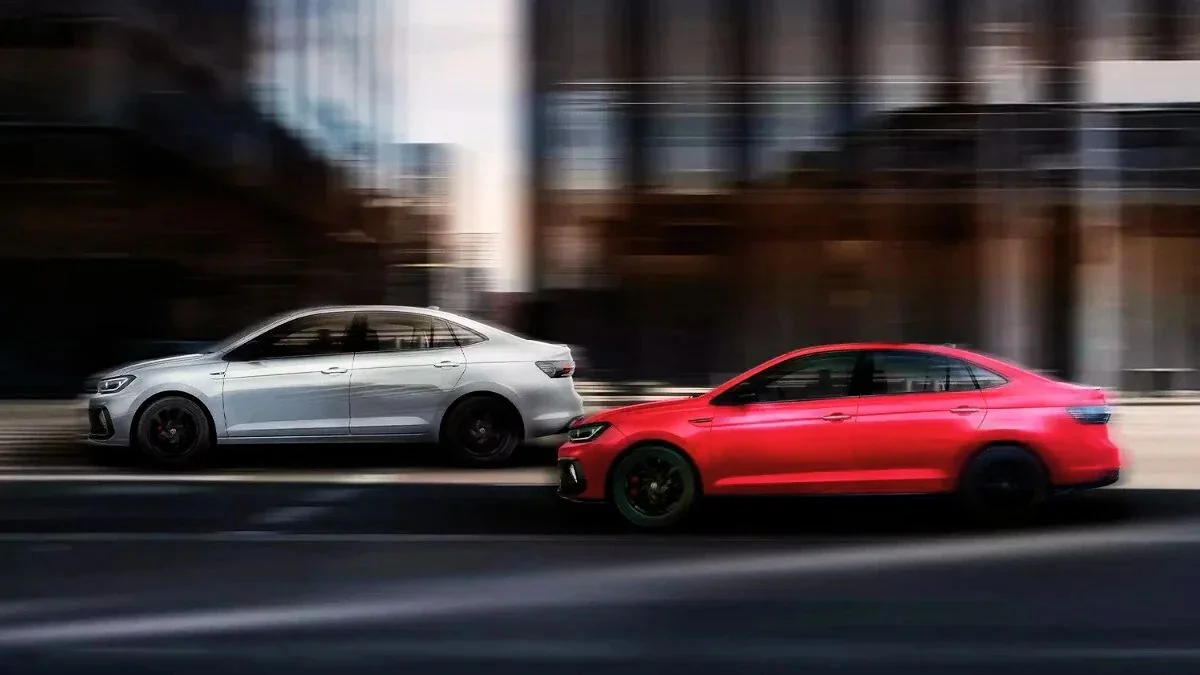
5 Facelift Cars Launching This Month – Full Details
Five facelift cars are expected in India this month, including Maybach S-Class, Honda Elevate, Skoda Slavia, Toyota Glanza and Volkswagen Virtus.
Konica Singh
Read More
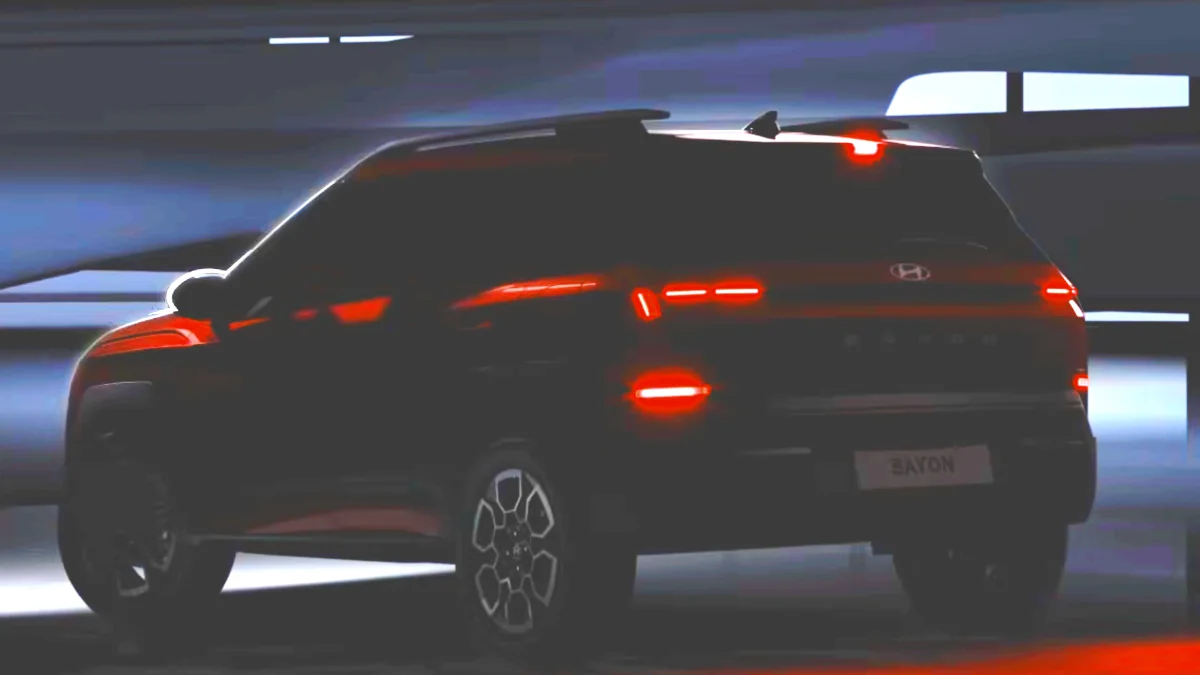
New Hyundai Bayon Crossover Stance Revealed Ahead of Launch
The teaser confirms that the Hyundai Bayon comes with H-Edge lighting at the rear, mimicking the front. Bookings open at Rs 11,000.
Amit Sharma
Read More
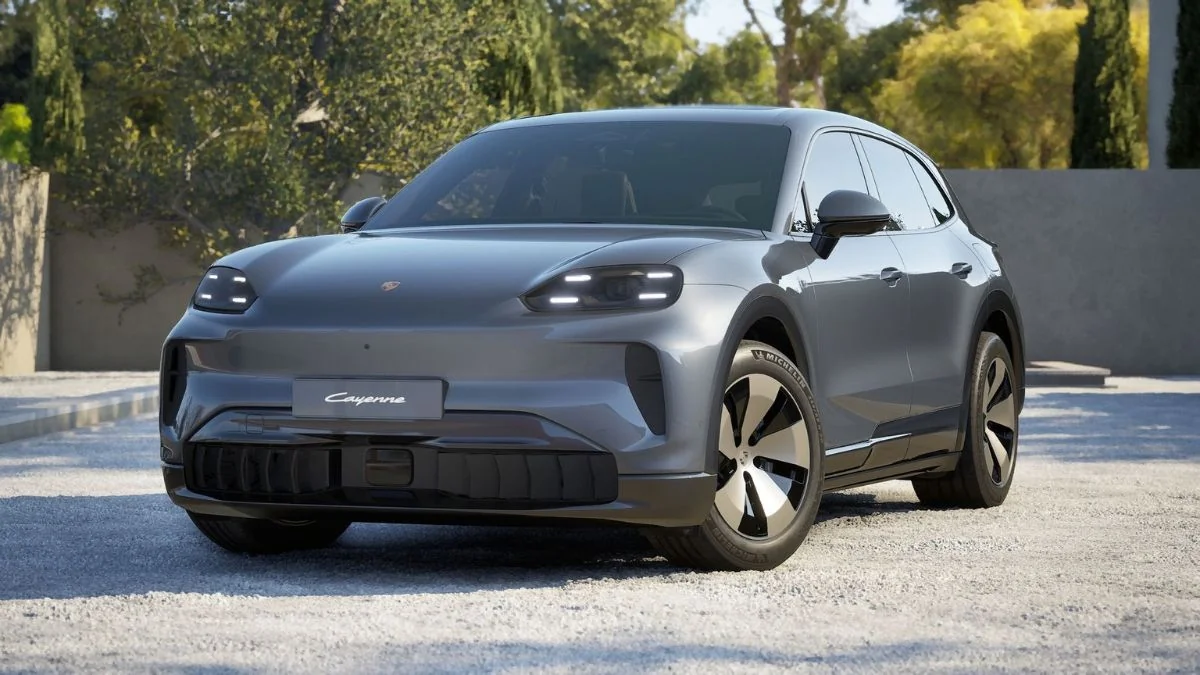
New Porsche Cayenne Electric – 1,154bhp, 260kmph Top Speed & 26-Min Charging
New Porsche Cayenne Electric launched in India with up to 1,154bhp, 260kmph top speed and 26-minute fast charging. Check more details!
Konica Singh
Read More
Car Sales Report September 2026: Mahindra, Tata, Hyundai and More
Car Sales Report September 2026 - Sub-4-metre SUVs and mid-sized SUVs contributed the most to September 2026 sales. EVs and Hybrids posted steady sales growth.
Amit Sharma
Read More


Latest Toyota Car News and Updates
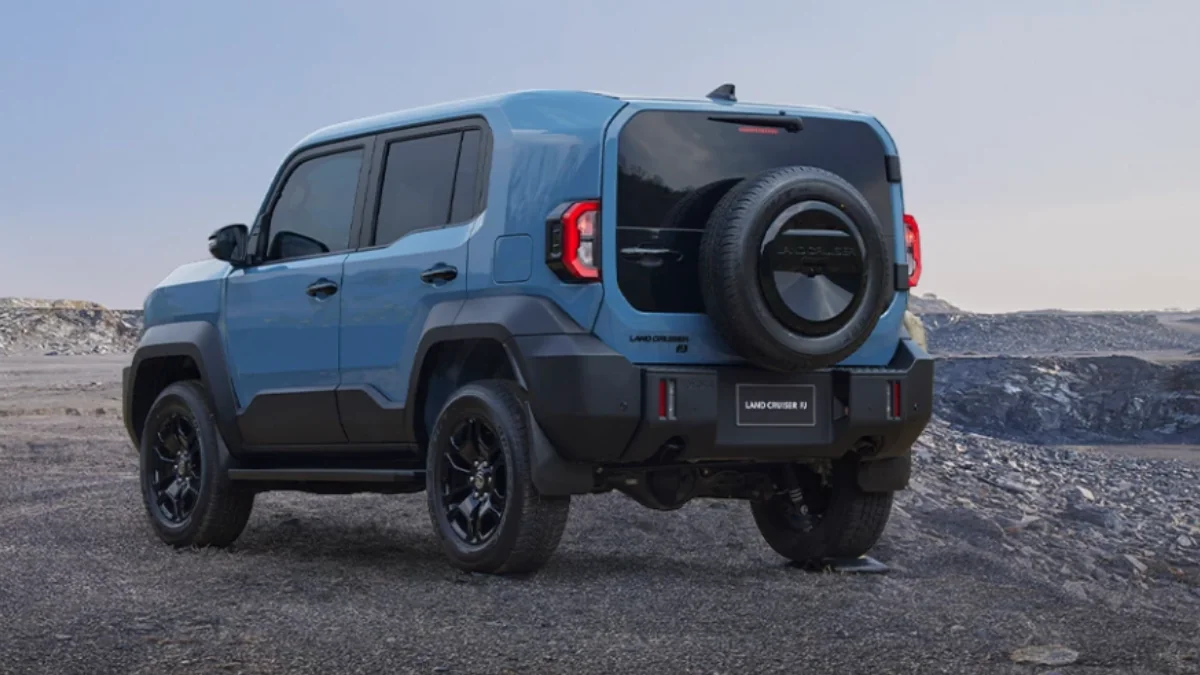
This Toyota SUV is Heading to India: Mahindra Thar Roxx Challenger
Designed as a rugged ladder-frame 4x4, the Toyota Land Cruiser FJ offers a combination of Toyota’s off-road heritage and practicality of a family car.
Amit Sharma
Read More
2 Toyota Cars Set for Major Updates
Toyota is preparing major updates for the Glanza and Innova Hycross, with the Glanza coming in 2026 and the Hycross facelift expected in 2027.
Konica Singh
Read More
Next Big Launch From Toyota and Kia
Toyota and Kia India are developing the next-generation Toyota Fortuner and the Next-gen Kia Sonet; both will be launched in the first half of 2027.
Amit Sharma
Read More

New Toyota Glanza Confirmed for October 14 Launch: ADAS, Ventilated Seats and New Engine
Scheduled to be launched on October 14, 2026, the new Toyota Glanza facelift will get refreshed design, LEVEL 2 ADAS and a brand-new engine.
Chhavi
Read More
4 New Cars Set to Launch in October 2026
Four new cars are set to launch in India in October 2026, including the Honda Elevate facelift, Audi Q3, Toyota Glanza facelift and Hyundai Bayon.
Konica Singh
Read More
Toyota Glanza Facelift - New Design, Hybrid Tech and Features
Toyota Glanza facelift is expected in 2026 with a new 1.2-litre engine, CNG-AMT, Level 2 ADAS, new features and updated styling.
Konica Singh
Read More
Latest Toyota Urban Cruiser Hyryder News and Updates
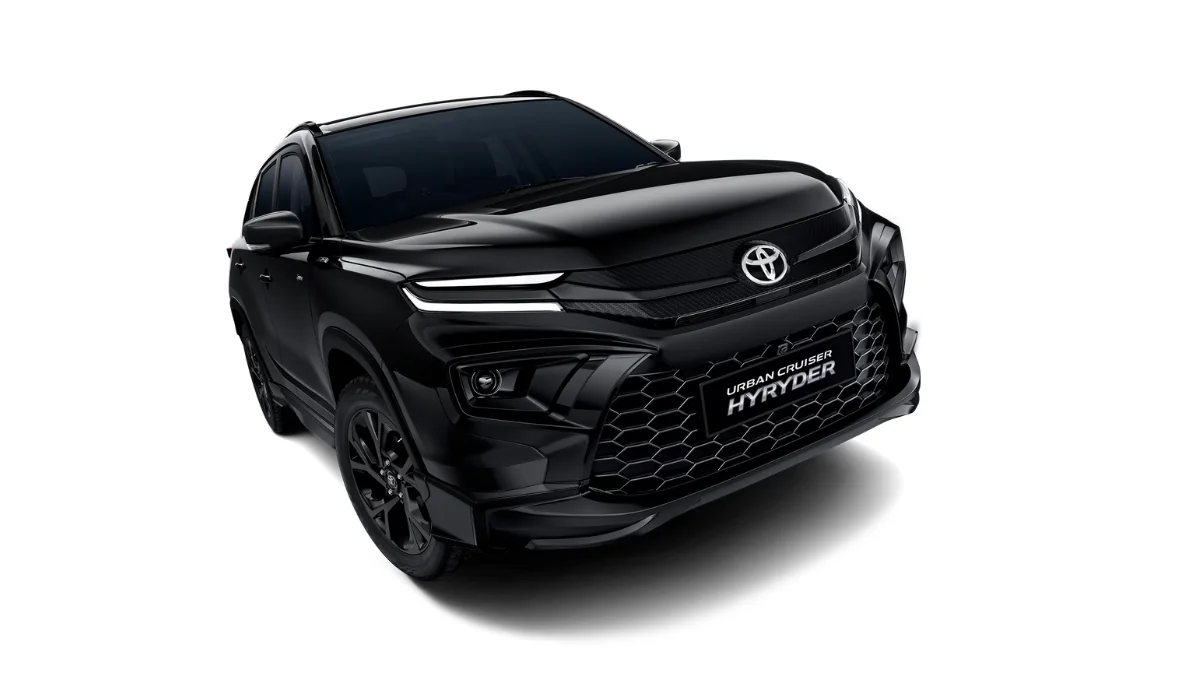
Toyota Launches Hyryder Aero Black Edition Styling Pack at Rs 31,999
The Urban Cruiser Hyryder Aero Black Edition styling package is available at Rs. 31,999/- across Midnight Black G & V grades (Neo Drive and Strong Hybrid).
Amit Sharma
Read More
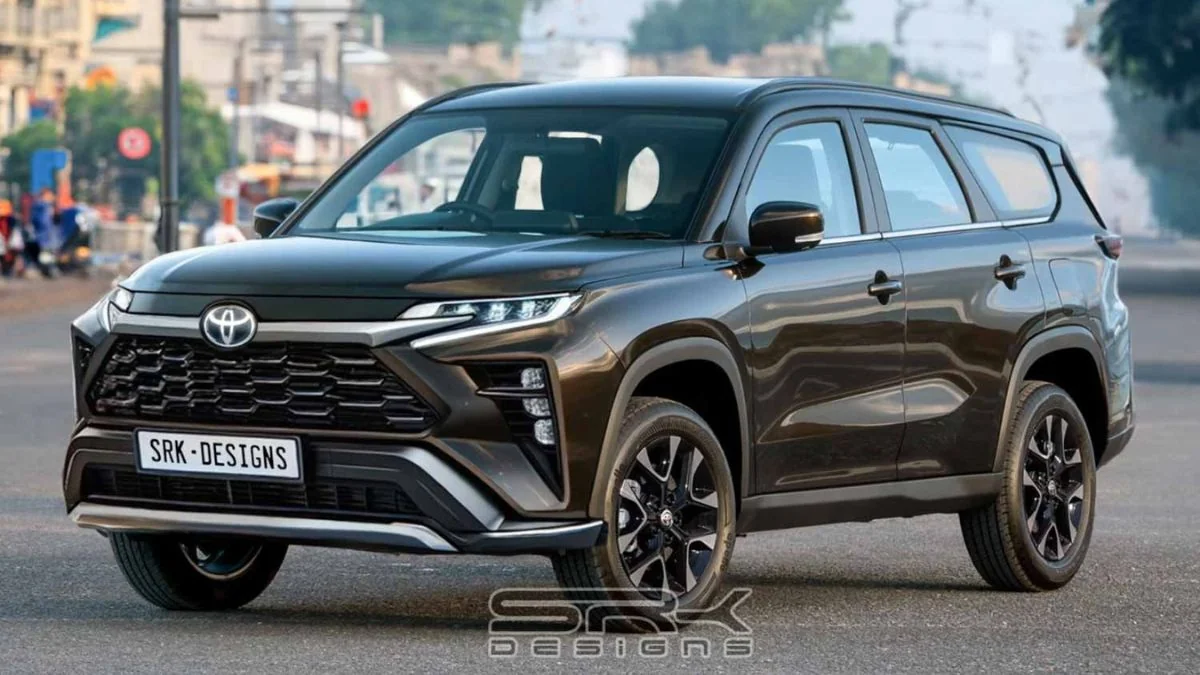
7-Seater Toyota Hyryder: Launch Timeline, AWD and Key Details
The 7-seater Hyryder will look largely identical to its 5-seater version; however, it will have an extended side body with a longer overhang.
Amit Sharma
Read More
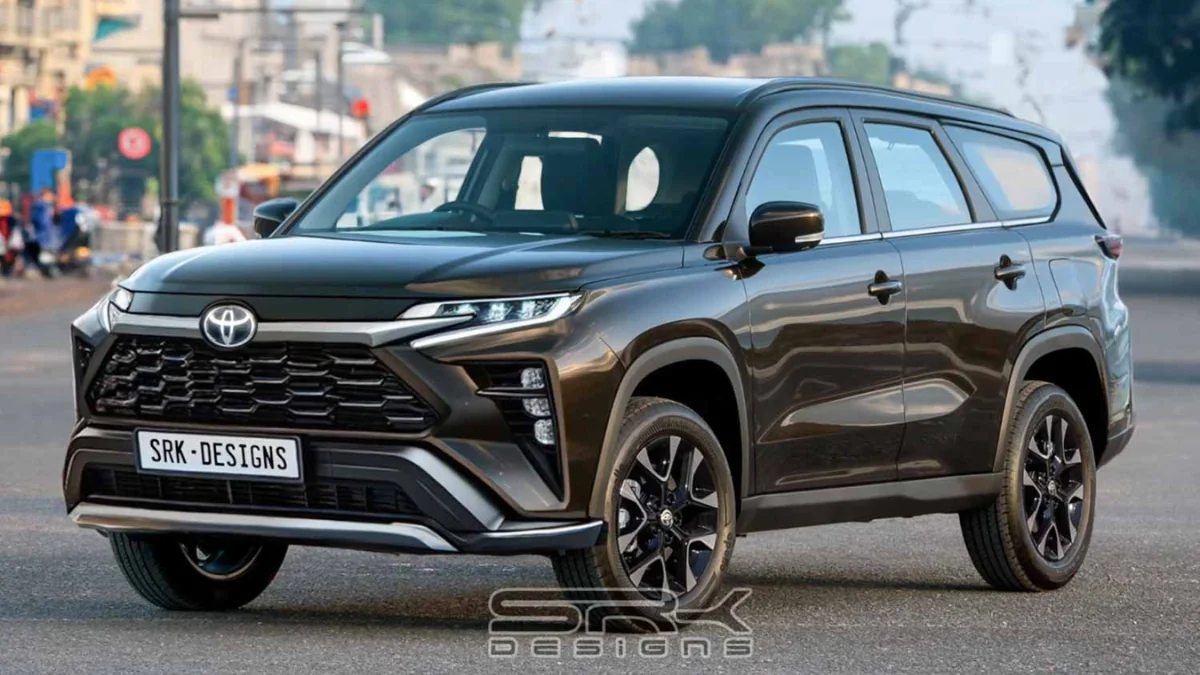
7-Seater Toyota Hyryder SUV – Launch Timeline, AWD, Hybrid & More
The Toyota Hyryder 7-seat SUV is expected to share its powertrain options with its 5-seat sibling, which is available with petrol mild hybrid and strong hybrid
Chhavi
Read More
Toyota’s New 7-Seater SUV Taking Shape – Hybrid, AWD & New Features
Toyota is now working on a three-row version of the SUV, which has been spotted testing several times. It’s expected to launch by the end of 2026 or early 2027
Chhavi
Read More
Toyota’s Next SUV for India – New Hyryder 5-Seater or 7-Seater?
Toyota is currently testing a three-row version of the Hyryder, which was spotted on Indian roads a few months ago. Hyryder to get a mid-life facelift this year
Chhavi
Read More
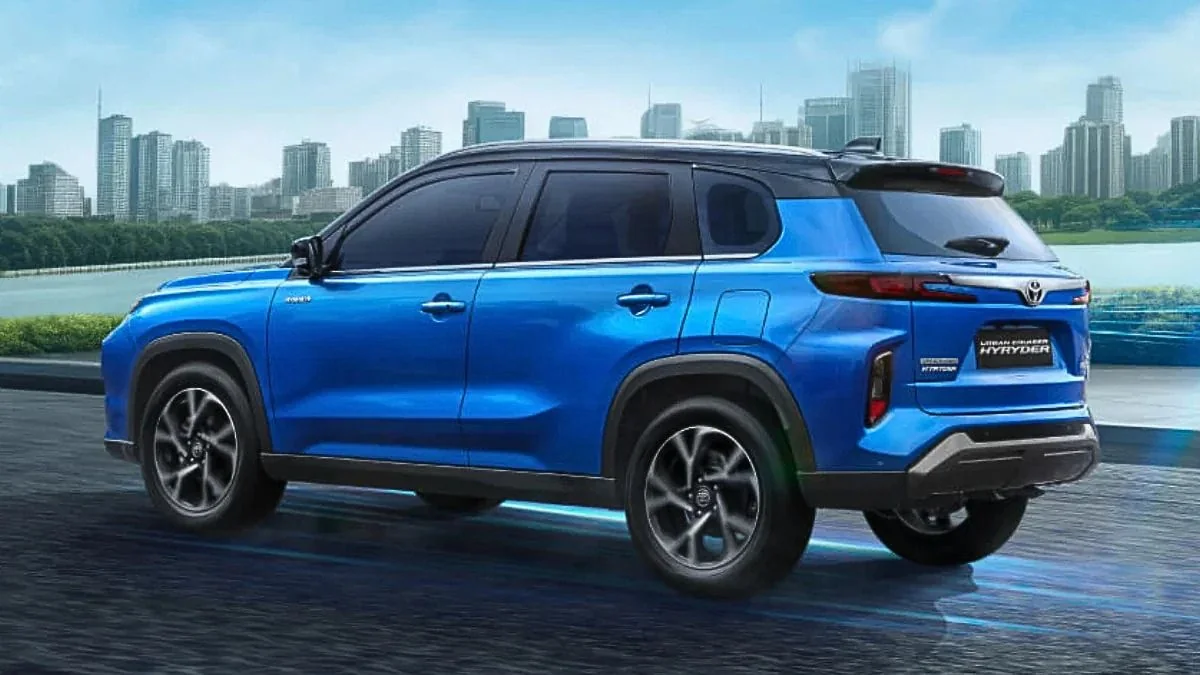
India’s Top 6 Carmakers To Launch New 7-Seater SUVs By 2027
Upcoming 7-seater SUVs are set to hit India by 2027, with Maruti, Tata, Mahindra, Hyundai, Toyota, and Kia launching family-friendly three-row models.
Chhavi
Read More
Toyota Urban Cruiser Hyryder Price in India
ADVERTISEMENT
ADVERTISEMENT

ADVERTISEMENT
Trending Cars in India
Explore Similar Cars
Toyota Urban Cruiser Hyryder Price in India

Trusted Dealer
All Over India

Irresistible Offers
Stay Updated, Pay Less

Compare Cars
Choose the Right Car

Easy Finance
Multiple Finance Options


Monday - Saturday

10:00am - 6:30pm

contact@carlelo.com