




By proceeding, I acknowledge that I have read and agreed to the Privacy Policy, Terms & Conditions, consent declaration, and the sharing of my information with lending partners, dealers, OEMs, and for marketing communication via Phone Calls, SMS & WhatsApp.


ADVERTISEMENT

ADVERTISEMENT







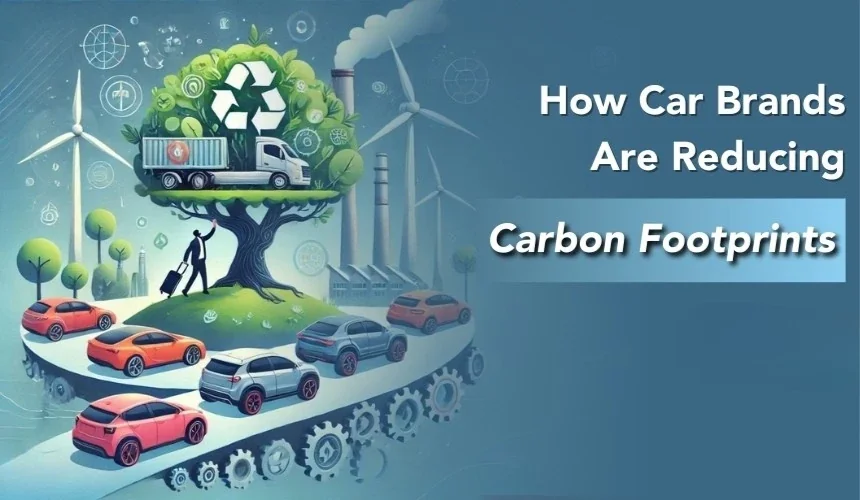
As the world battles climate change challenges, the automotive industry has emerged as a key player in the journey towards sustainability. In 2026, automakers are taking significant steps to reduce their carbon footprint, focusing on cleaner technologies, innovative solutions, and eco-conscious practices.
In this blog, we explore how car brands are adopting strategies to minimize their carbon emission and promote sustainability.
A Shift to Electric Vehicles (EVs)
The EV market is growing rapidly in India, which helps reduce carbon footprints. Several automakers, like Tata Motors and Mahindra, have launched electric models that cater to Indian consumers. Many EVs from automakers have been seen this year, such as Nexon EV, Ioniq 5, and EV 6, which are premium models that promote less emission.
Introduction of Hybrid Technology
While fully electric vehicles are gaining popularity, hybrid models also serve as a transitional technology for people who do not want to go through the challenges of EV infrastructure. Hybrid cars combine internal combustion engines (ICE) with electric motors to reduce emissions and improve fuel efficiency. Big names like Toyota and Maruti Suzuki introduced hybrid models this year like the Camry Hybrid and Grand Vitara. These strong hybrid variants have been a great hand in reducing fuel consumption and CO2 emissions.
Use of Sustainable Materials in Manufacturing
Automakers are also addressing sustainability in the manufacturing process. The brand like MG Motor have taken the lead by incorporating eco-friendly materials in their EVs, such as MG ZS EVs. They have said that 50% of the energy required for its manufacturing operations is from renewable resources. Apart from them, Hyundai India has introduced greener production practices by using sustainable materials for interior designs.
Compact and Low-Emission ICE Models
Automakers are continuing to improve traditional internal combustion engine (ICE) models. For example, the Alto K10 and WagonR models use lightweight platforms and optimised engines to lower emissions. It can be said that EV adoption is an important part along with a continuous focus on the improvement of ICE models as well.
Focus on Localization and Supply Chain Efficiency
Localization of production is a very important factor in reducing the carbon footprint of vehicles. It was said that the Kia has localized up to 90% of components for its Seltos and Sonet models and Volkswagen is working on improving supply chain efficiency as well. By sourcing materials locally and optimizing supply chains, automakers are cutting transportation emissions and costs.
Recycling and End-of-Life Solutions
Many automakers are working on sustainable disposal practices and recycling material to reduce environmental impact. Mahindra partnered with CERO to responsibly recycle old vehicles and recover valuable material and Hyundai has implemented an innovative recycling process to reuse batteries from old EVs.
While there is still a long way to go, the automotive industry in India has witnessed a paradigm shift in 2026. The above efforts highlight the commitment of car brands to creating a greener and sustainable future. Brands like Toyota and Hyundai are leading the way globally and are testing hydrogen-powered vehicles, Toyota Mirai and Hyundai Nexo, which serve as examples of what the future of automobiles could hold.
Also Read: Top Sub-4m SUVs with ADAS in India
About Author
Ankita Solanki
Sub-Editor

Ankita Solanki is a versatile desk writer who explores the world of automobiles with her writing on the latest industry trends and norms. Combining technical expertise with a reader-friendly approach, Ankita's content is accessible to both car enthusiasts and casual readers.
ADVERTISEMENT









































Top Car Brands in India
Trending Car News in India

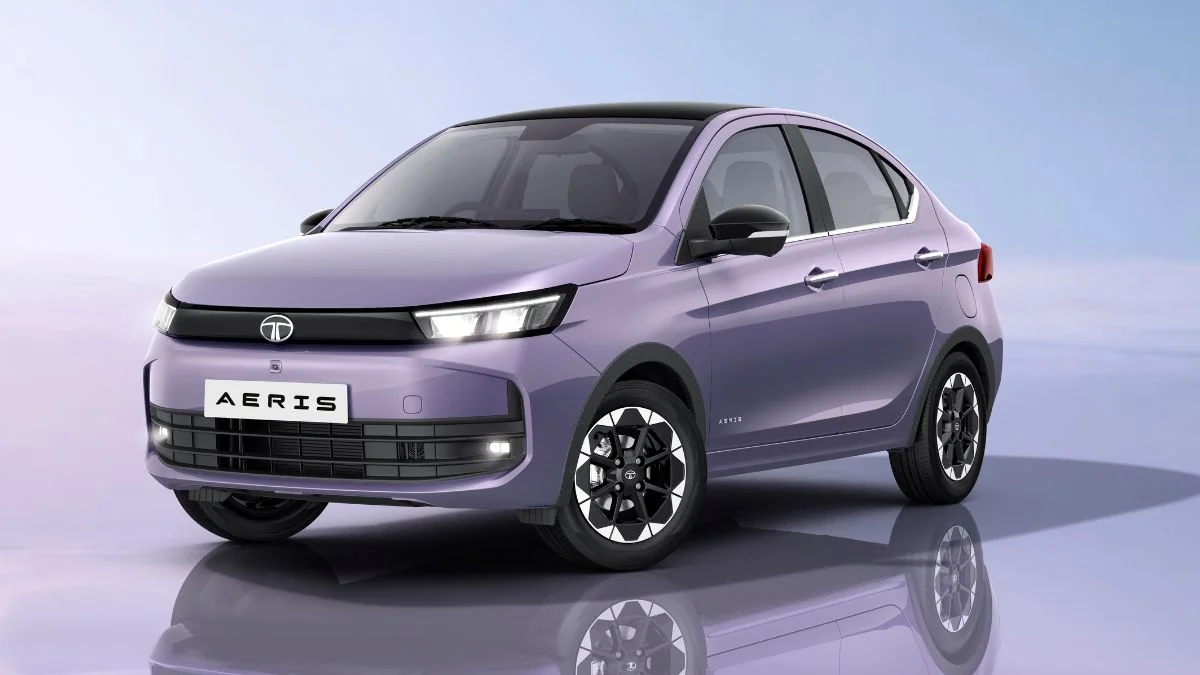
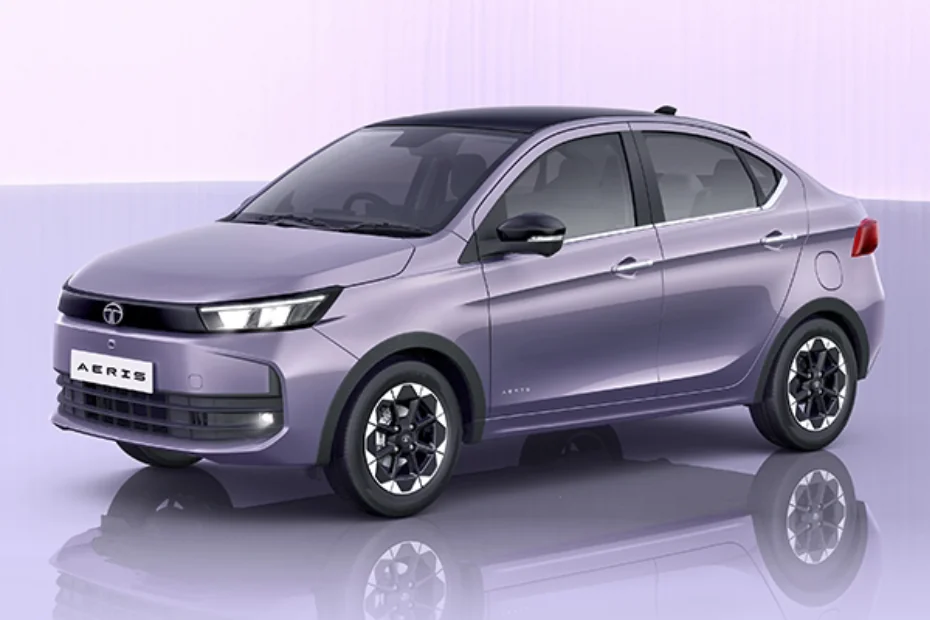
2026 Tata Aeris Launched - Price, Variants, Features
2026 Tata Aeris launched at Rs 5.29 lakh with petrol and CNG options. Check Aeris prices, variants, features, engine specs and October 11 deliveries.
Konica Singh
Read More
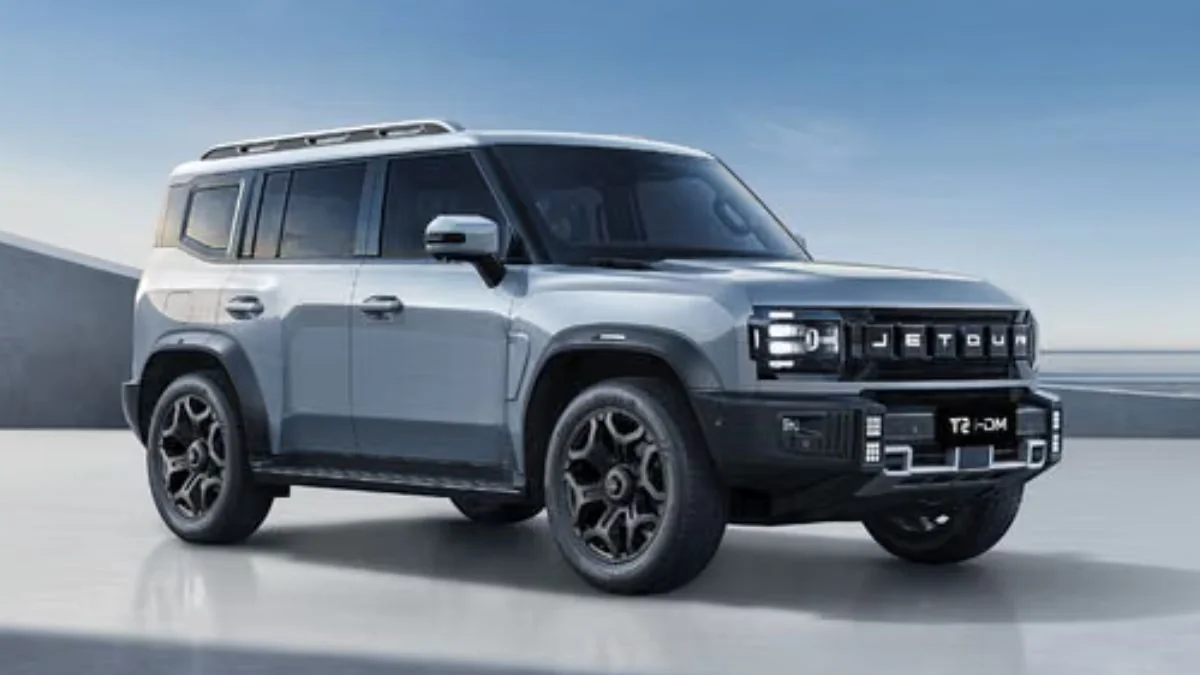
JSW Combat SUV India Launch - Jetour T2-Based SUV Details
JSW Combat SUV is expected to launch in India in December 2026. Based on Jetour T2, it could get a PHEV powertrain and cost around Rs 30 lakh.
Konica Singh
Read More
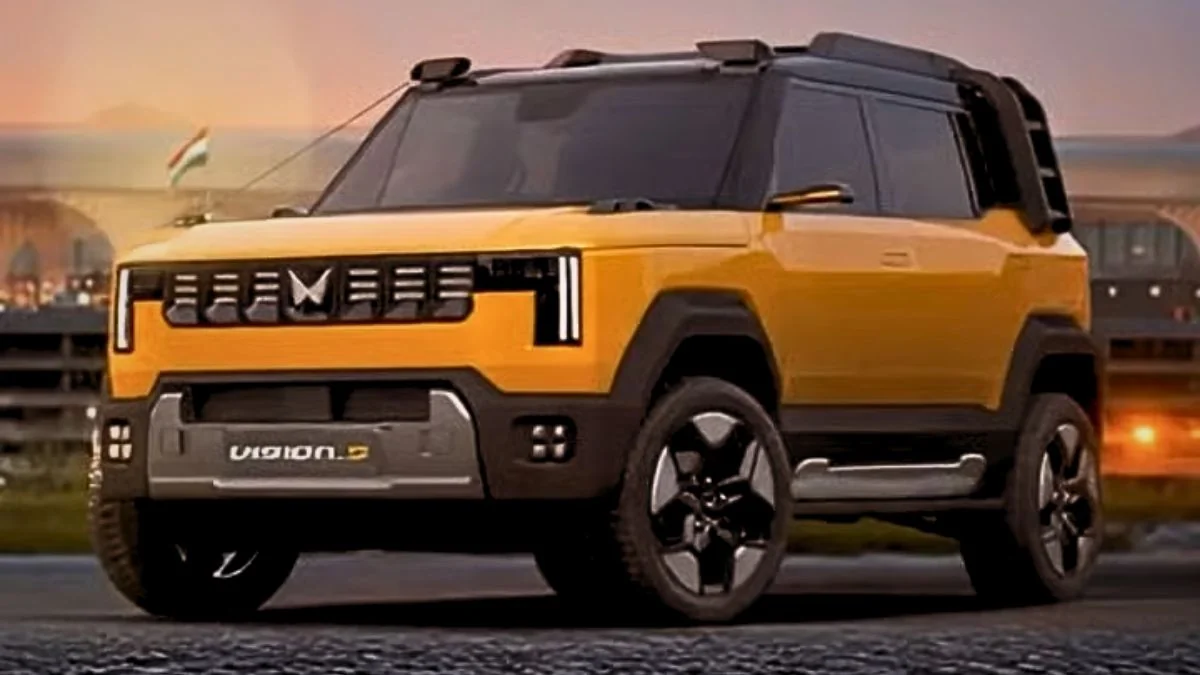
Mahindra Vision S Gets New Look With Connected Taillights
Mahindra Vision S gets a new look with connected LED taillights, a six-slot grille and modern features. Petrol, diesel and electric powertrains are expected.
Konica Singh
Read More
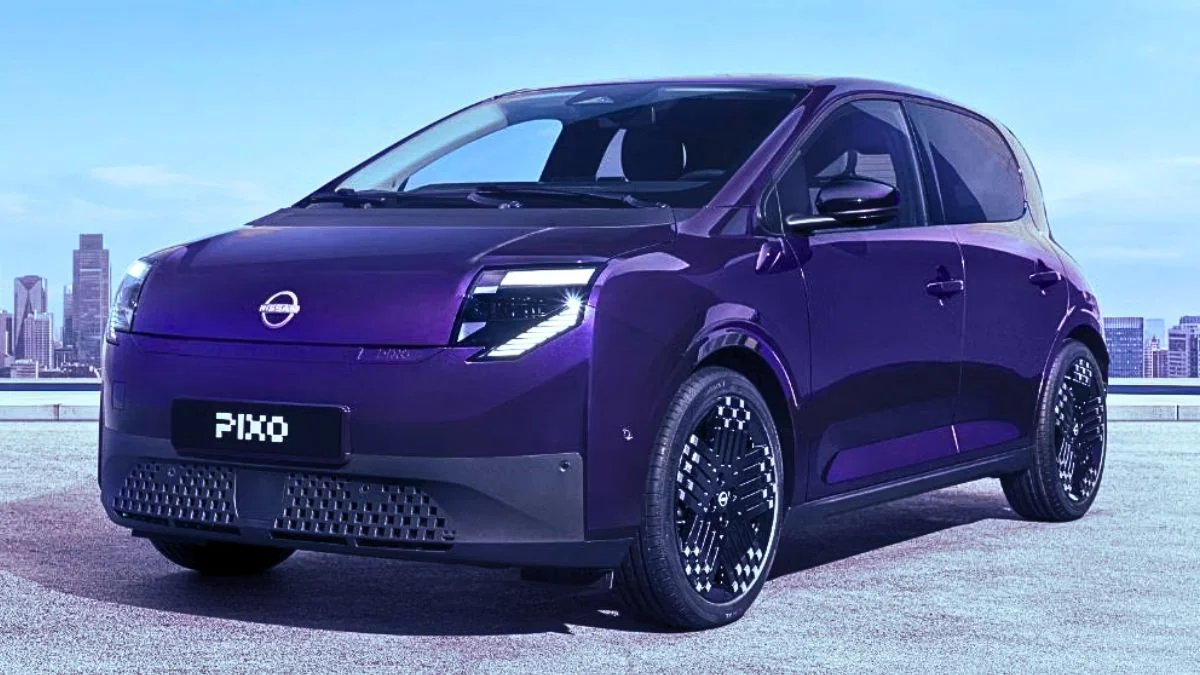
Nissan’s New Pixo EV Could Change the Small Car Game
Nissan Pixo is a new compact EV with 259km range, Google Gemini, 50kW charging and an 82hp motor. European deliveries begin in early 2027.
Konica Singh
Read More
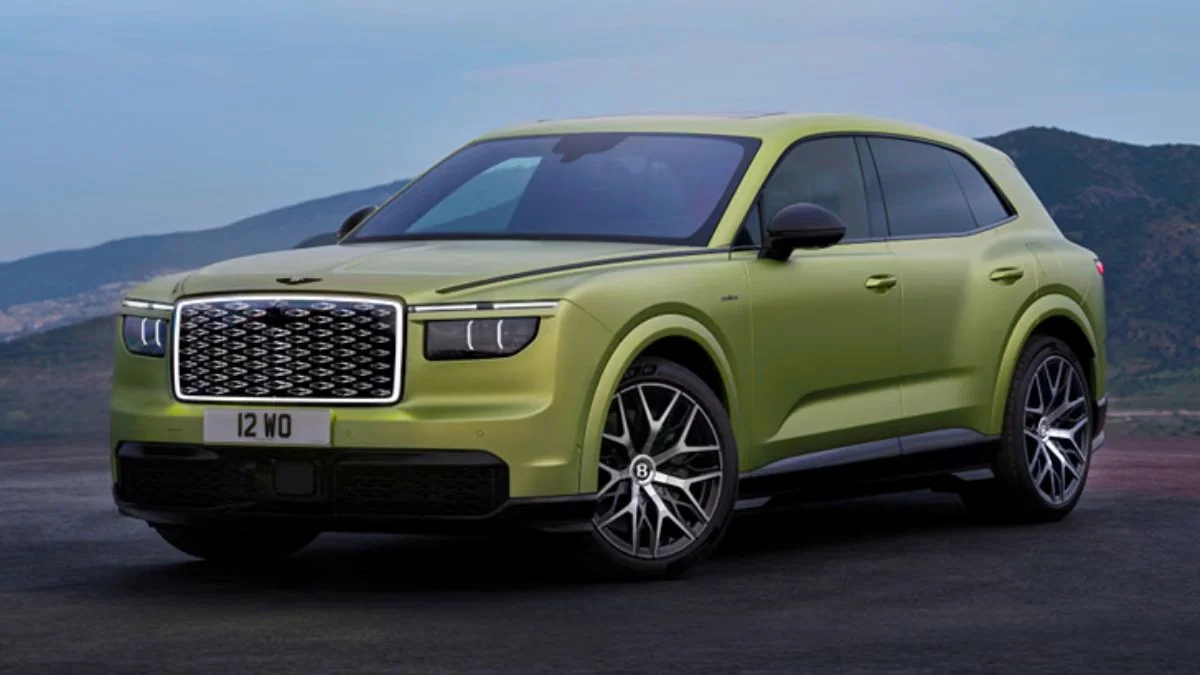
Bentley Torcal EV India Launch Expected by Mid-2027
Bentley Torcal EV India launch is expected by mid-2027. The electric SUV gets 885bhp, 1,350Nm, 600km range and 2.9-second acceleration.
Konica Singh
Read More

Mahindra Thar OG Gets New 4WD Tech and More Powerful Diesel Engine
Mahindra Thar OG gets new 4WD tech and a 152 PS diesel engine, along with a new platform, suspension upgrades and prices from Rs 10.32 lakh.
Konica Singh
Read More
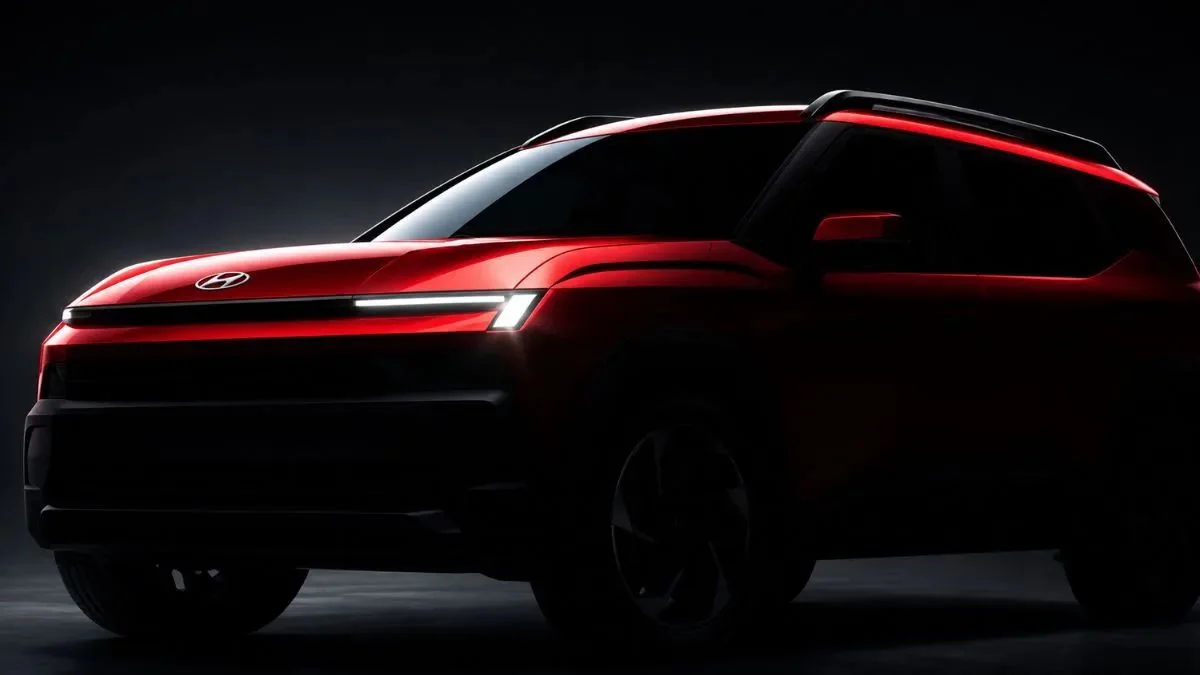
New Hyundai Bayon Global Debut on October 12, India Launch Next
New Hyundai Bayon will make its global debut on October 12, 2026. The new B-SUV will get fresh styling and features before its India launch later.
Konica Singh
Read More



ADVERTISEMENT
ADVERTISEMENT
ADVERTISEMENT
Trending Cars in India

Trusted Dealer
All Over India

Irresistible Offers
Stay Updated, Pay Less

Compare Cars
Choose the Right Car

Easy Finance
Multiple Finance Options


Monday - Saturday

10:00am - 6:30pm

contact@carlelo.com