




By proceeding, I acknowledge that I have read and agreed to the Privacy Policy, Terms & Conditions, consent declaration, and the sharing of my information with lending partners, dealers, OEMs, and for marketing communication via Phone Calls, SMS & WhatsApp.


ADVERTISEMENT

ADVERTISEMENT

Govt Announces Mandatory Emergency Braking & Drowsiness Alerts in Vehicles






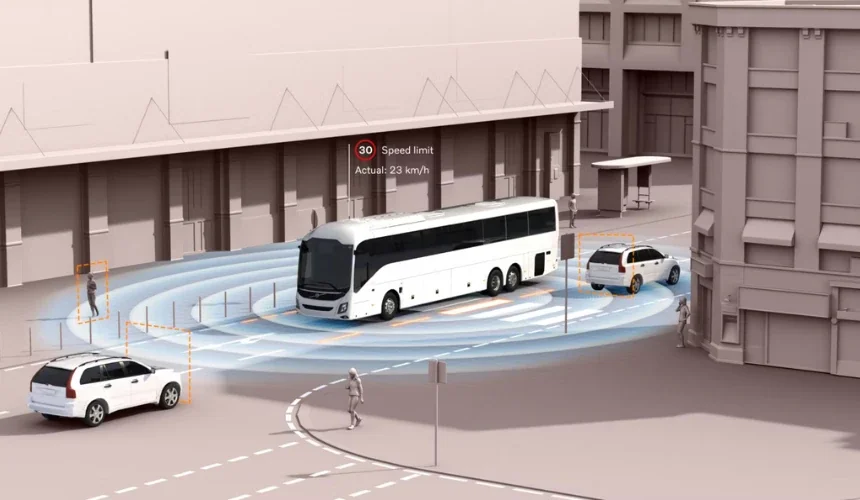
New regulations for cars with 8+ seats, buses, and trucks. Emergency braking system to avoid collision. Drowsiness alert to alert sleepy drivers. Lane departure warning to avoid drifting. Blind spot alert for buses and trucks. The rules are to be followed in new vehicles from April 2026, older ones from October 2026.
As part of an effort to improve road safety around the country, the government has published new regulations that will compel some important safety features on vehicles. From April 2026, some safety features will be mandatory on all new passenger vehicles for over eight people, buses, and lorries. The Ministry of Road Transport will release a public comment draft notice that requires the installation of new safety features on all new passenger cars carrying more than eight passengers, buses, and trucks. Some of these new safety features include next-generation emergency brakes, drowsiness alerts, and lane departure alerts.
Safety Features in New and Used Cars
All new cars, buses, and trucks will need to be equipped with these features by April 2026 under the new rules. The regulations will also be applicable to cars manufactured from October 2026, and thus even the older cars will also be updated as per the new rules.
Advanced Emergency Braking System (AEBS)
Among the most suitable features being added is the Advanced Emergency Braking System (AEBS). It detects potential frontal collisions and brakes automatically if the driver reacts late. The idea is to prevent accidents by not crashing and, at least, minimizing the impact.
Driver Drowsiness and Attention Warning System (DDAWS)
The second significant safety feature is the Driver Drowsiness and Attention Warning System (DDAWS). The system notifies the driver whenever he or she becomes drowsy through features that monitor steering, lane position, and driver facial attributes. Once the system recognizes signs of drowsiness, it will send an alert warning to wake up the driver in order to avoid accidents caused by sluggish reaction due to drowsiness.
Lane Departure Warning System (LDWS)
Lane Departure Warning System (LDWS) shall also be mandatory. It alerts the driver when his vehicle accidentally drifts out of the lane without him switching on the turn indicator. It provides an optical, audible, or vibratory signal to make the driver correct it. This system has been made for accident minimization due to distraction or driver drowsiness.
Blind Spot Information System
Furthermore, buses and trucks should be equipped with room for an onboard Blind Spot Information System. The system will detect pedestrians and cyclists on the road, particularly those in blind spots, and alert the driver. The purpose is to reduce accidents that involve cyclists and pedestrians because even with more mirrors, such accidents remain common.
Why These Features Matter
The introduction of these safety features is a component of the overall drive by the government to steer clear of road accidents, and commercial vehicle accidents in particular. Through the introduction of advanced driver assistance systems (ADAS), the government wants to prevent accidents from occurring and reduce the impact of crashes in the case where they cannot be prevented.
These new regulations will not only prevent accidents but also ensure the roads are safe for the drivers, passengers, and even pedestrians. The more cars on the road and the traffic becoming thicker, the government is leaving no stone unturned in implementing these advanced technologies to ensure the roads are safe for everyone.
Also Read: Jeep Avenger Small SUV Gets Hybrid Engine – Details Inside
About Author

Kritika Dadhich
Sub-Editor

Kritika Dadhich, a skilled writer who seamlessly juggles her roles as a blogger and poet. With a deep love for cars and a talent for storytelling, she brings fresh insights and captivating narratives. Join her on an exciting journey through the world of automobiles.
ADVERTISEMENT



Explore Similar Cars








































Top Car Brands in India
Trending Car News in India

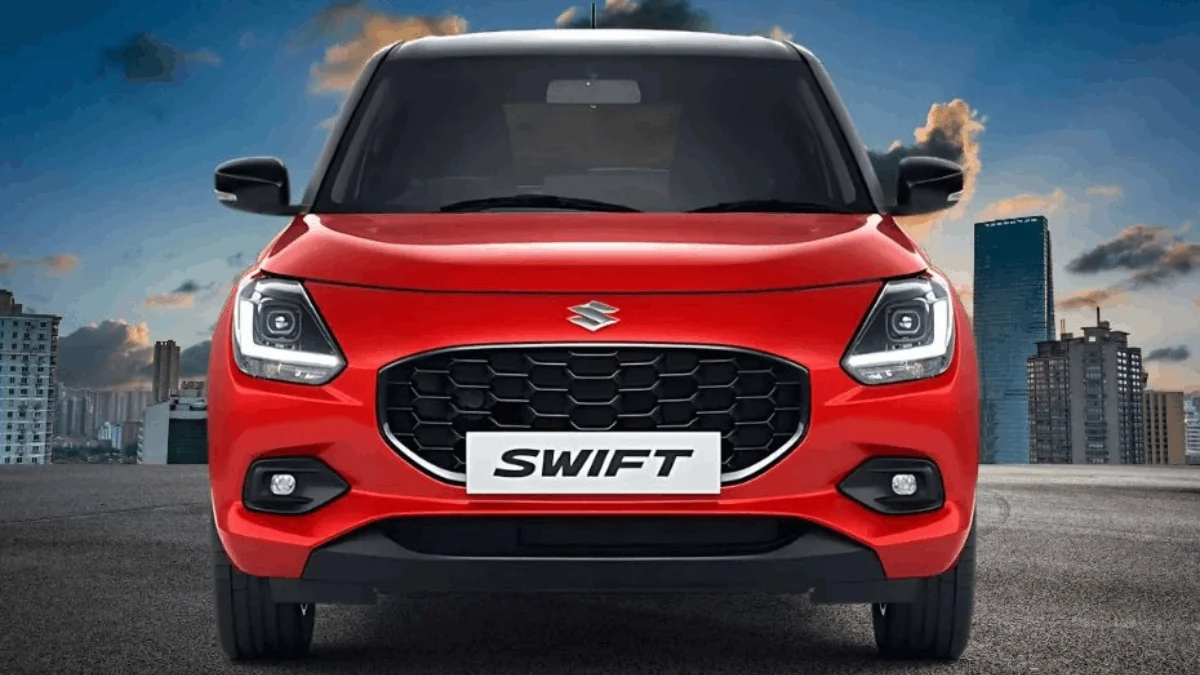
Maruti Dzire CNG AMT and Swift CNG AMT Launched; Check Price and Mileage
The Swift CNG AMT is available at a price tag of Rs 7.92 lakh, while the Dzire CNG AMT is priced at Rs 8.53 lakh, ex-showroom, India.
Chhavi
Read More
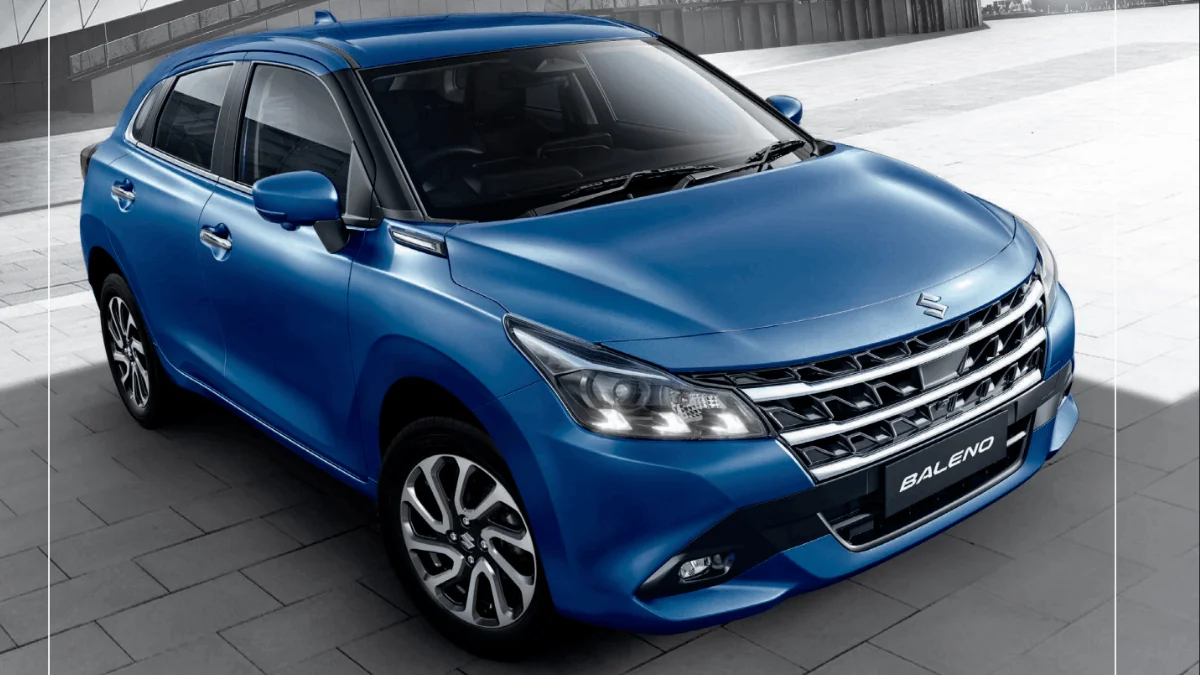
Maruti Baleno CNG AMT Price Rs 8.32 Lakh, Mileage 34.47km/kg
The Maruti Baleno CNG AMT version is claimed to deliver a fuel efficiency of 34.47 km per kg, that’s 0.86 km per kg higher than the CNG MT variant.
Chhavi
Read More
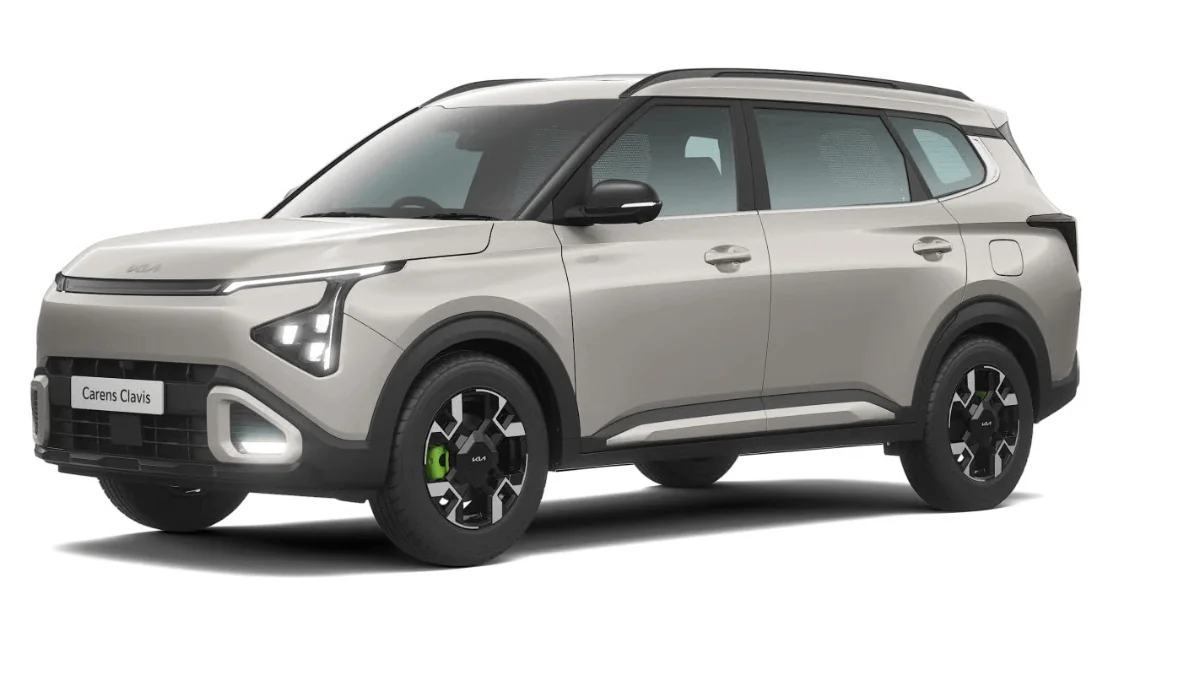
Kia Carens Clavis CNG and Carens CNG Launched: Check Prices and Specifications
Kia India has launched the factory-fitted Carens CNG and Carens Clavis at Rs 12.39 lakh and Rs 12.13 lakh, respectively, ex-showroom.
Chhavi
Read More
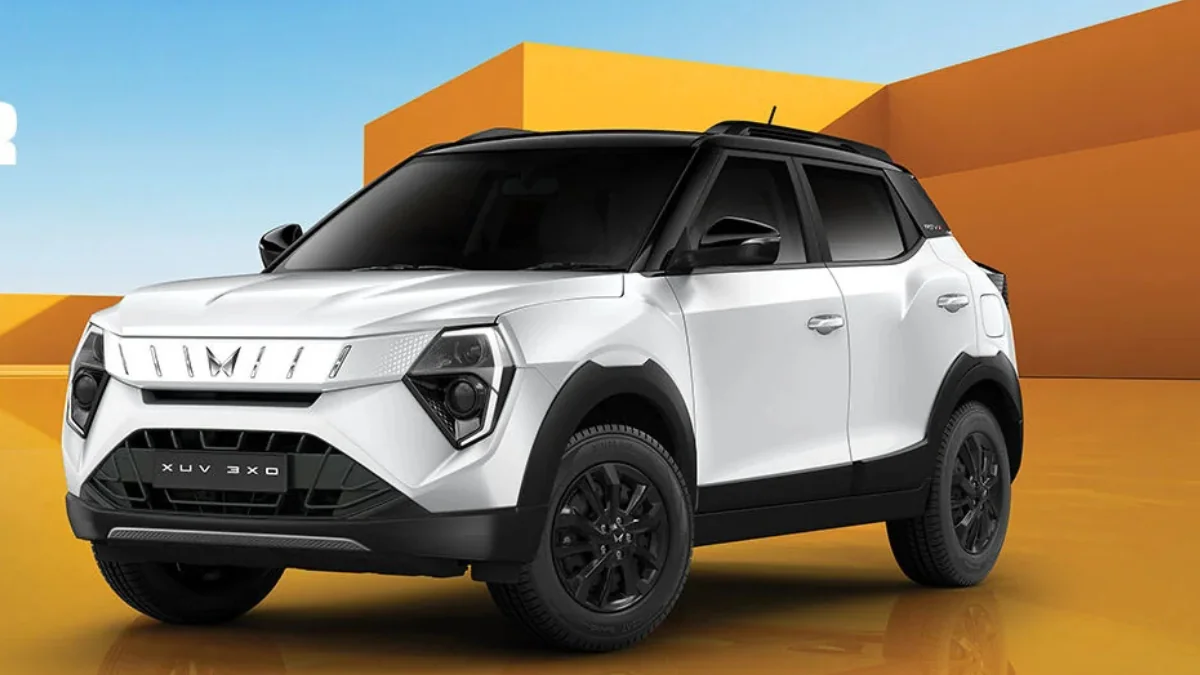
Mahindra XUV 3XO REVX EDGE Price and Features Explained
The Mahindra XUV 3XO REVX EDGE trim launched at a starting price of Rs 9.39 lakh, new XUV 3XO REVX M(O) launched with automatic gearbox under Rs 10 lakh.
Chhavi
Read More
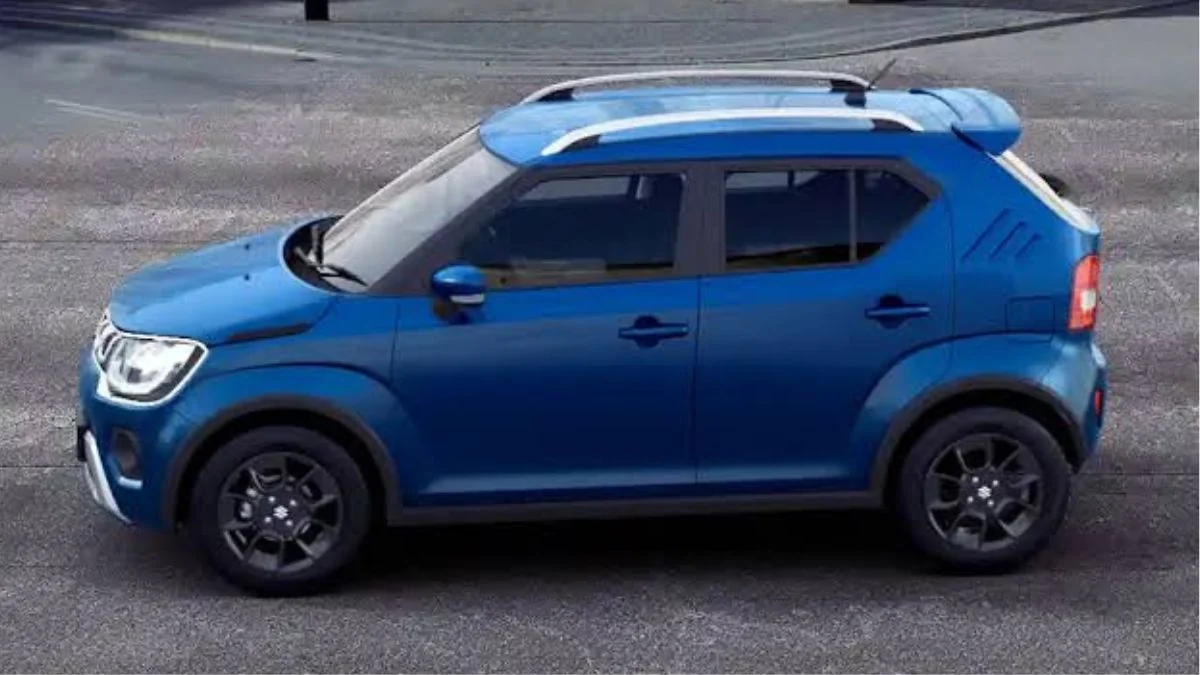
Maruti Suzuki Working on 2 New SUVs
Maruti Suzuki is working on two new SUVs, including the Y43 compact SUV and Fronx facelift, with new engine, hybrid and ADAS technology expected.
Konica Singh
Read More
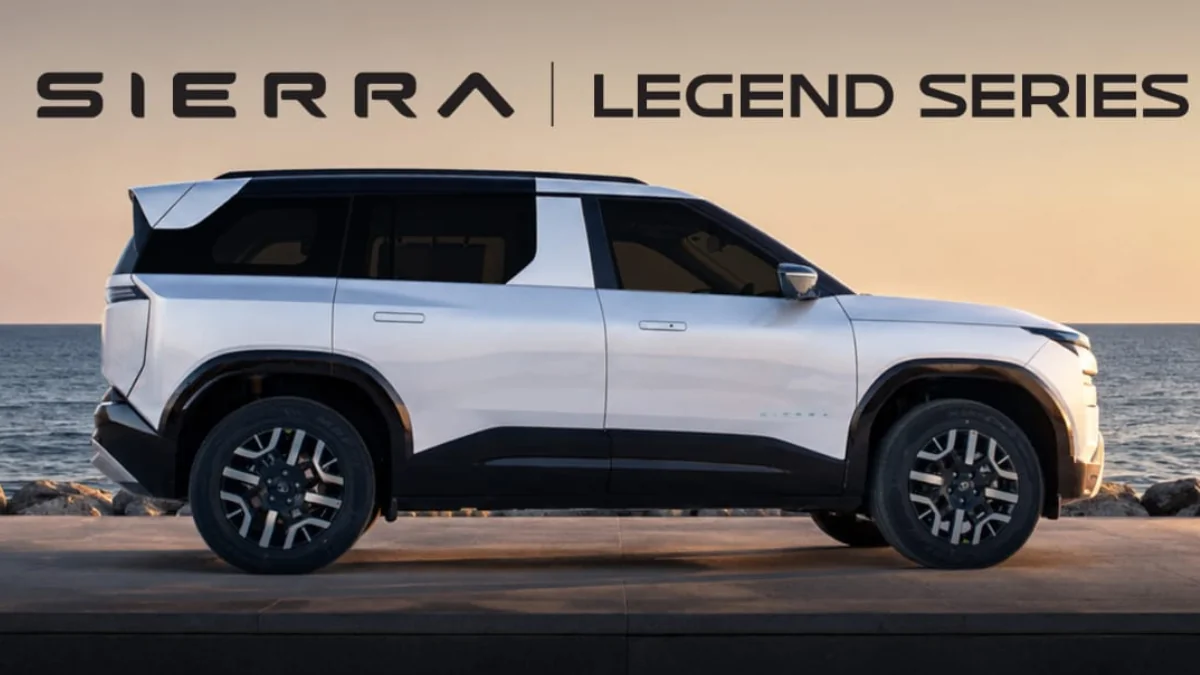
Tata Sierra Legend Series Full Price List, Top Features and Specifications
The new Tata Sierra Legend Series is available in 5 trim levels and in total of 18 variants with prices starting at Rs 11.99 lakh, ex-showroom.
Amit Sharma
Read More
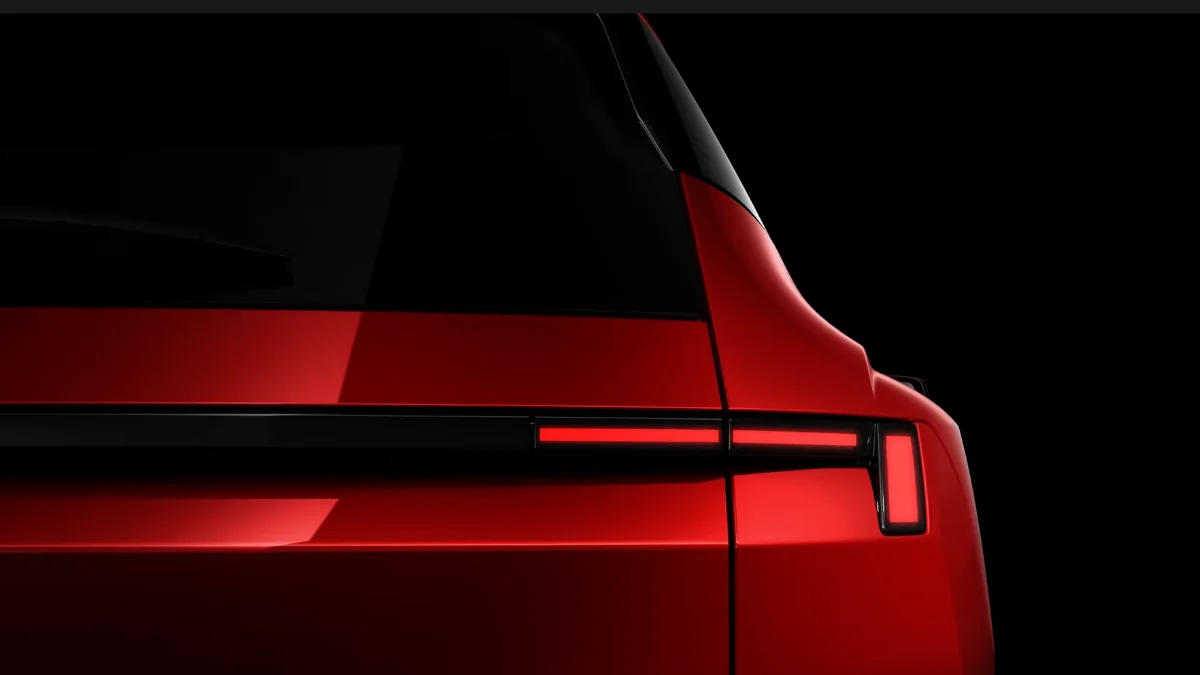
Hyundai Bayon Gets 17-inch Wheels; Tail-Light and Headlamp Design Revealed
The teaser confirms that the Hyundai Bayon SUV will get 17-inch dual-tone machine-cut alloy wheels wrapped in 215/55 section tyres.
Amit Sharma
Read More


Latest Volvo Car News and Updates
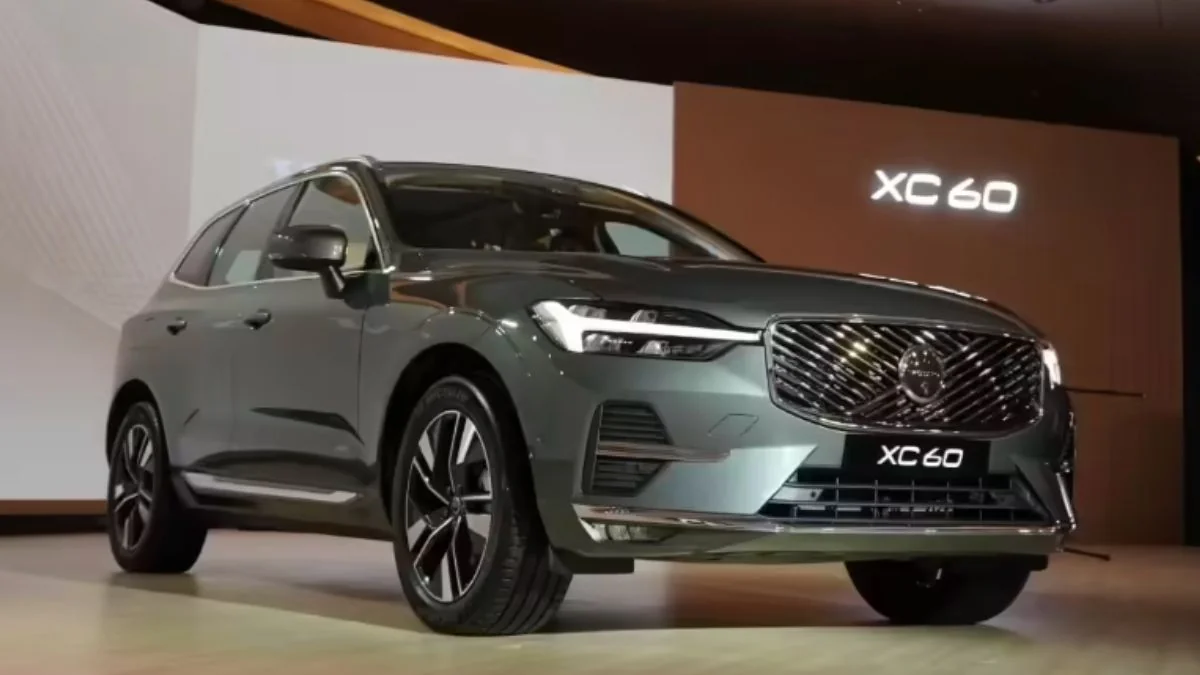
New Volvo XC60 and XC90 Get Major Electric Range Boost
New Volvo XC60 and XC90 PHEVs get bigger batteries and stronger electric motors, delivering up to 200km and 160km of electric range.
Konica Singh
Read More
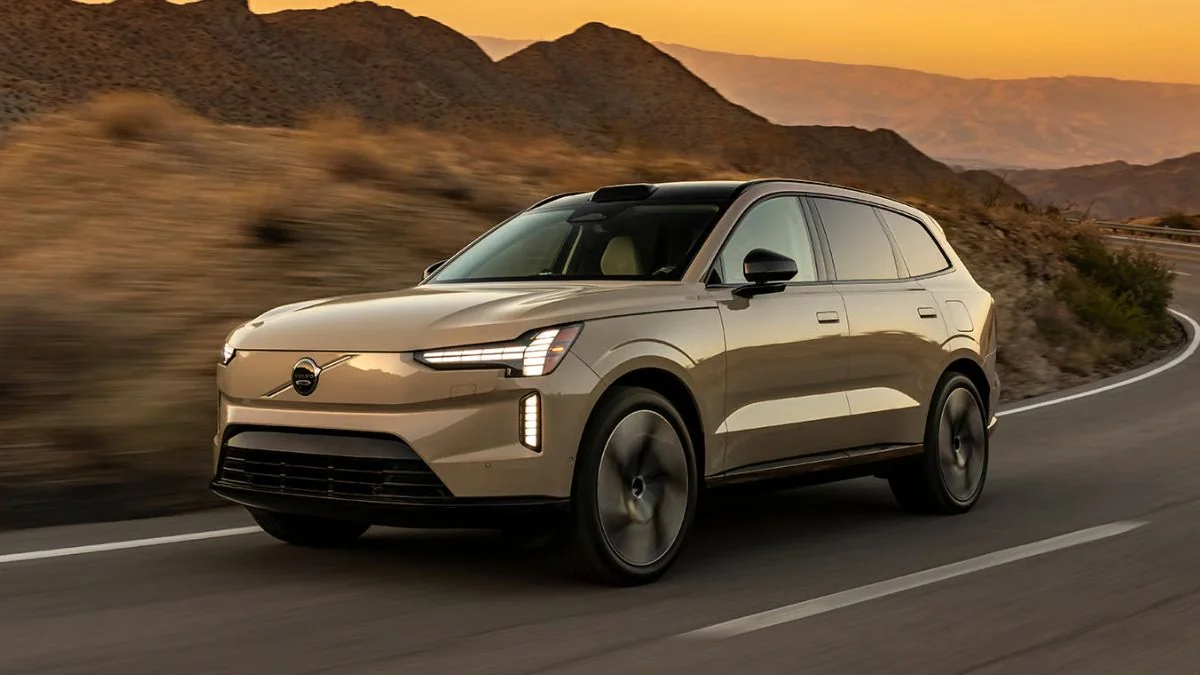
Volvo EX90 and ES90 India Launch Soon – 600km Range, 509hp AWD
Volvo EX90 and ES90 EVs are coming to India with a 111kWh battery, 600km range, 509hp AWD and advanced AI-based technology.
Konica Singh
Read More

2026 Volvo EX60 to Debut Soon - Gemini AI, 810km Range and Top Features
2026 Volvo EX60 will debut soon with Gemini AI, up to 810km range, fast charging, smart interior tech and advanced safety features.
Konica Singh
Read More
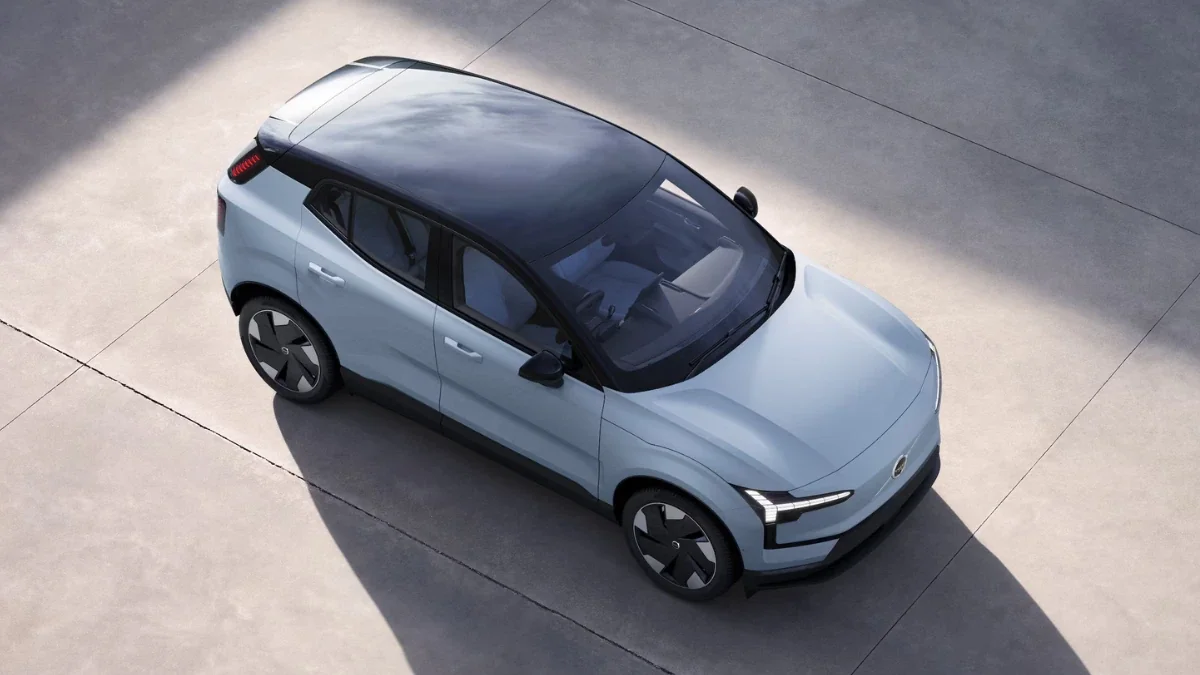
The Smallest and Most Affordable Volvo Electric SUV, the EX30, Launched in India
Launched at Rs 41 lakh, the Volvo EX30 is the brand's smallest and most affordable electric SUV in India. 480km range, 0-100kmph in 5.3 secs and 180kmph top speed
Amit Sharma
Read More
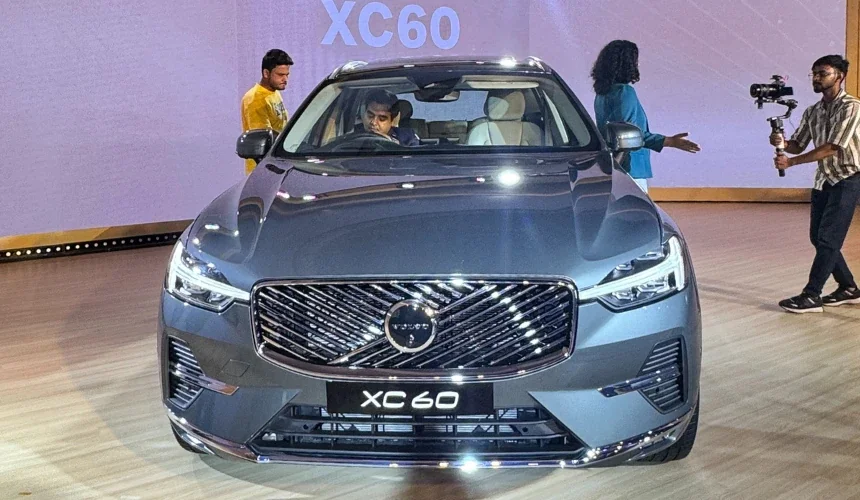
Volvo XC60 Facelift Price Revealed - Here’s What’s Changed
2025 Volvo XC60 facelift has been launched in India at Rs 71.90 lakh with a refreshed design, upgraded tech features, and enhanced safety.
Konica Singh
Read More
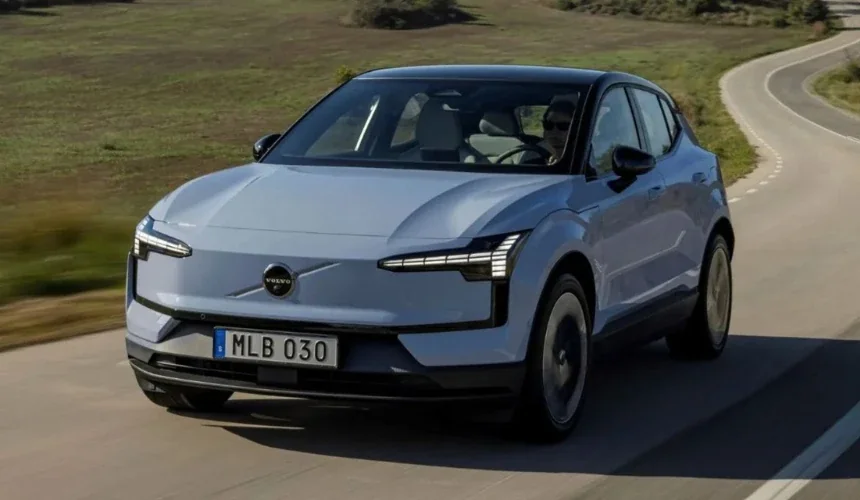
Volvo EX30 EV and XC60 Facelift Set for India Launch in August 2025
Volvo is set to launch the XC60 facelift and EX30 electric SUV in India in August 2025. The EX30 will feature a 69 kWh battery, 474 km range, and could be priced under Rs 45 lakh.
Konica Singh
Read More

Volvo EX30 EV Coming to India
Volvo EX30 electric SUV spied testing in India ahead of launch. Expected with a 69kWh battery, 474km range, Google infotainment OS, and ADAS features under Rs 50 lakh.
Konica Singh
Read More
Latest Volvo Xc90 News and Updates
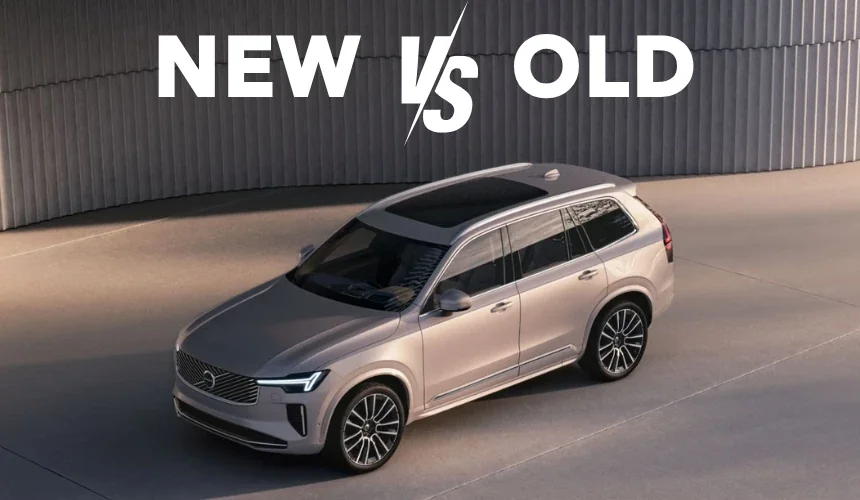
New Volvo XC90 Vs Old – Price, Features, Design & Specs Compared
The new Volvo XC90 facelift price in India is Rs 1.03 crore. The SUV comes with slightly improved design, new features and the same mild hybrid powertrain.
Chhavi
Read More
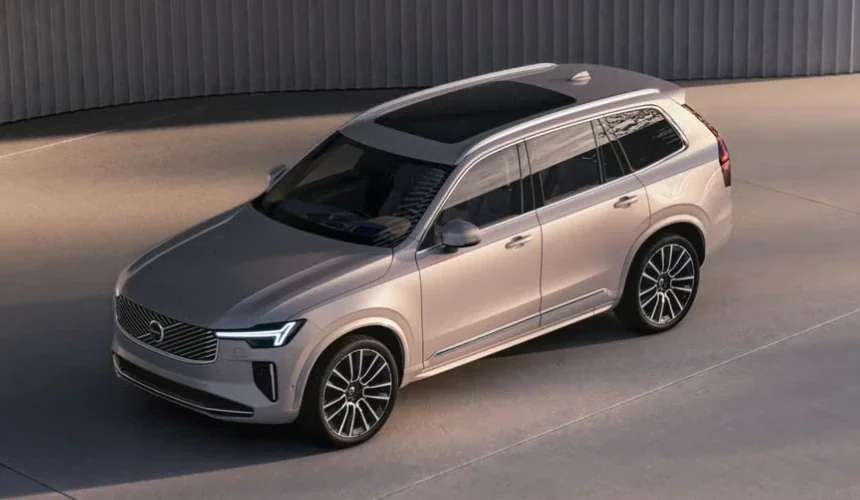
2025 Volvo XC90 Facelift - What’s New in This Luxury SUV?
The 2025 XC90 seats above the previous model with an increase of Rs. 2 lakh at Rs 1.03 crore (ex-showroom) and competes with models like Mercedes-Benz GLE, BMW X5, and Audi Q7.
Ankita Solanki
Read More
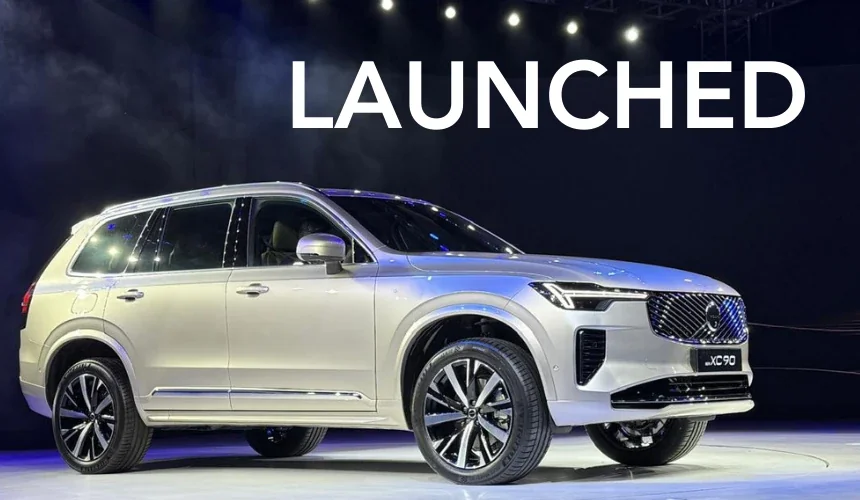
2025 Volvo XC90 Facelift India Launch Price at Rs. 1.03 Crore
The 2025 Volvo XC90 facelift costs Rs. 1.03 crore in India. It comes with design refinements, new-age features, and a mild-hybrid powerplant, making it one of the best luxury SUVs.
Kritika Dadhich
Read More
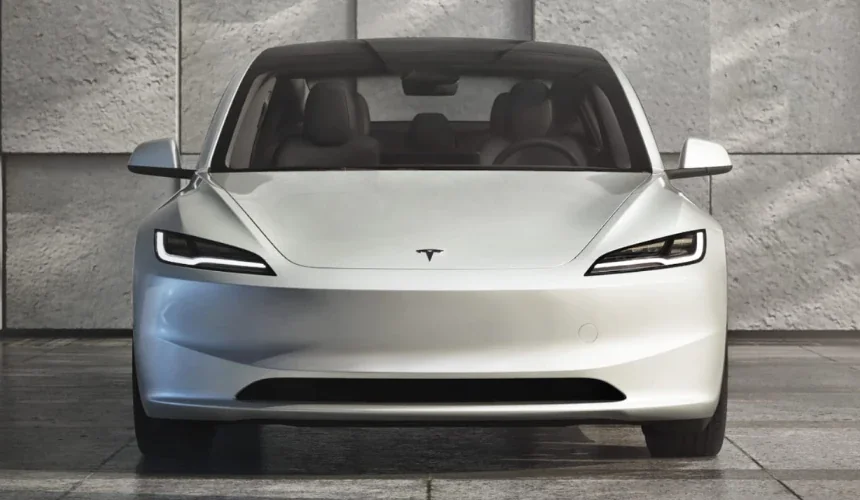
Huge EV Policy Shift: India Slashes Import Duty from 110 Percent to 15 Percent
The Indian government plans to lower EV import duties from 110% to 15% for premium electric cars over $35,000.
Chhavi
Read More

2025 Volvo XC90 Facelift India Launch Date Announced
The new Volvo XC90 facelift will arrive on March 4, 2025, with fresh design tweaks, mild-hybrid and plug-in hybrid powertrains, and advanced technology.
Kritika Dadhich
Read More

2025 Volvo XC90 Facelift Could Break Cover on March 4 - Full Details Inside!
The 2025 Volvo XC90 facelift will arrive in India in March 2025 with a new design, more advanced technology, and hybrid options to take on the likes of Audi Q7, BMW X7, and Mercedes-Benz GLS.
Kritika Dadhich
Read More
ADVERTISEMENT
ADVERTISEMENT
ADVERTISEMENT
Trending Cars in India
Explore Similar Cars

Trusted Dealer
All Over India

Irresistible Offers
Stay Updated, Pay Less

Compare Cars
Choose the Right Car

Easy Finance
Multiple Finance Options


Monday - Saturday

10:00am - 6:30pm

contact@carlelo.com